

Views: 221 Author: Site Editor Publish Time: 2025-04-23 Origin: Site


Content Menu
● Understanding Bailey Bridges
● Primary Materials Used in Bailey Bridge Construction
>> Steel
>> Aluminum
>>> Applications of Aluminum in Bailey Bridges
>> Concrete
>>> Role of Concrete
>>> Emerging Trends
>>> Benefits of Composite Materials
● Assembly and Construction Process
>> Pre-Assembly Considerations
>> Importance of Regular Inspections
● Frequently Asked Questions regarding Bailey Bridge
>> 1. What are the specific strength requirements for steel used in Bailey bridges?
>> 2. How does temperature affect the performance and lifespan of Bailey bridge materials?
>> 4. How long can a Bailey bridge typically last with proper maintenance?
>> 5. Can Bailey bridges be used for permanent installations?
Bailey bridges are a type of portable, pre-fabricated truss bridge that are widely used for military and civilian applications. They are known for their ease of assembly and disassembly, making them ideal for temporary or emergency situations. The construction of a Bailey bridge involves several key materials, each chosen for its specific properties and suitability for the bridge's design and function. This article will explore the primary materials used in the construction of a Bailey bridge, detailing their characteristics, advantages, and roles in the overall structure.
The Bailey bridge was developed during World War II by the British engineer Sir Donald Bailey. Its design was intended to provide a quick and efficient means of crossing obstacles such as rivers and ravines, particularly in wartime scenarios. The modular nature of the bridge allows for rapid deployment and can be assembled by unskilled personnel with minimal tools. This innovation was crucial during the war, as it enabled military forces to maintain mobility and supply lines in challenging terrains. The design has since evolved, but its core principles remain relevant in modern engineering, showcasing the enduring legacy of its original concept.
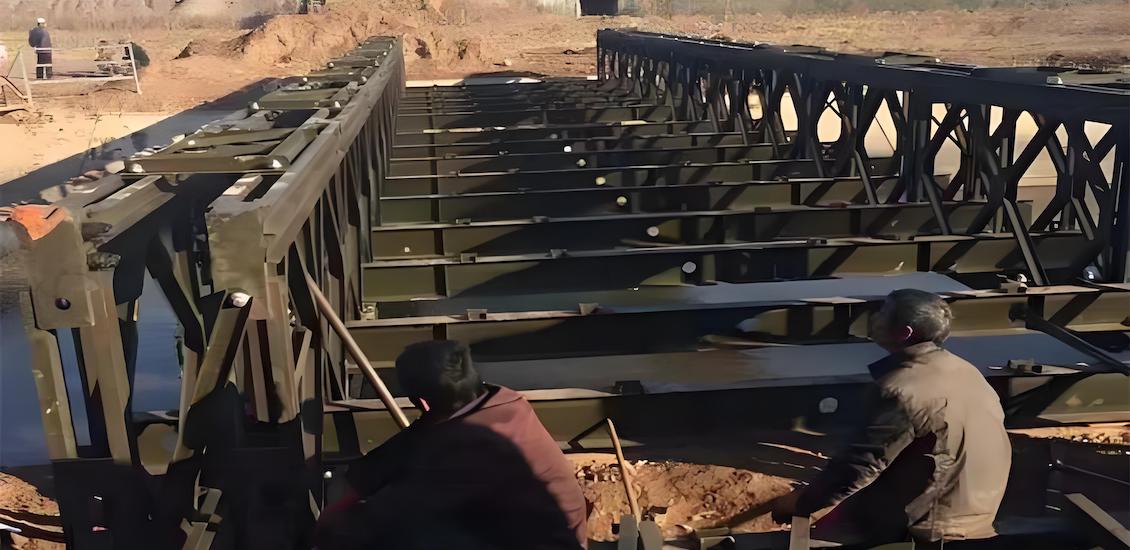
A Bailey bridge typically consists of a series of panels that are connected to form a truss structure. The panels are made from various materials, which contribute to the bridge's strength, durability, and weight capacity. The design allows for spans of varying lengths, making it versatile for different applications. The truss configuration not only provides structural integrity but also distributes loads evenly across the bridge, enhancing its ability to support heavy vehicles. This adaptability has made Bailey bridges a popular choice for both temporary and permanent installations in various environments, from military operations to civilian infrastructure projects.
Steel is the primary material used in the construction of Bailey bridges. Its high tensile strength, durability, and resistance to deformation make it an ideal choice for structural applications. Steel can withstand heavy loads and is less likely to fail under stress compared to other materials. Additionally, steel's ductility allows it to absorb energy during dynamic loading, such as during an earthquake or heavy traffic, which is crucial for maintaining the bridge's integrity over time. The ability to fabricate steel into various shapes and sizes further enhances its versatility in bridge design.
The steel used in Bailey bridges is typically high-strength low-alloy (HSLA) steel. This type of steel offers improved mechanical properties and greater resistance to corrosion compared to standard carbon steel. The use of HSLA steel enhances the overall performance and longevity of the bridge. Furthermore, the specific grades of HSLA steel can be selected based on the anticipated loads and environmental conditions, ensuring that the bridge can perform optimally in its intended application. The choice of steel grade is critical, as it directly impacts the bridge's weight capacity, durability, and maintenance requirements.
The steel components of a Bailey bridge are pre-fabricated into panels and trusses. These components are manufactured in a controlled environment, ensuring consistent quality and precision. The panels are then transported to the construction site for assembly. This pre-fabrication process not only speeds up construction time but also minimizes waste and reduces the environmental impact of the project. Advanced manufacturing techniques, such as computer-aided design (CAD) and automated welding, are often employed to enhance the accuracy and efficiency of the fabrication process, resulting in high-quality components that fit together seamlessly during assembly.
Aluminum is another material that can be used in the construction of Bailey bridges, particularly in applications where weight is a critical factor. Aluminum is significantly lighter than steel, which can facilitate easier transportation and assembly. Additionally, aluminum has excellent corrosion resistance, making it suitable for environments exposed to moisture. This property is particularly beneficial in coastal or humid regions where steel might be prone to rust and degradation. The lightweight nature of aluminum also allows for the construction of bridges that can be easily relocated or modified, providing flexibility in design and usage.
While aluminum is not as commonly used as steel for the main structural components of Bailey bridges, it can be employed in secondary elements such as decking and railings. Its lightweight nature allows for easier handling and installation, especially in temporary bridge applications. Moreover, aluminum's aesthetic appeal can enhance the visual aspect of the bridge, making it a suitable choice for pedestrian bridges or in urban settings where appearance is important. The use of aluminum in these applications can also reduce the overall weight of the bridge, allowing for longer spans without the need for additional support.
Concrete is often used in conjunction with steel in Bailey bridge construction, particularly for the foundation and abutments. The combination of steel and concrete provides a robust and stable base for the bridge, ensuring it can support the loads imposed on it. Concrete's compressive strength complements steel's tensile strength, creating a balanced structural system that can withstand various forces. This synergy between materials is essential for the overall stability and safety of the bridge, especially in areas with heavy traffic or adverse weather conditions.
Concrete is known for its compressive strength, which makes it ideal for supporting heavy loads. When used in the foundation of a Bailey bridge, concrete helps distribute the weight of the bridge and any vehicles crossing it. Additionally, concrete is resistant to weathering and can provide a long-lasting support structure. The use of reinforced concrete, which incorporates steel bars or mesh, further enhances its strength and durability. This combination allows for the construction of foundations that can endure the stresses of heavy loads and environmental factors, ensuring the bridge remains safe and functional over time.
In recent years, there has been a growing interest in the use of composite materials in bridge construction, including Bailey bridges. Composites, which combine materials such as fiberglass and resin, offer unique advantages such as reduced weight and enhanced corrosion resistance. These materials are particularly appealing for applications where traditional materials may not perform as well, such as in harsh chemical environments or areas with high humidity. The development of advanced composite materials has opened new possibilities for bridge design, allowing engineers to create structures that are not only lighter but also more resilient.
The use of composite materials can lead to lower maintenance costs and longer service life for bridges. They are particularly beneficial in environments where traditional materials may degrade more quickly due to exposure to harsh conditions. While still not as common as steel or concrete, composites are being explored for future applications in Bailey bridge designs. Their lightweight nature can significantly reduce the overall load on the bridge's supports, allowing for longer spans and more innovative designs. Additionally, composites can be manufactured to specific requirements, enabling tailored solutions for unique engineering challenges.
Before the assembly of a Bailey bridge begins, careful planning and preparation are essential. This includes site assessment, determining the required span and load capacity, and selecting the appropriate materials based on environmental conditions and intended use. Engineers must also consider factors such as soil stability, potential flooding, and the types of vehicles that will use the bridge. This thorough planning phase is crucial for ensuring that the bridge will meet safety standards and perform effectively throughout its intended lifespan.
The assembly of a Bailey bridge is designed to be straightforward and efficient. The pre-fabricated panels are connected using pins and bolts, allowing for quick assembly without the need for specialized equipment. This modular approach enables teams to construct the bridge in a matter of hours, depending on the size and complexity of the structure. The simplicity of the assembly process is one of the key advantages of Bailey bridges, as it allows for rapid deployment in emergency situations, such as natural disasters or military operations. Additionally, the ability to disassemble and relocate the bridge easily makes it a versatile solution for various applications.
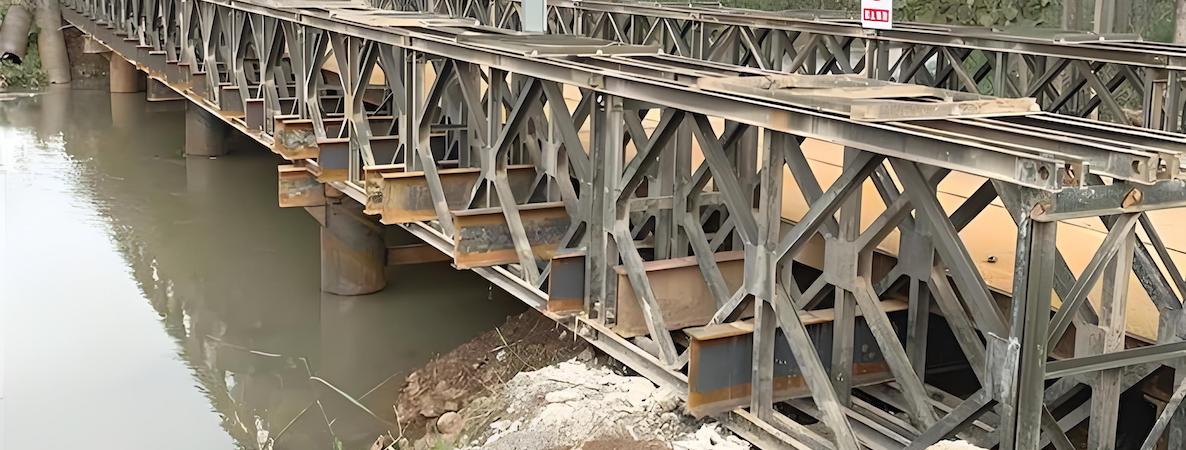
Safety is a critical consideration during the assembly of a Bailey bridge. Workers must be trained in proper assembly techniques and safety protocols to prevent accidents. Additionally, the structural integrity of the bridge must be verified before it is opened for use. This includes load testing and inspections to ensure that all components are securely connected and that the bridge can safely support the intended loads. Implementing rigorous safety measures not only protects workers during construction but also ensures the long-term safety of the bridge for all users.
To ensure the longevity of a Bailey bridge, regular inspections and maintenance are essential. This includes checking for signs of wear, corrosion, and structural integrity. Early detection of potential issues can prevent more significant problems and extend the life of the bridge. Inspections should be conducted at regular intervals, especially after severe weather events or heavy usage, to identify any damage that may have occurred. Establishing a comprehensive maintenance schedule is vital for preserving the bridge's functionality and safety over time.
The materials used for maintenance and repair of Bailey bridges often include protective coatings for steel components to prevent corrosion, as well as concrete patching materials for any damage to the foundation. Keeping the bridge in good condition is vital for safety and performance. Regular maintenance not only enhances the bridge's lifespan but also minimizes the need for costly repairs or replacements in the future. By investing in maintenance and using high-quality materials, bridge operators can ensure that their Bailey bridges remain safe and effective for years to come.
Bailey bridges are a remarkable engineering solution that combines various materials to create a strong, durable, and versatile structure. Steel remains the primary material due to its strength and reliability, while aluminum and concrete play important supporting roles. As technology advances, the incorporation of composite materials may further enhance the capabilities of Bailey bridges. Understanding the materials used in their construction is crucial for appreciating their design and functionality, as well as for ensuring their effective maintenance and longevity. The continued evolution of materials and construction techniques will likely lead to even more innovative applications of Bailey bridges in the future, solidifying their place in modern engineering.
The steel used in Bailey bridges typically needs to meet specific strength requirements, often defined by standards such as ASTM A572 for high-strength low-alloy steel. The yield strength is generally required to be at least 36,000 psi (250 MPa) or higher, depending on the design specifications and load requirements of the bridge.
Temperature can significantly impact the performance and lifespan of materials used in Bailey bridges. Steel can become brittle at low temperatures, which may affect its ductility and strength. Conversely, high temperatures can lead to thermal expansion, potentially causing structural issues. Proper material selection and protective coatings can mitigate these effects, ensuring the bridge remains safe and functional across varying temperatures.
When selecting materials for Bailey bridges, environmental considerations include the material's durability against corrosion, especially in coastal or humid areas, and its overall environmental impact. For instance, using recycled steel can reduce the carbon footprint, while choosing materials with low maintenance requirements can minimize the need for repairs and replacements, thus conserving resources.
With proper maintenance, a Bailey bridge can last anywhere from 20 to 50 years. Regular inspections, timely repairs, and protective measures against corrosion and wear are essential for extending the lifespan of the bridge. The specific lifespan can vary based on environmental conditions, usage, and the quality of materials used in construction.
Yes, Bailey bridges can be used for permanent installations, although they are primarily designed for temporary or emergency use. When used as permanent structures, they are often reinforced with additional materials and may be integrated into more extensive infrastructure systems. Their modular design allows for easy modifications and upgrades, making them a flexible option for long-term applications.


