

Views: 211 Author: Site Editor Publish Time: 2025-05-22 Origin: Site


Content Menu
● Understanding OEM Temporary Movable Bridges
>> What is an OEM Temporary Movable Bridge?
>> Key Features of OEM Temporary Movable Bridges
● Applications of OEM Temporary Movable Bridges
● Benefits of Using OEM Temporary Movable Bridges
>> Flexibility and Adaptability
>> Reduced Environmental Impact
● Considerations When Choosing OEM Temporary Movable Bridges
>> Installation and Maintenance
● Frequently Asked Questions regarding OEM Temporary Movable Bridge
>> 1. What are the typical costs associated with renting or purchasing OEM temporary bridges?
>> 4. How do OEM temporary movable bridges ensure safety during use?
>> 5. In what scenarios are OEM temporary movable bridges most beneficial?
Temporary movable bridges, particularly those manufactured under Original Equipment Manufacturer (OEM) standards, play a crucial role in various sectors, including construction, military, and emergency services. These structures are designed to provide quick and efficient access over obstacles such as rivers, ravines, and construction sites. This article explores the benefits, applications, and considerations surrounding OEM temporary movable bridges, providing a comprehensive understanding of their significance in modern infrastructure.
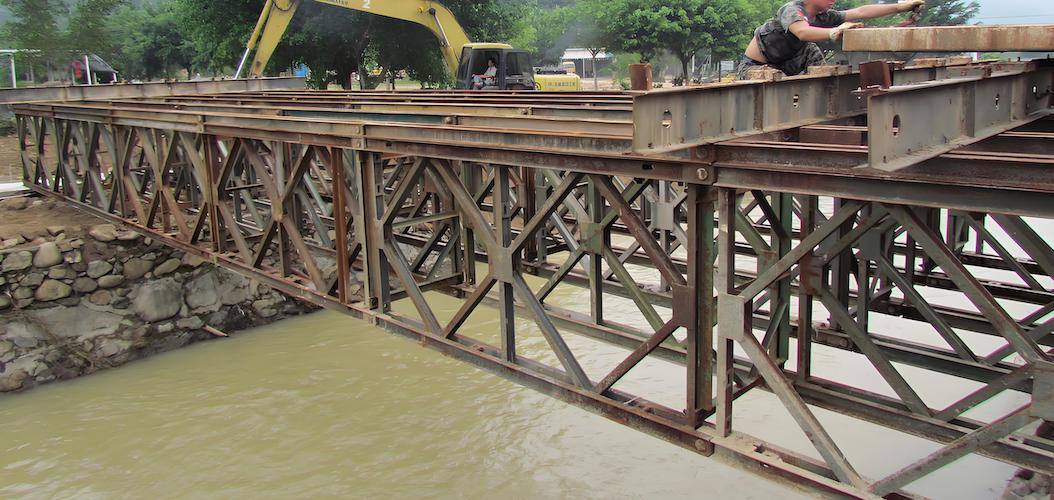
An OEM temporary movable bridge is a prefabricated structure designed for temporary use, allowing for the quick and efficient movement of people and vehicles across obstacles. These bridges are manufactured by companies that specialize in creating modular bridge systems, ensuring high quality and adaptability to various environments. The design typically includes features that allow for easy assembly and disassembly, making them ideal for situations where permanent structures are not feasible. The versatility of these bridges means they can be deployed in a variety of settings, from urban environments to remote locations, providing essential connectivity where it is most needed.
OEM temporary movable bridges are characterized by several key features:
Portability: These bridges can be easily transported and installed in various locations, making them suitable for temporary applications. Their lightweight design allows for quick relocation, which is particularly beneficial in emergency situations where time is of the essence.
Modularity: The modular design allows for customization in length and load capacity, accommodating different site requirements. This adaptability means that a single bridge design can serve multiple purposes, reducing the need for multiple different structures.
Durability: Made from high-quality materials, these bridges are designed to withstand heavy loads and harsh environmental conditions. Many manufacturers use corrosion-resistant materials to ensure longevity, even in challenging climates.
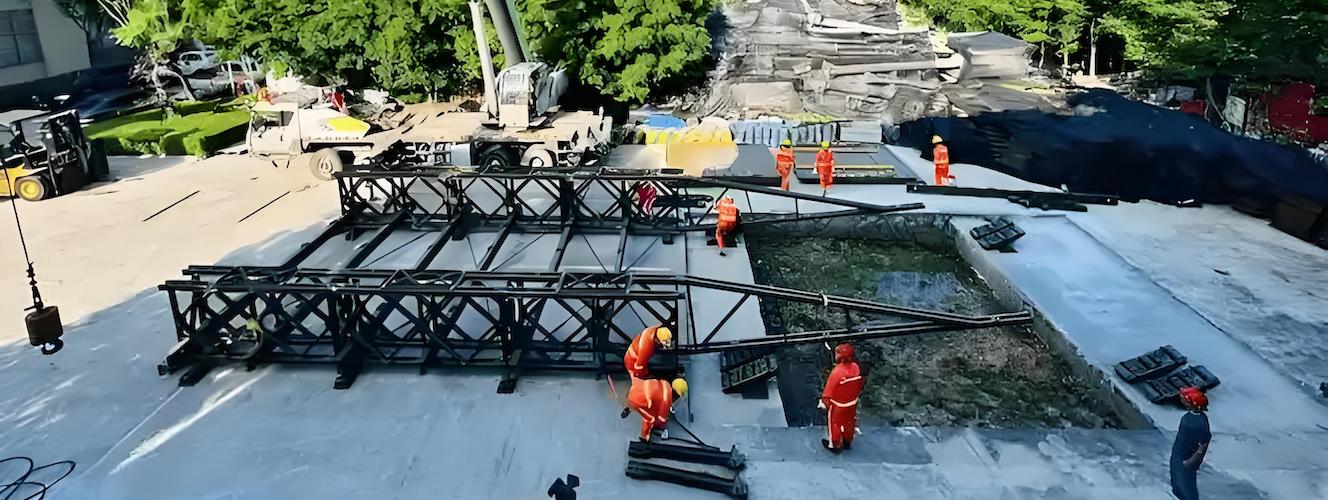
Quick Installation: The prefabricated nature of these bridges enables rapid deployment, often within a matter of hours. This speed is crucial in situations where immediate access is required, such as during disaster relief efforts.
In construction, temporary movable bridges are essential for providing access to sites where permanent bridges are not yet built. They facilitate the movement of heavy machinery, materials, and personnel, ensuring that projects proceed without delays. For instance, during the construction of a new highway over a river, a temporary bridge can be installed to allow for the transportation of construction equipment and supplies. This not only speeds up the construction process but also minimizes disruption to local traffic and communities.
The military frequently utilizes temporary movable bridges for logistics and troop movement. In conflict zones or disaster-stricken areas, these bridges provide critical access across rivers and ravines, enabling the swift deployment of forces and supplies. Companies like Acrow Bridge specialize in manufacturing military-grade temporary bridges that meet the rigorous demands of military operations. These bridges are designed to support heavy military vehicles and can be deployed quickly to ensure that troops can move efficiently and safely in challenging environments.
In emergency situations, such as natural disasters, temporary movable bridges are vital for restoring access to affected areas. They allow emergency responders to reach isolated communities, deliver aid, and conduct rescue operations. For example, after a flood, a temporary bridge can be quickly erected to reconnect communities cut off from essential services. This rapid response capability can be the difference between life and death, as it enables timely access to medical care, food, and other critical resources.
Temporary movable bridges are also used in large events and festivals where temporary access is needed. They can provide safe passage over water bodies or difficult terrain, ensuring that attendees can move freely and safely. Companies like Mustang Extreme offer rental services for temporary bridges specifically designed for such events. These bridges can be customized to fit the theme of the event and can support large crowds, enhancing the overall experience for participants.
One of the primary advantages of OEM temporary movable bridges is their cost-effectiveness. Compared to constructing permanent bridges, which can be expensive and time-consuming, temporary bridges offer a more affordable solution for short-term needs. Their modular design also means that they can be reused in different locations, further reducing costs. This financial efficiency is particularly appealing to organizations with limited budgets or those operating in economically challenging environments.
OEM temporary movable bridges are highly flexible and can be adapted to various site conditions. Whether it’s a narrow river or a wide ravine, these bridges can be customized to fit the specific requirements of the location. This adaptability makes them suitable for a wide range of applications, from construction to military use. The ability to modify the bridge design based on real-time assessments of site conditions ensures that the structure remains safe and functional.
Temporary bridges have a lower environmental impact compared to permanent structures. Their installation often requires less excavation and disruption to the surrounding area, making them a more sustainable option for temporary access. Additionally, many manufacturers are now focusing on eco-friendly materials and practices in the production of these bridges. This commitment to sustainability not only benefits the environment but also enhances the reputation of companies that prioritize green practices.
Safety is a critical consideration in any construction or emergency operation. OEM temporary movable bridges are designed with safety in mind, featuring robust construction and compliance with industry standards. Their quick installation also means that access can be restored rapidly, minimizing risks associated with delayed response times in emergencies. Regular maintenance and inspections further ensure that these bridges remain safe for use, providing peace of mind to operators and users alike.
When selecting a temporary movable bridge, it is essential to consider the load capacity required for the specific application. Different bridges are designed to support varying weights, and choosing the right one ensures safety and functionality. Understanding the expected traffic and load conditions is crucial for making an informed decision, as underestimating these factors can lead to structural failures.
The conditions of the site where the bridge will be installed play a significant role in the selection process. Factors such as soil stability, water flow, and environmental conditions must be assessed to determine the most suitable bridge type. Conducting thorough site assessments can help identify potential challenges and inform the design and installation process, ensuring that the bridge performs optimally in its intended environment.
Temporary bridges must comply with local regulations and safety standards. It is crucial to work with manufacturers who understand these requirements and can provide bridges that meet all necessary guidelines. Ensuring compliance not only enhances safety but also helps avoid legal issues that could arise from improper installations.
While temporary bridges are designed for quick installation, proper setup and maintenance are vital for ensuring their safety and effectiveness. Engaging experienced professionals for installation and regular inspections can help prevent accidents and prolong the bridge's lifespan. Establishing a maintenance schedule and training personnel on proper usage can further enhance the reliability of these structures.
OEM temporary movable bridges are invaluable assets in various sectors, providing flexible, cost-effective, and safe solutions for temporary access needs. Their applications range from construction and military operations to emergency services and large events. As infrastructure demands continue to evolve, the role of these bridges will likely expand, highlighting the importance of innovation and quality in their design and manufacturing. Companies like Acrow Bridge and Mustang Extreme are leading the way in providing high-quality temporary bridge solutions that meet the diverse needs of their clients. By understanding the benefits and considerations associated with these structures, organizations can make informed decisions that enhance their operational efficiency and safety.
The costs of OEM temporary bridges can vary widely based on factors such as size, load capacity, and rental duration. Generally, renting a temporary bridge can range from a few hundred to several thousand dollars per month, while purchasing one can cost anywhere from $10,000 to over $100,000, depending on the specifications and manufacturer.
Different types of OEM temporary bridges, such as modular panel bridges and truss bridges, vary in installation time and complexity. Modular panel bridges are typically quicker to install, often requiring only a few hours with minimal equipment. In contrast, truss bridges may take longer due to their larger size and the need for more extensive support structures, potentially requiring a day or more for complete installation.
Recent innovations in OEM temporary movable bridges include the use of lightweight composite materials that enhance portability and reduce installation time. Additionally, advancements in modular design allow for quicker assembly and disassembly, while smart technology integration enables real-time monitoring of structural integrity and load capacity.
OEM temporary movable bridges are designed with safety features such as load limit indicators, anti-slip surfaces, and robust structural integrity to withstand various environmental conditions. Regular inspections and maintenance are also crucial to ensure that the bridges remain safe for use, and compliance with local safety regulations is strictly adhered to.
OEM temporary movable bridges are particularly beneficial in scenarios such as emergency disaster response, where rapid access is needed to affected areas. They are also useful in construction projects that require temporary access over obstacles, military operations for logistics and troop movement, and large events where safe passage is necessary for attendees.


