

Views: 221 Author: Site Editor Publish Time: 2025-12-05 Origin: Site


Content Menu
● Overview of Modular Bridge Construction
● EVERCROSS BRIDGE: A Leader in Modular Bridge Manufacturing
>> Innovations and Technologies
● Other Notable Modular Bridge Manufacturers in Nepal
>> Nepal Bridge Construction Company
>>> Company Overview
>>> Key Projects
>>> Company Overview
>>> Key Projects
>>> Company Overview
>>> Key Projects
● The Importance of Modular Bridges in Nepal
>> Environmental Considerations
● Future Trends in Modular Bridge Construction
● Frequently Asked and Questions regarding Modular Bridge Construction Manufacturers
>> 1. What are the typical lifespan and maintenance requirements for modular bridges in Nepal?
>> 2. How do modular bridge costs compare to traditional bridge construction in Nepal?
>> 4. How do modular bridges withstand seismic activity common in Nepal?
>> 5. What role does the government play in promoting modular bridge construction in Nepal?
Modular bridge construction has gained significant traction in recent years, particularly in regions like Nepal, where infrastructure development is crucial for economic growth and connectivity. This article explores the leading manufacturers in the modular bridge construction sector in Nepal, with a special focus on EVERCROSS BRIDGE, a prominent player in the industry.
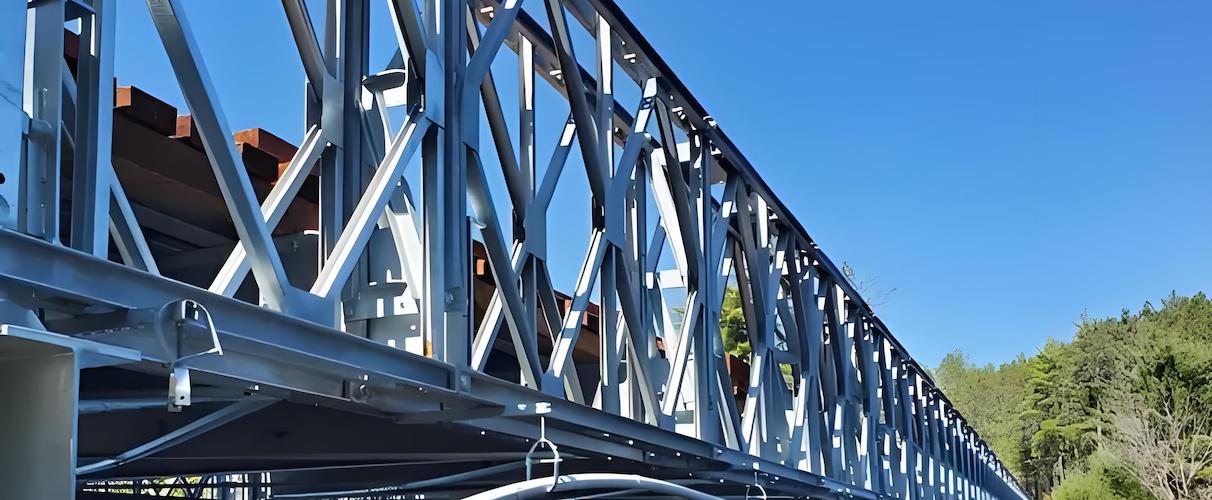
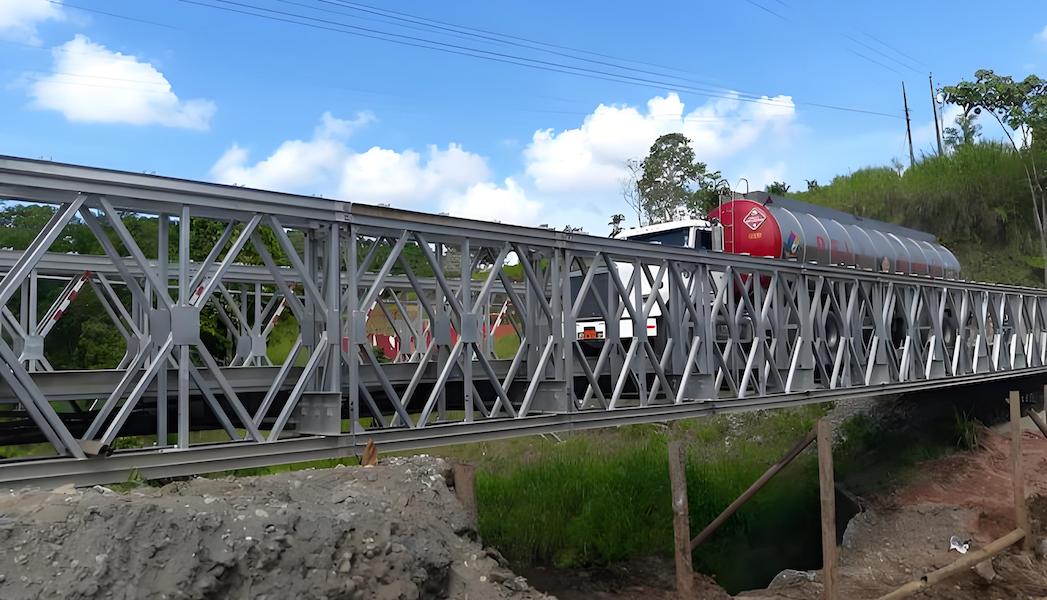
Modular bridge construction involves the use of pre-fabricated components that are assembled on-site. This method offers numerous advantages, including reduced construction time, lower costs, and enhanced quality control. In Nepal, where challenging terrains and rapid urbanization present unique challenges, modular bridges provide a viable solution for improving transportation networks. The modular approach allows for flexibility in design and can be tailored to meet specific site conditions, making it an ideal choice for the diverse geographical landscape of Nepal. Additionally, the ability to transport pre-fabricated sections to remote locations minimizes the logistical challenges often faced in traditional construction methods.
EVERCROSS BRIDGE is recognized as one of the top three manufacturers of various steel bridges in China, with an impressive annual production capacity exceeding 10,000 tons. The company has established itself as a reliable partner for major state-owned enterprises in China, including China Communications Construction Company, China Railway Group, China Electric Power Construction Group, Gezhouba Group, and China National Offshore Oil Corporation. These collaborations span various projects, including railways, highways, and international government procurements. The company’s reputation is built on its commitment to quality and innovation, which has enabled it to secure a strong foothold in both domestic and international markets.
EVERCROSS BRIDGE employs advanced technologies in its manufacturing processes, ensuring that its modular bridges meet international standards for safety and durability. The company focuses on continuous innovation, integrating modern engineering practices to enhance the efficiency and effectiveness of its bridge solutions. This includes the use of high-strength materials that not only reduce the weight of the structures but also improve their load-bearing capacity. Furthermore, the implementation of cutting-edge design software allows for precise modeling and simulation, ensuring that each bridge is optimized for its intended use and environmental conditions.
In Nepal, EVERCROSS BRIDGE has been involved in several key projects that showcase its capabilities in modular bridge construction. These projects not only highlight the company's expertise but also contribute significantly to the infrastructure development of the region. For instance, the construction of a modular bridge in a remote area has drastically reduced travel time for local communities, facilitating better access to markets and essential services. Such projects demonstrate the tangible benefits of modular construction, as they not only enhance connectivity but also promote economic development in underserved regions.
While EVERCROSS BRIDGE stands out as a leader, several other manufacturers are making significant contributions to the modular bridge construction landscape in Nepal.
Nepal Bridge Construction Company is a local firm specializing in the design and construction of modular bridges. The company has gained recognition for its commitment to quality and timely project delivery. With a focus on local needs and conditions, the company has developed a range of modular solutions that cater specifically to the unique challenges faced in Nepal, such as difficult terrain and varying weather conditions.
The company has successfully completed numerous projects across Nepal, focusing on rural connectivity and enhancing access to remote areas. Their modular bridges are designed to withstand the challenging climatic conditions of the region, including heavy monsoon rains and potential flooding. By prioritizing local materials and labor, Nepal Bridge Construction Company not only supports the economy but also fosters community involvement in infrastructure development.
Sita Bridge Builders is another prominent player in the modular bridge construction sector in Nepal. The company is known for its innovative designs and sustainable construction practices. By integrating eco-friendly materials and techniques, Sita Bridge Builders aims to minimize the environmental impact of its projects while delivering high-quality infrastructure solutions.
Sita Bridge Builders has undertaken various projects that emphasize eco-friendly materials and methods. Their bridges are not only functional but also aesthetically pleasing, contributing to the overall landscape of the areas they serve. For example, a recent project involved the construction of a pedestrian bridge that not only facilitates safe passage for locals but also serves as a community landmark, enhancing the area’s visual appeal.
Himalayan Bridge Solutions focuses on providing comprehensive bridge construction services, including modular solutions. The company prides itself on its engineering expertise and customer-centric approach. By working closely with clients, Himalayan Bridge Solutions ensures that each project is tailored to meet specific requirements and challenges.
Himalayan Bridge Solutions has been involved in several high-profile projects, including bridges that connect remote villages to main roads, significantly improving transportation and trade in those areas. Their commitment to quality and safety has earned them a reputation as a trusted partner in the construction industry, and their projects often incorporate local input to ensure that they meet the needs of the communities they serve.
Modular bridges play a crucial role in the economic development of Nepal. By improving connectivity between urban and rural areas, these structures facilitate trade, tourism, and access to essential services. The ability to quickly deploy modular bridges allows for rapid response to infrastructure needs, particularly in areas affected by natural disasters or where traditional construction methods may be impractical. This enhanced connectivity not only boosts local economies but also attracts investment and promotes sustainable development.
Given Nepal's vulnerability to natural disasters, modular bridges offer a resilient solution. Their design allows for quick repairs and replacements, ensuring that transportation networks remain operational even after adverse events. The modular nature of these bridges means that they can be easily disassembled and relocated if necessary, providing flexibility in disaster recovery efforts. Furthermore, many modular bridges are designed to meet stringent seismic standards, making them particularly suitable for regions prone to earthquakes.
The construction of modular bridges often involves less environmental disruption compared to traditional methods. This is particularly important in Nepal, where preserving the natural landscape is a priority. Modular construction techniques can reduce the amount of material waste generated during the building process, and the use of sustainable materials further minimizes the ecological footprint. Additionally, the ability to construct bridges off-site means that the impact on local ecosystems can be significantly reduced, preserving habitats and biodiversity.
The future of modular bridge construction in Nepal will likely be shaped by technological advancements. Innovations in materials, design software, and construction techniques will enhance the efficiency and sustainability of bridge projects. For instance, the integration of smart technologies, such as sensors and monitoring systems, can provide real-time data on the structural health of bridges, allowing for proactive maintenance and ensuring safety over time.
As the demand for infrastructure grows, collaboration between local and international manufacturers will become increasingly important. Partnerships can lead to knowledge transfer and improved practices in the industry. By leveraging the expertise of established companies like EVERCROSS BRIDGE alongside local firms, Nepal can benefit from a blend of global best practices and local insights, resulting in more effective and sustainable infrastructure solutions.
The Nepalese government is expected to play a pivotal role in promoting modular bridge construction. By providing incentives and support for infrastructure projects, the government can help accelerate the development of essential transportation networks. Initiatives such as funding for research and development in modular construction techniques, as well as streamlined regulatory processes, can further enhance the growth of this sector. Additionally, public-private partnerships can facilitate investment in large-scale projects, ensuring that the benefits of modular bridge construction are realized across the country.
Modular bridge construction is set to transform the infrastructure landscape in Nepal. With companies like EVERCROSS BRIDGE leading the way, the future looks promising for enhancing connectivity and supporting economic growth. As more manufacturers enter the market and technology continues to evolve, Nepal can look forward to a robust network of modular bridges that meet the needs of its diverse population. The continued focus on innovation, sustainability, and collaboration will be key to ensuring that these infrastructure projects not only serve their immediate purpose but also contribute to the long-term development and resilience of the nation.
Modular bridges typically have a lifespan of 50 to 100 years, depending on the materials used and environmental conditions. Maintenance requirements include regular inspections for structural integrity, cleaning of drainage systems, and periodic repainting to prevent corrosion. Proper maintenance can significantly extend the lifespan of these structures.
Modular bridges generally have lower overall costs compared to traditional bridges due to reduced construction time and labor costs. The prefabrication process allows for quicker assembly on-site, minimizing disruption and expenses. However, initial material costs may vary, and the total cost will depend on specific project requirements and site conditions.
Environmental impact assessments (EIAs) for modular bridge construction in Nepal typically evaluate potential effects on local ecosystems, water bodies, and communities. These assessments include studies on flora and fauna, soil stability, and water quality. The goal is to identify and mitigate any adverse impacts before construction begins.
Modular bridges are designed with seismic resilience in mind, incorporating flexible materials and engineering techniques that allow them to absorb and dissipate seismic forces. Features such as expansion joints and reinforced connections help maintain structural integrity during earthquakes, making them suitable for Nepal's seismic zones.
The Nepalese government plays a crucial role by providing funding, regulatory support, and incentives for modular bridge projects. Initiatives may include public-private partnerships, streamlined permitting processes, and investment in research and development to encourage the adoption of modular construction techniques across the country.


