

Views: 118 Author: Site Editor Publish Time: 2025-02-10 Origin: Site


Content Menu
● Understanding Emergency Bridge Trusses
>> What Are Emergency Bridge Trusses?
>> The Design of Emergency Bridge Trusses
● Applications of Emergency Bridge Trusses
>> Temporary Infrastructure Solutions
● Benefits of Using Emergency Bridge Trusses
>> Versatility
● Challenges and Considerations
● Future Trends in Emergency Bridge Trusses
● Frequently Asked Questions regarding Emergency Bridge Trusses
>> 1. What materials are commonly used in the construction of emergency bridge trusses?
>> 2. How long does it take to deploy an emergency bridge truss?
>> 3. Can emergency bridge trusses be used in urban environments?
>> 4. What are the safety considerations when using emergency bridge trusses?
>> 5. How do emergency bridge trusses contribute to disaster recovery efforts?

Emergency bridge trusses play a crucial role in providing rapid and effective solutions during crises, such as natural disasters or infrastructure failures. These structures are not just temporary fixes; they represent a vital component of emergency management and disaster recovery strategies. This article explores the design, applications, and benefits of emergency bridge trusses, highlighting their importance in ensuring connectivity and safety in emergency situations.
Emergency bridge trusses are temporary structures designed to provide immediate support and facilitate transportation in areas where traditional bridges have been compromised. These trusses are typically prefabricated, allowing for quick assembly and deployment in various environments. The concept of emergency bridge trusses stems from the need for rapid response solutions that can be mobilized in the wake of disasters. Their design is focused on functionality, ensuring that they can be deployed in a variety of settings, from urban areas to remote locations. This adaptability is crucial in emergency situations where time and resources are limited.
The design of emergency bridge trusses focuses on strength, stability, and ease of installation. They are often constructed from lightweight materials, such as steel or composite materials, which enhance their portability and reduce the time required for setup. The truss design itself allows for efficient load distribution, making these structures capable of supporting heavy vehicles and equipment. Engineers meticulously calculate the dimensions and materials used in these trusses to ensure they can withstand the forces they will encounter. Additionally, the modular nature of these designs allows for easy transport and assembly, making them ideal for emergency responders who need to act quickly.
One of the primary applications of emergency bridge trusses is in disaster response scenarios. When natural disasters like floods, earthquakes, or hurricanes occur, existing infrastructure can be severely damaged. Emergency bridge trusses can be deployed quickly to restore vital transportation links, enabling rescue operations and the delivery of essential supplies. The ability to establish a temporary crossing can mean the difference between life and death in critical situations, allowing emergency services to reach affected areas and provide aid. Furthermore, these structures can facilitate the movement of heavy machinery and supplies necessary for recovery efforts, underscoring their importance in disaster management.
In military contexts, emergency bridge trusses are often used to facilitate troop movements and logistics. These structures can be rapidly assembled in remote locations, providing critical access to areas that may be cut off due to damaged infrastructure. Their portability makes them ideal for military engineers who need to establish temporary crossings in challenging environments. The military's use of these trusses highlights their versatility and reliability, as they can be deployed in various terrains, including deserts, forests, and urban settings. This capability is essential for maintaining operational readiness and ensuring that forces can move swiftly in response to threats or humanitarian needs.
Emergency bridge trusses are also utilized in situations where temporary infrastructure is needed, such as during construction projects or when existing bridges are undergoing repairs. They provide a reliable means of maintaining traffic flow while permanent solutions are being developed. This application is particularly important in urban areas where traffic congestion can have significant economic impacts. By using emergency bridge trusses, cities can minimize disruptions and maintain connectivity, allowing businesses and residents to continue their daily activities with minimal interruption. Additionally, these structures can serve as a stopgap measure while more permanent infrastructure solutions are designed and implemented.
One of the most significant advantages of emergency bridge trusses is their speed of deployment. Prefabricated components can be transported to the site and assembled quickly, often within hours. This rapid response capability is essential in emergency situations where time is of the essence. The ability to mobilize these structures swiftly can significantly enhance the effectiveness of disaster response efforts. In many cases, the quicker a bridge can be established, the sooner emergency services can begin their work, ultimately saving lives and reducing the impact of the disaster on the affected community.
Emergency bridge trusses are often more cost-effective than traditional bridge construction methods. Their prefabricated nature reduces labor costs and construction time, making them an attractive option for municipalities and organizations facing budget constraints. The financial savings associated with these structures can be substantial, especially in the aftermath of a disaster when resources are already stretched thin. By opting for emergency bridge trusses, governments and organizations can allocate funds more effectively, ensuring that other critical areas of recovery are also addressed.
These trusses can be adapted to various environments and conditions. Whether spanning a river, a damaged roadway, or a collapsed bridge, emergency bridge trusses can be customized to meet specific requirements, ensuring that they provide effective solutions in diverse scenarios. This versatility is a key factor in their widespread adoption across different sectors, including civil engineering, military operations, and disaster management. The ability to tailor these structures to specific needs allows for innovative solutions that can address unique challenges presented by each situation.
While emergency bridge trusses are designed to support significant loads, it is essential to assess the specific load requirements of the intended use. Engineers must ensure that the truss design is appropriate for the expected traffic, including heavy vehicles and emergency response equipment. This assessment is critical to prevent structural failures that could lead to further complications during an emergency. Proper load analysis and testing are necessary to guarantee that the trusses can perform as expected under various conditions, ensuring the safety of all users.
The deployment of emergency bridge trusses must consider environmental factors such as weather conditions, terrain, and potential hazards. For instance, in flood-prone areas, trusses must be designed to withstand water flow and debris. Additionally, factors such as soil stability and seismic activity can influence the design and placement of these structures. Engineers must conduct thorough site assessments to identify potential risks and ensure that the trusses are installed in a manner that maximizes their effectiveness and safety.
Emergency bridge trusses must comply with local regulations and safety standards. This includes obtaining necessary permits and ensuring that the structure meets engineering guidelines for safety and durability. Navigating the regulatory landscape can be challenging, especially in emergency situations where time is critical. However, adherence to these regulations is essential to ensure that the structures are safe for public use and can withstand the demands placed upon them during emergencies.
The future of emergency bridge trusses may see advancements in materials technology, leading to even lighter and stronger structures. Innovations in composite materials and modular designs could enhance the performance and versatility of these trusses. As research continues to evolve, new materials may offer improved durability, resistance to environmental factors, and ease of transport. These advancements could further streamline the deployment process and expand the range of applications for emergency bridge trusses.
The integration of technology, such as sensors and monitoring systems, could improve the safety and functionality of emergency bridge trusses. Real-time data on structural integrity and load conditions could help engineers make informed decisions during deployment and use. This technological integration could also facilitate remote monitoring, allowing for proactive maintenance and timely interventions if issues arise. By leveraging technology, emergency bridge trusses can become even more reliable and effective in crisis situations.
As sustainability becomes increasingly important, future designs of emergency bridge trusses may focus on eco-friendly materials and construction practices. This shift could reduce the environmental impact of temporary infrastructure solutions. Sustainable practices may include using recycled materials, minimizing waste during production, and designing trusses that can be reused or repurposed after their initial deployment. By prioritizing sustainability, the construction and engineering industries can contribute to broader environmental goals while still meeting the urgent needs of communities in crisis.
Emergency bridge trusses are vital components in the toolkit for disaster response and infrastructure management. Their ability to provide rapid, cost-effective, and versatile solutions makes them indispensable in times of crisis. As technology and materials continue to evolve, the effectiveness and application of emergency bridge trusses will likely expand, further enhancing their role in ensuring safety and connectivity in emergency situations. By investing in these structures and the innovations that support them, communities can better prepare for the challenges posed by natural disasters and infrastructure failures, ultimately leading to more resilient societies.
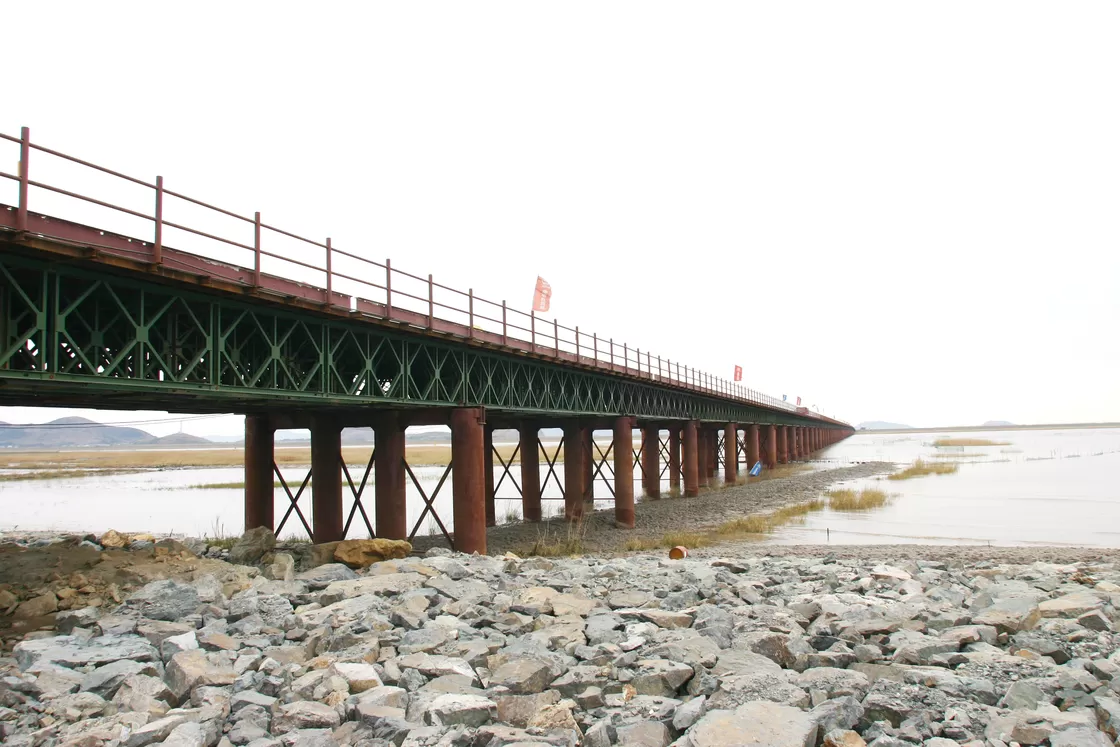
Emergency bridge trusses are typically constructed from lightweight materials such as steel, aluminum, and composite materials. These materials are chosen for their strength-to-weight ratio, which allows for easy transport and rapid assembly while ensuring the structure can support heavy loads.
The deployment time for an emergency bridge truss can vary depending on the specific design and site conditions, but it generally takes a few hours to a couple of days. Prefabricated components allow for quick assembly, which is crucial in emergency situations where time is of the essence.
Yes, emergency bridge trusses can be effectively used in urban environments. They are designed to adapt to various settings, including busy city streets, where they can provide temporary crossings while permanent infrastructure is being repaired or constructed.
Safety considerations include ensuring that the truss design meets local engineering standards, assessing load capacity for expected traffic, and conducting site evaluations to identify environmental risks. Regular monitoring and maintenance during use are also essential to ensure structural integrity.
Emergency bridge trusses play a critical role in disaster recovery by restoring transportation links quickly, enabling the movement of emergency responders, supplies, and equipment. They help facilitate rescue operations and support the delivery of essential services, ultimately aiding in the recovery of affected communities.


