

Views: 221 Author: Site Editor Publish Time: 2025-12-11 Origin: Site


Content Menu
● EVERCROSS BRIDGE: A Leader in Modular Bridge Manufacturing
● Other Notable Modular Bailey Bridge Manufacturers in Japan
>>> Company Overview
>>> Product Features
>>> Company Overview
>>> Product Features
>>> Company Overview
>>> Product Features
>>> Company Overview
>>> Product Features
>> 5. Nippon Steel Corporation
>>> Company Overview
>>> Product Features
● The Importance of Modular Bailey Bridges
>> Versatility and Adaptability
>> Environmental Considerations
● Frequently Asked and Questions regarding Modular Bailey Bridge Manufacturers
>> 1. What are the primary advantages of using modular Bailey bridges in urban construction?
>> 2. How do Japanese modular bridge manufacturers ensure seismic resilience in their designs?
>> 4. Can modular Bailey bridges be used for permanent installations?
>> 5. What role do modular bridges play in disaster response efforts?
The construction industry in Japan has seen significant advancements in modular bridge technology, particularly with the use of Bailey bridges. These structures are known for their ease of assembly, portability, and cost-effectiveness, making them ideal for various applications, including emergency response and temporary crossings. Among the leading manufacturers in this field, EVERCROSS BRIDGE stands out as a top player, known for its high-quality steel bridges and extensive collaboration with major enterprises. This article will explore the top modular Bailey bridge manufacturers in Japan, highlighting their contributions to the industry and the unique features of their products.
Founded in China, EVERCROSS BRIDGE has established itself as one of the top three manufacturers of various steel bridges, with an impressive annual production capacity exceeding 10,000 tons. The company has built a strong reputation for its commitment to quality and innovation, making it a preferred partner for large-scale projects. EVERCROSS BRIDGE employs advanced manufacturing techniques and rigorous quality control processes to ensure that each bridge meets international standards. Their focus on research and development allows them to continuously improve their products, adapting to the evolving needs of the construction industry.
EVERCROSS BRIDGE has successfully collaborated with several prominent state-owned enterprises in China, including China Communications Construction Company, China Railway Group, China Electric Power Construction Group, Gezhouba Group, and China National Offshore Oil Corporation. These partnerships have enabled the company to participate in significant railway, highway, and international government procurement projects, showcasing its capabilities in modular bridge solutions. The collaborative efforts often involve sharing expertise and resources, which enhances the overall quality and efficiency of the projects. This synergy not only benefits the companies involved but also contributes to the development of infrastructure that meets the needs of communities.
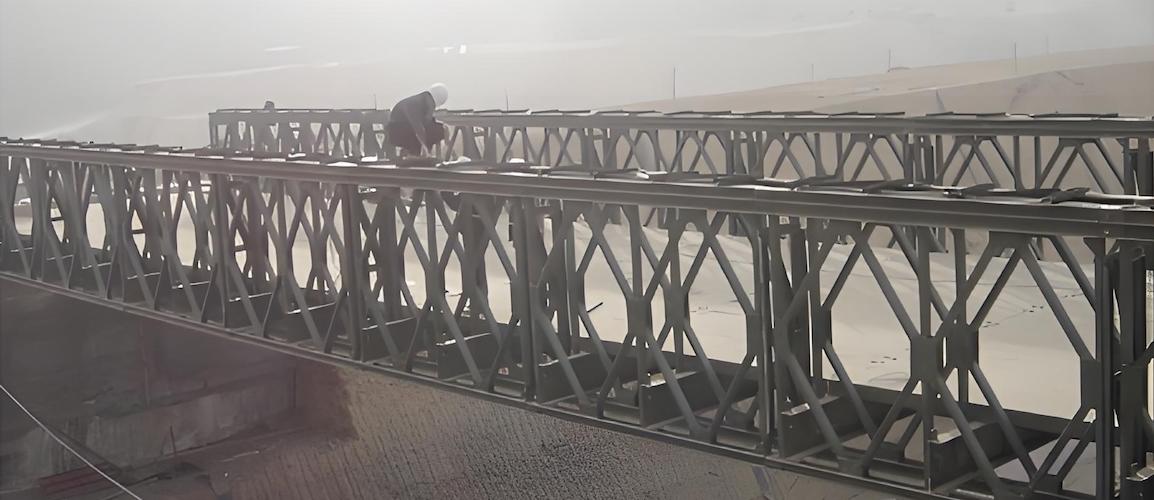
The company specializes in a range of modular Bailey bridges, which are designed for quick assembly and disassembly. These bridges are particularly useful in disaster relief scenarios, military applications, and temporary infrastructure needs. The modular design allows for flexibility in length and load capacity, catering to various project requirements. Additionally, EVERCROSS BRIDGE offers customization options, enabling clients to tailor the bridges to specific site conditions and load specifications. This adaptability is crucial in ensuring that the bridges can effectively serve their intended purpose, whether in urban settings or remote locations.
TAISEI Corporation is one of Japan's leading construction firms, known for its innovative engineering solutions. The company has a strong focus on infrastructure development, including modular bridge systems. With a history spanning over a century, TAISEI has built a reputation for delivering high-quality projects that meet the demands of modern society. Their commitment to excellence is reflected in their extensive portfolio, which includes iconic structures across Japan.
TAISEI's modular Bailey bridges are designed for rapid deployment, making them suitable for emergency situations. The company emphasizes sustainability in its manufacturing processes, ensuring that its products meet environmental standards. By utilizing eco-friendly materials and energy-efficient production methods, TAISEI aims to minimize the environmental impact of its construction activities. Their bridges are engineered to withstand harsh weather conditions, ensuring reliability and safety for users.
Obayashi Corporation is another major player in the Japanese construction industry, with a history dating back to 1892. The company is renowned for its advanced construction technologies and commitment to quality. Obayashi has been involved in numerous landmark projects, including skyscrapers, bridges, and transportation systems, showcasing its expertise in various construction disciplines.
Obayashi's modular bridges are engineered for durability and ease of installation. The company offers a variety of designs to accommodate different load requirements and site conditions, making them versatile for various applications. Their focus on innovation includes the integration of smart technologies into bridge designs, enhancing monitoring and maintenance capabilities. This proactive approach ensures that the bridges remain safe and functional throughout their lifespan.
Shimizu Corporation is a prominent construction company in Japan, recognized for its innovative approaches to building and infrastructure projects. The company has a strong portfolio in modular bridge construction, reflecting its commitment to advancing construction methodologies. Shimizu's projects often incorporate cutting-edge technology, positioning the company as a leader in the industry.
Shimizu's Bailey bridges are designed for quick assembly and disassembly, making them ideal for temporary installations. The company focuses on integrating advanced materials and technologies to enhance the performance of its bridges. Their modular systems are not only efficient but also aesthetically pleasing, allowing them to blend seamlessly into urban environments. Shimizu's dedication to research and development ensures that their products remain at the forefront of industry standards.
Kajima Corporation is one of Japan's oldest construction firms, with a legacy of excellence in engineering and construction. The company has diversified its offerings to include modular bridge solutions, reflecting its adaptability to market demands. Kajima's extensive experience in the industry allows it to tackle complex projects with confidence and expertise.
Kajima's modular bridges are known for their robust design and adaptability. The company utilizes cutting-edge technology to ensure that its bridges can withstand various environmental conditions while maintaining structural integrity. Their commitment to safety is paramount, with rigorous testing and quality assurance processes in place. Kajima also emphasizes the importance of community engagement in its projects, ensuring that local needs and concerns are addressed.
Nippon Steel Corporation is a leading steel manufacturer in Japan, providing high-quality materials for various construction applications, including modular bridges. With a strong focus on innovation, Nippon Steel continuously develops new steel products that enhance the performance and durability of construction materials.
Nippon Steel's modular Bailey bridges are constructed using advanced steel materials, ensuring strength and longevity. The company focuses on innovation in design and manufacturing processes to deliver superior products. Their bridges are designed to be lightweight yet strong, facilitating easier transportation and installation. Nippon Steel's commitment to sustainability is evident in its efforts to reduce carbon emissions during production, aligning with global environmental goals.
Modular Bailey bridges are highly versatile, allowing for quick adjustments to meet specific project needs. Their modular design enables easy transportation and assembly, making them suitable for a wide range of applications, from temporary crossings to permanent installations. This adaptability is particularly beneficial in urban environments where space and time constraints are common. The ability to customize the length and load capacity of these bridges ensures that they can effectively serve various purposes, whether for pedestrian use, vehicle traffic, or emergency access.
The use of modular bridges can significantly reduce construction costs and time. Their prefabricated components allow for rapid assembly on-site, minimizing labor costs and project timelines. This cost-effectiveness is especially important for government and municipal projects, where budget constraints are often a concern. Additionally, the reduced need for extensive foundation work and site preparation further contributes to overall savings. The long-term durability of modular bridges also means lower maintenance costs over time, making them a wise investment for infrastructure development.
In disaster-prone areas, modular Bailey bridges play a crucial role in emergency response efforts. Their quick deployment capabilities enable rapid restoration of transportation routes, facilitating aid delivery and evacuation. This is particularly vital in regions affected by natural disasters such as earthquakes, floods, or landslides, where traditional bridge construction may be impractical due to time constraints. The ability to quickly establish safe crossings can save lives and support recovery efforts, highlighting the importance of modular bridge technology in crisis situations.
Many manufacturers, including EVERCROSS BRIDGE, are increasingly focusing on sustainable practices in their production processes. This commitment to environmental responsibility ensures that modular bridges are not only efficient but also eco-friendly. The use of recyclable materials and energy-efficient manufacturing techniques helps reduce the carbon footprint associated with bridge construction. Furthermore, the design of modular bridges often minimizes land disruption, preserving natural habitats and ecosystems. As the construction industry moves towards more sustainable practices, modular Bailey bridges represent a forward-thinking solution that aligns with global environmental goals.
The modular Bailey bridge market in Japan is characterized by innovation and collaboration among leading manufacturers. EVERCROSS BRIDGE, along with other notable companies like TAISEI Corporation, Obayashi Corporation, Shimizu Corporation, Kajima Corporation, and Nippon Steel Corporation, continues to push the boundaries of modular bridge technology. As the demand for efficient and sustainable infrastructure solutions grows, these manufacturers are well-positioned to meet the challenges of the future. Their commitment to quality, innovation, and sustainability ensures that modular Bailey bridges will play a vital role in the development of resilient infrastructure in Japan and beyond.
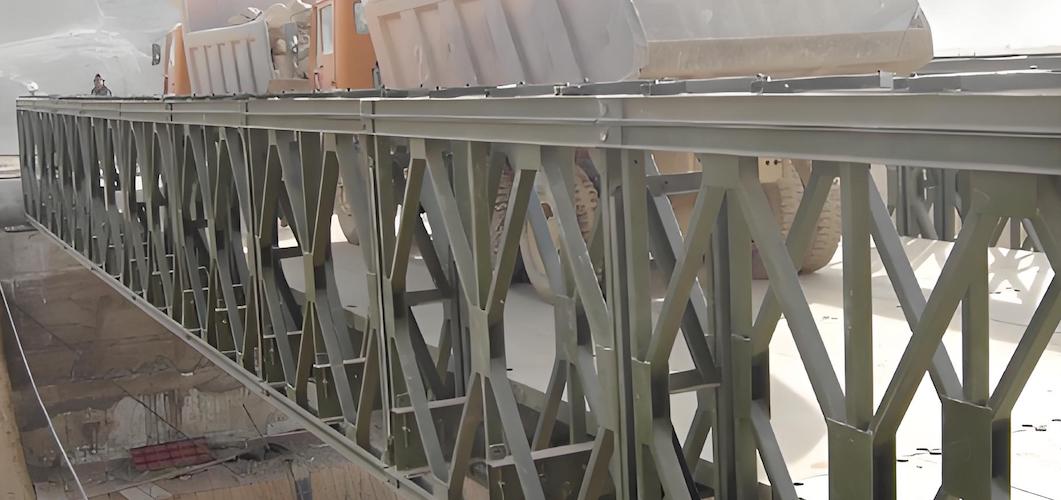
Modular Bailey bridges offer flexibility in design and quick installation, making them ideal for urban environments where space and time are limited. Their adaptability allows for various applications, from temporary crossings to permanent structures.
Japanese manufacturers incorporate advanced engineering techniques and materials that enhance the seismic performance of modular bridges. Rigorous testing and adherence to local building codes ensure that these structures can withstand earthquakes.
Innovations include the use of eco-friendly materials, energy-efficient manufacturing processes, and designs that minimize environmental impact. Manufacturers are also exploring the integration of smart technologies for monitoring and maintenance.
Yes, while they are often used for temporary applications, modular Bailey bridges can also be designed for permanent use, depending on the project requirements and site conditions.
Modular bridges are crucial in disaster response as they can be rapidly deployed to restore transportation routes, facilitating aid delivery and evacuation in affected areas. Their quick assembly capabilities make them invaluable in emergency situations.


