

Views: 221 Author: Evercross Bridge Publish Time: 2026-01-29 Origin: Evercross Bridge



Content Menu
● Understanding Cable-Stayed Bridges
>> What is a Cable-Stayed Bridge?
>> Key Components of Cable-Stayed Bridges
● The Principles of Cable-Stayed Bridge Design
>> Load Distribution Mechanism
>> Types of Cable Arrangements
>> Advantages of Cable-Stayed Bridges
● Recent Developments in Cable-Stayed Bridge Technology
>> Innovations in Design and Materials
>> Case Studies of Notable Cable-Stayed Bridges
● Practical Considerations in Cable-Stayed Bridge Construction
● Frequently Asked and Questions regarding Cable-Stayed Bridges
>> What are the primary advantages of cable-stayed bridges compared to other bridge types?
>> How do environmental factors like wind and temperature affect cable-stayed bridge design?
>> What maintenance practices are essential for ensuring the longevity of cable-stayed bridges?
>> What are the latest innovations in materials used for cable-stayed bridges?
Cable-stayed bridges, known for their elegant design and structural efficiency, are a prominent choice for spanning long distances. This article delves into the intricate construction and operational principles of cable-stayed bridges, providing insights into their design, advantages, and applications.
A cable-stayed bridge is a type of bridge where the deck is supported by cables that are directly connected to one or more towers. This design allows for a more efficient distribution of forces, making it suitable for longer spans compared to traditional beam bridges. Unlike suspension bridges, where the deck is hung from cables, cable-stayed bridges utilize a more direct connection between the deck and the towers, resulting in a stiffer structure that can better resist lateral forces such as wind and seismic activity.
● Towers (Pylons): The vertical structures that support the cables and transfer loads to the foundation. These towers are often designed to be aesthetically pleasing, contributing to the overall visual impact of the bridge. They can be constructed from various materials, including reinforced concrete and steel, and their height and shape can vary significantly based on the design requirements and environmental conditions.
● Cables: Tensioned cables that connect the deck to the towers, providing support and stability. The cables are typically made from high-strength steel, which allows them to carry substantial loads while maintaining a relatively lightweight profile. The arrangement and tension of these cables are critical to the bridge's performance, as they must be precisely calibrated to ensure even load distribution.
● Deck: The surface of the bridge where vehicles and pedestrians travel. The deck can be constructed from various materials, including concrete and steel, and is designed to withstand dynamic loads from traffic as well as static loads from the bridge's own weight. The deck's design also considers factors such as drainage, surface texture, and safety barriers.
● Foundations: The base that supports the entire structure, ensuring stability and load distribution. The foundation design is crucial, especially in areas with challenging soil conditions or seismic activity. Engineers must consider factors such as soil bearing capacity, potential settlement, and lateral forces when designing the foundation.
Cable-stayed bridges operate on the principle of tension and compression. The cables carry the load of the bridge deck and distribute it to the towers, which then transfer the load to the foundations. This system allows for a lightweight structure with minimal material usage. The design also enables the bridge to handle various load conditions, including live loads from traffic and dead loads from the structure itself. The efficient load distribution minimizes stress concentrations, enhancing the overall durability and lifespan of the bridge.
Cable-stayed bridges can be categorized based on their cable arrangements:
● Fan Configuration: Cables radiate from a single point on the tower, resembling a fan. This arrangement is often used for shorter spans and provides a visually striking appearance.
● Parallel Configuration: Cables run parallel to each other, providing uniform support. This configuration is typically used for longer spans and offers enhanced stability, as the load is distributed more evenly across the structure.
Each arrangement has its advantages and disadvantages, influencing factors such as construction complexity, aesthetic appeal, and structural performance. Engineers must carefully consider these factors when designing a cable-stayed bridge to meet specific project requirements.
● Material Efficiency: Reduced material usage compared to traditional bridges. The design allows for longer spans with less material, which can lead to cost savings and reduced environmental impact.
● Aesthetic Appeal: Sleek and modern design enhances visual impact. Cable-stayed bridges are often seen as architectural landmarks, contributing to the beauty of their surroundings.
● Versatility: Suitable for various applications, including highways and railways. Their ability to span large distances makes them ideal for crossing rivers, valleys, and urban areas where space is limited.
Recent advancements in materials, such as high-strength steel and reinforced concrete, have improved the performance and durability of cable-stayed bridges. These innovations allow for longer spans and more complex designs. Additionally, the use of advanced computer modeling and simulation techniques has enabled engineers to optimize bridge designs for specific environmental conditions and load scenarios, resulting in safer and more efficient structures.
● Russky Bridge, Russia: The longest cable-stayed span in the world, showcasing advanced engineering techniques. Completed in 2012, this bridge features a main span of 1,104 meters and serves as a vital connection between the Russky Island and the mainland.
● Sutong Yangtze River Bridge, China: A significant infrastructure project that demonstrates the capabilities of modern cable-stayed designs. With a main span of 1,088 meters, it is one of the longest cable-stayed bridges in the world and plays a crucial role in improving transportation efficiency in the region.
The construction of cable-stayed bridges involves several critical steps:
● Foundation Preparation: Ensuring a stable base to support the structure. This may involve deep foundations, such as piles or caissons, especially in areas with poor soil conditions.
● Tower Erection: Constructing the towers to the required height. This process often requires careful planning and execution to ensure the towers are vertical and properly aligned.
● Cable Installation: Tensioning the cables to achieve the desired load distribution. This step is crucial, as improper tensioning can lead to structural issues and safety concerns.
● Deck Construction: Completing the bridge deck to facilitate traffic. The deck is typically constructed in segments, with careful attention paid to alignment and connection points.
Regular maintenance is essential to ensure the longevity and safety of cable-stayed bridges. Key maintenance activities include:
● Visual Inspections: Regular checks for signs of wear or damage. Inspectors look for issues such as cable corrosion, cracks in the deck, and structural misalignments.
● Load Testing: Assessing the structural integrity under various load conditions. Load testing can help identify potential weaknesses and inform maintenance strategies.
Cable-stayed bridges represent a blend of engineering innovation and aesthetic design. As technology advances, these structures will continue to evolve, offering solutions for modern transportation challenges. The integration of smart technologies, such as sensors for real-time monitoring, will further enhance the safety and efficiency of cable-stayed bridges, ensuring they meet the demands of future infrastructure needs.
For more information on cable-stayed bridges and their applications, or to discuss your project needs, Contact Us today!
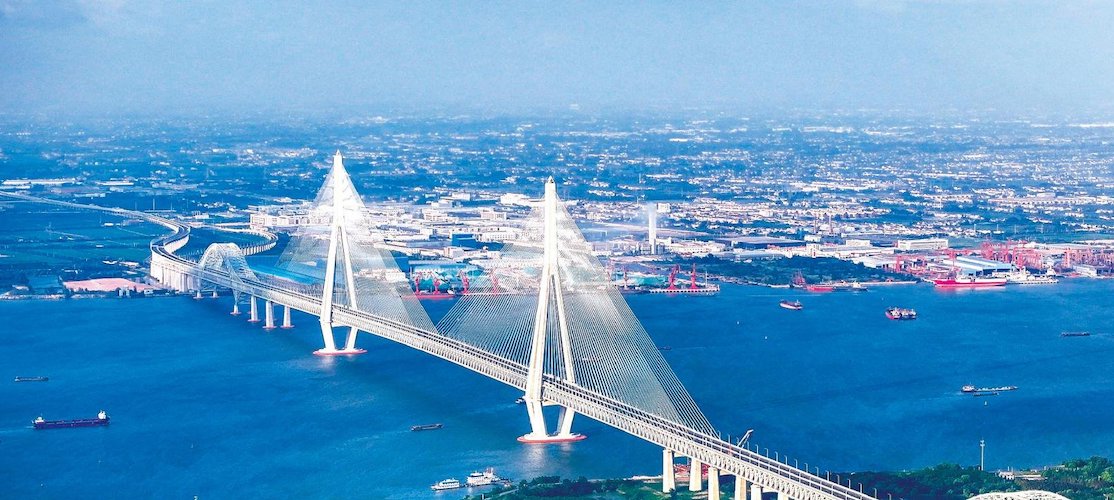
Cable-stayed bridges offer several advantages, including:
● Material Efficiency: They require less material than traditional beam bridges, making them lighter and more cost-effective.
● Aesthetic Appeal: Their sleek design enhances the visual landscape, often becoming iconic structures in their locations.
● Longer Spans: Cable-stayed bridges can span longer distances without the need for intermediate supports, making them ideal for crossing wide rivers or valleys.
● Reduced Maintenance: The design minimizes the number of components that require maintenance, particularly compared to suspension bridges.
Environmental factors play a crucial role in the design of cable-stayed bridges. Engineers must consider:
● Wind Loads: The bridge must be designed to withstand lateral forces from wind, which can cause vibrations and sway. Aerodynamic shapes and damping systems are often incorporated to mitigate these effects.
● Temperature Variations: Changes in temperature can cause expansion and contraction of materials. Designers must account for these movements to prevent structural damage, often using expansion joints and flexible connections.
● Seismic Activity: In earthquake-prone areas, additional reinforcements and flexible designs are necessary to ensure the bridge can withstand seismic forces.
Regular maintenance is vital for the longevity of cable-stayed bridges and includes:
● Routine Inspections: Regular visual inspections to identify signs of wear, corrosion, or structural issues.
● Cable Tension Monitoring: Checking the tension of cables to ensure they are within specified limits, as improper tension can lead to structural failure.
● Deck Maintenance: Regular cleaning and repair of the bridge deck to prevent deterioration from environmental exposure.
● Load Testing: Periodic load testing to assess the bridge's structural integrity under various conditions.
Recent innovations in materials for cable-stayed bridges include:
● High-Strength Steel: Advances in steel technology have led to the development of high-strength steel cables that offer greater tensile strength and durability.
● Fiber-Reinforced Polymers (FRP): These materials are lightweight, corrosion-resistant, and can be used in cable and deck construction, enhancing the bridge's lifespan.
● Self-Healing Concrete: This innovative material can repair its own cracks, reducing maintenance needs and extending the life of the bridge.
● Smart Materials: Incorporating sensors and monitoring systems into the materials allows for real-time data collection on structural health, enabling proactive maintenance and safety measures.


