

Views: 211 Author: Site Editor Publish Time: 2025-03-03 Origin: Site


Content Menu
● Understanding Emergency Bridges
>> Importance in Disaster Management
>> Foldable and Deployable Bridges
>> Collaboration with Local Authorities
● Applications of Emergency Bridges
>> Infrastructure Rehabilitation
>> 3D Printing
● Challenges and Considerations
● Frequently Asked Questions regarding Emergency Bridge
>> 1. What are the primary materials used in the construction of emergency bridges?
>> 2. How quickly can an emergency bridge be deployed?
>> 3. Who is responsible for the installation of emergency bridges during a disaster?
>> 4. Can emergency bridges be used for long-term applications?
>> 5. What role do smart technologies play in emergency bridges?
Emergency bridges are critical structures designed to provide immediate access and connectivity in situations where traditional bridges are compromised or destroyed. These temporary solutions play a vital role in disaster response, allowing for the swift movement of people, vehicles, and supplies. This article explores the various aspects of emergency bridges, including their types, construction methods, applications, and the technologies that enhance their effectiveness.
An emergency bridge is a temporary structure that is rapidly deployed to replace or supplement damaged or destroyed bridges. These bridges are essential in disaster scenarios, such as floods, earthquakes, or other emergencies, where existing infrastructure is rendered unusable. The primary purpose of an emergency bridge is to restore transportation routes quickly, ensuring that emergency services can reach affected areas and that residents can evacuate if necessary. The design of these bridges often prioritizes speed and efficiency, allowing for quick assembly and disassembly, which is crucial in time-sensitive situations.
Emergency bridges are crucial in disaster management for several reasons. They facilitate the delivery of humanitarian aid, allow for the evacuation of residents, and support the restoration of normalcy in affected communities. By providing a reliable means of transportation, emergency bridges help mitigate the impact of disasters on local populations and economies. Furthermore, these structures can significantly reduce the time it takes for recovery efforts to begin, enabling communities to access essential services and resources more rapidly. The presence of an emergency bridge can also enhance the morale of affected populations, as it symbolizes hope and the possibility of recovery.
Modular bridges are prefabricated structures that can be quickly assembled on-site. These bridges are designed for easy transport and rapid deployment, making them ideal for emergency situations. They often consist of standardized components that can be combined in various configurations to meet specific site requirements. The modular nature of these bridges allows for flexibility in design, enabling engineers to adapt to different environmental conditions and load requirements. Additionally, modular bridges can be reused in multiple locations, making them a cost-effective solution for various emergency scenarios.
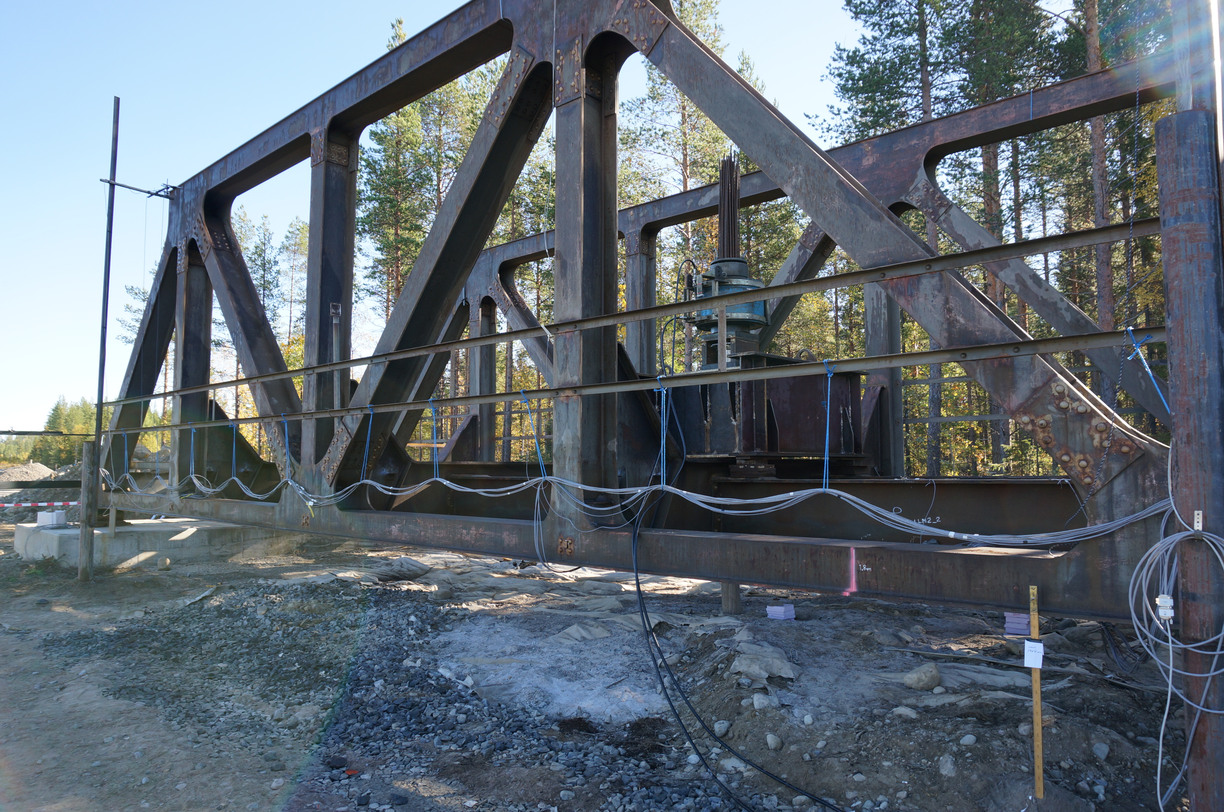
Bailey bridges are a type of modular bridge that has been widely used in military and emergency applications. They are made of steel and can be assembled without the need for heavy machinery, making them suitable for remote or disaster-stricken areas. Bailey bridges are known for their strength and versatility, allowing them to span significant distances while supporting heavy loads. Their design is based on a simple yet effective system of interlocking panels, which can be quickly assembled by a small team of workers. This ease of assembly makes Bailey bridges particularly valuable in situations where time is of the essence, such as during military operations or natural disasters.
Recent advancements in engineering have led to the development of foldable and deployable bridges. These innovative designs utilize mechanisms that allow the bridge to be compacted for transport and then expanded for use. This type of bridge is particularly useful in situations where space is limited or where rapid deployment is essential. The ability to quickly set up and dismantle these bridges makes them ideal for temporary applications, such as during emergency relief efforts or military exercises. Moreover, the compact design allows for efficient storage and transportation, reducing logistical challenges associated with deploying emergency infrastructure.
The construction of emergency bridges often involves rapid assembly techniques that minimize the time required to establish a functional structure. These techniques may include pre-assembled components, modular designs, and the use of lightweight materials that can be easily handled by a small crew. The focus on rapid assembly not only speeds up the deployment process but also ensures that the bridge can be operational as soon as possible, which is critical in emergency situations. Additionally, training local personnel in these assembly techniques can enhance community resilience and preparedness for future emergencies.
Modern emergency bridges often incorporate advanced materials such as high-strength steel and composite materials. These materials enhance the durability and load-bearing capacity of the bridges while reducing their overall weight. The use of innovative materials also allows for quicker construction and easier transport. For instance, composite materials can provide resistance to environmental factors such as corrosion and extreme weather, extending the lifespan of the bridge even in challenging conditions. The integration of advanced materials not only improves the performance of emergency bridges but also contributes to sustainability by reducing the environmental impact of construction.
Effective deployment of emergency bridges requires collaboration with local authorities and emergency response teams. This partnership ensures that the bridges are placed in optimal locations to serve the needs of the affected population. Local knowledge can also inform the design and construction process, ensuring that the bridge meets specific regional requirements. Engaging with local stakeholders fosters a sense of ownership and responsibility, which can enhance the long-term success of the emergency bridge project. Furthermore, collaboration can facilitate the integration of the bridge into existing transportation networks, ensuring seamless connectivity for users.
The primary application of emergency bridges is in disaster response. When traditional bridges are damaged or destroyed, emergency bridges provide a critical lifeline for rescue operations and the delivery of essential supplies. They enable emergency services to reach isolated communities and facilitate the evacuation of residents. The ability to quickly establish a functional transportation route can be the difference between life and death in disaster scenarios, making emergency bridges an indispensable tool for first responders. Additionally, these bridges can support the movement of heavy equipment and supplies, which is essential for effective disaster recovery efforts.
Emergency bridges are also used in military operations, where rapid mobility is essential. The ability to deploy a bridge quickly can be a decisive factor in military logistics, allowing troops and equipment to move across obstacles without delay. In combat situations, the swift establishment of a bridge can provide strategic advantages, enabling forces to advance or retreat as needed. Military applications often require bridges that can withstand heavy loads and harsh conditions, making the design and construction of these structures particularly challenging. The experience gained from military applications can also inform the development of emergency bridges for civilian use.
In addition to their use in emergencies, these bridges can serve as temporary solutions during infrastructure rehabilitation projects. When existing bridges are undergoing repairs or upgrades, emergency bridges can maintain traffic flow and minimize disruptions. This application is particularly important in urban areas where traffic congestion can have significant economic impacts. By providing a temporary solution, emergency bridges allow for the continued movement of goods and people, supporting local economies while permanent repairs are made. Furthermore, the use of emergency bridges in rehabilitation projects can serve as a model for future infrastructure improvements, highlighting the importance of flexibility and adaptability in design.
Recent advancements in technology have led to the integration of smart technologies in emergency bridges. These innovations include sensors that monitor structural integrity, load capacity, and environmental conditions. By providing real-time data, these technologies enhance safety and facilitate maintenance. Smart bridges can alert authorities to potential issues before they become critical, allowing for proactive maintenance and reducing the risk of failure. The integration of smart technologies also supports data collection for future infrastructure planning, enabling better decision-making and resource allocation.
3D printing technology is beginning to play a role in the construction of emergency bridges. This method allows for the rapid production of bridge components, which can be customized to meet specific needs. The use of 3D printing can significantly reduce construction time and costs. Additionally, this technology enables the creation of complex designs that may be difficult to achieve with traditional construction methods. As 3D printing continues to evolve, it has the potential to revolutionize the way emergency bridges are designed and constructed, making them more efficient and adaptable to various situations.
Drones and robotics are increasingly being utilized in the assessment and deployment of emergency bridges. Drones can quickly survey damaged areas, providing valuable data for decision-making. This aerial perspective allows for a more comprehensive understanding of the situation, enabling responders to prioritize their efforts effectively. Robotics can assist in the assembly and maintenance of bridges, further enhancing efficiency. The use of these technologies not only speeds up the deployment process but also reduces the risk to human workers in hazardous environments. As technology continues to advance, the integration of drones and robotics in emergency bridge operations is likely to become more prevalent.
Before deploying an emergency bridge, a thorough site assessment is essential. Factors such as soil stability, water levels, and existing infrastructure must be evaluated to ensure the bridge can be safely installed and used. A comprehensive site assessment helps identify potential challenges and informs the design process, ensuring that the bridge is tailored to the specific conditions of the location. Additionally, understanding the local environment can help mitigate risks associated with flooding, erosion, or other natural hazards that may impact the bridge's performance.
Emergency bridges must comply with local regulations and safety standards. This compliance ensures that the structures are safe for public use and can withstand the expected loads and environmental conditions. Navigating the regulatory landscape can be complex, particularly in emergency situations where time is of the essence. Engaging with regulatory authorities early in the planning process can help streamline approvals and facilitate a smoother deployment. Furthermore, adherence to regulations not only enhances safety but also builds public trust in the emergency response efforts.
Engaging with the local community is crucial when deploying emergency bridges. Understanding the needs and concerns of residents can help ensure that the bridge serves its intended purpose effectively. Community involvement can also foster a sense of ownership and responsibility for the bridge. By involving local stakeholders in the planning and implementation process, emergency response teams can build stronger relationships and enhance the overall effectiveness of their efforts. Additionally, community engagement can provide valuable insights into the unique challenges faced by residents, allowing for more tailored solutions.
Emergency bridges are vital components of disaster response and recovery efforts. Their ability to provide rapid access and connectivity in times of crisis makes them indispensable in mitigating the impacts of disasters. As technology continues to advance, the design and construction of emergency bridges will likely become even more efficient and effective, ensuring that communities can recover quickly and rebuild stronger than before. The ongoing development of innovative materials and construction techniques will further enhance the capabilities of emergency bridges, making them a critical asset in our infrastructure toolkit. By investing in research and development, as well as fostering collaboration among stakeholders, we can ensure that emergency bridges remain a reliable solution for future challenges.

Emergency bridges are typically constructed using materials such as high-strength steel, aluminum, and composite materials. These materials are chosen for their durability, lightweight properties, and ability to withstand harsh environmental conditions.
The deployment time for an emergency bridge can vary depending on the type and design of the bridge. Modular and Bailey bridges can often be assembled and made operational within a few hours to a couple of days, depending on site conditions and available resources.
The installation of emergency bridges is usually carried out by specialized engineering teams, often in collaboration with local authorities and emergency response organizations. These teams are trained to assess site conditions and ensure the safe and effective deployment of the bridge.
While emergency bridges are primarily designed for temporary use, some can be adapted for longer-term applications if necessary. This may involve reinforcing the structure or integrating it into existing infrastructure, depending on the specific needs of the community.
Smart technologies, such as sensors and monitoring systems, are increasingly integrated into emergency bridges to enhance safety and performance. These technologies can provide real-time data on structural integrity, load capacity, and environmental conditions, allowing for proactive maintenance and improved decision-making during emergencies.


