

Views: 188 Author: Site Editor Publish Time: 2025-04-30 Origin: Site


Content Menu
● The Evolution of Bailey Bridges
● Recent Innovations in Bailey Bridge Design
>> Computer-Aided Design (CAD) and 3D Modeling
● Construction Techniques and Assembly Processes
>> Innovative Launching Techniques
>> Improved Decking and Finishing
● Applications of Bailey Bridges
>> Military and Emergency Response
>> Civil Engineering and Infrastructure Development
>> Sustainable Infrastructure Solutions
● Future Directions in Bailey Bridge Innovations
>> Research into Lightweight, High-Strength Materials
>> Enhanced Customization Options
>> Integration of Smart Technologies
● Frequently Asked Questions regarding Bailey Bridges
>> 1. What are the primary load-bearing components in modern Bailey bridges?
>> 2. How do modern Bailey bridges address the issue of corrosion and material fatigue?
>> 3. What are some case studies showcasing innovative applications of Bailey bridges in recent years?
>> 4. What are the advantages of using Bailey bridges in urban infrastructure projects?
>> 5. How do advancements in technology impact the future of Bailey bridge construction?
Bailey bridges have long been recognized for their innovative design and modular construction, which allow for rapid deployment and versatility in various applications. Originally developed during World War II, these bridges have evolved significantly over the decades. This article explores the latest innovations in Bailey bridge design and construction, highlighting advancements that enhance their functionality, sustainability, and efficiency.
The Bailey bridge was invented by Donald Bailey in 1940 as a response to the urgent need for portable and robust bridge solutions during wartime. Its design allowed for quick assembly and disassembly, making it ideal for military operations. The original concept has laid the groundwork for numerous adaptations and improvements over the years. The bridge's ability to support heavy military vehicles while being lightweight enough for easy transport was revolutionary. This innovation not only facilitated military logistics but also set a precedent for future engineering solutions in both military and civilian contexts.
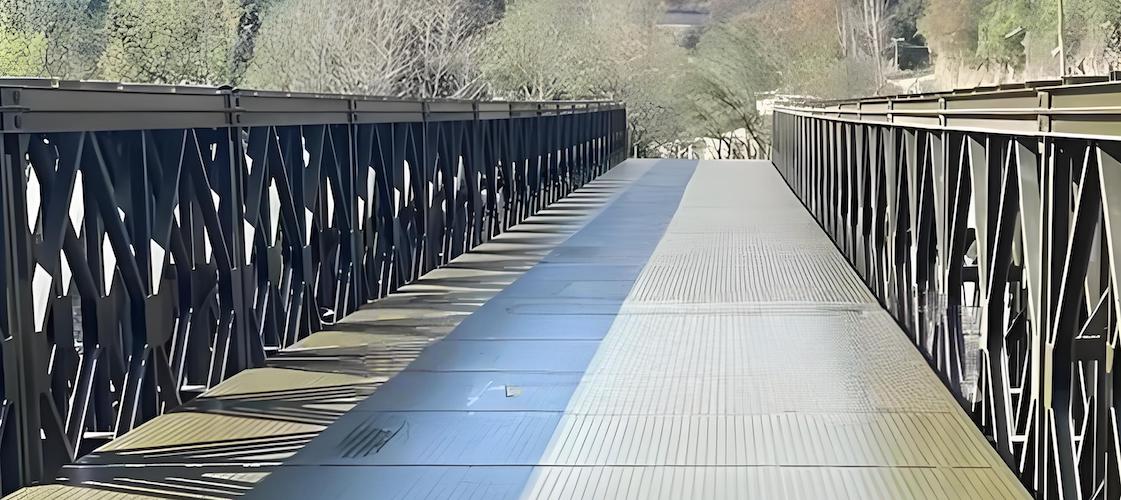
At the heart of the Bailey bridge's design are its modular components, which include prefabricated steel trusses and panels. These elements can be easily transported and assembled without the need for specialized tools or heavy machinery. This modularity not only facilitates rapid construction but also allows for the reuse of components in different locations. The design's simplicity means that even unskilled labor can assemble the bridge with minimal training, making it accessible for various applications, from emergency response to civil engineering projects. The ease of assembly and disassembly has made Bailey bridges a preferred choice in situations where time and resources are limited.
Recent advancements in modular design have made Bailey bridges even more efficient. New interlocking systems and prefabricated components streamline the construction process, enabling teams to set up bridges rapidly, especially in emergency situations. This flexibility is crucial in disaster relief scenarios where access is urgently needed. The enhanced modularity allows for various configurations, accommodating different spans and load requirements. This adaptability ensures that Bailey bridges can be tailored to meet specific site conditions, whether in urban environments or remote areas, thus broadening their applicability.
The introduction of high-strength, lightweight materials has significantly improved the performance of Bailey bridges. Modern steel alloys and composite materials enhance durability while reducing the overall weight of the bridge. This innovation not only simplifies transportation but also allows for longer spans and greater load capacities. The use of advanced materials also contributes to the longevity of the bridges, reducing maintenance costs and extending their operational lifespan. Furthermore, these materials are often designed to withstand harsh environmental conditions, ensuring that the bridges remain functional and safe over time.
Modern engineering has embraced computer-aided design (CAD) and 3D modeling technologies, revolutionizing the design process for Bailey bridges. Engineers can now simulate various performance scenarios under different loads and environmental factors, leading to optimized designs that maximize safety and efficiency. This technological approach allows for the creation of customized solutions tailored to specific site conditions, ensuring that each bridge is fit for its intended use. The ability to visualize the bridge in a virtual environment before construction begins helps identify potential issues early in the design phase, ultimately saving time and resources during actual construction.
Emerging technologies in robotics and automation are beginning to streamline the assembly process of Bailey bridges. Automated systems can assist in lifting and positioning components, further reducing construction time and labor requirements. This innovation is particularly beneficial in remote or hazardous locations where human resources may be limited. The integration of automation not only enhances efficiency but also improves safety on construction sites, as fewer workers are exposed to potentially dangerous conditions during assembly.
One of the most innovative aspects of Bailey bridge construction is the launching process. As sections are assembled, the bridge is gradually pushed across the gap using rollers, with a specially designed launching nose guiding it into place. This method minimizes the need for extensive scaffolding and allows for the construction of bridges in challenging environments. The ability to launch a bridge from one side of a gap to the other without requiring access to both sides is particularly advantageous in military and emergency scenarios, where time and access are critical.
Once the main structure is in position, workers install the decking, guardrails, and any additional reinforcements required for the specific application. Recent innovations in decking materials, such as composite and recycled materials, enhance the durability and sustainability of the bridge while providing a safe surface for vehicles and pedestrians. These materials not only improve the aesthetic appeal of the bridge but also contribute to its overall performance by reducing weight and increasing resistance to environmental wear and tear. The finishing touches, including guardrails and safety features, are designed to meet modern safety standards, ensuring that the bridges are not only functional but also secure for public use.
Bailey bridges continue to play a crucial role in military operations and emergency response scenarios. Their rapid deployment capabilities make them ideal for providing immediate access in disaster-stricken areas. The ability to quickly assemble and disassemble these structures allows for flexible logistics and support in various situations. In military contexts, Bailey bridges can be used to establish supply routes, facilitate troop movements, and provide critical infrastructure in areas where traditional bridges have been damaged or destroyed. Their versatility ensures that they can be adapted to meet the specific needs of different missions.
In civil engineering, Bailey bridges are increasingly used for temporary and permanent applications. Their modular nature allows for easy integration into existing infrastructure, making them suitable for projects ranging from road repairs to pedestrian crossings. The adaptability of Bailey bridges ensures they can meet the evolving needs of urban development. As cities grow and infrastructure demands increase, Bailey bridges provide a practical solution for expanding transportation networks without the lengthy construction times associated with traditional bridge building.
As sustainability becomes a priority in construction, Bailey bridges are being designed with eco-friendly principles in mind. Innovations include the use of recyclable materials and designs that reduce construction waste. The modular nature of Bailey bridges allows for their reuse in different locations, further promoting sustainability. These advancements not only minimize environmental impact but also align with the increasing demand for responsible infrastructure development. By incorporating sustainable practices into their design and construction, Bailey bridges contribute to a greener future while still meeting the needs of modern society.
Ongoing research into lightweight, high-strength materials could lead to even more portable and durable Bailey bridge components. Innovations in material science may result in bridges that are not only stronger but also easier to transport and assemble. The development of new materials could also enhance the environmental sustainability of Bailey bridges, as manufacturers seek to reduce their carbon footprint and improve the recyclability of bridge components.
Future iterations of Bailey bridges may incorporate even greater modularity, allowing for more diverse configurations and applications. Customization options could include adjustable spans and load capacities, enabling engineers to design bridges that meet specific project requirements more effectively. This level of customization would allow for the creation of bridges that are tailored to unique site conditions, enhancing their functionality and performance in various environments.
The integration of smart technologies into Bailey bridges is an exciting prospect for the future. Sensors and monitoring systems could provide real-time data on structural integrity, traffic loads, and environmental conditions. This information would enhance maintenance practices and ensure the longevity of the bridge. By utilizing data analytics and machine learning, engineers could predict maintenance needs and optimize the performance of Bailey bridges over time, ensuring they remain safe and effective for years to come.
Bailey bridges have undergone significant innovations since their inception, evolving to meet the demands of modern engineering and infrastructure needs. With advancements in modular design, materials, construction techniques, and sustainability practices, these bridges continue to be a vital solution for a wide range of applications. As technology progresses, the future of Bailey bridges looks promising, with potential enhancements that will further improve their functionality and adaptability in an ever-changing world. The ongoing evolution of Bailey bridges not only reflects advancements in engineering but also highlights the importance of innovative solutions in addressing the challenges of modern infrastructure development.
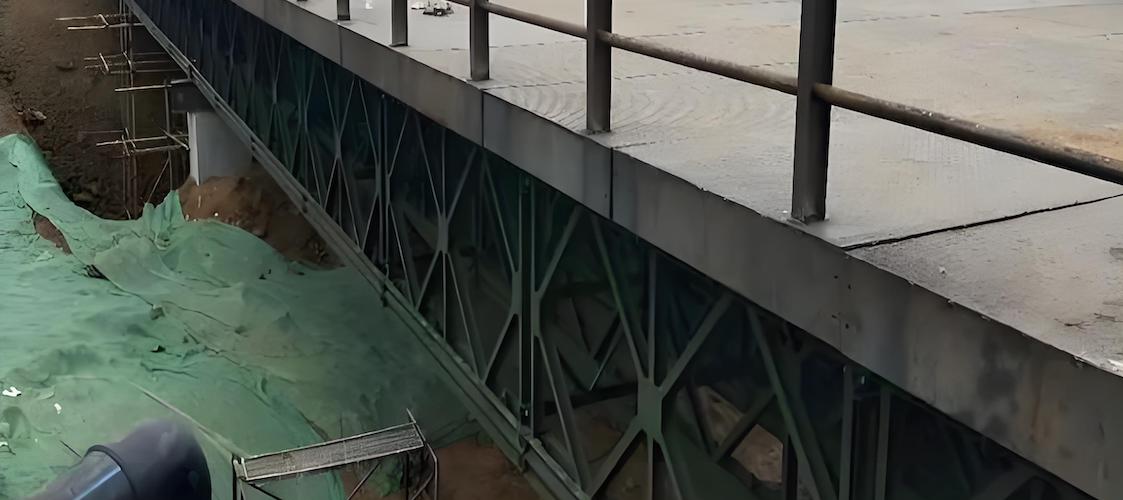
The primary load-bearing components of modern Bailey bridges include steel trusses, panels, and decking. The trusses provide structural support and distribute loads evenly, while the panels connect the trusses and form the bridge's surface. The decking serves as the roadway for vehicles and pedestrians, ensuring stability and safety.
Modern Bailey bridges are often constructed using high-strength steel alloys that are treated with protective coatings to prevent corrosion. Additionally, the use of composite materials in some components helps reduce the risk of fatigue. Regular maintenance and inspections are also implemented to identify and address any signs of wear or damage early.
Recent case studies include the use of Bailey bridges in disaster relief efforts following natural disasters, such as the 2010 Haiti earthquake, where they provided immediate access to affected areas. Another example is their application in military operations, where they have been used to establish temporary crossings in conflict zones, demonstrating their versatility and rapid deployment capabilities.
Bailey bridges offer several advantages in urban infrastructure projects, including rapid installation, minimal disruption to existing traffic, and the ability to support heavy loads. Their modular design allows for easy integration into various environments, making them suitable for temporary or permanent applications in urban settings.
Advancements in technology, such as the use of 3D modeling and computer-aided design (CAD), enhance the precision and efficiency of Bailey bridge construction. Additionally, the integration of smart technologies, like sensors for real-time monitoring, will improve maintenance practices and extend the lifespan of these structures, ensuring they meet future infrastructure demands effectively.


