

Views: 255 Author: Site Editor Publish Time: 2025-06-03 Origin: Site


Content Menu
● Understanding Prefabricated Modular Bridges
>> What Are Prefabricated Modular Bridges?
>> Key Features of Modular Bridges
● The Advantages of Personalized Prefabricated Modular Bridges
● Applications of Personalized Prefabricated Modular Bridges
>> Transportation Infrastructure
>> Pedestrian and Bicycle Pathways
>> Emergency Response Solutions
● Case Studies of Successful Implementations
>> Bridge Brothers: A Leader in Modular Bridge Solutions
>> TrueNorth Steel: Innovating Bridge Design
● Challenges and Considerations
● The Future of Modular Bridge Construction
● Frequently Asked and Questions regarding Personalized Prefabricated Modular Bridge
>> 1. What materials are commonly used in the construction of modular bridges?
>> 2. How do modular bridges compare in lifespan to traditional bridges?
>> 3. What are the environmental impacts associated with modular bridge construction?
>> 4. Can modular bridges be designed for specific aesthetic requirements?
>> 5. What are the typical applications for modular bridges?
In recent years, the construction industry has seen a significant shift towards innovative solutions that enhance efficiency, reduce costs, and improve sustainability. One such solution is the personalized prefabricated modular bridge. This article explores the various aspects of these bridges, including their design, construction, benefits, and real-world applications.
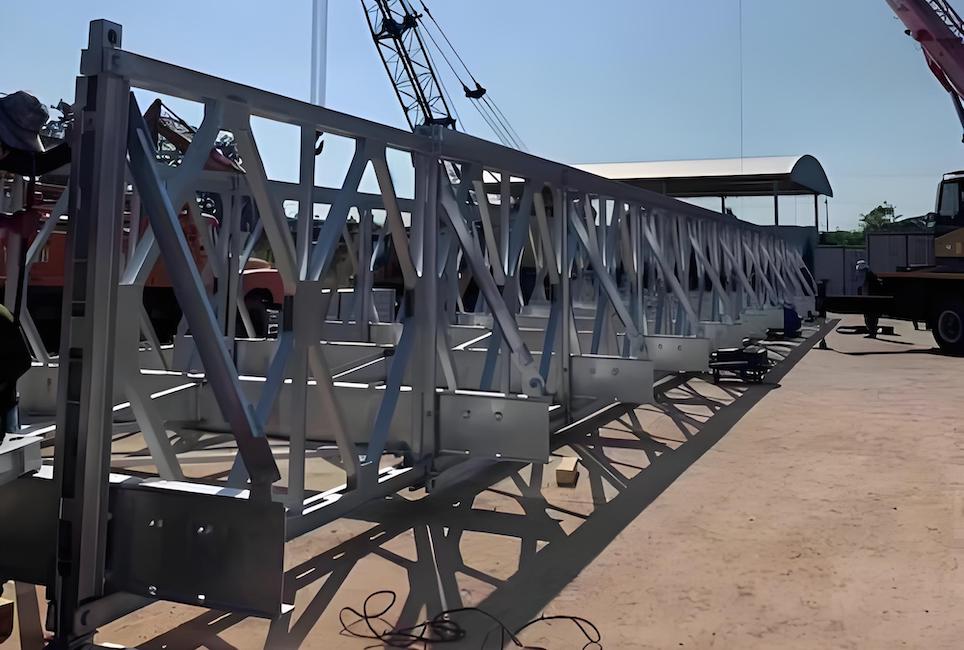
Prefabricated modular bridges are structures that are manufactured off-site in sections or modules. These modules are then transported to the construction site, where they are assembled into a complete bridge. This method contrasts with traditional bridge construction, which typically involves building the entire structure on-site. The modular approach allows for a more controlled environment during the manufacturing process, which can lead to higher quality and more consistent results. Additionally, this method can significantly reduce the overall construction timeline, making it an attractive option for many projects.
Modular bridges are characterized by their flexibility in design and construction. They can be customized to meet specific site requirements, including span length, load capacity, and aesthetic preferences. The use of prefabrication allows for quicker assembly times and reduced labor costs, making them an attractive option for many projects. Furthermore, the modular design means that components can be easily replaced or upgraded in the future, extending the lifespan of the bridge and adapting to changing needs. This adaptability is particularly beneficial in urban environments where infrastructure requirements can evolve rapidly.
One of the most significant advantages of prefabricated modular bridges is the speed at which they can be constructed. Since the modules are built in a controlled environment, weather delays are minimized. Once on-site, these bridges can often be assembled in a matter of days, significantly reducing the time required for road closures and traffic disruptions. This rapid construction is particularly beneficial in urban areas where minimizing disruption is crucial for maintaining traffic flow and public safety. Additionally, the quick installation can lead to cost savings for municipalities and contractors alike, as they can complete projects faster and move on to subsequent jobs.
The cost savings associated with modular bridges are substantial. By reducing the time spent on-site and minimizing labor costs, these bridges can be more affordable than traditional construction methods. Additionally, the use of standardized components can lead to bulk purchasing discounts, further lowering costs. The overall lifecycle cost of modular bridges can also be lower due to their durability and reduced maintenance needs. This financial efficiency makes them an appealing option for public agencies and private developers who are often working within tight budgets.
Personalization is a key feature of modular bridges. Companies like Bridge Brothers and TrueNorth Steel offer customizable designs that can be tailored to fit specific project needs. This includes variations in materials, colors, and structural configurations, allowing for a bridge that not only meets functional requirements but also enhances the surrounding environment. The ability to customize bridges also means that they can be designed to reflect local architectural styles or cultural significance, creating a sense of place and community pride. This level of personalization can transform a functional structure into a landmark that contributes positively to the local landscape.
Prefabricated modular bridges are often more sustainable than traditional bridges. The controlled manufacturing process reduces waste, and the ability to use recycled materials can further enhance their eco-friendliness. Additionally, the quick installation times mean that the environmental impact of construction is minimized. Many manufacturers are also adopting green practices in their production processes, such as using energy-efficient machinery and sourcing materials from sustainable suppliers. This commitment to sustainability not only benefits the environment but can also improve the public perception of infrastructure projects, as communities increasingly prioritize eco-friendly solutions.
Modular bridges are increasingly being used in transportation infrastructure projects. They are ideal for replacing outdated or damaged bridges, providing a quick and efficient solution to maintain traffic flow. For example, Roadrunner Bridge specializes in providing modular bridge solutions for rural and urban areas, ensuring that communities remain connected. These bridges can be designed to accommodate various types of traffic, including vehicles, bicycles, and pedestrians, making them versatile solutions for diverse transportation needs. Their adaptability allows for seamless integration into existing road networks, enhancing overall connectivity.
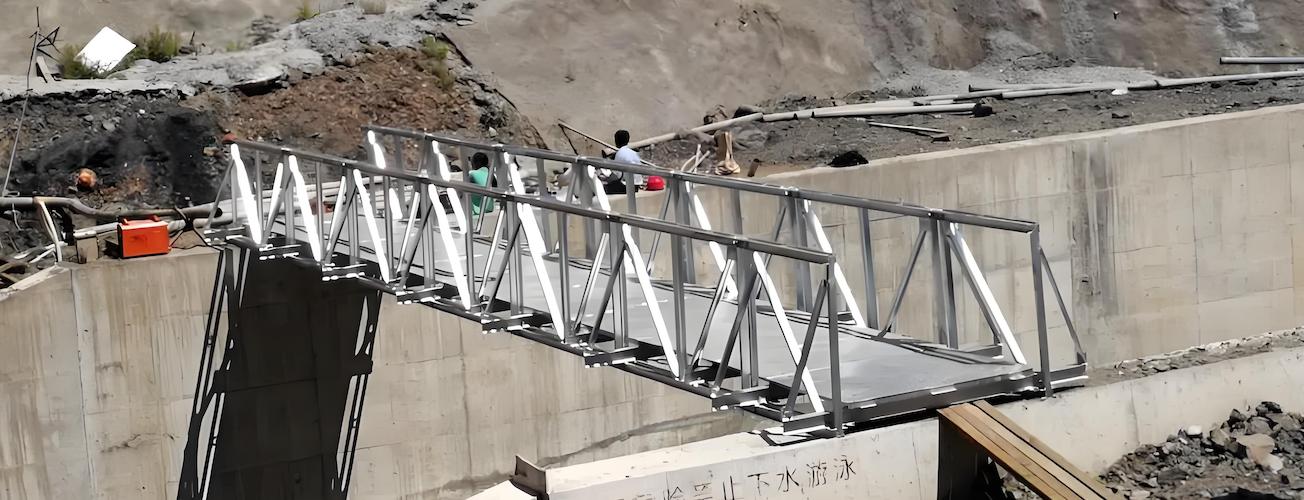
Many municipalities are turning to modular bridges to create safe pedestrian and bicycle pathways. These bridges can be designed to blend seamlessly into parks and recreational areas, promoting outdoor activities and enhancing community spaces. Companies like Contech offer custom-designed pedestrian bridges that cater to these needs. By providing safe crossings over busy roads or waterways, these bridges encourage active transportation and contribute to healthier lifestyles. Furthermore, the aesthetic appeal of these bridges can enhance the visual landscape of parks and urban areas, making them more inviting for residents and visitors alike.
In emergency situations, such as natural disasters, the need for quick and reliable infrastructure becomes critical. Modular bridges can be rapidly deployed to restore access in affected areas. Their lightweight design and ease of transport make them ideal for emergency response teams. For instance, during floods or hurricanes, modular bridges can be installed quickly to provide temporary access routes, ensuring that emergency services can reach those in need. This capability not only saves lives but also aids in the recovery process, allowing communities to rebuild more effectively.
Bridge Brothers has established itself as a leader in the modular bridge market. Their projects range from small pedestrian bridges to large vehicular structures. By focusing on customer needs and providing personalized service, they have successfully completed numerous projects that enhance local infrastructure. Their commitment to quality and innovation has resulted in bridges that not only meet engineering standards but also exceed client expectations. This dedication to excellence has earned them a reputation as a trusted partner in bridge construction, leading to repeat business and referrals.
TrueNorth Steel is another prominent player in the prefabricated bridge industry. Their commitment to quality and innovation has led to the development of bridges that not only meet but exceed industry standards. Their modular designs are particularly noted for their durability and aesthetic appeal. TrueNorth Steel's focus on research and development has allowed them to incorporate the latest materials and technologies into their bridge designs, ensuring that they remain at the forefront of the industry. This proactive approach to innovation positions them well for future challenges and opportunities in the evolving landscape of infrastructure development.
While modular bridges offer many advantages, they must still comply with local and national regulations. This can sometimes complicate the design and approval process. It is essential for manufacturers and contractors to work closely with regulatory bodies to ensure that all requirements are met. Navigating the regulatory landscape can be time-consuming, but it is crucial for ensuring the safety and longevity of the bridge. Engaging with local authorities early in the design process can help streamline approvals and avoid potential delays during construction.
Transporting large modular sections can pose logistical challenges. Companies must carefully plan the transportation of these components to avoid delays and ensure that they arrive at the construction site in good condition. This requires coordination with local authorities and transportation agencies. Additionally, the size and weight of the modules may necessitate special permits or equipment for transport. Effective logistics planning is essential to minimize disruptions and ensure that the project stays on schedule.
As technology continues to evolve, the future of modular bridge construction looks promising. Innovations in materials, design software, and construction techniques are likely to enhance the capabilities of prefabricated bridges. For instance, the use of 3D printing technology could allow for even more complex and customized designs. Additionally, advancements in materials science may lead to the development of lighter, stronger materials that can further improve the performance and sustainability of modular bridges. These technological advancements will enable engineers and architects to push the boundaries of what is possible in bridge design.
With the growing recognition of the benefits of modular bridges, it is expected that their adoption will increase across various sectors. Governments and private entities are likely to invest more in these solutions as they seek to modernize infrastructure and improve public safety. As more successful projects are completed, the case for modular bridges will continue to strengthen, leading to broader acceptance and implementation. This trend will not only enhance infrastructure resilience but also contribute to economic growth by creating jobs and stimulating local economies.
Personalized prefabricated modular bridges represent a significant advancement in construction technology. Their speed, cost-effectiveness, and customization options make them an attractive choice for a wide range of applications. As the industry continues to innovate, these bridges will play an increasingly vital role in shaping the future of infrastructure development. By embracing this technology, communities can enhance connectivity, promote sustainability, and ensure that their infrastructure meets the demands of the modern world. The ongoing evolution of modular bridge construction promises to deliver even greater benefits in the years to come, making it a key area of focus for engineers, architects, and policymakers alike.
Common materials for modular bridges include steel, aluminum, and reinforced concrete. Steel is often used for its strength and durability, while aluminum is favored for its lightweight properties. Reinforced concrete is also popular for its robustness and ability to withstand heavy loads.
Modular bridges can have a lifespan comparable to traditional bridges, often lasting 50 years or more with proper maintenance. Their durability is enhanced by the use of high-quality materials and controlled manufacturing processes, which can reduce wear and tear over time.
The environmental impacts of modular bridge construction are generally lower than traditional methods. The prefabrication process reduces waste, and many manufacturers use recycled materials. Additionally, the quick installation minimizes disruption to the surrounding environment, preserving local ecosystems.
Yes, modular bridges can be customized to meet specific aesthetic requirements. Manufacturers often offer a variety of design options, including different colors, materials, and architectural styles, allowing the bridge to blend seamlessly with its surroundings or reflect local cultural elements.
Modular bridges are used in various applications, including transportation infrastructure, pedestrian and bicycle pathways, emergency response solutions, and temporary access routes in construction sites. Their versatility makes them suitable for both urban and rural settings.


