

Views: 221 Author: Site Editor Publish Time: 2025-04-07 Origin: Site


Content Menu
● Understanding Modular Bridge Designs
>> What is Modular Bridge Construction?
>> Key Features of Modular Bridges
● Benefits of Modular Designs in Emergency Situations
>> Flexibility and Adaptability
>> Sustainability Considerations
● Case Studies of Modular Bridges in Emergency Situations
● Future Trends in Modular Bridge Construction
>> Integration of Smart Technologies
● Frequently Asked Questions regarding Emergency Bridge
>> 1. What are the primary advantages of using modular designs for emergency bridges?
>> 2. How do modular bridges compare to traditional bridges in terms of construction time?
>> 3. Can modular bridges be used in various environmental conditions?
>> 4. What role does prefabrication play in the safety of modular bridges?
>> 5. Are modular bridges a sustainable option for infrastructure development?
In the realm of civil engineering, the need for rapid and effective solutions during emergencies has led to the evolution of modular bridge designs. These structures are not only innovative but also essential in providing immediate access and connectivity in disaster-stricken areas. This article explores the various benefits of modular designs in emergency bridge construction, highlighting their efficiency, adaptability, and sustainability.
Modular bridge construction involves prefabricating bridge components in a factory setting, which are then transported to the construction site for quick assembly. This method contrasts sharply with traditional bridge construction, which often requires extensive on-site work and longer timelines. Modular bridges can be designed for temporary or permanent use, making them versatile solutions for various scenarios. The modular approach allows engineers to create bridges that can be tailored to specific needs, whether for pedestrian use, vehicle traffic, or even heavy loads, depending on the context of the emergency.
Modular bridges typically consist of standardized components that can be easily assembled and disassembled. These features include:
Prefabricated Elements: Components such as beams, decks, and trusses are manufactured off-site, ensuring high quality and precision. This controlled environment minimizes the risk of defects and allows for rigorous testing before the components are shipped to the site.
Quick Assembly: The design allows for rapid installation, often within hours or days, significantly reducing downtime. This speed is crucial in emergencies where every moment counts, enabling communities to regain access to essential services and resources.
Transportability: Modular components can be easily transported to remote or disaster-affected areas, making them ideal for emergency situations. Their lightweight nature and compact design facilitate logistics, allowing for deployment in locations that may be difficult to reach with traditional construction equipment.
One of the most significant advantages of modular bridge designs is their speed of deployment. In emergencies, such as natural disasters, the ability to quickly restore access is crucial. Modular bridges can be assembled rapidly, allowing emergency services to reach affected areas without delay. This quick response can be vital for delivering aid, evacuating residents, and restoring normalcy. The ability to set up a bridge in a matter of hours can mean the difference between life and death in critical situations, as it enables the swift movement of emergency personnel and supplies.
Modular bridges can also be more cost-effective than traditional construction methods. The prefabrication process reduces labor costs and minimizes material waste. Additionally, the speed of installation means that the overall project timeline is shortened, leading to lower costs associated with prolonged construction activities. This financial efficiency is particularly important for municipalities and organizations operating under tight budgets during emergencies. By investing in modular solutions, communities can allocate resources more effectively, ensuring that funds are available for other critical recovery efforts.
Safety is a paramount concern in emergency bridge construction. Modular designs often incorporate advanced engineering techniques that enhance structural integrity. The prefabrication process allows for rigorous quality control, ensuring that each component meets safety standards before it is transported to the site. Furthermore, the quick assembly reduces the time workers spend on-site, minimizing their exposure to hazardous conditions. This focus on safety not only protects construction workers but also ensures that the bridges are reliable and secure for public use, which is essential in maintaining trust within the community during recovery efforts.
Modular bridges are inherently flexible and can be adapted to various site conditions and requirements. They can be designed to accommodate different spans, loads, and environmental factors. This adaptability is crucial in emergency situations where conditions may be unpredictable. For instance, a modular bridge can be modified to suit the specific needs of a location, whether it involves crossing a river, a damaged road, or a collapsed infrastructure. This versatility allows engineers to respond effectively to the unique challenges posed by each disaster, ensuring that the solutions implemented are both practical and effective.
In an era where sustainability is increasingly important, modular bridge designs offer several environmental benefits. The use of prefabricated components reduces construction waste, as materials are manufactured to precise specifications. Additionally, many modular bridges are designed to be reusable or recyclable, promoting a circular economy. This sustainability aspect is particularly appealing to communities looking to rebuild in an environmentally responsible manner. By choosing modular designs, communities can not only address immediate needs but also contribute to long-term environmental goals, aligning recovery efforts with broader sustainability initiatives.
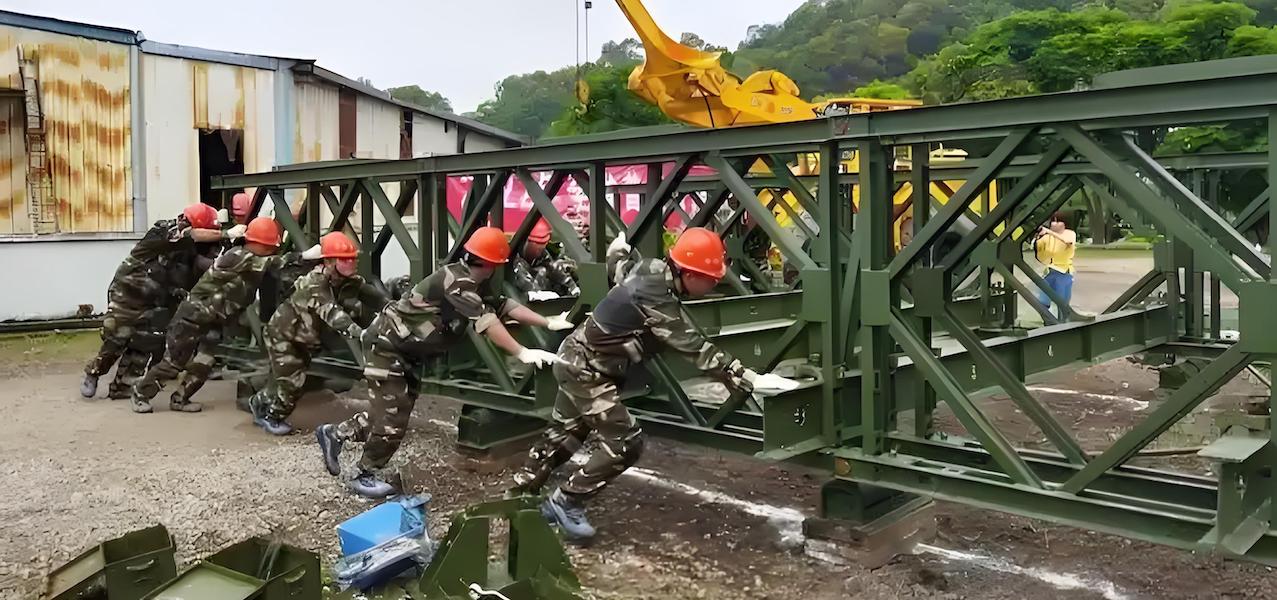
In the aftermath of hurricanes, modular bridges have been deployed to restore access to isolated communities. For example, after Hurricane Katrina, modular bridge systems were used to quickly reconnect neighborhoods and facilitate the movement of emergency services. These bridges provided a temporary solution that allowed for the rapid delivery of aid and resources. The success of these efforts demonstrated the effectiveness of modular designs in real-world scenarios, paving the way for their increased adoption in future disaster response plans.
Following significant earthquakes, modular bridges have proven invaluable in restoring transportation networks. In regions prone to seismic activity, these structures can be designed to withstand tremors, ensuring that they remain operational even in the aftermath of a disaster. Their quick installation allows for immediate access, which is critical for rescue operations and rebuilding efforts. The ability to deploy a bridge that can endure aftershocks and provide reliable access is a game-changer for communities facing the daunting task of recovery.
During flood events, traditional bridges may become impassable or damaged. Modular bridges can be rapidly deployed to replace or supplement existing infrastructure, allowing for the safe passage of vehicles and pedestrians. Their ability to be installed in challenging conditions makes them a preferred choice for flood relief operations. By providing a reliable means of transportation, modular bridges help ensure that emergency services can operate effectively, and that communities can access essential resources during and after flooding events.
The future of modular bridge construction is likely to be shaped by technological advancements. Innovations such as 3D printing and smart materials may enhance the design and functionality of modular bridges. These technologies can lead to even faster construction times and improved performance under various conditions. As engineers continue to explore new materials and construction techniques, the potential for modular bridges to evolve and meet the demands of modern infrastructure will only increase.
As infrastructure becomes increasingly interconnected, the integration of smart technologies into modular bridges is expected to grow. Sensors and monitoring systems can provide real-time data on structural integrity, traffic loads, and environmental conditions. This information can enhance safety and maintenance practices, ensuring that bridges remain reliable over time. By leveraging data analytics and IoT technologies, communities can proactively manage their infrastructure, addressing potential issues before they become critical.
Government policies and funding initiatives aimed at improving infrastructure resilience are likely to support the adoption of modular bridge designs. As communities recognize the importance of rapid response capabilities, investments in modular construction methods may become more prevalent. This shift could lead to a broader acceptance of modular bridges as a standard solution for emergency situations. By prioritizing funding for modular designs, policymakers can help ensure that communities are better prepared for future emergencies, ultimately saving lives and resources.
Modular designs offer significant benefits for emergency bridge construction, including speed, cost-effectiveness, safety, flexibility, and sustainability. As communities face increasing challenges from natural disasters and infrastructure failures, the adoption of modular bridge solutions will play a crucial role in enhancing resilience and ensuring rapid recovery. The future of modular bridge construction looks promising, with advancements in technology and growing support for innovative infrastructure solutions paving the way for more effective emergency responses. By embracing these designs, communities can not only address immediate needs but also build a more resilient and sustainable future.
The primary advantages include rapid deployment, cost-effectiveness, enhanced safety, flexibility to adapt to various conditions, and sustainability. These features allow for quick restoration of access in disaster situations, minimizing downtime and resource expenditure.
Modular bridges can be assembled in a matter of hours or days, whereas traditional bridges often require weeks or months of on-site construction. This significant reduction in construction time is crucial during emergencies when immediate access is needed.
Yes, modular bridges are designed to be adaptable to different environmental conditions. They can be engineered to withstand specific challenges such as flooding, earthquakes, or heavy traffic loads, making them suitable for diverse scenarios.
Prefabrication allows for rigorous quality control in a controlled environment, ensuring that each component meets safety standards before being transported to the site. This process reduces the risk of defects and enhances the overall structural integrity of the bridge.
Yes, modular bridges are considered sustainable because they generate less construction waste, can be reused or recycled, and often utilize eco-friendly materials. Their design promotes a circular economy, aligning with modern sustainability goals in infrastructure development.


