

Views: 221 Author: Site Editor Publish Time: 2025-04-30 Origin: Site


Content Menu
● Understanding Bailey Bridges
>> Components of a Bailey Bridge
● Environmental Considerations
>>> Disruption of Local Wildlife
>> Long-Term Environmental Effects
>>> End-of-Life Considerations
>> Environmental Management Plans
● Frequently Asked Questions regarding Bailey Bridges
>> 1. What are the best practices for minimizing soil erosion during Bailey bridge construction?
>> 2. How can the impact on aquatic life be reduced when installing a Bailey bridge over water?
>> 4. How does the choice of materials affect the environmental sustainability of Bailey bridges?
>> 5. What role does community engagement play in the installation of Bailey bridges?
Bailey bridges are a type of modular bridge that can be quickly assembled and disassembled, making them ideal for temporary or emergency situations. While their practicality and efficiency are well recognized, the environmental considerations associated with their installation are equally important. This article explores the various environmental factors that must be taken into account when installing a Bailey bridge, including site selection, material sustainability, ecological impact, and long-term effects on the environment.
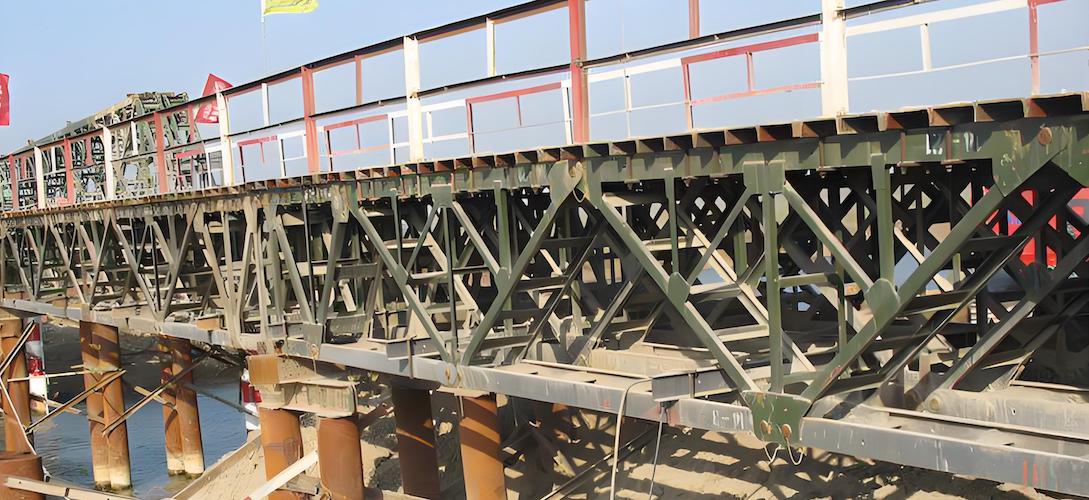
Bailey bridges are prefabricated, portable structures made from steel that can be assembled without the need for heavy machinery. Originally designed for military use during World War II, they have since found applications in civil engineering for temporary crossings, disaster relief, and even permanent installations in remote areas. Their design allows for rapid deployment, which is crucial in emergency situations where time is of the essence. The versatility of Bailey bridges makes them suitable for various applications, including pedestrian walkways, vehicle crossings, and even railway bridges, showcasing their adaptability to different engineering needs.
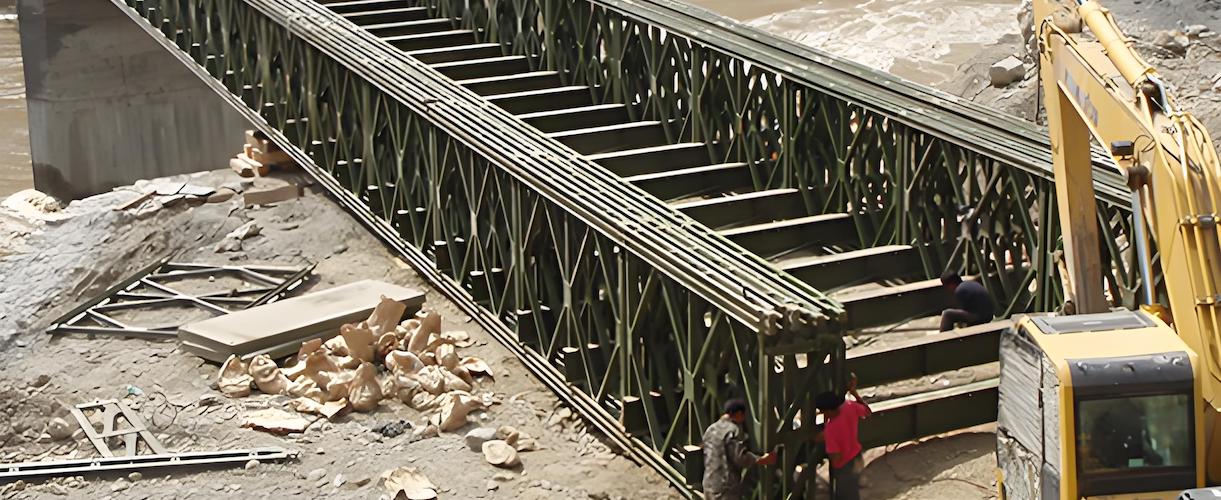
A typical Bailey bridge consists of several key components, including panels, trusses, and decking. The panels are made from high-strength steel, which provides durability and load-bearing capacity. The modular nature of these components allows for flexibility in design and the ability to adapt to various site conditions. Each component is engineered to ensure that the bridge can support significant loads while remaining lightweight enough for easy transport and assembly. This modularity not only facilitates quick installation but also allows for easy repairs and replacements, extending the bridge's lifespan and functionality.
The first step in installing a Bailey bridge is selecting an appropriate site. This involves assessing the environmental characteristics of the area, including the presence of sensitive ecosystems, wildlife habitats, and water bodies. It is essential to conduct thorough environmental impact assessments to understand how the installation may affect the local environment. These assessments often include surveys of flora and fauna, soil composition, and hydrology, providing a comprehensive overview of the potential impacts. By understanding the ecological context, engineers can make informed decisions that prioritize environmental protection.
Choosing a site that minimizes disturbance to the surrounding environment is crucial. This includes avoiding areas with significant vegetation, wetlands, or habitats for endangered species. The goal is to select a location that allows for the installation of the bridge with minimal disruption to the natural landscape. Additionally, implementing strategies such as using existing roadways for access can further reduce the environmental footprint. By carefully planning the site layout and construction methods, it is possible to preserve the integrity of the surrounding ecosystem while still achieving the project’s objectives.
The sustainability of materials used in the construction of Bailey bridges is a significant environmental consideration. Steel is the primary material used, and its production can have a substantial carbon footprint. Therefore, sourcing steel from recycled materials or manufacturers that prioritize sustainable practices can help reduce the overall environmental impact. Furthermore, exploring alternative materials, such as composite materials or sustainably sourced timber, can provide additional options that may have lower environmental costs. By prioritizing sustainable sourcing, engineers can contribute to a circular economy and reduce the demand for virgin materials.
Conducting a lifecycle assessment of the materials used in the bridge is essential. This assessment evaluates the environmental impact of the materials from extraction through production, use, and eventual disposal. By understanding the lifecycle of the materials, engineers can make informed decisions that favor sustainability. This includes considering the energy consumption during production, the potential for recycling at the end of the bridge's life, and the overall carbon emissions associated with each material choice. A thorough lifecycle assessment not only informs material selection but also helps in identifying opportunities for reducing environmental impacts throughout the bridge's lifespan.
The installation of a Bailey bridge can disrupt local wildlife, particularly if the site is near habitats or migration routes. It is important to consider the timing of the installation to avoid critical periods for wildlife, such as breeding or migration seasons. Implementing measures to mitigate disruption, such as temporary fencing or noise reduction strategies, can help protect local fauna. Additionally, conducting pre-construction surveys to identify species present in the area can inform strategies to minimize impacts. Engaging with local wildlife experts can also provide insights into best practices for protecting biodiversity during construction.
If the bridge is installed over a water body, there are additional environmental considerations related to water quality. Construction activities can lead to sedimentation, pollution, and changes in water flow. Implementing best management practices, such as silt fences and sediment traps, can help minimize these impacts and protect aquatic ecosystems. Furthermore, monitoring water quality before, during, and after construction can provide valuable data on the effectiveness of these measures. By prioritizing water quality, engineers can ensure that the installation of the bridge does not compromise the health of aquatic habitats.
The long-term environmental effects of a Bailey bridge installation are influenced by the bridge's maintenance and longevity. Regular inspections and maintenance are necessary to ensure the bridge remains safe and functional. Neglecting maintenance can lead to structural failures, which may result in environmental hazards, such as debris entering waterways. Establishing a comprehensive maintenance plan that includes routine inspections, repairs, and upgrades can help extend the bridge's lifespan while minimizing environmental risks. Additionally, using durable materials and construction techniques can reduce the frequency of maintenance required, further mitigating environmental impacts.
At the end of its useful life, a Bailey bridge must be dismantled and disposed of properly. The environmental impact of this process should be considered, including the recycling of materials and the restoration of the site. Planning for the end-of-life phase during the initial design and installation can help minimize negative environmental effects. This includes identifying recycling facilities for steel and other materials, as well as developing a site restoration plan that aims to return the area to its natural state. By proactively addressing end-of-life considerations, engineers can ensure that the bridge's impact on the environment is minimized throughout its entire lifecycle.
Developing an environmental management plan is essential for addressing the potential impacts of Bailey bridge installation. This plan should outline strategies for minimizing disturbance, protecting wildlife, and managing water quality. It should also include monitoring protocols to assess the effectiveness of the implemented measures. By establishing clear guidelines and responsibilities, the environmental management plan can help ensure that all stakeholders are aware of their roles in protecting the environment during the installation process.
Engaging with the local community is an important aspect of the installation process. Community members can provide valuable insights into local environmental concerns and may have suggestions for minimizing impacts. Involving the community in the planning process can foster goodwill and support for the project. Hosting public meetings and workshops can facilitate open dialogue, allowing community members to voice their concerns and contribute to the decision-making process. By building strong relationships with the community, engineers can enhance the project's acceptance and success.
Utilizing innovative technologies can enhance the sustainability of Bailey bridge installations. For example, employing drones for site surveys can reduce the need for heavy machinery, minimizing soil disturbance. Additionally, using advanced materials that are lighter and more durable can reduce the environmental footprint of the bridge. Incorporating smart technologies, such as sensors for monitoring structural health, can also improve maintenance practices and extend the bridge's lifespan. By embracing innovation, engineers can develop more sustainable solutions that align with environmental goals.
The installation of a Bailey bridge presents various environmental considerations that must be carefully evaluated. From site selection and material sustainability to ecological impacts and long-term effects, each aspect plays a crucial role in ensuring that the installation is environmentally responsible. By implementing effective mitigation strategies and engaging with the community, engineers can minimize the environmental footprint of Bailey bridges while still providing essential infrastructure. As the demand for rapid and efficient bridge solutions continues to grow, prioritizing environmental considerations will be key to achieving sustainable development in civil engineering. By fostering a culture of environmental stewardship, the engineering community can contribute to a more sustainable future for infrastructure development.
To minimize soil erosion during the construction of a Bailey bridge, it is essential to implement practices such as installing silt fences to capture sediment, using erosion control blankets on disturbed soil, and scheduling construction during dry seasons to reduce runoff. Additionally, maintaining vegetation around the construction site can help stabilize the soil and prevent erosion.
To reduce the impact on aquatic life, construction activities should be timed to avoid critical periods such as spawning seasons. Implementing measures like using turbidity curtains to contain sediment and ensuring that construction materials are non-toxic can help protect aquatic ecosystems. Conducting pre-construction surveys to identify sensitive species and habitats can also inform mitigation strategies.
Long-term monitoring strategies may include regular inspections of the bridge and surrounding environment to assess structural integrity and ecological health. Water quality testing should be conducted periodically to monitor for pollutants. Additionally, tracking wildlife populations and vegetation growth in the area can provide insights into the ecological impact of the bridge over time.
The choice of materials significantly impacts the environmental sustainability of Bailey bridges. Using recycled steel reduces the carbon footprint associated with new steel production. Additionally, selecting materials that are durable and require less maintenance can minimize resource use over the bridge's lifespan. Sustainable sourcing practices, such as choosing local materials, can also reduce transportation emissions.
Community engagement is crucial in the installation of Bailey bridges as it fosters transparency and builds trust between project developers and local residents. Involving the community in the planning process allows for the identification of local environmental concerns and preferences. Public meetings and feedback sessions can help ensure that the project aligns with community values and needs, ultimately leading to greater support and successful implementation.


