

Views: 221 Author: Evercross Bridge Publish Time: 2026-03-20 Origin: Evercross Bridge


Content Menu
● 1. Deep Dive: The Core Steel Decking Types
>> Flat Steel Plates & Checkered Plates
>> Profiled (Ribbed) Steel Sheets
>> Steel Grating (Bar Grating)
● 2. Comparative Analysis: Engineering Your Best Choice
● 3. Expert Insights: Maximizing Bridge Longevity
>> The Power of Hot-Dip Galvanizing
>> Accelerated Bridge Construction (ABC)
>> Modular Design for Reusability
● Commitment to Engineering Excellence
● FAQ
In the demanding field of industrial infrastructure, Steel Temporary Bridges act as the critical lifelines that ensure operational continuity, site safety, and logistical efficiency. Whether you are spearheading a remote construction project, facilitating highway expansion, or deploying an emergency access solution, the structural integrity of your bridge platform is paramount. At Evercross Bridge, we recognize that the deck—the component supporting vehicles, heavy machinery, and personnel—is where engineering performance truly meets the test.
Choosing the wrong decking material is not merely a matter of inconvenience; it can lead to project delays, ballooning maintenance expenditures, and significant safety risks. As a leading manufacturer of steel bridges, we have amassed decades of practical experience—experience we have distilled to help you understand the various steel decking solutions that are indispensable to modern temporary bridges.
Understanding the structural mechanics and practical utility of different steel deck options is the first step in successful bridge design.
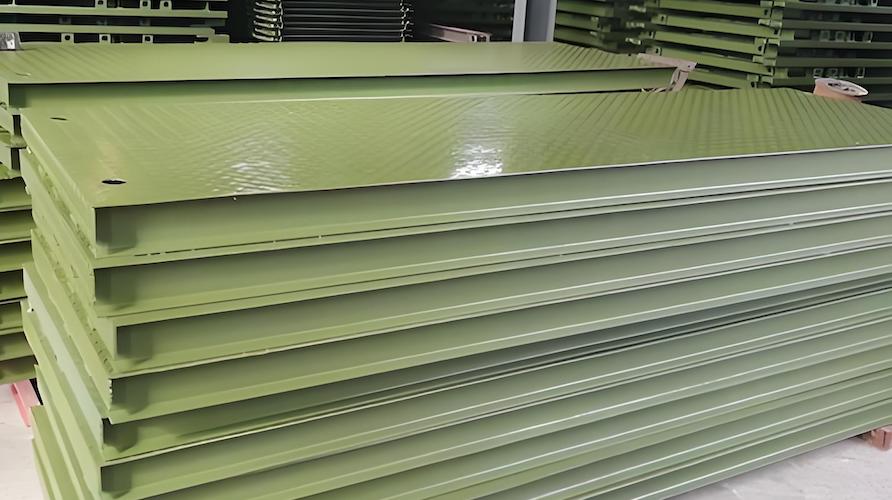
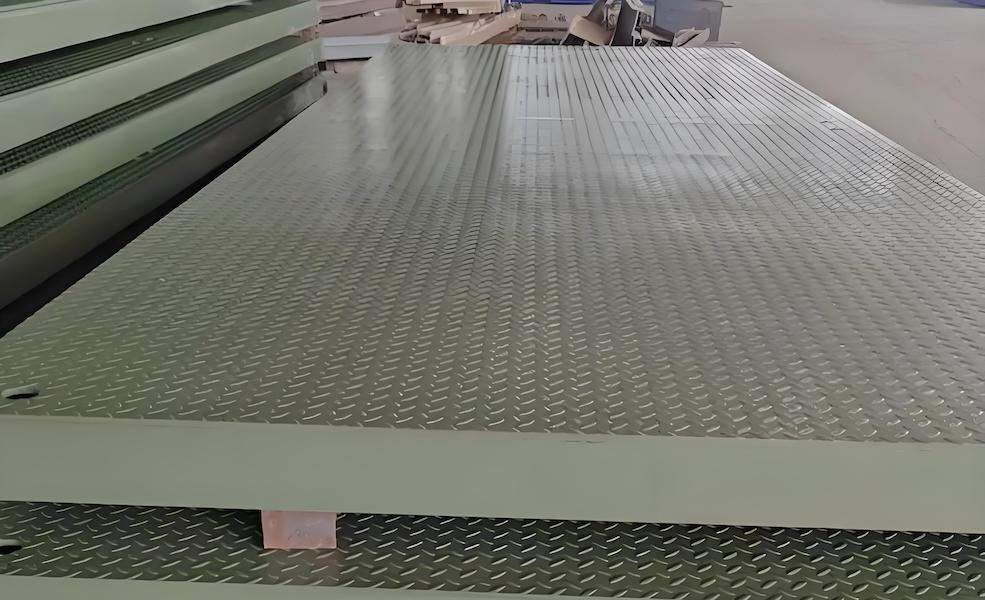
These represent the most robust foundation for bridge decking. Flat steel plates offer a solid, uninterrupted surface, whereas checkered (floor) plates feature an engineered embossed pattern—usually diamond or teardrop shaped—to maximize grip.
* Engineering Advantage: These plates provide exceptional load-bearing capacity, making them the primary choice for heavy-duty vehicular traffic and site equipment crossings.
* Safety Engineering: In environments prone to rain, snow, or oil spills, the high-friction surface of checkered plates is non-negotiable for preventing accidents.
* Operational Tip: For heavy-duty platforms, we recommend integrating additional reinforcement (such as welding stiffening ribs) to the underside of the plates to prevent deflection under concentrated wheel loads.
Profiled steel sheets are produced through precise roll-forming, creating structural ribs that maximize the stiffness-to-weight ratio.
Structural Efficiency: These sheets are engineered to provide maximum strength while minimizing the dead load of the bridge, which simplifies logistics, shipping, and rapid installation.
Composite Potential: They are exceptionally effective as permanent formwork for concrete-filled decks. By pouring concrete over the profiled sheet, you create a composite system that combines the installation speed of steel with the durability and smooth ride quality of a concrete road surface.
Application: Ideal for medium-to-heavy industrial platforms where maintaining a low profile or lightweight structure is critical.
Unlike solid surfaces, steel grating is an open-construction flooring system, typically welded from interconnected metal bars.
Drainage & Safety: In outdoor environments, grating is a superior choice. It allows water, snow, and debris to pass through instantly, eliminating slip hazards and preventing the structural corrosion caused by standing moisture.
Visibility & Maintenance: The open structure provides a clear view of utilities, sub-structure components, and the terrain below, which is essential for inspection walkways and bridge maintenance platforms.
Operator Comfort: The open design helps reduce wind resistance on elevated structures and provides a clearer field of vision, which significantly enhances the safety and efficiency of onsite operators.
Selection requires balancing structural capacity against environmental demands and site-specific needs.
Feature | Solid/Checkered Plate | Profiled Steel Sheet | Steel Grating |
Load Capacity | Extremely High | High (Composite) | Moderate to High |
Drainage | None (Requires slope) | None | Excellent |
Anti-Slip | High (Checkered only) | Low | Naturally High |
Dead Load | Heavy | Light | Very Light |
Typical Use | Heavy Vehicles/Haulage | Composite/Formwork | Walkways/Inspection |
Beyond selecting the material, professional execution in design and maintenance determines the bridge's true ROI.
For bridges exposed to harsh or variable environmental conditions, corrosion is the primary enemy. Hot-dip galvanizing is the industry-standard protective treatment. It creates a robust, self-healing zinc coating that can extend the service life of your steel components by 25+ years. This vastly reduces your long-term cost of ownership (TCO) compared to standard painting, which is susceptible to scratching and frequent oxidation.
Speed is often the priority in temporary infrastructure. Using profiled steel decking as stay-in-place formwork is a proven method for Accelerated Bridge Construction (ABC). The steel deck provides an immediate working platform and supports the wet concrete during casting; once cured, the steel and concrete act as a single, high-strength structural unit. This technique significantly shortens project timelines compared to traditional site-cast concrete formwork.
Modern infrastructure projects demand modularity. By prioritizing pre-engineered, standardized, galvanized steel components, your temporary bridge becomes a reusable asset. Evercross Bridge's modular design philosophy ensures that bridge spans can be quickly disassembled, transported, and reconfigured to fit entirely different site geometries, maximizing your investment through repeated deployments.
The decking system is the foundation of your temporary bridge's performance. Whether your specific project requirements demand the rugged load-bearing strength of checkered plates, the lightweight efficiency of profiled sheets, or the unparalleled drainage and visibility of steel grating, choosing engineered materials is the only way to guarantee safety and long-term project success.
At Evercross Bridge, we pride ourselves on delivering comprehensive, turn-key steel bridge solutions—from initial structural design and precision manufacturing to logistics and installation support. We are your partner in building reliable, reusable, and safe infrastructure.
Ready to start your next infrastructure project? Contact our engineering team today to receive a technical consultation for your temporary bridge requirements.
1. [Alibaba Product Insights: An In-Depth Guide to Bridge Walkway Steel Grating] [bristolcreativeindustries]
2. [Bangtu Steel Grating: Steel Grating vs Solid Steel Plate – Unlocking Long-Term Value] [co]
3. [Pushpa Steel: The Benefits of Using Steel Grating for Walkways and Flooring] [co]
4. [GQ Color Steel: Durable and Versatile Profiled Steel Sheets for Construction] [momenticmarketing]
5. [U.S. Bridge: Flooring and Deck Options] [athenaswc]
1. How do I decide between grating and solid plates for my temporary bridge?
Choose solid/checkered plates for heavy vehicle traffic. Choose grating for pedestrian walkways or areas where drainage, visibility, and debris clearance are primary safety concerns.
2. Is profiled steel decking suitable for heavy vehicle loading?
Yes, but typically as part of a composite construction (topped with concrete). Always consult with structural engineers regarding load-bearing capacity for your specific bridge span.
3. Why is hot-dip galvanizing recommended for temporary bridges?
It provides superior, long-lasting corrosion resistance. Because temporary bridges are frequently moved and stored, a durable zinc coating prevents rust, extends service life, and reduces maintenance costs.
4. Can steel bridge components be reused?
Yes. High-quality modular bridges are designed for reusability. Investing in standardized, high-quality, galvanized components allows you to disassemble your bridge after one project and quickly redeploy it to another site.
5. What is the main advantage of checkered plates over flat steel plates?
The main advantage is the anti-slip pattern. This raised texture provides critical traction, making it significantly safer for foot and vehicle traffic in wet, oily, or icy conditions.


