

Views: 221 Author: Site Editor Publish Time: 2025-03-27 Origin: Site


Content Menu
● Understanding Modular Bridges
>> Key Features of Modular Bridges
● Emergency and Disaster Relief
>> Case Studies
● Environmental Considerations
● Frequently Asked Questions regarding Modular Bridge
>> 1. What are the primary advantages of using modular bridges over traditional bridges?
>> 2. How are modular bridges typically transported to the installation site?
>> 3. In what types of emergencies are modular bridges most commonly deployed?
>> 4. Can modular bridges be used for permanent installations?
>> 5. What role do modular bridges play in military operations?
Modular bridges have emerged as a versatile solution in modern engineering, offering rapid deployment and adaptability across various scenarios. This article explores the different contexts in which modular bridges are typically utilized, highlighting their significance in emergency response, military operations, infrastructure development, and more. By examining these applications in detail, we can appreciate the transformative impact of modular bridge technology on contemporary infrastructure challenges.
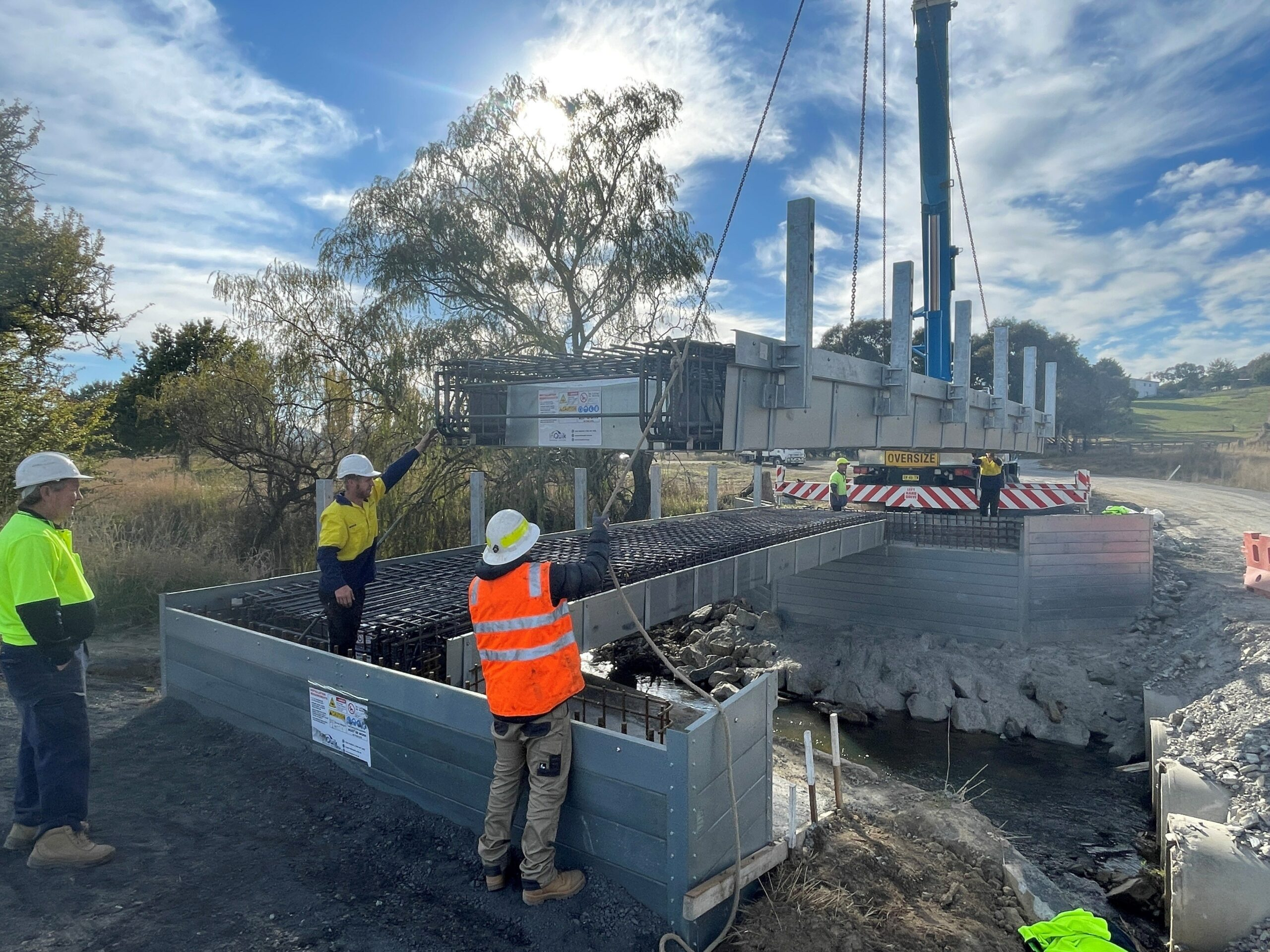
Modular bridges are prefabricated structures that can be assembled quickly and efficiently. They are designed to be transported in sections and can be erected with minimal on-site construction time. This flexibility makes them ideal for a range of applications, from temporary crossings to permanent installations. The design of modular bridges often incorporates advanced materials and engineering techniques, allowing for enhanced durability and load-bearing capacity. As a result, they can accommodate various traffic types, including pedestrian, vehicular, and even rail traffic, depending on the specific design and requirements.
Rapid Deployment: Modular bridges can be assembled and installed in a fraction of the time required for traditional bridges. This rapid deployment is crucial in scenarios where time is of the essence, such as during emergencies or military operations. The ability to quickly establish a crossing can significantly impact the effectiveness of response efforts.
Cost-Effectiveness: The prefabrication process reduces labor costs and construction time, making them a budget-friendly option. Additionally, the reduced need for extensive site preparation and the ability to use local labor can further lower overall project costs. This financial efficiency makes modular bridges an attractive option for municipalities and organizations with limited budgets.
Versatility: They can be designed for various load capacities and span lengths, accommodating different types of vehicles and traffic. This versatility allows for customization based on specific project needs, whether it be a lightweight pedestrian bridge or a robust structure capable of supporting heavy trucks.
Sustainability: Many modular bridges are constructed using recyclable materials, contributing to environmentally friendly practices. The modular construction process often results in less waste compared to traditional methods, and the ability to reuse components in future projects enhances their sustainability profile.
One of the most critical applications of modular bridges is in emergency and disaster relief situations. Natural disasters such as floods, earthquakes, and hurricanes can severely damage existing infrastructure, cutting off access to essential services. Modular bridges can be deployed rapidly to restore connectivity, allowing for:
In the aftermath of a disaster, modular bridges can provide immediate access to affected areas, enabling emergency responders to deliver aid, medical supplies, and food. Their quick installation helps to minimize the disruption caused by damaged roads and bridges. This restoration of access is vital for ensuring that communities can receive the support they need during critical times, including medical assistance and food supplies.
Modular bridges serve as temporary solutions while permanent infrastructure is being rebuilt. They can be used to replace damaged crossings, ensuring that communities remain connected during the recovery process. This temporary nature does not compromise their structural integrity; many modular bridges are designed to withstand significant loads and environmental conditions, making them reliable for extended use until permanent solutions are established.
Several case studies illustrate the effectiveness of modular bridges in disaster scenarios. For instance, after Hurricane Katrina, modular bridges were deployed in New Orleans to restore access to neighborhoods that had been cut off by flooding. These bridges not only facilitated the movement of emergency services but also allowed residents to return to their homes and begin the recovery process. Similarly, in earthquake-prone regions, these bridges have been used to quickly reconnect communities following seismic events, demonstrating their critical role in disaster response.
Modular bridges are also extensively used in military operations, where rapid deployment and mobility are crucial. They facilitate troop movements and supply deliveries across challenging terrains.
In combat zones, modular bridges can be set up to create tactical crossings over rivers, ravines, or other obstacles. Their lightweight design allows for easy transport and quick assembly, enabling military units to maintain operational momentum. This capability is essential in fast-paced military operations, where delays can have significant strategic consequences.
Military forces often use modular bridges in training exercises to simulate real-world scenarios. This helps personnel become familiar with the assembly and disassembly processes, ensuring readiness for actual deployments. Training with modular bridges also allows military engineers to refine their skills in logistics and construction, which are critical for successful operations in the field.
Historically, modular bridges have played a vital role in military campaigns. During World War II, for example, the U.S. Army utilized modular bridge systems to cross rivers and establish supply lines, demonstrating their strategic importance in warfare. The lessons learned from these historical applications continue to inform modern military engineering practices, emphasizing the need for adaptable and efficient solutions in dynamic environments.
Beyond emergency and military uses, modular bridges are increasingly being adopted for infrastructure development projects. They offer a practical solution for enhancing transportation networks in urban and rural areas.
In urban settings, modular bridges can be used to alleviate traffic congestion by providing additional crossings over rivers or highways. Their quick installation minimizes disruption to existing traffic patterns, making them an attractive option for city planners. Additionally, modular bridges can be designed to blend seamlessly with the surrounding architecture, enhancing the aesthetic appeal of urban landscapes.
In rural areas, modular bridges can connect communities that lack access to reliable transportation infrastructure. By providing safe crossings over waterways or difficult terrain, these bridges enhance economic opportunities and access to essential services such as healthcare and education. Improved connectivity can lead to increased trade and commerce, fostering economic growth in underserved regions.
While modular bridges are often viewed as temporary solutions, many are designed for long-term use. With proper maintenance, they can serve as permanent fixtures in the landscape, contributing to the overall resilience of transportation networks. This long-term viability is particularly important in areas where traditional construction methods may be impractical or too costly.
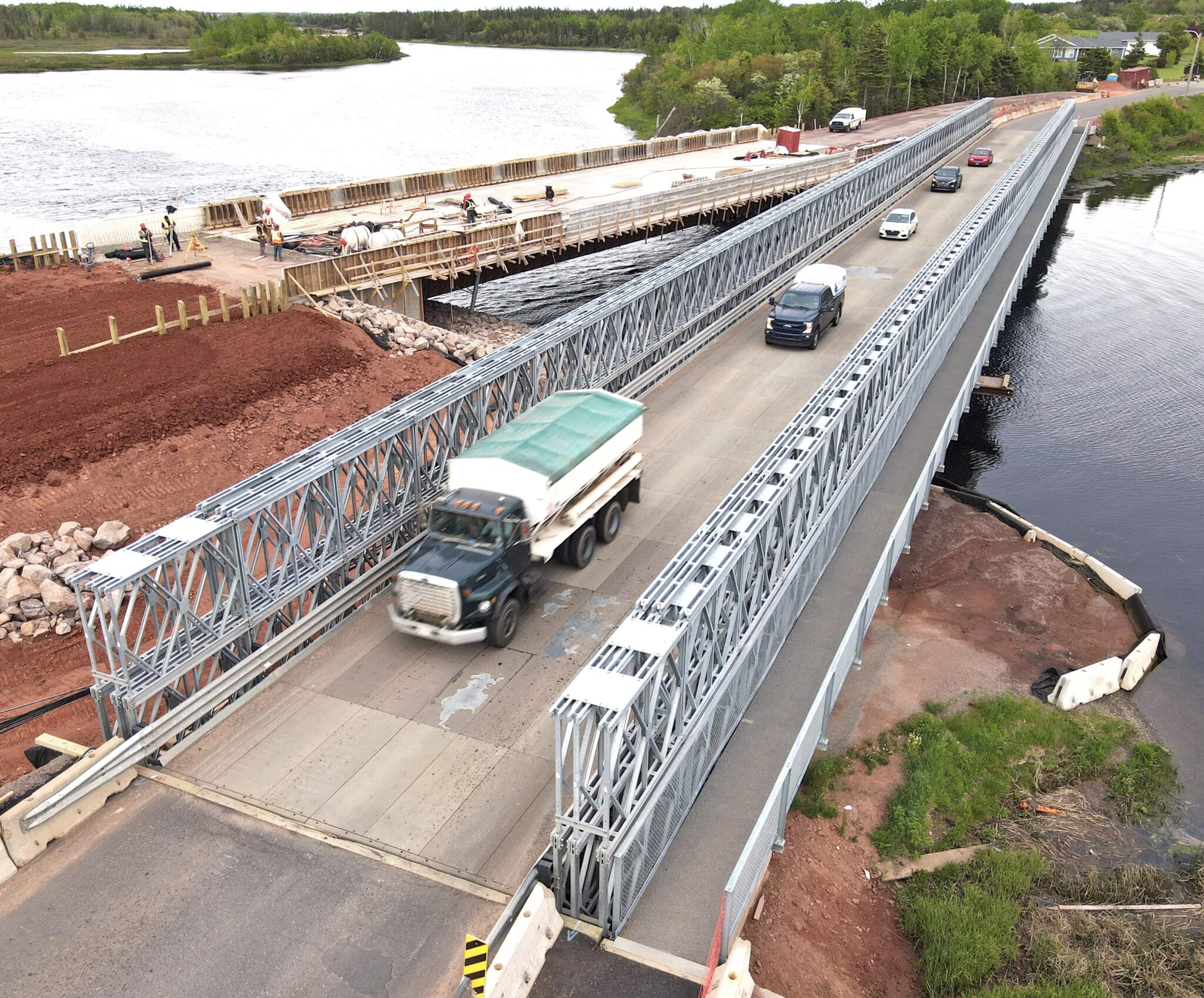
The deployment of modular bridges also aligns with environmental sustainability goals. Their construction often involves the use of recyclable materials, and their rapid installation reduces the environmental impact associated with traditional bridge construction.
As climate change leads to more frequent and severe weather events, the need for resilient infrastructure becomes increasingly important. Modular bridges can be designed to withstand extreme conditions, providing communities with reliable access even in the face of natural disasters. This resilience is crucial for ensuring that infrastructure can endure the challenges posed by a changing climate.
The use of modular bridges can also promote eco-friendly practices in construction. By reducing the amount of on-site work required, these bridges minimize soil disturbance and habitat destruction, contributing to more sustainable development practices. Furthermore, the ability to disassemble and relocate modular bridges means that they can be reused in different locations, reducing the need for new materials and further minimizing environmental impact.
Modular bridges represent a significant advancement in bridge construction, offering solutions for a wide range of scenarios. From emergency relief efforts to infrastructure development and military applications, their versatility, speed, and cost-effectiveness make them an invaluable asset in modern engineering. As communities continue to face challenges related to aging infrastructure and climate resilience, the role of modular bridges will likely expand, providing essential connections and enhancing the overall quality of life for many. The ongoing innovation in modular bridge design and construction will further solidify their place as a key component of future infrastructure solutions.
The primary advantages of modular bridges include rapid deployment, cost-effectiveness, versatility in design, and sustainability. They can be assembled quickly, reducing labor costs and construction time, and are often made from recyclable materials, making them an environmentally friendly option.
Modular bridges are prefabricated in sections at manufacturing facilities and then transported to the installation site using trucks or flatbed trailers. Their design allows for easy handling and transport, which is crucial for rapid deployment in various scenarios.
Modular bridges are most commonly deployed in emergencies such as natural disasters (e.g., floods, earthquakes, hurricanes) where existing infrastructure has been damaged. They provide immediate access for emergency responders and aid delivery, helping to restore connectivity in affected areas.
Yes, many modular bridges are designed for long-term use and can serve as permanent installations. With proper maintenance, they can withstand significant loads and environmental conditions, making them suitable for permanent applications in both urban and rural settings.
In military operations, modular bridges facilitate troop movements and supply deliveries across challenging terrains. They can be quickly assembled to create tactical crossings over obstacles, allowing military units to maintain operational momentum and respond effectively in combat situations.


