

Views: 221 Author: Site Editor Publish Time: 2025-01-16 Origin: Site


Content Menu
● Understanding Bailey Bridges
>> Key Components of a Bailey Bridge
● Environmental Factors Affecting Bailey Bridge Maintenance
>>> Snow and Ice
>> Pollution
>>> Air Quality
>>> Water Pollution
>>> Soil Stability
>>> Moisture Content
● Maintenance Strategies for Bailey Bridges
● Frequently Asked Questions regarding Bailey Bridge
>> 1. What are the primary materials used in Bailey bridges?
>> 2. How often should Bailey bridges be inspected?
>> 3. What are the signs of corrosion in Bailey bridges?
>> 4. How can vegetation affect the maintenance of Bailey bridges?
>> 5. What measures can be taken to protect Bailey bridges from extreme weather?
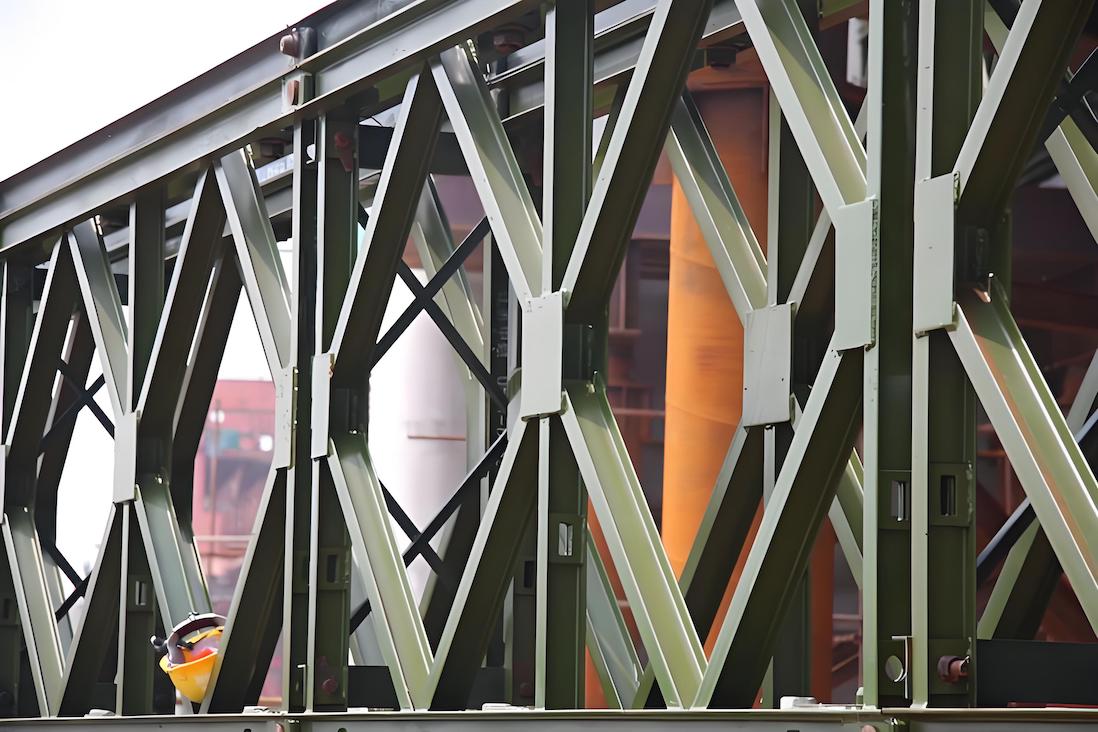
Bailey bridges, known for their modular design and rapid deployment capabilities, are widely used in various applications, from military operations to civilian infrastructure. However, their longevity and structural integrity are significantly influenced by environmental factors. This article explores how different environmental conditions affect the maintenance of Bailey bridges, focusing on aspects such as weather, pollution, soil conditions, and biological factors.
A Bailey bridge is a type of portable, pre-fabricated, truss bridge that can be assembled quickly and easily. It consists of steel panels that are bolted together to form a strong and stable structure. Originally designed during World War II for military use, Bailey bridges have become popular for temporary and permanent applications due to their versatility and ease of installation. Their design allows for rapid deployment in emergency situations, making them invaluable in disaster relief efforts and military operations where time is of the essence.
The main components of a Bailey bridge include:
Truss Panels: These are the primary structural elements that provide strength and stability. The truss design distributes loads efficiently, allowing the bridge to support heavy traffic while minimizing material use.
Decking: The surface on which vehicles and pedestrians travel. The decking must be robust enough to withstand dynamic loads and environmental wear.
Supports: These include the abutments and piers that hold the bridge in place. Properly designed supports are crucial for maintaining the bridge's alignment and stability over time.
Understanding these components is crucial for assessing how environmental factors can impact their maintenance. Each element plays a vital role in the overall performance of the bridge, and any degradation in these components can lead to significant safety concerns.
Extreme temperature variations can lead to thermal expansion and contraction of the bridge materials. This can cause stress on joints and connections, leading to potential structural failures if not monitored and maintained properly. For instance, steel expands when heated and contracts when cooled, which can create gaps or misalignments in the structure. Regular inspections during seasonal changes are essential to identify any signs of wear or damage. Additionally, the use of temperature-resistant materials and expansion joints can help mitigate these effects, ensuring the bridge remains safe and functional throughout the year.
Excessive moisture can lead to corrosion of steel components, especially if the bridge is not adequately protected with coatings or galvanization. Rain can also wash away protective materials, exposing the bridge to further deterioration. The presence of standing water can accelerate rust formation, particularly in areas where drainage is poor. Implementing effective drainage systems and regular maintenance checks can mitigate these risks. Furthermore, applying corrosion-resistant coatings and conducting routine cleaning can help prolong the life of the bridge's materials, ensuring they remain resilient against moisture-related damage.
In regions that experience heavy snowfall, the weight of accumulated snow can exceed the load capacity of a Bailey bridge. Ice can also create slippery conditions, increasing the risk of accidents. The combination of snow and ice can lead to additional stress on the bridge structure, potentially causing deformation or failure. Regular snow removal and monitoring of load limits during winter months are critical for maintaining safety. Additionally, the installation of heating systems or the use of anti-icing agents can help manage snow and ice accumulation, reducing the burden on the bridge and enhancing safety for users.
Pollutants in the air, such as sulfur dioxide and nitrogen oxides, can contribute to the corrosion of metal components. Areas with high industrial activity or heavy traffic are particularly susceptible to these effects. The chemical reactions caused by these pollutants can weaken the structural integrity of the bridge over time. Regular cleaning and protective coatings can help reduce the impact of air pollution on bridge materials. Moreover, implementing air quality monitoring systems can provide valuable data to inform maintenance schedules and prioritize interventions in areas with high pollution levels.
If a Bailey bridge spans a waterway, pollutants in the water can affect the bridge's supports and foundations. Contaminants can lead to erosion and degradation of materials, particularly in wooden or unprotected steel components. Regular inspections of submerged components are necessary to ensure structural integrity. Additionally, implementing measures to reduce runoff pollution and protect water quality can help preserve the bridge's foundation. This may include creating buffer zones or using environmentally friendly materials in nearby construction projects to minimize contamination risks.
The stability of the soil beneath a Bailey bridge is crucial for its overall safety. Soil erosion, shifting, or settling can compromise the bridge's foundation. Factors such as heavy rainfall, flooding, or seismic activity can exacerbate these issues, leading to potential structural failures. Regular geotechnical assessments can help identify potential issues and allow for timely interventions. Implementing erosion control measures, such as vegetation planting or retaining walls, can also enhance soil stability and protect the bridge's foundation from environmental degradation.
Soil moisture levels can affect its stability. Excessive moisture can lead to softening of the ground, while drought conditions can cause soil shrinkage. Both scenarios can create uneven settling, which may lead to misalignment of the bridge structure. Monitoring soil conditions and implementing appropriate drainage solutions can help maintain a stable foundation for the bridge. Additionally, using moisture-resistant materials in the bridge's construction can further enhance its resilience against fluctuating soil conditions.
Plants and trees growing near a Bailey bridge can pose risks to its structural integrity. Roots can penetrate foundations, and overhanging branches can cause damage during storms. The growth of vegetation can also obstruct drainage systems, leading to water accumulation and increased corrosion risks. Regular landscaping and maintenance of surrounding vegetation are necessary to prevent these issues. Furthermore, implementing root barriers and selecting appropriate plant species can help minimize the impact of vegetation on the bridge's structure.
Animals, such as rodents, can cause damage to bridge components by gnawing on materials or nesting in crevices. This can lead to structural weaknesses and increased maintenance needs. Implementing measures to deter wildlife and regular inspections can help mitigate these risks. Additionally, creating wildlife corridors or using animal-proof materials can reduce the likelihood of wildlife interference, ensuring the bridge remains safe and functional.
Regular inspections are vital for identifying potential issues before they escalate. Inspections should focus on:
Structural integrity of truss panels and decking
Condition of protective coatings
Signs of corrosion or wear
Stability of supports and foundations
By conducting thorough inspections, maintenance teams can detect early signs of deterioration and address them promptly, preventing costly repairs and ensuring the safety of bridge users.
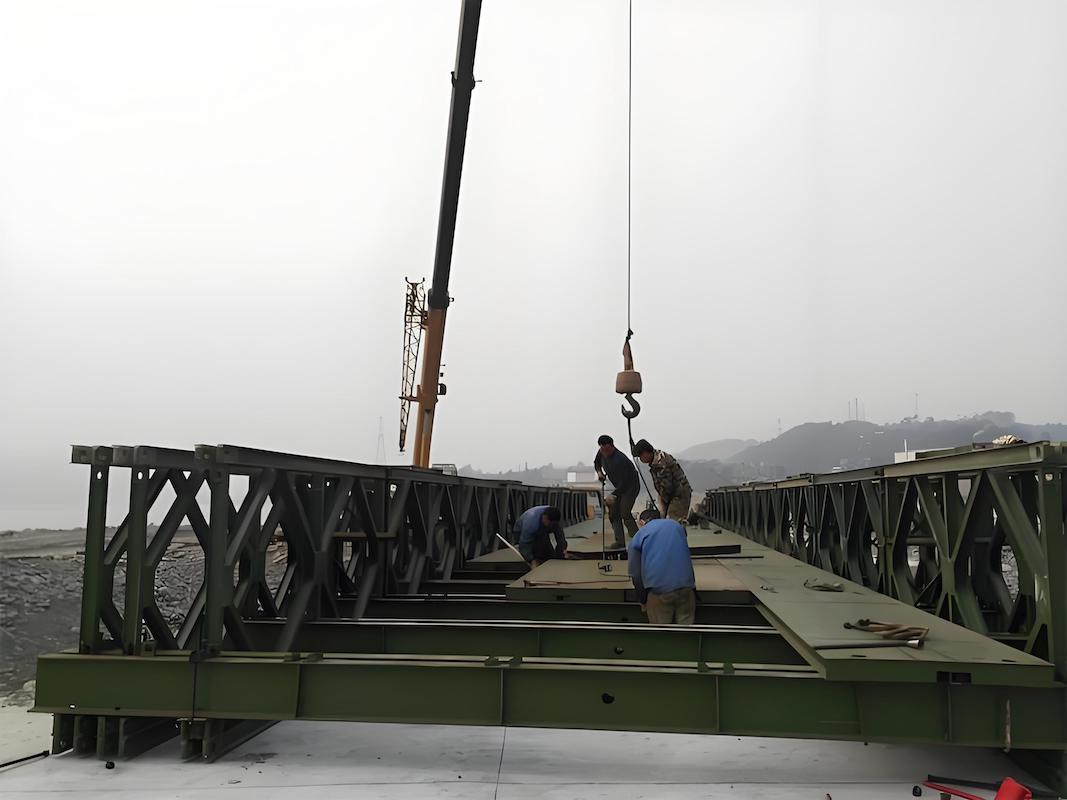
Implementing a preventive maintenance schedule can significantly extend the lifespan of a Bailey bridge. This includes:
Cleaning and repainting to prevent corrosion
Replacing worn or damaged components
Ensuring proper drainage to prevent water accumulation
A proactive approach to maintenance not only enhances the bridge's durability but also reduces the likelihood of unexpected failures, allowing for uninterrupted service.
In the event of significant damage due to environmental factors, prompt repairs are essential. This may involve:
Reinforcing weakened structures
Replacing damaged panels
Addressing soil stability issues
Having a well-defined emergency response plan can facilitate quick action, minimizing downtime and ensuring the bridge remains safe for use.
The maintenance of Bailey bridges is heavily influenced by various environmental factors, including weather conditions, pollution, soil stability, and biological influences. Understanding these factors and implementing effective maintenance strategies is crucial for ensuring the safety and longevity of these vital structures. Regular inspections, preventive maintenance, and timely repairs can help mitigate the risks associated with environmental impacts, allowing Bailey bridges to continue serving their essential roles in infrastructure.
By prioritizing maintenance and adapting to changing environmental conditions, we can enhance the resilience of Bailey bridges and ensure their functionality for years to come. This proactive approach not only safeguards the investment in these structures but also protects the lives of those who rely on them for safe passage.
Bailey bridges are primarily constructed from steel, which provides strength and durability. The steel panels are often coated with protective materials to prevent corrosion. Some designs may also incorporate aluminum for lighter applications.
Bailey bridges should be inspected at least once a year, with more frequent inspections recommended in areas with harsh environmental conditions or heavy traffic. After significant weather events, such as storms or floods, immediate inspections are also advisable.
Signs of corrosion in Bailey bridges include rust formation on steel components, flaking or peeling of protective coatings, and structural weaknesses such as cracks or deformities in the truss panels. Regular visual inspections can help identify these issues early.
Vegetation can affect Bailey bridges by causing root penetration into the foundation, obstructing drainage systems, and creating additional weight from overhanging branches. Regular maintenance of surrounding vegetation is necessary to prevent these issues.
To protect Bailey bridges from extreme weather, maintenance teams can implement several strategies, including installing effective drainage systems to prevent water accumulation, applying corrosion-resistant coatings, and conducting regular snow removal during winter months. Additionally, using expansion joints can help accommodate temperature fluctuations.


