

Views: 221 Author: Site Editor Publish Time: 2025-04-07 Origin: Site


Content Menu
● Understanding Modular Bridges
>> Advantages of Modular Bridges
● The Construction Process of Modular Bridges
>> Factors Influencing Relocation
>> Case Studies of Relocated Modular Bridges
● Challenges and Considerations
>> Innovations in Design and Materials
>> Integration with Smart Infrastructure
● Frequently Asked Questions regarding Modular Bridges
>> 1. What are the primary materials used in modular bridge construction?
>> 2. How long does it typically take to assemble a modular bridge on-site?
>> 3. Can modular bridges be used in areas with extreme weather conditions?
>> 4. What are the environmental benefits of using modular bridges?
>> 5. How do engineers ensure the safety of relocated modular bridges?
Modular bridges represent a significant advancement in civil engineering, offering flexibility, efficiency, and rapid deployment. As urbanization increases and infrastructure demands grow, the ability to relocate these structures becomes a critical consideration. This article explores the concept of modular bridges, their construction, and the feasibility of relocating them after installation.
Modular bridges are prefabricated structures designed to be assembled on-site from pre-manufactured components. These components can include beams, decks, and other structural elements that are produced in a factory setting. The modular approach allows for quicker construction times and reduced on-site labor, making them an attractive option for various applications, including temporary detours and permanent installations. The modular design not only streamlines the construction process but also allows for a high degree of customization, enabling engineers to tailor the bridge to specific site conditions and load requirements. This adaptability is particularly beneficial in areas with unique geographical or environmental challenges.
The benefits of modular bridges extend beyond their construction speed. They offer several advantages:
Reduced Traffic Disruption: Since many components are built off-site, the time spent on-site is minimized, leading to less disruption for local traffic. This is especially important in urban areas where road closures can significantly impact daily commutes and local businesses.
Cost-Effectiveness: The efficiency of modular construction can lead to lower overall project costs, as labor and material expenses are reduced. Additionally, the speed of construction can result in shorter project timelines, allowing for quicker returns on investment.
Design Flexibility: Modular bridges can be customized to meet specific site requirements and aesthetic preferences, making them suitable for both urban and rural settings. This flexibility allows for innovative designs that can enhance the visual appeal of the infrastructure while still meeting functional needs.
The construction of modular bridges begins with the prefabrication of components in a controlled environment. This process involves:
Design and Engineering: Engineers create detailed designs that account for load requirements, environmental conditions, and site-specific factors. Advanced software tools and simulations are often used to optimize the design for performance and safety.
Manufacturing: Components are manufactured using durable materials such as steel or concrete, ensuring they meet safety and performance standards. The use of high-quality materials not only enhances the longevity of the bridge but also reduces maintenance costs over time.
Quality Control: Rigorous testing and quality assurance processes are implemented to ensure that each component is built to specification. This includes inspections during manufacturing and post-production testing to verify structural integrity.
Once the components are manufactured, they are transported to the construction site for assembly. This phase includes:
Site Preparation: The site is prepared to accommodate the bridge, including foundation work and any necessary utility relocations. Proper site preparation is crucial to ensure the stability and safety of the bridge once installed.
Assembly: Using cranes and other equipment, the prefabricated components are assembled into the final bridge structure. This process can often be completed in a matter of days, depending on the bridge's complexity. The rapid assembly not only minimizes disruption but also allows for quicker access to the infrastructure once completed.
One of the most compelling features of modular bridges is their potential for relocation. Unlike traditional bridges, which are often fixed in place, modular bridges can be disassembled and moved to a new location. This capability is particularly beneficial in scenarios where infrastructure needs change or when temporary structures are required. The ability to relocate bridges can also be a sustainable practice, as it reduces the need for new materials and construction in different locations.
Several factors influence the feasibility of relocating a modular bridge:
Design Considerations: Bridges designed with relocation in mind typically feature modular components that can be easily disassembled and reassembled. This includes using standardized connections and lightweight materials, which facilitate easier transport and assembly.
Site Conditions: The new site must be suitable for the bridge, including adequate foundation support and compliance with local regulations. Engineers must conduct thorough site assessments to ensure that the relocated bridge will perform safely and effectively in its new environment.
Logistical Challenges: Transporting large bridge components can pose logistical challenges, including route planning and securing necessary permits for transport. Effective planning is essential to navigate potential obstacles, such as road restrictions or environmental considerations.
There are several notable examples of modular bridges that have been successfully relocated:
Temporary Detour Bridges: Many municipalities use modular bridges as temporary solutions during road construction. Once the primary road is completed, these bridges can be disassembled and relocated to another site where they are needed. This practice not only saves costs but also ensures that communities maintain access during construction projects.
Disaster Recovery: In areas affected by natural disasters, modular bridges can be quickly deployed to restore access. Once the situation stabilizes, these bridges can be relocated to other areas in need. This rapid response capability is crucial in emergency situations, where restoring transportation routes can significantly aid recovery efforts.
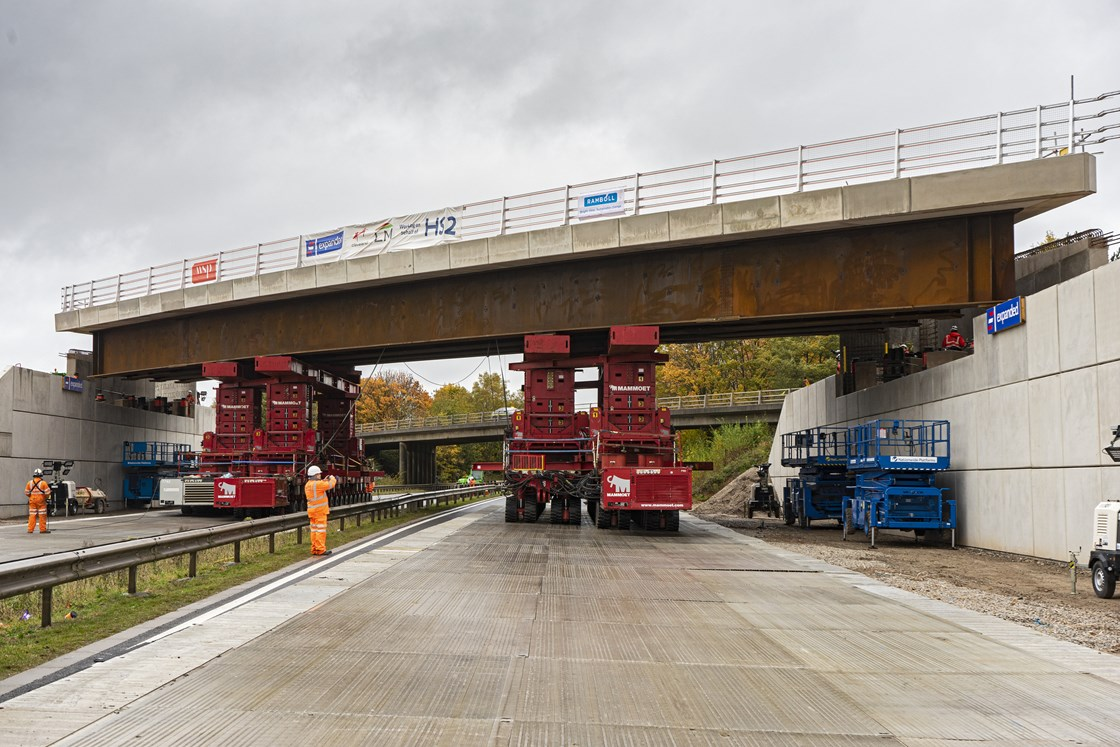
While modular bridges are designed for relocation, ensuring their structural integrity during and after the move is crucial. Engineers must assess the condition of the components before relocation and ensure that they can withstand the stresses of transport and reassembly. This assessment may involve detailed inspections and testing to confirm that the bridge components remain safe and functional after being moved.
Relocating a bridge involves navigating various regulatory requirements. This includes obtaining permits for both the transport of the bridge and its installation at the new site. Compliance with local, state, and federal regulations is essential to avoid legal complications. Engaging with regulatory bodies early in the process can help streamline approvals and ensure that all necessary guidelines are followed.
While modular bridges can be cost-effective, the expenses associated with relocation must be carefully considered. Costs can arise from disassembly, transport, and reassembly, which may offset some of the initial savings from using modular construction. A thorough cost-benefit analysis is essential to determine whether relocation is financially viable compared to constructing a new bridge.
The future of modular bridges looks promising, with ongoing innovations in design and materials. Advances in lightweight materials and smart technologies are enhancing the capabilities of modular bridges, making them even more adaptable and efficient. Innovations such as self-healing concrete and advanced composite materials can improve durability and reduce maintenance needs, further extending the lifespan of these structures.
As cities continue to grow and infrastructure demands increase, the adoption of modular bridges is likely to rise. Their ability to be relocated and reused aligns with sustainable practices, reducing waste and promoting efficient resource use. This trend is supported by a growing emphasis on sustainability in construction, as communities seek to minimize their environmental impact while meeting infrastructure needs.
The integration of modular bridges with smart infrastructure technologies can further enhance their functionality. Features such as sensors for monitoring structural health and traffic flow can provide valuable data for maintenance and operational efficiency. This data-driven approach allows for proactive maintenance, reducing the likelihood of unexpected failures and extending the service life of the bridge.
Modular bridges represent a transformative approach to infrastructure development, offering flexibility and efficiency in construction and relocation. Their ability to be disassembled and moved makes them an ideal solution for a variety of applications, from temporary detours to permanent installations. As technology advances and the need for adaptable infrastructure grows, modular bridges will play an increasingly vital role in shaping the future of transportation networks. Their potential for relocation not only enhances their utility but also supports sustainable practices in civil engineering, making them a key component of modern infrastructure solutions.
Modular bridges are typically constructed using durable materials such as steel and reinforced concrete. These materials are chosen for their strength, longevity, and ability to withstand various environmental conditions.
The assembly of a modular bridge can often be completed in a matter of days, depending on the complexity of the design and the number of components involved. This rapid assembly is one of the key advantages of modular bridge construction.
Yes, modular bridges can be designed to withstand extreme weather conditions. Engineers can incorporate specific design features and materials that enhance the bridge's resilience to factors such as heavy snowfall, high winds, and flooding.
Modular bridges offer several environmental benefits, including reduced construction waste, lower carbon emissions due to less on-site construction activity, and the ability to relocate and reuse materials, which minimizes the need for new resources.
Engineers conduct thorough inspections and assessments of the bridge components before relocation. They also evaluate the new site for structural integrity and compliance with safety regulations to ensure that the bridge will perform safely after being moved.


