

Views: 221 Author: Site Editor Publish Time: 2025-04-07 Origin: Site


Content Menu
● Understanding Emergency Bridges
>> Definition and Characteristics
● Primary Purposes of Emergency Bridges
>> Supporting Emergency Operations
>> Promoting Economic Recovery
>> Enhancing Infrastructure Resilience
● Design Considerations for Emergency Bridges
>> Durability and Weather Resistance
● Case Studies of Emergency Bridge Deployment
● Challenges in Emergency Bridge Implementation
>> Logistics and Transportation
● Future Trends in Emergency Bridge Design
>> Smart Technology Integration
● Frequently Asked Questions regarding Emergency Bridge
>> 1. What are the main materials used in the construction of emergency bridges?
>> 2. How quickly can emergency bridges be deployed after a disaster?
>> 3. What role do emergency bridges play in humanitarian aid efforts?
>> 4. How do emergency bridges enhance community resilience?
>> 5. What challenges are faced in the implementation of emergency bridges?
Emergency bridges play a crucial role in disaster response and recovery efforts. These structures are designed to provide immediate access and connectivity in situations where traditional infrastructure has been compromised. This article explores the primary purposes of emergency bridges, their design features, and their significance in various scenarios.
Emergency bridges are temporary structures that are rapidly deployed to restore access and connectivity after disasters such as floods, earthquakes, or other catastrophic events. They are typically prefabricated, allowing for quick assembly and installation. These bridges are designed to support various loads and withstand challenging environmental conditions, ensuring they can be relied upon during critical times. The materials used in their construction often include steel and aluminum, which provide strength while keeping the weight manageable for transport and installation. Additionally, emergency bridges are engineered to meet specific safety standards, ensuring that they can handle the stresses of both vehicular and pedestrian traffic.
There are several types of emergency bridges, each suited for different situations:
Bailey Bridges: These are modular steel bridges that can be assembled quickly and are often used in military and disaster relief operations. Their design allows for easy transport and rapid deployment, making them ideal for urgent situations.
Temporary Truss Bridges: These bridges use a truss design to provide strength and stability, making them suitable for heavier loads. The truss configuration distributes weight evenly, which is essential for maintaining structural integrity under stress.
Modular Bridges: These are pre-engineered systems that can be transported and assembled on-site, offering flexibility in design and application. Modular bridges can be customized to fit specific site conditions, making them versatile solutions for various emergency scenarios.
One of the most critical functions of emergency bridges is to restore connectivity in areas where traditional routes have been compromised. After a disaster, roads and bridges may be damaged or destroyed, isolating communities. Emergency bridges provide a temporary solution, allowing residents to access essential services, such as hospitals, schools, and markets. This restoration of connectivity is vital not only for immediate relief but also for the long-term recovery of affected areas. The ability to traverse previously impassable routes can significantly enhance the speed of recovery efforts, enabling families to reunite and access necessary resources.
Emergency bridges facilitate the movement of emergency services and personnel. They enable rescue teams to reach stranded individuals or communities cut off from help. The ability to establish a bridge over a damaged area can significantly reduce response times and improve the effectiveness of rescue operations. Additionally, these bridges can serve as staging areas for rescue operations, providing a secure location for teams to coordinate their efforts and deploy resources effectively. The presence of an emergency bridge can also allow for the transport of heavy equipment and supplies, which are often critical in the initial phases of disaster response.
In the aftermath of a disaster, humanitarian organizations often need to deliver supplies and aid to affected populations. Emergency bridges allow for the efficient transport of food, water, medical supplies, and other essential resources. By providing a reliable route for aid delivery, these bridges play a vital role in ensuring that communities receive the support they need during crises. The timely arrival of humanitarian aid can alleviate suffering and prevent further loss of life, making emergency bridges an essential component of disaster relief efforts.
Restoring transportation routes is essential for economic recovery in disaster-stricken areas. Emergency bridges enable businesses to reopen and resume operations, allowing for the flow of goods and services. This economic activity is crucial for rebuilding communities and restoring livelihoods. By facilitating trade and commerce, emergency bridges contribute to the overall resilience of affected regions. The presence of a functioning bridge can also encourage investment and tourism, further aiding in the economic revitalization of the area.
The use of emergency bridges highlights the importance of resilient infrastructure in disaster preparedness. By investing in temporary bridge solutions, communities can enhance their ability to respond to future emergencies. These structures can be designed to withstand specific hazards, ensuring that they remain functional even in adverse conditions. This proactive approach to infrastructure planning can significantly improve a community's overall resilience. Furthermore, the lessons learned from deploying emergency bridges can inform future infrastructure projects, leading to more robust and adaptable designs.
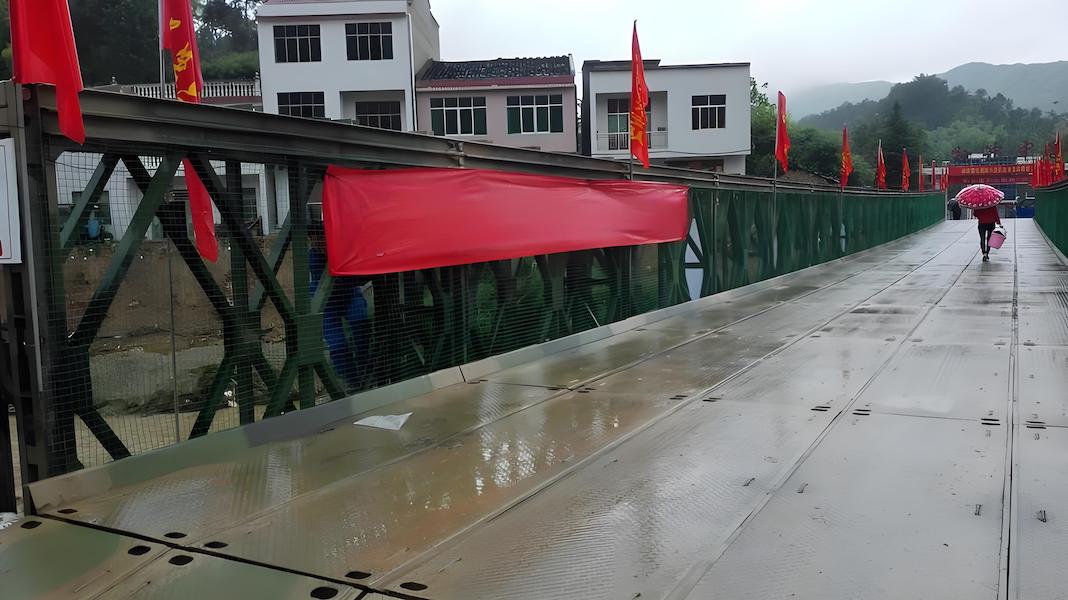
Emergency bridges must be designed to support various loads, including vehicles, pedestrians, and emergency equipment. Engineers consider factors such as the expected traffic volume and the types of vehicles that will use the bridge. This ensures that the structure can safely accommodate the necessary weight without compromising safety. The design process often involves simulations and stress tests to predict how the bridge will perform under different conditions, allowing for adjustments to be made before construction.
Given the unpredictable nature of disasters, emergency bridges must be built to withstand harsh environmental conditions. This includes resistance to flooding, high winds, and seismic activity. Materials used in construction are selected for their durability and ability to perform under stress, ensuring that the bridge remains operational when it is needed most. Additionally, coatings and treatments may be applied to protect against corrosion and wear, extending the lifespan of the bridge even in challenging environments.
The design of emergency bridges emphasizes rapid deployment. Modular components allow for quick assembly, often requiring minimal tools and equipment. This feature is critical in emergency situations where time is of the essence. The ability to set up a bridge within hours or days can make a significant difference in the effectiveness of disaster response efforts. Engineers often collaborate with emergency management teams to develop deployment plans that maximize efficiency and minimize delays.
In the aftermath of hurricanes, floods, and earthquakes, emergency bridges have been deployed to restore access to affected areas. For example, after Hurricane Katrina, temporary bridges were installed to reconnect communities and facilitate the delivery of aid. These structures played a vital role in the recovery process, allowing residents to access essential services and support. The rapid deployment of these bridges not only helped in immediate relief efforts but also laid the groundwork for long-term recovery and rebuilding initiatives.
Emergency bridges are also used in military operations, where rapid deployment is essential. The U.S. military has utilized Bailey bridges in various conflict zones to establish supply routes and support troop movements. These bridges provide a critical lifeline in situations where traditional infrastructure is unavailable or has been destroyed. The military's experience with emergency bridges has led to innovations in design and materials, which can be applied to civilian disaster response efforts.
Humanitarian organizations often rely on emergency bridges to deliver aid in disaster-stricken regions. In response to the 2010 earthquake in Haiti, temporary bridges were set up to facilitate the transport of food, water, and medical supplies. These efforts were crucial in addressing the immediate needs of the affected population and supporting long-term recovery. The collaboration between various organizations and local governments in deploying these bridges exemplifies the importance of coordinated disaster response efforts.
Transporting emergency bridge components to disaster sites can pose logistical challenges. Access to affected areas may be limited due to damaged infrastructure, making it difficult to deliver materials and equipment. Effective planning and coordination are essential to ensure that bridges can be deployed quickly and efficiently. This often involves pre-positioning materials in strategic locations and establishing partnerships with local transportation providers to facilitate rapid movement.
Securing funding for emergency bridge projects can be a challenge, especially in the aftermath of a disaster when resources are stretched thin. Governments and organizations must prioritize investments in temporary infrastructure to ensure that communities can recover effectively. Collaborative efforts between public and private sectors can help address funding gaps and facilitate the rapid deployment of emergency bridges. Additionally, innovative financing models, such as public-private partnerships, can provide the necessary resources for these critical projects.
Engaging local communities in the planning and implementation of emergency bridge projects is crucial. Community input can help identify specific needs and preferences, ensuring that the bridges serve their intended purpose effectively. Additionally, involving local stakeholders can foster a sense of ownership and responsibility, enhancing the overall success of the project. Community engagement can also facilitate smoother implementation, as local residents are more likely to support initiatives that reflect their needs and priorities.
Advancements in materials science are leading to the development of lighter, stronger, and more durable materials for emergency bridges. These innovations can enhance the performance and longevity of temporary structures, making them more effective in disaster response scenarios. Research into composite materials and advanced alloys may yield bridges that are not only stronger but also more environmentally friendly, reducing the carbon footprint associated with their production and deployment.
The integration of smart technology into emergency bridge design is an emerging trend. Sensors and monitoring systems can provide real-time data on structural integrity, traffic loads, and environmental conditions. This information can help engineers assess the performance of the bridge and make informed decisions about maintenance and repairs. Smart technology can also enhance safety by alerting authorities to potential issues before they become critical, ensuring that emergency bridges remain reliable during times of need.
As communities become more aware of environmental issues, there is a growing emphasis on sustainable practices in emergency bridge design. This includes using eco-friendly materials and construction methods that minimize environmental impact. Sustainable designs can also enhance the resilience of bridges, ensuring they remain functional in the face of future challenges. By prioritizing sustainability, communities can not only address immediate needs but also contribute to long-term environmental stewardship.
Emergency bridges serve multiple critical purposes in disaster response and recovery efforts. They restore connectivity, support emergency operations, enable humanitarian aid, promote economic recovery, and enhance infrastructure resilience. As communities continue to face the challenges posed by natural disasters, the importance of emergency bridges will only grow. Investing in these structures and ensuring their rapid deployment can significantly improve the effectiveness of disaster response efforts, ultimately saving lives and supporting the recovery of affected communities. The ongoing development of innovative designs and materials will further enhance the capabilities of emergency bridges, ensuring they remain a vital resource in the face of adversity.
Emergency bridges are typically constructed using materials such as steel and aluminum due to their strength, durability, and lightweight properties. These materials allow for quick assembly and transport, which is essential in emergency situations.
Emergency bridges can often be deployed within hours to days after a disaster, depending on the type of bridge and the specific circumstances. Modular designs and prefabricated components facilitate rapid assembly, allowing for swift restoration of access.
Emergency bridges are crucial for delivering humanitarian aid to affected populations. They provide reliable access for transporting food, water, medical supplies, and other essential resources, ensuring that communities receive timely support during crises.
By restoring connectivity and enabling rapid response to disasters, emergency bridges enhance community resilience. They allow for quicker recovery efforts, support economic activities, and improve overall infrastructure planning for future emergencies.
Challenges in implementing emergency bridges include logistical issues related to transporting materials to disaster sites, securing funding for projects, and engaging local communities in the planning process. Effective coordination and collaboration among stakeholders are essential to overcome these challenges.


