

Views: 221 Author: Site Editor Publish Time: 2026-01-21 Origin: Site


Content Menu
● Understanding Bailey Bridges
>> Key Features of Bailey Bridges
● The Construction Process of Bailey Bridges
>> 3. Assembly of Bridge Components
>> 5. Final Adjustments and Inspections
● Enhancing the Construction Process
>> Latest Innovations in Bailey Bridge Construction
>> Effective Applications of Bailey Bridges
● Frequently Asked and Questions regarding Construction Process of Bailey Bridges
>> 1. What are the typical dimensions and weight limitations for a standard Bailey bridge?
>> 2. What are the primary challenges encountered during Bailey bridge construction in remote areas?
>> 4. What maintenance is required for Bailey bridges to ensure their longevity?
>> 5. Can Bailey bridges be used for permanent installations, or are they only temporary solutions?
Bailey bridges, known for their modular design and rapid assembly capabilities, are essential in various construction scenarios, especially in emergency situations and temporary infrastructure needs. These bridges are not only a testament to engineering ingenuity but also play a crucial role in connecting communities and facilitating transportation in challenging environments. This article delves into the construction process of Bailey bridges, highlighting key steps, methodologies, and best practices to ensure successful implementation.
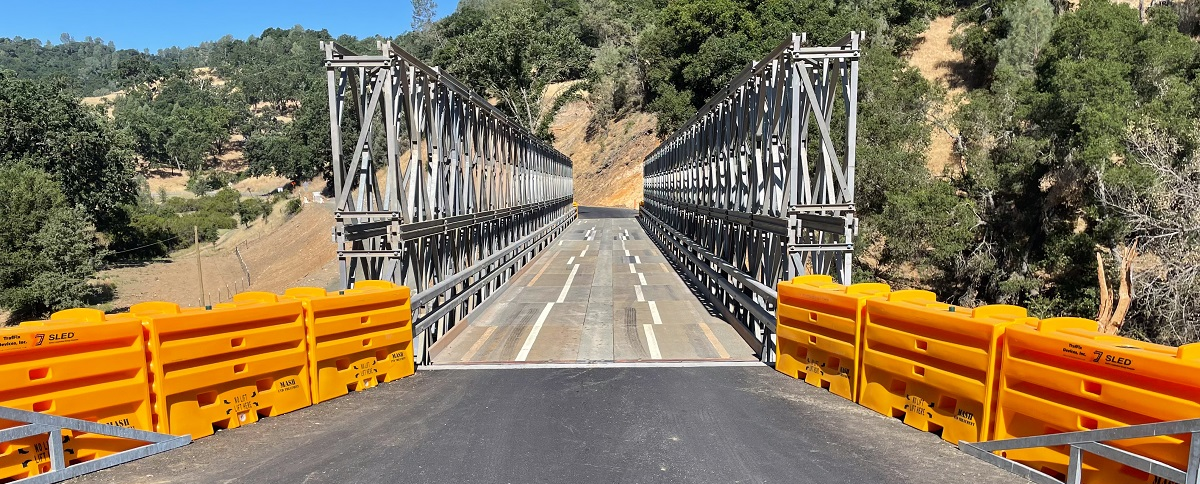
A Bailey bridge is a type of portable, pre-fabricated, truss bridge that can be quickly assembled and disassembled. Originally designed during World War II, these bridges are now widely used for military and civilian applications due to their versatility and ease of use. The design allows for quick deployment in various terrains, making them ideal for both temporary and permanent solutions. Their ability to support heavy loads while being lightweight makes them a preferred choice in many engineering projects.
● Modular Design: Components are manufactured in a factory and transported to the site for assembly. This modularity not only speeds up the construction process but also allows for easy repairs and modifications in the future.
● Rapid Deployment: Can be erected quickly, making them ideal for emergency situations. In disaster relief scenarios, the ability to set up a bridge within hours can be critical for restoring access to affected areas.
● Cost-Effective: Lower construction costs compared to traditional bridges. The use of prefabricated components reduces labor costs and minimizes the need for extensive on-site construction, making Bailey bridges a budget-friendly option for many projects.
Before construction begins, thorough site preparation is essential. This includes:
● Surveying the Site: Assessing the terrain and identifying the best location for the bridge. This step involves geological surveys to ensure the ground can support the bridge's weight and to identify any potential hazards.
● Clearing the Area: Removing any obstacles such as trees, rocks, or debris. Proper clearing not only facilitates construction but also ensures safety for workers and equipment.
● Establishing Access Roads: Ensuring that heavy machinery can reach the construction site. This may involve grading and paving temporary roads to allow for the transport of materials and equipment.
The foundation is critical for the stability of the bridge. Key steps include:
● Excavation: Digging to the required depth for footings. This process must be done carefully to avoid disturbing the surrounding soil, which could affect the bridge's stability.
● Footing Installation: Pouring concrete footings to support the bridge's weight. The footings must be designed to withstand not only the static load of the bridge but also dynamic loads from traffic and environmental factors.
● Alignment Checks: Ensuring that footings are level and properly aligned. Misalignment can lead to structural issues, so precise measurements and adjustments are crucial at this stage.
The assembly of Bailey bridge components is a systematic process:
● Transporting Components: All bridge parts, including panels, trusses, and connectors, are delivered to the site. Efficient logistics are essential to ensure that all components arrive on time and in good condition.
● Inventory Check: Ensuring all components are present and undamaged. This step helps prevent delays during assembly and ensures that the construction team has everything needed to proceed.
● Modular Assembly: Components are assembled in sections, typically on the ground, before being lifted into place. This method allows for easier handling and reduces the risk of accidents during the lifting process.
● Use of Cranes: Heavy lifting equipment is used to position larger sections of the bridge. The use of cranes requires careful planning to ensure that they can operate safely and effectively in the construction area.
The erection phase is where the bridge takes shape:
● Lifting Sections: Using cranes, assembled sections are lifted and connected to the previously installed footings. This process requires skilled operators to ensure that each section is placed accurately.
● Securing Connections: All connections are bolted and checked for stability. Proper securing of connections is vital for the overall integrity of the bridge, as any loose connections can lead to structural failure.
Once the bridge is erected, final adjustments and inspections are crucial:
● Alignment Verification: Ensuring the bridge is straight and level. This step often involves using laser levels and other precision tools to confirm that the bridge meets design specifications.
● Load Testing: Conducting tests to confirm the bridge can support expected loads. Load testing is a critical safety measure that helps identify any weaknesses in the structure before it is opened to traffic.
● Safety Inspections: Checking all components for structural integrity. Regular inspections during and after construction help ensure that the bridge remains safe for use over its lifespan.
To stay competitive and efficient, the construction industry is continually evolving. Here are some recent innovations:
● Use of Advanced Materials: Incorporating high-strength steel and corrosion-resistant coatings to enhance durability. These materials not only extend the lifespan of the bridge but also reduce maintenance costs over time.
● Modular Construction Techniques: Utilizing prefabricated components that allow for quicker assembly and reduced labor costs. This approach also minimizes the environmental impact of construction by reducing on-site waste.
● Digital Tools: Implementing Building Information Modeling (BIM) for precise planning and execution. BIM allows for better visualization of the project, helping to identify potential issues before they arise.
● Disaster Relief and Emergency Response: The rapid assembly and deployment capabilities of Bailey bridges make them ideal for emergency use during floods, effectively restoring transportation access to affected areas. This application highlights the importance of emergency preparedness and the ability to quickly mobilize resources during times of crisis.
● Military Applications: Bailey bridges hold strategic importance and logistical advantages in military operations, playing a crucial role in providing critical infrastructure for military forces in remote and challenging environments.
Bailey bridges are a vital solution for temporary and emergency infrastructure needs. Understanding the construction process, from site preparation to final inspections, is crucial for successful implementation. By leveraging modern techniques and innovations, the construction of Bailey bridges can be more efficient, cost-effective, and reliable.
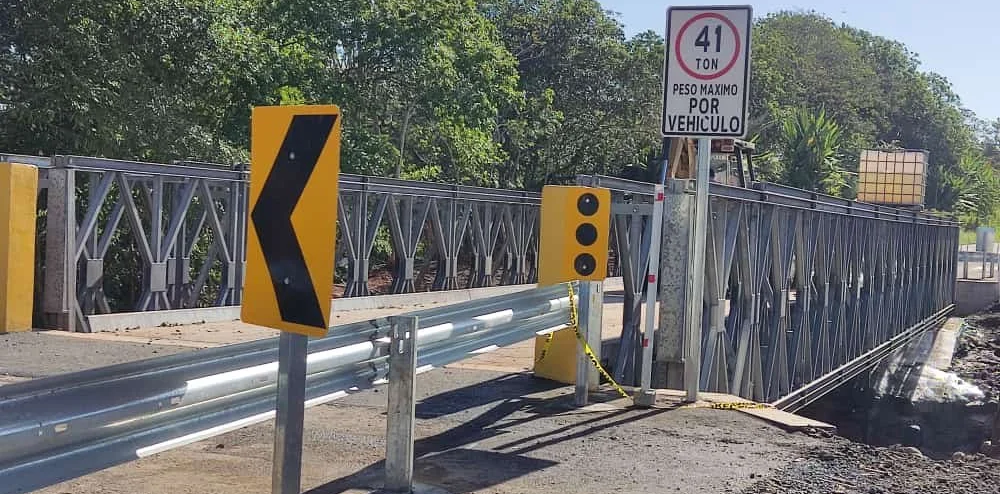
A standard Bailey bridge typically spans between 10 to 60 feet (3 to 18 meters) and can be configured to support loads ranging from 20 to 100 tons, depending on the specific design and materials used. The modular design allows for various configurations, enabling customization based on the required load capacity and span length.
Constructing Bailey bridges in remote areas presents several challenges, including limited access to heavy machinery, difficult terrain, and harsh weather conditions. Transporting materials to the site can be logistically complex, and the construction team may need to rely on portable equipment and local resources. Additionally, ensuring safety and compliance with regulations in isolated locations can be more challenging.
Environmental factors significantly influence both the construction process and the longevity of Bailey bridges. Adverse weather conditions, such as heavy rain, snow, or extreme temperatures, can delay construction and affect the quality of materials used. Additionally, the terrain can impact the foundation work; unstable or uneven ground may require additional engineering solutions to ensure stability. Over time, exposure to harsh environmental conditions can lead to corrosion and wear, necessitating regular maintenance and inspections.
Regular maintenance is essential for the longevity of Bailey bridges. This includes routine inspections to check for structural integrity, signs of corrosion, and wear on connections and components. Cleaning the bridge to remove debris and contaminants, as well as applying protective coatings to prevent rust, are also important. Additionally, any damaged or worn parts should be repaired or replaced promptly to maintain safety and functionality.
While Bailey bridges are often used as temporary solutions due to their rapid assembly and disassembly capabilities, they can also be designed for permanent installations. When used as permanent structures, they are typically reinforced and maintained to meet long-term load and safety requirements. Their modular nature allows for flexibility in design, making them suitable for various applications, including permanent crossings in remote or challenging locations.


