

Views: 221 Author: Site Editor Publish Time: 2026-01-21 Origin: Site


Content Menu
● Characteristics of Bailey Bridges
>> Load Capacity and Durability
>> Versatility
● Assembly Methods for Bailey Bridges
>> Overview of Assembly Process
>>> Step 1: Assembling the First Bay
>>> Step 2: Launching the Bridge
>>> Step 3: Completing the Assembly
● Assembly Methods for Specific Types of Bailey Bridges
>> 1. Assembly of Single-Row Single-Layer Bailey Bridges
>> 2. Assembly of Double-Row Single-Layer Bailey Bridges
>>> Step-by-Step Assembly Process
● Best Practices for Steel Bridge Construction
>> Environmental Considerations
● Frequently Asked and Questions regarding Bailey Bridges
>> 1. What is the typical lifespan of a Bailey bridge?
>> 2. What are the maintenance requirements for Bailey bridges?
>> 4. What are some innovative applications of Bailey bridges beyond traditional infrastructure?
>> 5. What safety protocols should be followed during the assembly of Bailey bridges?
Bailey bridges are portable, prefabricated truss bridges that have gained significant popularity due to their modular design, ease of assembly, and versatility across various applications. Originally developed during World War II, these bridges are now widely utilized in both military and civilian infrastructure projects. Their ability to be rapidly deployed in emergency situations, such as natural disasters or military operations, highlights their importance in modern engineering. This guide explores the characteristics of Bailey bridges, detailed assembly methods, and best practices for construction, ensuring compliance with modern engineering standards and enhancing the understanding of their applications.
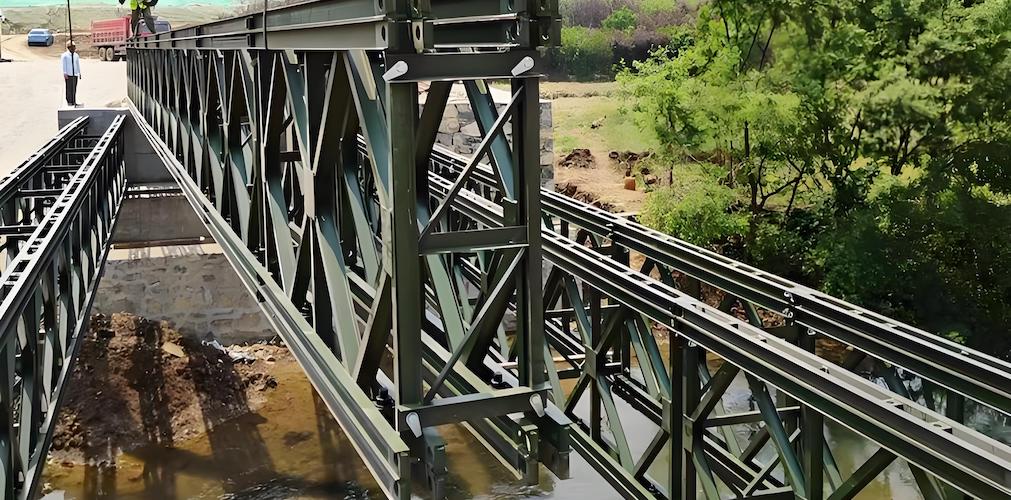
Bailey bridges consist of standardized components that can be easily transported and assembled. This modularity allows for quick installation and disassembly, making them ideal for temporary or emergency situations. The design includes various components such as panels, trusses, and bracing systems, which can be combined in different configurations to meet specific site requirements. This flexibility not only reduces the time needed for construction but also minimizes the logistical challenges associated with transporting heavy materials to remote locations.
Constructed from high-strength steel, Bailey bridges are designed to support heavy loads, including military vehicles and civilian traffic. Their robust design ensures longevity and reliability, even in challenging environments. The materials used in their construction are resistant to corrosion and wear, which is crucial for bridges exposed to harsh weather conditions or heavy usage. Additionally, the engineering behind Bailey bridges allows them to accommodate various load types, making them suitable for diverse applications, from temporary crossings to permanent installations.
Bailey bridges can be configured for various spans and load requirements, making them suitable for a wide range of applications, from pedestrian crossings to heavy-duty vehicular traffic. This versatility is particularly beneficial in disaster relief scenarios, where the ability to quickly adapt the bridge design to different site conditions can save lives and restore access to critical areas. Furthermore, their modular nature allows for easy upgrades and modifications, ensuring that they can meet evolving infrastructure needs over time.
The assembly of a Bailey bridge typically involves several key steps, which can be adapted based on site conditions and specific project requirements. Each step is crucial for ensuring the structural integrity and safety of the bridge. Proper planning and execution of the assembly process can significantly reduce the risk of errors and enhance the overall efficiency of the construction project.
● Site Preparation
Assess the installation site for stability and accessibility. This includes evaluating the ground conditions and ensuring that the site can support the weight of the bridge and any construction equipment.
Clear any debris and ensure adequate space for assembly. A clean and organized work area is essential for safety and efficiency, allowing workers to move freely and access tools and materials without obstruction.
● Component Layout
Lay out the bridge components according to the design specifications. This step involves organizing the components in a logical sequence to facilitate a smooth assembly process.
Ensure all panels and trusses are aligned correctly to maintain structural integrity. Misalignment can lead to structural weaknesses, so careful attention to detail is necessary during this phase.
● Connecting Panels
Use bolts and pins to securely connect the panels. The choice of fasteners is critical, as they must withstand the forces exerted on the bridge during use.
Follow the manufacturer's guidelines for torque specifications to ensure tight connections. Properly tightened connections prevent loosening over time, which can compromise the bridge's safety.
● Installing Trusses
Add trusses for additional support, ensuring they are aligned correctly. Trusses play a vital role in distributing loads evenly across the bridge, enhancing its overall strength and stability.
Trusses help distribute loads evenly across the bridge, enhancing its overall strength. The design of the trusses can vary based on the specific load requirements and span of the bridge.
● Final Inspection
Conduct a thorough inspection to ensure all components are securely connected and meet design requirements. This final check is essential for identifying any potential issues before the bridge is put into use.
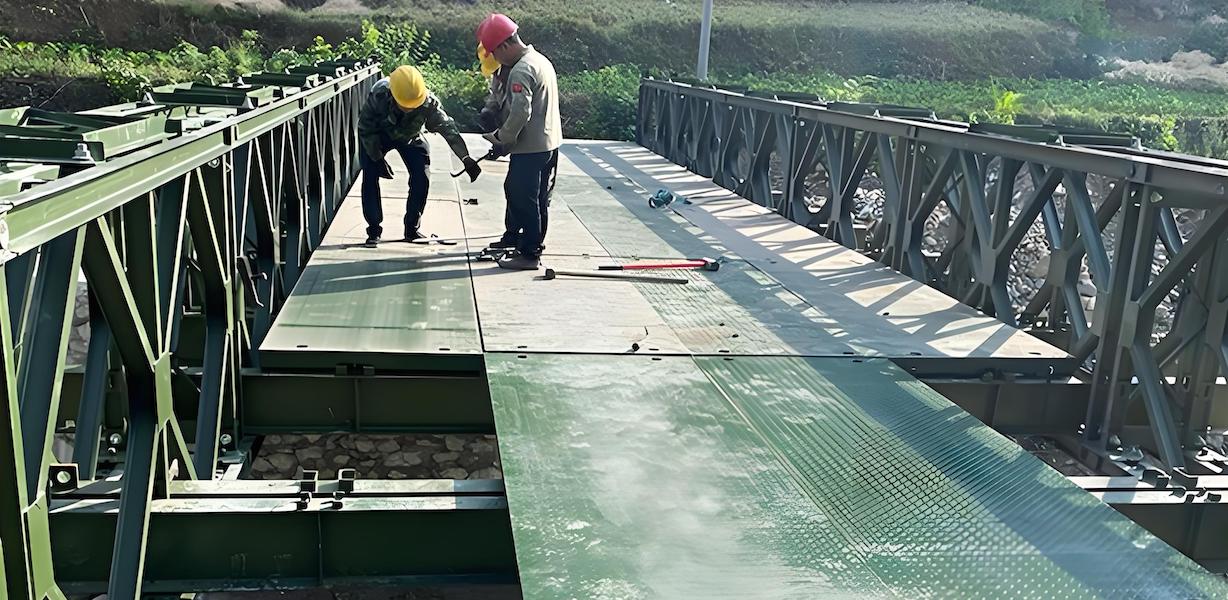
Begin by assembling the first bay on rollers at the near bank. This initial step sets the foundation for the entire bridge structure. Connect panels, bracing frames, and transom units while maintaining precise alignment. The use of rollers facilitates the movement of heavy components, reducing the physical strain on workers and speeding up the assembly process.
Once the first bay is complete, the bridge can be pushed forward incrementally. A launching nose may be attached to assist in spanning the gap. This method allows for a controlled and gradual extension of the bridge, minimizing the risk of structural failure during the launch.
Continue adding bays and securing connections until the entire bridge is assembled. Ensure that all components are properly secured before advancing to the next stage. This step-by-step approach not only enhances safety but also allows for adjustments to be made as needed throughout the assembly process.
The assembly of single-row single-layer Bailey bridges follows a systematic approach similar to that of guide beam assembly. Key steps include:
● Installation of Cross Beams: For each truss section, install one cross beam behind the front vertical rod, one in front of the middle vertical rod, and one in front of the rear vertical rod. This configuration enhances structural integrity and provides additional support for the bridge.
● Wind Bracing: Each truss section should include a pair of wind bracing rods to stabilize the structure against lateral forces. These braces are crucial for maintaining the bridge's stability in windy conditions or during heavy traffic.
● Diagonal Bracing: Install diagonal braces on the end vertical rod cross beams to further enhance stability. This additional bracing helps to distribute forces more evenly across the structure, reducing the risk of deformation.
The assembly process for double-row single-layer bridges differs slightly from single-row bridges:
● Guide Beam Adjustments: During the bridge launch, the guide beam may sag due to its weight, necessitating the installation of lower chord joints at strategic locations to elevate the front end of the guide beam for proper alignment with the opposite bank. This adjustment is critical for ensuring that the bridge remains level and stable during use.
● Truss Assembly: Once the guide beam is stabilized, proceed with the assembly of the truss sections, ensuring that each section is securely connected. The integrity of the truss assembly is vital for the overall performance of the bridge.
● Setting Up Cross Beams: Position the cross beams on the truss sections, ensuring they are aligned correctly. Proper alignment is essential for the structural integrity of the bridge.
● Installing the Second Truss Section: Assemble the second truss section, connecting it to the first using diagonal braces. This connection is crucial for maintaining the overall strength of the bridge.
● Adding Additional Cross Beams: Install additional cross beams as needed, ensuring they are secured after the diagonal braces are in place. This step reinforces the structure and prepares it for the final assembly.
● Finalizing the Assembly: Continue the assembly process by repeating the above steps until all truss sections are connected. This systematic approach ensures that each component is properly integrated into the overall structure.
● Weather Conditions: Monitor weather conditions to avoid delays during assembly. Adverse weather can impact the safety and efficiency of the assembly process, so planning for contingencies is essential.
● Safety Protocols: Ensure all workers are trained in assembly techniques and safety protocols to prevent accidents. A strong emphasis on safety not only protects workers but also enhances the overall success of the project.
Implement strict quality control measures at every stage of construction to ensure the integrity and safety of the bridge. This includes regular inspections and adherence to engineering standards. Quality control processes should be documented and reviewed to identify areas for improvement in future projects.
Choose high-quality materials that meet or exceed industry standards. This not only enhances the durability of the bridge but also ensures compliance with safety regulations. The selection of materials should consider factors such as environmental conditions, load requirements, and long-term maintenance needs.
Design the bridge for constructability, allowing for as much assembly as possible before erection. This minimizes the amount of work required on-site and reduces the risk of errors. An efficient design process also considers the ease of transportation and assembly, ensuring that the bridge can be deployed quickly and effectively.
Consider the environmental impact of the construction process. Use sustainable practices and materials to minimize waste and reduce the carbon footprint of the project. Engaging with local communities and stakeholders can also help identify environmentally friendly practices that align with regional conservation efforts.
Bailey bridges are an essential solution for rapid deployment in various infrastructure projects. Their modular design, ease of assembly, and robust construction make them ideal for both temporary and permanent applications. By following the outlined assembly methods and best practices, engineers and construction teams can ensure the successful installation of Bailey bridges that meet modern engineering standards. As infrastructure needs continue to evolve, the adaptability and efficiency of Bailey bridges will remain a vital asset in the field of civil engineering.
The typical lifespan of a Bailey bridge can range from 20 to 50 years, depending on factors such as the quality of materials used, environmental conditions, and maintenance practices. Regular inspections and timely maintenance can significantly extend the lifespan of the bridge.
Maintenance for Bailey bridges includes regular inspections to check for structural integrity, corrosion, and wear on components. It is essential to clean the bridge to remove debris and ensure that all connections remain secure. Any damaged or worn components should be repaired or replaced promptly to maintain safety and functionality.
Bailey bridges are often more cost-effective and quicker to deploy than other types of temporary bridges, such as pontoon or modular bridges. Their modular design allows for rapid assembly and disassembly, making them ideal for emergency situations. However, the overall cost can vary based on specific project requirements and site conditions.
Beyond traditional infrastructure, Bailey bridges have been used in various innovative applications, including temporary pedestrian walkways, emergency access routes in disaster relief efforts, and even as part of military operations for rapid deployment in conflict zones. Their versatility allows them to be adapted for unique situations, such as supporting temporary stages for events or providing access to remote areas.
Safety protocols during the assembly of Bailey bridges include ensuring that all workers are trained in assembly techniques, using personal protective equipment (PPE), and conducting regular safety briefings. Additionally, it is crucial to monitor weather conditions and ensure that the assembly area is clear of hazards. Proper communication among team members is essential to prevent accidents and ensure a safe working environment.


