

Views: 221 Author: Site Editor Publish Time: 2025-03-27 Origin: Site


Content Menu
● Understanding Emergency Bridges
● Factors Affecting the Lifespan of Emergency Bridges
>>> Importance of Material Selection
>>> Weather Impacts
>>> Traffic Loads
>>> Frequency of Use
>>> Adaptability to Conditions
● Frequently Asked Questions regarding Emergency Bridges
>> 1. What are the primary materials used in the construction of emergency bridges?
>> 2. How does weather impact the lifespan of emergency bridges?
>> 3. Why is regular maintenance important for emergency bridges?
>> 4. What role does load capacity play in the design of emergency bridges?
>> 5. How can the design of emergency bridges be adapted to different environmental conditions?
Emergency bridges play a crucial role in providing immediate access and connectivity in disaster-stricken areas or during infrastructure failures. These structures are designed to be deployed quickly and efficiently, ensuring that communities can maintain essential transportation links during critical times. However, their lifespan can be significantly affected by various factors. Understanding these factors is essential for engineers, planners, and maintenance teams to ensure the longevity and reliability of these vital structures. This article explores the key elements that can reduce the lifespan of emergency bridges, organized under relevant subheadings.
Emergency bridges are temporary structures designed to restore transportation routes quickly after disasters such as floods, earthquakes, or bridge failures. They serve as a vital link for emergency services, humanitarian aid, and the general public, allowing for the swift movement of people and goods. The design of these bridges prioritizes rapid deployment, often utilizing prefabricated components that can be assembled on-site with minimal tools and labor. This immediacy is crucial in disaster scenarios where time is of the essence, and the ability to restore connectivity can significantly impact recovery efforts.
There are several types of emergency bridges, including modular bridges, Bailey bridges, and pontoon bridges. Each type has its unique design and application, but all share the common goal of providing immediate access. Modular bridges are often used for their versatility and ease of transport, while Bailey bridges are known for their strength and ability to support heavy loads. Pontoon bridges, on the other hand, are typically used in situations where traditional foundations are not feasible, such as over water bodies. Understanding the specific applications and limitations of each type is essential for selecting the appropriate bridge for a given emergency situation.
The materials used in constructing emergency bridges significantly influence their durability and lifespan. Common materials include steel, aluminum, and composite materials. Each material has its advantages and disadvantages regarding strength, weight, and resistance to environmental factors. For instance, while steel offers high tensile strength, it can be heavy and prone to rust if not properly treated. Aluminum, being lighter and resistant to corrosion, may not provide the same load-bearing capacity as steel. Composite materials, which combine different substances to enhance performance, are increasingly being used for their lightweight and durable properties. The choice of material must align with the expected environmental conditions and load requirements to ensure optimal performance.
Steel bridges, while strong, are particularly susceptible to corrosion, especially in environments with high humidity or salt exposure. The choice of corrosion-resistant coatings and treatments can enhance the lifespan of steel structures. For example, galvanization, which involves coating steel with a layer of zinc, can significantly reduce the risk of rust. Additionally, regular maintenance practices, such as repainting and applying protective sealants, can further extend the life of steel components. Understanding the local environmental conditions and selecting appropriate materials and treatments is crucial for mitigating corrosion-related issues.
Emergency bridges are often exposed to harsh weather conditions, including extreme temperatures, heavy rainfall, and snow. These conditions can lead to physical stress on the bridge materials, causing deterioration over time. For instance, freeze-thaw cycles can create cracks in concrete and other materials, while prolonged exposure to moisture can weaken structural components. Engineers must consider these factors during the design phase, incorporating features such as drainage systems to manage water runoff and prevent pooling, which can exacerbate wear and tear.
The geographic location of an emergency bridge can also impact its lifespan. Bridges in coastal areas may face challenges from saltwater corrosion, while those in colder climates may suffer from freeze-thaw cycles that can crack and damage materials. Additionally, areas prone to seismic activity require special design considerations to ensure stability during earthquakes. Understanding the specific risks associated with a bridge's location allows for better planning and design, ultimately enhancing the structure's durability.
The expected load capacity of an emergency bridge is a critical factor in its design and longevity. Bridges that are subjected to heavier traffic than anticipated can experience accelerated wear and tear, leading to structural failures. It is essential to accurately assess the expected traffic patterns and load requirements during the planning phase. Overloading can lead to deformation, fatigue, and eventual collapse, making it imperative to establish clear guidelines for usage and weight limits.
Emergency bridges are often intended for temporary use, but if they are used more frequently than planned, this can significantly reduce their lifespan. Regular monitoring of usage patterns is essential to ensure that the bridge remains safe and functional. If a bridge is found to be in regular use beyond its intended purpose, it may require more frequent inspections and maintenance to address any emerging issues. Establishing a clear understanding of the bridge's intended use and monitoring actual usage can help mitigate risks associated with overuse.
Regular inspections are vital for identifying potential issues before they lead to significant damage. Inspections should focus on critical areas such as joints, connections, and load-bearing components. A well-structured inspection schedule can help detect early signs of wear, such as cracks, rust, or misalignments. Additionally, employing advanced technologies such as drones or sensors can enhance inspection efficiency and accuracy, allowing for more comprehensive assessments of bridge conditions.
Establishing a comprehensive maintenance protocol can help extend the lifespan of emergency bridges. This includes cleaning, repairing, and replacing components as necessary to prevent deterioration. Maintenance teams should be trained to recognize the specific challenges associated with emergency bridges, including the need for rapid response to emerging issues. Implementing a proactive maintenance strategy, rather than a reactive one, can significantly reduce the likelihood of major repairs and extend the overall lifespan of the bridge.
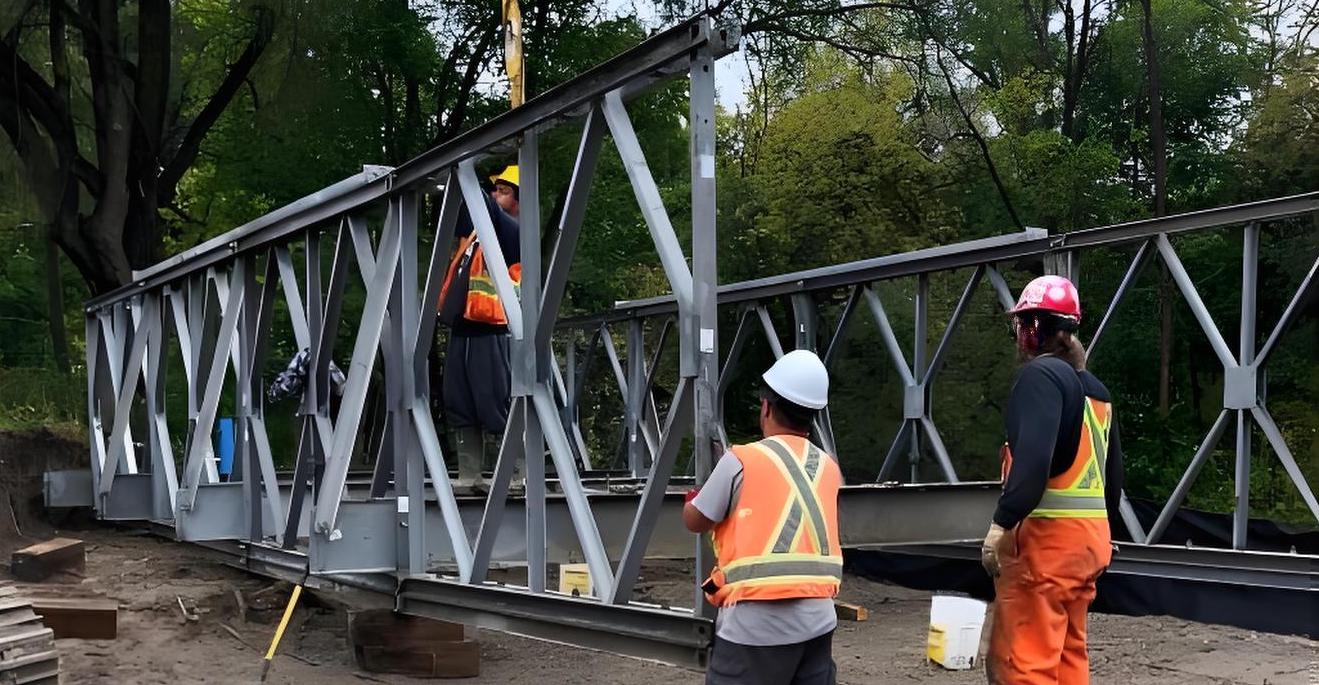
The design of emergency bridges must adhere to specific engineering standards to ensure safety and longevity. Poor design can lead to structural weaknesses that compromise the bridge's integrity. Engineers must consider factors such as load distribution, material properties, and environmental conditions during the design process. Compliance with established standards not only enhances safety but also contributes to the overall durability of the structure.
Emergency bridges should be designed with adaptability in mind, allowing for modifications based on environmental conditions and usage patterns. This flexibility can enhance their performance and lifespan. For example, bridges designed to accommodate additional supports or reinforcements can be more easily adapted to changing conditions or increased traffic loads. Incorporating modular design elements can also facilitate repairs and upgrades, ensuring that the bridge remains functional over time.
The lifespan of emergency bridges is influenced by a multitude of factors, including material quality, environmental conditions, load capacity, maintenance practices, and design considerations. By understanding and addressing these factors, engineers and maintenance teams can significantly enhance the durability and reliability of emergency bridges, ensuring they serve their critical purpose effectively in times of need.
In summary, proactive measures in material selection, regular maintenance, and adherence to engineering standards are essential for maximizing the lifespan of these vital structures. As communities continue to face the challenges posed by natural disasters and infrastructure failures, the importance of resilient and reliable emergency bridges cannot be overstated. Investing in their design, construction, and maintenance will ultimately lead to safer and more connected communities during times of crisis.
The primary materials used in the construction of emergency bridges include steel, aluminum, and composite materials. Steel is favored for its strength, while aluminum is chosen for its lightweight and corrosion-resistant properties. Composite materials combine different substances to enhance performance and durability.
Weather can significantly impact the lifespan of emergency bridges. Extreme temperatures, heavy rainfall, and snow can cause physical stress on materials, leading to deterioration. For example, freeze-thaw cycles can create cracks in concrete, while prolonged exposure to moisture can weaken structural components.
Regular maintenance is crucial for emergency bridges as it helps identify potential issues before they lead to significant damage. Routine inspections can detect early signs of wear, such as cracks or rust, allowing for timely repairs that extend the bridge's lifespan and ensure safety.
Load capacity is a critical factor in the design of emergency bridges. Engineers must accurately assess the expected traffic loads to ensure the bridge can safely support them. Overloading can lead to accelerated wear and structural failures, making it essential to establish clear usage guidelines.
The design of emergency bridges can be adapted to different environmental conditions by incorporating features such as drainage systems to manage water runoff, using corrosion-resistant materials in coastal areas, and designing for seismic stability in earthquake-prone regions. Flexibility in design allows for modifications based on specific risks and usage patterns.


