

Views: 211 Author: Site Editor Publish Time: 2025-03-13 Origin: Site


Content Menu
>> Earthquakes
>> Flooding
>> Overloading
>> Emergency Response Planning
>> Public Awareness and Training
● Frequently Asked Questions regarding Emergency Bridges
>> 1. What are the most common types of emergencies that require bridge construction?
>> 2. How quickly can emergency bridges be constructed?
>> 3. What materials are typically used in emergency bridge construction?
>> 4. How do communities prepare for potential bridge emergencies?
>> 5. What role does technology play in emergency bridge construction?
Emergency bridge construction is a critical aspect of civil engineering that addresses urgent transportation needs following various disruptions. Understanding the primary causes for such constructions is essential for effective planning and response. This article explores the various factors that necessitate the rapid deployment of emergency bridges, categorized under several key headings.
Earthquakes can cause significant structural damage to bridges, rendering them unsafe for use. The sudden and violent shaking can lead to cracks, displacements, and even complete collapses. In regions prone to seismic activity, the need for emergency bridge construction becomes paramount to restore connectivity and ensure the movement of emergency services and supplies. The aftermath of an earthquake often sees a surge in traffic as residents attempt to evacuate or return home, making it crucial to have functional bridges. Engineers must also consider the potential for aftershocks, which can further compromise already weakened structures. Therefore, the design of emergency bridges in seismic zones often incorporates flexible materials and innovative engineering techniques to withstand future tremors.
Flooding is another natural disaster that can severely impact bridge integrity. Rising water levels can undermine bridge foundations, leading to structural failure. In such cases, temporary bridges are often constructed to provide immediate access across affected areas, allowing for rescue operations and the delivery of essential goods. Floodwaters can also carry debris that may collide with bridge structures, exacerbating damage. Emergency bridge construction in flood-prone areas often involves the use of elevated designs to minimize the risk of future inundation. Additionally, the rapid assessment of flood damage is critical, as engineers must quickly determine which bridges can be repaired and which require complete replacement.
Severe weather events like hurricanes and tornadoes can cause extensive damage to infrastructure, including bridges. High winds and flying debris can compromise the structural integrity of bridges, necessitating quick repairs or the installation of temporary structures to maintain transportation routes. The unpredictability of these storms means that emergency response teams must be prepared for immediate action. In many cases, preemptive measures, such as reinforcing existing bridges or constructing temporary structures in advance, can mitigate damage. Furthermore, the recovery process after such disasters often involves not only rebuilding but also improving the resilience of bridges to withstand future storms.
Accidents involving heavy vehicles can lead to significant damage to bridge structures. Collisions may cause partial or complete destruction of bridge components, requiring immediate construction of emergency bridges to ensure traffic flow and safety. Rapid response is crucial in these situations to prevent further accidents and manage traffic effectively. The aftermath of a collision often involves extensive investigations to determine the cause and assess the damage. This can delay repairs, making temporary bridges essential for maintaining connectivity. Additionally, the design of emergency bridges in these scenarios often focuses on quick assembly and disassembly, allowing for minimal disruption to traffic.
Acts of terrorism or vandalism can also necessitate emergency bridge construction. Explosions or deliberate damage can compromise the safety of existing bridges, leading to their closure. In such scenarios, temporary bridges are essential to restore access and maintain public safety. The psychological impact of such events can also lead to increased public demand for rapid restoration of services. Emergency response teams must not only focus on physical repairs but also on restoring public confidence in the safety of transportation infrastructure. This often involves enhanced security measures and community engagement to address concerns and ensure that the public feels safe using the repaired or newly constructed bridges.
Many bridges across the world are aging and may not meet current safety standards. Regular inspections often reveal structural deficiencies that require immediate attention. When a bridge is deemed unsafe, emergency construction may be necessary to replace or reinforce the structure, ensuring continued safe passage for vehicles and pedestrians. The challenge of aging infrastructure is compounded by budget constraints faced by many municipalities, which may delay necessary repairs. Emergency bridge construction can serve as a stopgap measure, allowing for continued use of critical transportation routes while longer-term solutions are developed. Additionally, public awareness campaigns can help garner support for infrastructure funding, emphasizing the importance of maintaining safe and reliable bridges.
Bridges are designed to support specific weight limits. However, overloading due to increased traffic or heavy vehicles can lead to structural stress and potential failure. In cases where a bridge is at risk of collapse, emergency measures, including the construction of temporary bridges, are implemented to alleviate the load and maintain transportation routes. The rise of e-commerce and heavy freight transport has increased the burden on many existing bridges, leading to a higher incidence of overloading. Engineers must continuously monitor traffic patterns and adjust weight limits accordingly. In some cases, public education campaigns are necessary to inform drivers about weight restrictions and the importance of adhering to them to prevent damage.
The economic impact of bridge closures can be significant, affecting local businesses and emergency services. Emergency bridge construction is often prioritized to ensure the continuity of transportation networks, allowing for the swift movement of goods and services. This is particularly important in areas where alternative routes are limited or non-existent. The loss of a bridge can disrupt supply chains, leading to increased costs for businesses and delays in essential services. Therefore, investing in emergency bridge construction can be seen as a proactive measure to safeguard local economies. Additionally, the long-term economic benefits of maintaining reliable transportation infrastructure often outweigh the initial costs of emergency construction.
In some cases, constructing temporary bridges can be more cost-effective than repairing existing structures, especially when time is of the essence. Quick deployment of emergency bridges can minimize economic losses associated with transportation disruptions, making it a viable solution for municipalities facing budget constraints. The use of prefabricated materials and modular designs can further reduce costs and construction time. Moreover, the ability to quickly restore access can have a positive ripple effect on the local economy, as businesses can resume operations and residents can access essential services. This cost-effectiveness is particularly crucial in disaster-prone areas, where rapid response capabilities can save both time and money.
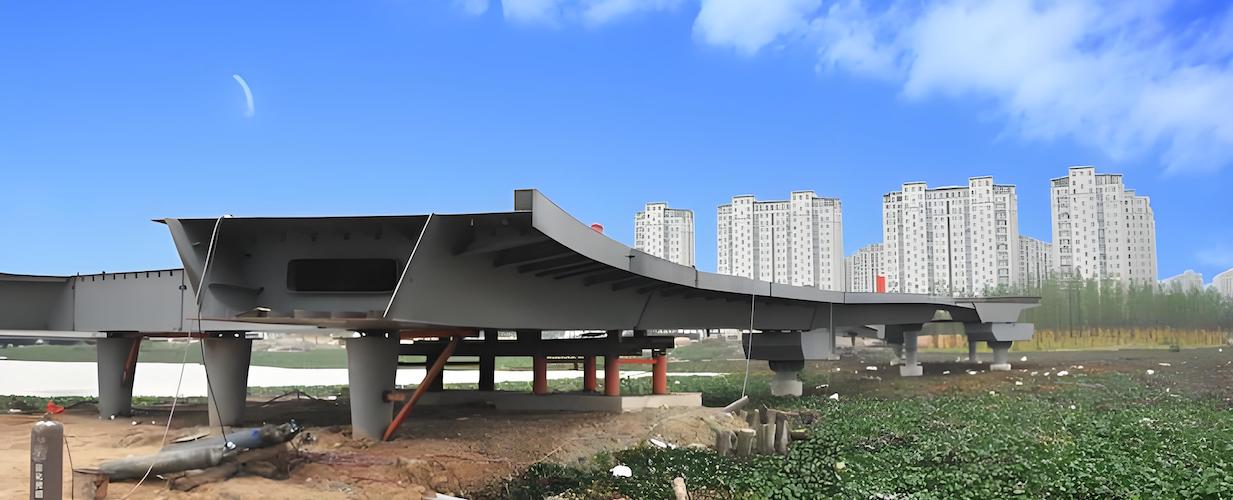
Advancements in engineering technology have led to the development of modular bridge systems that can be quickly assembled and disassembled. These systems are particularly useful in emergency situations, allowing for rapid deployment in response to disasters. The ability to transport and install these modular units efficiently has revolutionized emergency bridge construction. These systems often come with pre-engineered components that can be adapted to various site conditions, making them versatile solutions for different types of emergencies. Furthermore, the use of advanced modeling software allows engineers to simulate various scenarios, ensuring that the modular bridges can withstand the specific challenges posed by each situation.
The use of advanced materials, such as high-strength steel and composite materials, has enhanced the durability and load-bearing capacity of emergency bridges. These materials allow for the construction of lightweight yet robust structures that can be deployed quickly in various environments. Innovations in material science have also led to the development of corrosion-resistant coatings and treatments, extending the lifespan of emergency bridges. As a result, these structures can remain in place longer if needed, providing a reliable solution until permanent repairs can be made. The ongoing research into sustainable materials also promises to improve the environmental impact of bridge construction, aligning with modern engineering practices.
Effective emergency response planning is crucial for minimizing the impact of disasters on transportation infrastructure. Communities that have established comprehensive emergency plans are better equipped to respond to bridge failures. This includes identifying potential risks, conducting regular inspections, and having pre-approved designs for emergency bridges ready for rapid deployment. Engaging local stakeholders in the planning process can also enhance community resilience, as it fosters collaboration between government agencies, engineers, and the public. Regular drills and training exercises can further ensure that all parties are prepared to act swiftly in the event of a bridge emergency.
Raising public awareness about the importance of bridge safety and emergency preparedness can also play a significant role in mitigating the effects of bridge failures. Training for local emergency responders on how to quickly assess and address bridge-related emergencies can lead to more effective and timely responses. Community workshops and informational campaigns can educate residents about the signs of bridge deterioration and the importance of reporting concerns. Additionally, involving schools and local organizations in safety initiatives can foster a culture of vigilance and preparedness, ensuring that the community is ready to respond when emergencies arise.
The need for emergency bridge construction arises from a variety of factors, including natural disasters, human-made incidents, infrastructure failures, economic considerations, technological advancements, and community preparedness. Understanding these causes is essential for civil engineers, urban planners, and emergency responders to develop effective strategies for maintaining transportation networks and ensuring public safety. As technology continues to evolve, the methods and materials used in emergency bridge construction will likely improve, further enhancing the ability to respond to urgent infrastructure needs. By prioritizing preparedness and investing in innovative solutions, communities can better safeguard their transportation infrastructure against future challenges.
The most common emergencies include natural disasters such as earthquakes, floods, hurricanes, and tornadoes, as well as human-made incidents like vehicle collisions, acts of terrorism, and infrastructure failures due to aging or overloading.
The construction time for emergency bridges can vary depending on the design and materials used. Modular bridge systems can often be assembled within a few days to weeks, while more complex structures may take longer. Rapid deployment is a key focus in emergency situations.
Emergency bridges are often constructed using high-strength steel, composite materials, and modular components. These materials are chosen for their durability, lightweight properties, and ease of assembly, allowing for quick installation and resilience against environmental factors.
Communities prepare by developing comprehensive emergency response plans, conducting regular inspections of existing bridges, and engaging in public awareness campaigns. Training local emergency responders and conducting drills can also enhance readiness for bridge-related emergencies.
Technology plays a significant role in emergency bridge construction through advancements in materials, design software, and modular systems. These innovations allow for quicker assessments, more efficient construction processes, and the ability to create bridges that can withstand specific environmental challenges.


