

Views: 221 Author: Site Editor Publish Time: 2026-01-08 Origin: Site


Content Menu
● Understanding Steel Cable Suspension Bridges
● Advantages of Steel Cable Suspension Bridges
>>> Iconic Examples
>> 3. Flexibility and Resilience
>>> Maintenance Considerations
>> 6. Enhanced Load Distribution
>>> Load Management Techniques
● Frequently Asked and Questions regarding Steel Cable Suspension Bridges
>> 1. What are the primary materials used in constructing steel cable suspension bridges?
>> 4. How do steel cable suspension bridges perform in extreme weather conditions?
>> 5. What are the environmental benefits of steel cable suspension bridges?
Steel cable suspension bridges are a remarkable feat of engineering, combining aesthetic appeal with structural efficiency. These bridges have been pivotal in connecting communities and facilitating transportation across vast distances. In this article, we will explore the main advantages of steel cable suspension bridges, delving into their design, construction, and operational benefits.
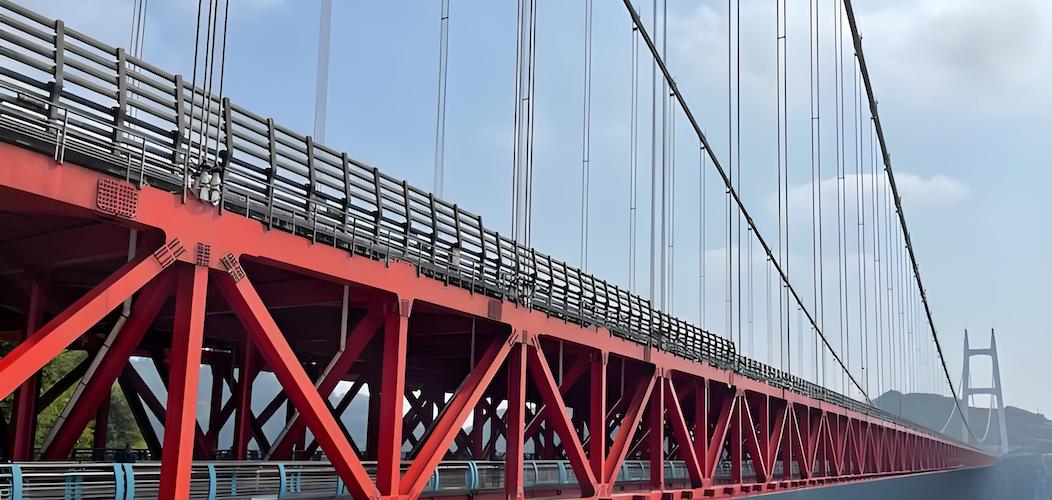
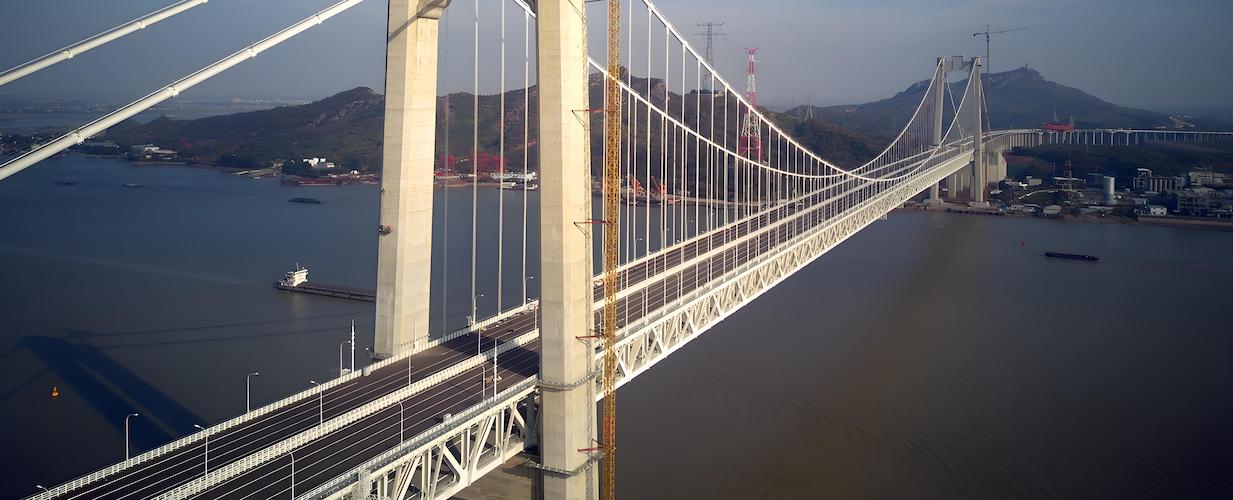
Steel cable suspension bridges are characterized by their unique design, where the bridge deck is suspended from cables that are strung between tall towers. The cables bear the load of the bridge and distribute it to the towers, which transfer the forces to the ground. This design allows for longer spans than traditional bridges, making them ideal for crossing wide bodies of water or deep valleys. The towers, often constructed from reinforced concrete or steel, provide the necessary height and strength to support the cables and the deck. The combination of these elements creates a structure that is not only functional but also visually striking.
The concept of suspension bridges dates back centuries, with early examples using natural materials like wood and rope. However, the advent of steel in the 19th century revolutionized bridge construction, leading to the development of iconic structures such as the Golden Gate Bridge and the Brooklyn Bridge. These bridges not only serve functional purposes but also stand as symbols of engineering prowess. The evolution of suspension bridge design has been influenced by advancements in materials science, allowing for the construction of larger and more complex structures that can withstand the test of time and environmental challenges.
One of the most significant advantages of steel cable suspension bridges is their ability to span long distances. The design allows for fewer supports, which is particularly beneficial in locations where placing piers is challenging or impossible. This capability makes them ideal for crossing large rivers, fjords, or deep gorges. The long spans also reduce the need for navigation obstacles, making these bridges more suitable for maritime traffic. As a result, they can facilitate smoother transportation routes and enhance connectivity between regions.
Advancements in materials and engineering techniques have further enhanced the span capabilities of suspension bridges. Modern materials, such as high-strength steel and advanced composites, allow for lighter and more durable structures. This innovation enables engineers to design bridges that can span even greater distances while maintaining safety and stability. Additionally, computer-aided design (CAD) and simulation technologies have improved the accuracy of load calculations and stress analysis, leading to more efficient designs that push the boundaries of traditional engineering.
Steel cable suspension bridges are often celebrated for their striking visual impact. The elegant lines of the cables and towers create a sense of grace and beauty that can enhance the surrounding landscape. This aesthetic quality makes them popular choices for landmark structures in urban environments. The interplay of light and shadow on the cables and the dynamic forms of the towers contribute to a bridge's visual identity, making it a focal point in the area.
Many of the world’s most famous bridges are suspension bridges, known not only for their functionality but also for their iconic designs. The Sydney Harbour Bridge and the Akashi Kaikyō Bridge in Japan are prime examples of how these structures can become symbols of their cities and countries. These bridges often attract tourists and photographers, further enhancing their cultural significance and economic impact on the surrounding areas.
Steel cable suspension bridges exhibit remarkable flexibility, allowing them to withstand dynamic loads such as wind, earthquakes, and traffic. The inherent elasticity of the cables enables the bridge to absorb and dissipate energy, reducing the risk of structural failure. This flexibility is crucial in ensuring the safety of the bridge and its users, particularly in regions prone to extreme weather conditions or seismic activity.
In regions prone to seismic activity, the flexibility of suspension bridges is a critical advantage. Engineers can design these structures to perform well during earthquakes, ensuring the safety of users and minimizing damage. This adaptability is essential for infrastructure resilience in a changing climate. By incorporating features such as expansion joints and dampers, engineers can further enhance the seismic performance of these bridges, allowing them to withstand significant ground movements without compromising structural integrity.
While the initial construction costs of steel cable suspension bridges can be high, their long-term benefits often outweigh these expenses. The reduced need for piers and foundations can lead to lower overall construction costs, especially in challenging terrains. Additionally, the durability of steel means that maintenance costs are often lower compared to other bridge types. This cost-effectiveness is particularly important for public infrastructure projects, where budget constraints are a significant consideration.
Regular maintenance is crucial for the longevity of any bridge. Steel cable suspension bridges require inspections and maintenance of the cables and deck, but advancements in technology have made monitoring easier. Non-destructive testing methods and real-time monitoring systems can help identify potential issues before they become significant problems. By implementing proactive maintenance strategies, bridge operators can extend the lifespan of these structures and ensure their continued safety and functionality.
Steel cable suspension bridges can have a lower environmental impact compared to other bridge types. Their design minimizes the need for extensive land alteration, preserving natural habitats and ecosystems. Furthermore, the materials used in construction can often be recycled, contributing to sustainability efforts. This environmentally friendly approach is increasingly important as communities seek to balance infrastructure development with ecological preservation.
Incorporating sustainable practices in the design and construction of suspension bridges can further enhance their environmental benefits. Using recycled materials, implementing energy-efficient construction methods, and considering the ecological impact during the planning stages can all contribute to a more sustainable infrastructure. Additionally, the integration of green spaces and pedestrian pathways in bridge designs can promote biodiversity and enhance the overall environmental quality of the area.
The design of steel cable suspension bridges allows for efficient load distribution. The cables transfer loads to the towers, which then distribute the forces to the foundations. This efficient load management reduces stress on individual components, enhancing the overall stability and safety of the bridge. The ability to distribute loads effectively is crucial in ensuring that the bridge can accommodate varying traffic patterns and environmental conditions.
Engineers employ various techniques to optimize load distribution in suspension bridges. These include careful calculations of cable tension, tower placement, and deck design. By ensuring that loads are evenly distributed, engineers can enhance the bridge's performance and longevity. Advanced modeling software allows for precise simulations of load scenarios, enabling engineers to design bridges that can withstand both static and dynamic forces effectively.
Steel cable suspension bridges offer a high degree of design versatility. Engineers can customize the shape, size, and materials used in the construction to meet specific project requirements. This flexibility allows for innovative designs that can accommodate unique geographical and aesthetic considerations. The ability to adapt the design to the specific needs of a project ensures that the bridge not only serves its functional purpose but also complements the surrounding environment.
From the height of the towers to the curvature of the cables, every aspect of a suspension bridge can be tailored to fit the needs of the project. This customization can lead to more efficient designs that optimize both functionality and visual appeal. The collaboration between architects and engineers during the design phase can result in bridges that are not only structurally sound but also architecturally stunning, enhancing the overall urban landscape.
Steel cable suspension bridges represent a remarkable blend of engineering innovation, aesthetic beauty, and practical functionality. Their ability to span long distances, withstand dynamic loads, and adapt to various environmental conditions makes them a preferred choice for many infrastructure projects. As technology continues to advance, the potential for even more efficient and sustainable designs will only enhance the role of steel cable suspension bridges in our transportation networks.
The advantages of steel cable suspension bridges extend beyond their structural capabilities; they also contribute to the cultural and aesthetic fabric of the regions they serve. As we look to the future, these bridges will undoubtedly continue to play a vital role in connecting communities and facilitating the movement of people and goods across the globe. Their enduring legacy will inspire future generations of engineers and architects to push the boundaries of what is possible in bridge design and construction.
The primary materials used in constructing steel cable suspension bridges include high-strength steel for the cables and structural components, reinforced concrete for the towers and foundations, and sometimes composite materials for specific elements to enhance durability and reduce weight.
Engineers ensure stability and safety during construction by using temporary supports, conducting thorough load analysis, and employing advanced monitoring systems to track structural integrity. They also follow strict construction protocols and utilize high-quality materials to minimize risks.
Modern steel cable suspension bridges often incorporate innovative design elements such as aerodynamic shapes to reduce wind resistance, integrated lighting systems for aesthetic appeal and safety, and smart technology for real-time monitoring of structural health.
Steel cable suspension bridges are designed to perform well in extreme weather conditions due to their flexibility and aerodynamic design. They can withstand high winds, heavy rain, and even seismic activity, thanks to their ability to absorb and dissipate forces effectively.
The environmental benefits of steel cable suspension bridges include minimal land alteration during construction, the potential for using recycled materials, and their ability to preserve natural habitats. Additionally, their long lifespan reduces the need for frequent replacements, further minimizing environmental impact.


