

Views: 221 Author: Site Editor Publish Time: 2025-04-07 Origin: Site


Content Menu
● Understanding Emergency Bridges
>>> Bailey Bridges
>>> Truss Bridges
>>> Modular Bridges
● Load Capacity of Emergency Bridges
>> Bailey Bridges Load Capacity
>> Truss Bridges Load Capacity
>> Modular Bridges Load Capacity
>> Temporary Bridges Load Capacity
● Lifespan of Emergency Bridges
● Factors Influencing Load Capacity and Lifespan
>> Traffic Load
● Frequently Asked Questions regarding Emergency Bridge
>> 1. What is the primary purpose of emergency bridges?
>> 2. How quickly can a Bailey bridge be deployed in an emergency situation?
>> 3. What factors can affect the load capacity of an emergency bridge?
>> 4. How often should emergency bridges be inspected for safety?
>> 5. What materials are commonly used in the construction of emergency bridges?
Emergency bridges play a crucial role in disaster response and recovery, providing vital connections when traditional infrastructure is compromised. Understanding the load capacity and lifespan of various emergency bridge types is essential for effective planning and deployment. This article explores the different types of emergency bridges, their load capacities, and their expected lifespans, providing a comprehensive overview for engineers, planners, and emergency responders.
Emergency bridges are temporary structures designed to restore transportation routes quickly after disasters such as floods, earthquakes, or other catastrophic events. These bridges are engineered to meet specific requirements, including rapid deployment, ease of assembly, and the ability to support various loads. The importance of emergency bridges cannot be overstated, as they facilitate the movement of emergency services, supplies, and personnel, ensuring that communities can recover more swiftly from disruptions. Their design often incorporates features that allow for quick assembly and disassembly, making them ideal for situations where time is of the essence.
There are several types of emergency bridges, each with unique characteristics and applications. The most common types include:
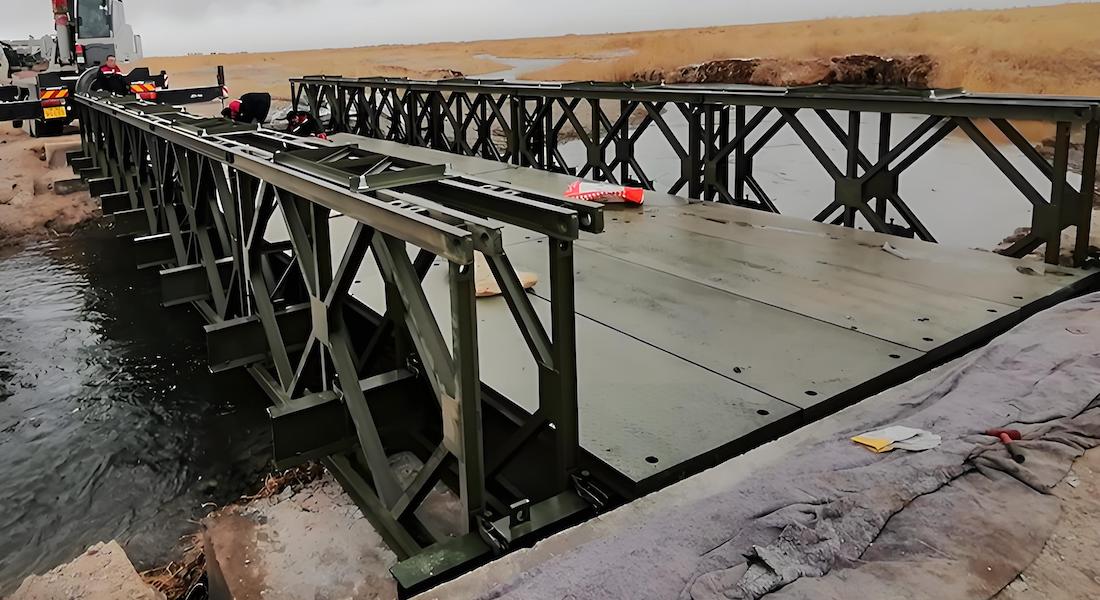
Bailey bridges are modular, prefabricated structures that can be assembled quickly in the field. They are made of steel and are known for their strength and versatility. Bailey bridges can be used for both vehicular and pedestrian traffic, making them suitable for a wide range of emergency situations. Their modular design allows for easy transport and assembly, which is particularly beneficial in remote or disaster-stricken areas where traditional construction methods may be impractical. Additionally, Bailey bridges can be adapted to various lengths and load capacities, making them a flexible solution for different scenarios.
Truss bridges utilize a framework of triangular units to distribute loads efficiently. They are often used in emergency situations due to their ability to span long distances while maintaining structural integrity. Truss bridges can support heavy loads, making them ideal for military and emergency response vehicles. The design of truss bridges not only enhances their load-bearing capacity but also allows for a lightweight structure that can be transported easily. This combination of strength and portability makes truss bridges a popular choice for emergency applications, especially in situations where rapid deployment is critical.
Modular bridges consist of pre-manufactured sections that can be transported and assembled on-site. These bridges are designed for rapid deployment and can be customized to meet specific load and span requirements. Their flexibility makes them suitable for various emergency scenarios. Modular bridges can be designed to accommodate different traffic types, from light vehicles to heavy trucks, ensuring that they meet the needs of the situation. Furthermore, advancements in modular bridge technology have led to the development of systems that can be assembled without the need for heavy machinery, further speeding up the deployment process.
Temporary bridges are designed for short-term use and can be constructed quickly. They are often made from lightweight materials, allowing for easy transport and installation. While they may not support as heavy loads as other types, they are invaluable in urgent situations where immediate access is required. Temporary bridges can be deployed in a matter of hours, providing critical access for emergency responders and relief efforts. Their design often prioritizes ease of assembly and disassembly, making them ideal for situations where infrastructure needs to be restored quickly but may not require a permanent solution.
The load capacity of an emergency bridge is a critical factor that determines its suitability for specific applications. Load capacity refers to the maximum weight that a bridge can safely support, including both static and dynamic loads. Understanding the load capacity is essential for ensuring that the bridge can handle the expected traffic and any emergency vehicles that may need to cross.
Bailey bridges typically have a load capacity ranging from 20 to 70 tons, depending on their configuration and materials used. The design allows for easy modification to increase capacity if necessary. These bridges are particularly effective for military operations and disaster relief efforts, where heavy vehicles may need to cross. The ability to adjust the load capacity makes Bailey bridges a versatile option for various emergency scenarios, allowing them to be tailored to specific needs. Additionally, their robust construction ensures that they can withstand the stresses of heavy traffic, making them a reliable choice for urgent deployments.
Truss bridges can support significantly heavier loads, often exceeding 100 tons. Their design allows for efficient load distribution, making them ideal for emergency situations where heavy equipment and vehicles must traverse the bridge. The specific load capacity can vary based on the materials and design specifications. Truss bridges are particularly advantageous in scenarios where heavy machinery, such as cranes or rescue vehicles, needs to cross, ensuring that operations can continue without delay. Their strength and stability make them a preferred choice for both temporary and longer-term applications in emergency situations.
Modular bridges are designed to accommodate various load requirements, typically ranging from 20 to 60 tons. The modular nature allows for customization based on the specific needs of the deployment. These bridges are particularly useful in scenarios where rapid assembly is required without compromising safety. The ability to adjust the load capacity based on the configuration of the modular sections ensures that they can meet the demands of different emergency situations. Furthermore, modular bridges can be designed to support a range of traffic types, enhancing their versatility in various contexts.
Temporary bridges generally have lower load capacities, often between 10 to 30 tons. They are designed for light to moderate traffic and are ideal for situations where immediate access is needed, but heavy loads are not anticipated. Their lightweight construction facilitates quick installation and removal. While they may not be suitable for heavy vehicles, temporary bridges provide essential access for emergency responders and can be used to transport supplies and personnel quickly. Their design focuses on rapid deployment, making them invaluable in urgent situations where time is critical.
The lifespan of an emergency bridge is influenced by several factors, including materials used, environmental conditions, and the types of loads it supports. Understanding these factors is essential for planning the duration of use and maintenance requirements. The lifespan of a bridge can significantly impact the overall effectiveness of emergency response efforts, as it determines how long the bridge can remain operational before needing replacement or extensive repairs.
Bailey bridges can have a lifespan of 10 to 20 years, depending on maintenance and environmental conditions. Regular inspections and maintenance can extend their usability, ensuring they remain safe for public use. The steel construction provides durability, but exposure to harsh weather can affect longevity. Proper care, including rust prevention and structural assessments, can significantly enhance the lifespan of Bailey bridges, making them a reliable option for long-term emergency solutions. Their modular design also allows for easy replacement of damaged sections, further extending their operational life.
Truss bridges are designed for long-term use, with lifespans often exceeding 30 years. Their robust design and materials contribute to their durability, making them suitable for both temporary and permanent applications. Proper maintenance is crucial to ensure their structural integrity over time. Regular inspections can identify potential issues before they become significant problems, allowing for timely repairs that can extend the lifespan of the bridge. The longevity of truss bridges makes them a valuable asset in emergency response planning, as they can provide reliable access for many years.
The lifespan of modular bridges can vary widely, typically ranging from 5 to 15 years. Factors such as material choice and environmental exposure play significant roles in determining their longevity. Advances in materials science, including the use of composite materials, can enhance the durability of these structures. Modular bridges are often designed for specific applications, and their lifespan can be influenced by how well they are maintained and the conditions in which they are used. Regular assessments and proactive maintenance can help maximize their operational life, ensuring they remain effective during emergencies.
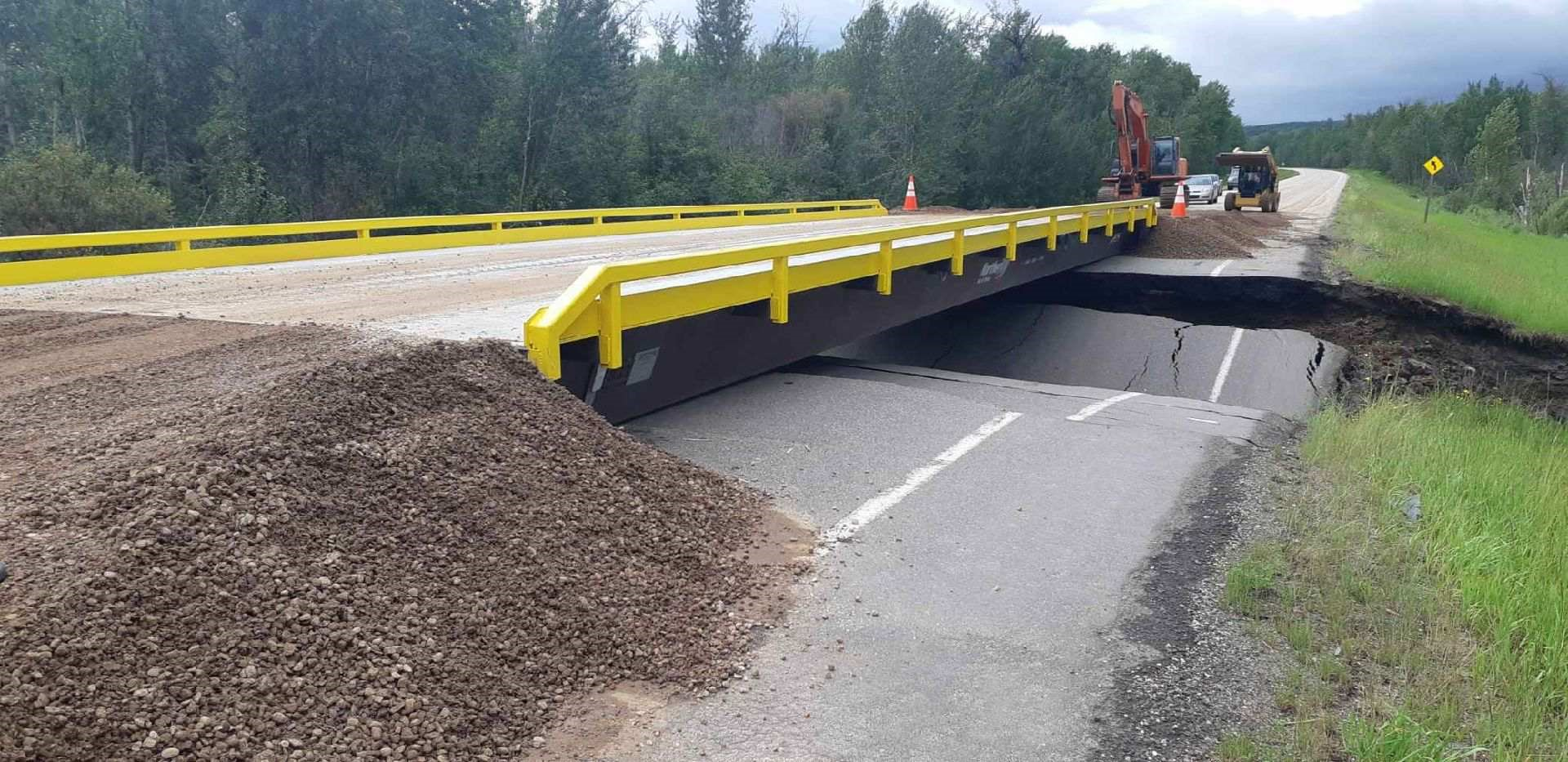
Temporary bridges are intended for short-term use, with lifespans ranging from a few months to a few years. Their design prioritizes rapid deployment over long-term durability. Regular assessments are necessary to ensure they remain safe for use, especially if they are in place for extended periods. While temporary bridges may not be designed for longevity, their ability to provide immediate access in critical situations is invaluable. Understanding their limitations and planning for their eventual replacement is essential for maintaining effective emergency response capabilities.
Several factors influence both the load capacity and lifespan of emergency bridges. Understanding these factors is essential for effective design and deployment. By considering these elements, engineers and planners can make informed decisions that enhance the performance and reliability of emergency bridges.
The materials used in constructing emergency bridges significantly impact their load capacity and lifespan. Steel bridges, for example, are generally more resilient than those made from lighter materials. Advances in materials science have led to the development of composite materials that offer both strength and reduced weight, further enhancing the performance of emergency bridges. The choice of materials also affects the bridge's resistance to environmental factors, such as corrosion and wear, which can significantly influence its longevity. Selecting the right materials is crucial for ensuring that the bridge can withstand the demands of emergency situations.
The design of an emergency bridge plays a crucial role in determining its load capacity and lifespan. Bridges engineered to withstand higher loads and environmental stresses will have a longer lifespan. Additionally, designs that facilitate easy maintenance can extend the usability of the bridge. Innovative design approaches, such as incorporating redundancy and using advanced engineering techniques, can enhance the overall performance of emergency bridges. By prioritizing both strength and ease of maintenance in the design process, engineers can create structures that are not only effective in emergencies but also sustainable over time.
Environmental factors such as temperature fluctuations, humidity, and exposure to corrosive elements can affect the lifespan of emergency bridges. Bridges deployed in harsh conditions may require more frequent inspections and maintenance to ensure safety and functionality. Understanding the specific environmental challenges that a bridge may face is essential for selecting appropriate materials and design features. For instance, bridges in coastal areas may need additional corrosion protection, while those in regions with extreme temperature variations may require materials that can withstand thermal expansion and contraction. By accounting for these factors during the design phase, engineers can enhance the durability and longevity of emergency bridges.
The amount and type of traffic that an emergency bridge must support can also influence its lifespan. Bridges designed to carry heavy vehicles, such as military trucks or emergency response vehicles, may require more frequent maintenance and could have a shorter lifespan if subjected to excessive loads. Understanding the expected traffic patterns and potential changes in usage is crucial for determining the appropriate design and materials for an emergency bridge. By anticipating the types of loads the bridge will encounter, engineers can ensure that the structure is adequately designed to handle those demands without compromising safety or longevity.
Emergency bridges are vital for restoring connectivity in times of crisis. Understanding their load capacities and expected lifespans is essential for effective planning and deployment. By considering the various types of emergency bridges, their specific load capacities, and the factors influencing their longevity, engineers and emergency responders can make informed decisions that enhance public safety and facilitate rapid recovery efforts. As technology advances, the development of new materials and designs will continue to improve the performance and reliability of emergency bridges, ensuring they meet the demands of future challenges. The ongoing evolution of emergency bridge technology will play a critical role in shaping how communities respond to disasters, ultimately leading to more resilient infrastructure and improved recovery outcomes.
The primary purpose of emergency bridges is to restore transportation routes quickly after disasters, such as floods or earthquakes, ensuring that emergency services, supplies, and personnel can move freely to affected areas.
A Bailey bridge can typically be deployed within a few hours to a day, depending on the site conditions and the number of personnel available for assembly. Its modular design allows for rapid construction in the field.
The load capacity of an emergency bridge can be affected by several factors, including the materials used in construction, the design of the bridge, environmental conditions (such as temperature and humidity), and the type of traffic it is expected to support.
Emergency bridges should be inspected regularly, especially after severe weather events or heavy usage. A general recommendation is to conduct inspections at least once a year, but more frequent checks may be necessary depending on the bridge's condition and the environmental factors it faces.
Common materials used in the construction of emergency bridges include steel, aluminum, and composite materials. Steel is favored for its strength and durability, while aluminum is often used for its lightweight properties. Composite materials are increasingly being utilized for their resistance to corrosion and overall longevity.


