

Views: 233 Author: Site Editor Publish Time: 2025-04-08 Origin: Site


Content Menu
● Understanding Emergency Bridge Construction
● Key Challenges in Emergency Bridge Construction
>>> Nighttime Construction Issues
>> 2. Environmental Conditions
>>> Material Supply Chain Issues
>> 4. Coordination and Communication
>>> Multi-Agency Collaboration
>>> Worker Safety
>> 6. Regulatory and Legal Challenges
>>> Liability Issues
● Strategies for Overcoming Challenges
>> 2. Innovative Construction Techniques
>>> Public Information Campaigns
>>> Comprehensive Safety Protocols
● Frequently Asked Questions regarding Emergency Bridges
>> 1. What are the primary causes of the need for emergency bridge construction?
>> 2. How do time constraints impact the quality of emergency bridge construction?
>> 3. What role does technology play in emergency bridge construction?
>> 4. How can agencies improve coordination during emergency bridge construction?
>> 5. What safety measures are essential during emergency bridge construction?
Emergency bridge construction is a critical aspect of infrastructure management, particularly in response to natural disasters, accidents, or structural failures. The urgency of these projects often leads to unique challenges that must be addressed to ensure safety, efficiency, and effectiveness. This article explores the various challenges faced during emergency bridge construction, categorized under several key themes.
Emergency bridge construction refers to the rapid deployment of temporary or permanent bridge structures in response to urgent needs. These needs may arise from events such as floods, earthquakes, or vehicular accidents that compromise existing infrastructure. The primary goal is to restore connectivity and ensure public safety as quickly as possible. The importance of emergency bridge construction cannot be overstated, as it plays a vital role in disaster recovery efforts, enabling the movement of emergency services, goods, and personnel. A well-executed emergency bridge project can significantly reduce the time communities spend isolated, thereby facilitating quicker recovery and rebuilding efforts.
Emergency bridges can be classified into several types, including:
Temporary Bridges: Often made from lightweight materials, these structures are designed for quick installation and removal. They are typically used to restore access immediately after a disaster, allowing for the transport of emergency supplies and personnel.
Permanent Replacement Bridges: These are built to replace damaged structures and are intended for long-term use. They are designed to meet current engineering standards and can incorporate modern materials and technologies to enhance durability and safety.
Modular Bridges: Pre-fabricated sections that can be quickly assembled on-site, reducing construction time. Modular bridges are particularly advantageous in emergency situations as they can be transported easily and installed rapidly, minimizing disruption to the surrounding area.
One of the most significant challenges in emergency bridge construction is the time constraint. After a disaster, the need for immediate action is paramount. Delays can lead to further economic losses and hinder recovery efforts. The pressure to complete projects quickly often compromises thorough planning and execution. In many cases, the urgency can lead to rushed decisions that may overlook critical engineering assessments, potentially jeopardizing the safety and longevity of the bridge.
In many cases, construction must occur at night to minimize disruption to traffic and local communities. However, nighttime work presents challenges such as reduced visibility, increased fatigue among workers, and potential safety hazards. The lack of natural light can complicate tasks that require precision, and the risk of accidents can increase significantly. Additionally, nighttime operations may require additional safety measures, such as enhanced lighting and more stringent supervision, which can further strain resources.
Emergency bridge construction often occurs under adverse weather conditions. Extreme temperatures, heavy rainfall, or snow can impede construction efforts, affect material performance, and pose safety risks to workers. For instance, wet conditions can lead to unstable ground, complicating the foundation work necessary for bridge stability. Moreover, severe weather can also delay the delivery of materials and equipment, further extending project timelines.
Unexpected geological conditions, such as soft soils or rock formations, can significantly delay construction. These conditions may require additional engineering solutions, such as soil stabilization techniques, which can extend project timelines and increase costs. The unpredictability of the ground conditions can lead to costly redesigns and modifications, which are particularly challenging in emergency situations where time is of the essence.
The urgency of emergency bridge projects can strain supply chains. The demand for construction materials often spikes following a disaster, leading to shortages and increased prices. This scarcity can delay project timelines and force contractors to seek alternative materials, which may not meet the required specifications. Additionally, the logistics of transporting materials to remote or damaged areas can complicate the supply chain further, necessitating innovative solutions to ensure timely delivery.
Emergency projects require skilled labor, but the sudden demand can lead to shortages. Many construction workers may be engaged in other recovery efforts, making it difficult to assemble a qualified workforce quickly. This shortage can impact the quality and speed of construction. Furthermore, the stress and fatigue associated with working in emergency conditions can lead to decreased productivity and increased risk of accidents, further complicating the situation.
Emergency bridge construction often involves multiple agencies, including local governments, state transportation departments, and federal organizations. Coordinating efforts among these entities can be challenging, particularly when each has different priorities, protocols, and communication styles. Effective collaboration is essential to streamline decision-making processes and ensure that all parties are aligned in their objectives. Miscommunication can lead to delays and inefficiencies, underscoring the need for a unified command structure during emergencies.
Effective communication with the public is crucial during emergency bridge construction. Residents need to be informed about detours, construction timelines, and safety measures. Poor communication can lead to frustration and decreased public trust in the agencies involved. Establishing clear channels for public updates, such as social media, local news outlets, and community meetings, can help manage expectations and foster a sense of community involvement in the recovery process.
The urgency of emergency bridge construction can lead to compromised safety protocols. Workers may be rushed to complete tasks, increasing the risk of accidents and injuries. Ensuring that safety measures are adhered to, even under pressure, is essential for protecting the workforce. Implementing rigorous safety training and maintaining a culture of safety awareness can help mitigate these risks, ensuring that workers are equipped to handle the challenges of emergency construction environments.
The integrity of emergency bridges is paramount. Rapid construction methods may lead to oversights in design and engineering, potentially compromising the safety of the structure. Rigorous inspections and adherence to engineering standards are necessary to ensure that the bridge can withstand future stresses. Additionally, post-construction evaluations are critical to assess the long-term viability of the bridge and identify any necessary maintenance or upgrades.
Even in emergencies, regulatory requirements must be met. Obtaining the necessary permits can be time-consuming, and navigating these processes can delay construction. Agencies must balance the need for speed with compliance to ensure that all legal requirements are satisfied. Streamlining the permitting process for emergency situations can help expedite construction while still maintaining necessary safety and environmental standards.
In the aftermath of a disaster, liability concerns can arise, particularly if the bridge failure was due to negligence. Contractors and agencies must be aware of potential legal ramifications and ensure that all work is documented and compliant with regulations to mitigate risks. Establishing clear contracts and liability agreements before emergencies occur can help clarify responsibilities and protect all parties involved.
Agencies can mitigate some challenges by engaging in pre-disaster planning. This includes identifying potential emergency bridge sites, pre-qualifying contractors, and establishing supply chain agreements for materials. Having a plan in place can significantly reduce response times. Additionally, conducting risk assessments to identify vulnerable infrastructure can help prioritize which bridges need immediate attention in the event of a disaster.
Regular training and emergency drills for construction teams can enhance readiness. Familiarity with emergency protocols and procedures can improve efficiency and safety during actual events. These drills can also help identify potential weaknesses in the response plan, allowing agencies to make necessary adjustments before a real emergency occurs.
Incorporating technology, such as drones for site surveys and 3D modeling for design, can streamline the construction process. These tools can help identify potential issues early and facilitate better planning. Additionally, using advanced materials, such as high-performance concrete and steel, can enhance the durability and safety of emergency bridges, ensuring they can withstand future challenges.
Utilizing modular construction techniques can significantly reduce on-site construction time. Pre-fabricated components can be manufactured off-site and quickly assembled, minimizing delays and disruptions. This approach not only speeds up the construction process but also allows for greater quality control, as components can be built in a controlled environment before being transported to the site.
Establishing clear lines of communication among all stakeholders, including government agencies, contractors, and the public, is essential. Regular updates and transparent communication can help manage expectations and foster cooperation. Creating a centralized communication platform can facilitate information sharing and ensure that all parties are informed of developments in real time.
Implementing public information campaigns can keep the community informed about construction progress, detours, and safety measures. This transparency can help build trust and reduce frustration among residents. Engaging the community through public forums and feedback sessions can also provide valuable insights into local concerns and preferences, allowing agencies to address them proactively.
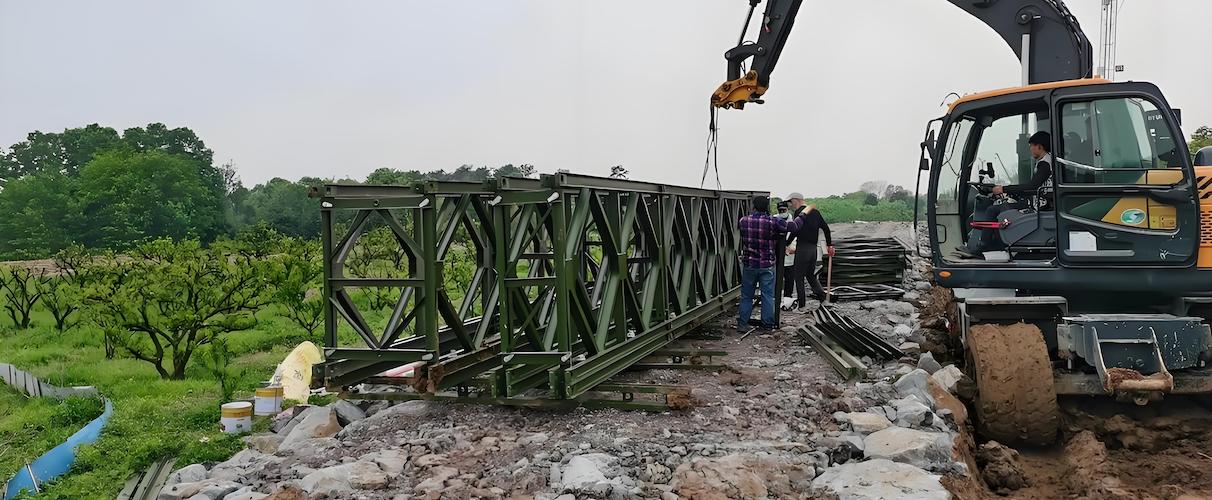
Developing and enforcing comprehensive safety protocols is crucial. This includes regular safety training for workers, strict adherence to safety standards, and the use of personal protective equipment. Establishing a safety culture within the workforce can empower workers to prioritize safety and report potential hazards without fear of repercussions.
Conducting regular inspections of both the construction site and the materials used can help ensure that safety standards are met. This vigilance can prevent accidents and ensure the structural integrity of the bridge. Implementing a robust inspection schedule, particularly during critical phases of construction, can help identify and address issues before they escalate.
Emergency bridge construction presents a unique set of challenges that require careful consideration and strategic planning. By understanding the complexities involved and implementing effective strategies, agencies can enhance their response to emergencies and ensure the safety and efficiency of bridge construction projects. As infrastructure continues to face pressures from natural disasters and increasing traffic demands, the importance of addressing these challenges will only grow. Through innovation, collaboration, and a commitment to safety, the future of emergency bridge construction can be more resilient and effective, ultimately leading to stronger communities and improved public safety.
The primary causes include natural disasters such as floods, earthquakes, and hurricanes, as well as human-made incidents like vehicular accidents, structural failures, and explosions. These events can compromise the integrity of existing bridges, necessitating immediate construction efforts to restore connectivity.
Time constraints can lead to rushed decision-making and inadequate planning, which may compromise the quality and safety of the construction. The urgency to complete projects quickly can result in oversights in engineering assessments, potentially leading to structural weaknesses in the bridge.
Technology plays a crucial role by enhancing efficiency and accuracy in the construction process. Tools such as drones for site surveys, 3D modeling for design, and advanced materials can streamline operations, improve planning, and ensure that bridges are built to withstand future stresses.
Agencies can improve coordination by establishing clear communication channels among all stakeholders, including government entities, contractors, and the public. Regular updates, centralized communication platforms, and collaborative planning can help align efforts and streamline decision-making processes.
Essential safety measures include comprehensive safety training for workers, strict adherence to safety protocols, regular inspections of the construction site, and the use of personal protective equipment. Creating a culture of safety awareness among workers is also vital to prevent accidents and ensure a safe working environment.


