

Views: 221 Author: Site Editor Publish Time: 2025-04-09 Origin: Site


Content Menu
● Understanding Temporary Modular Bridges
● Material Selection and Its Impact on Lifespan
>> Common Materials Used in Temporary Modular Bridges
>> Factors Influencing Material Performance
● Lifespan Expectations for Different Materials
● Maintenance and Inspection Practices
>> Importance of Regular Maintenance
>> Maintenance Strategies for Different Materials
● Frequently Asked Questions regarding Temporary Modular Bridge
>> 1. What are the primary advantages of using temporary modular bridges?
>> 2. How does environmental exposure affect the lifespan of temporary modular bridges?
>> 3. What maintenance practices are essential for extending the lifespan of temporary modular bridges?
>> 4. Why are composite materials becoming more popular in temporary modular bridge construction?
>> 5. How do load requirements influence the choice of materials for temporary modular bridges?
Temporary modular bridges are essential structures used in various applications, from emergency situations to construction projects. Their design allows for quick assembly and disassembly, making them ideal for short-term use. However, the materials used in constructing these bridges significantly influence their lifespan, durability, and overall performance. This article explores how different materials affect the lifespan of temporary modular bridges, examining various aspects such as material properties, environmental factors, and maintenance requirements.
Temporary modular bridges are prefabricated structures designed to provide a safe passage for vehicles and pedestrians over obstacles such as rivers, roads, or construction sites. These bridges are particularly valuable in scenarios where traditional bridge construction would be impractical or too time-consuming. They are typically made from various materials, including steel, aluminum, and composite materials, and are engineered for rapid deployment and removal. The versatility of temporary modular bridges allows them to serve multiple purposes, including detouring traffic during construction, providing access to remote areas, and facilitating emergency responses in disaster-stricken regions. Their ability to be quickly assembled and disassembled makes them a critical resource in both urban and rural settings, where infrastructure needs can change rapidly.
The design of temporary modular bridges emphasizes flexibility and efficiency. They are often modular, meaning they consist of pre-manufactured sections that can be easily transported and assembled on-site. This modularity allows for quick installation, reducing downtime and minimizing disruptions to traffic and operations. The design also considers load-bearing capacities, ensuring that the bridge can support the intended traffic while maintaining safety standards. Additionally, the engineering of these bridges often incorporates features such as adjustable spans and variable load capacities, allowing them to adapt to different site conditions and usage requirements. This adaptability is crucial in emergency situations where time and safety are of the essence.
Steel: Steel is one of the most commonly used materials for temporary modular bridges due to its high strength-to-weight ratio and durability. Steel bridges can withstand heavy loads and are resistant to deformation under stress. However, they are susceptible to corrosion, especially in harsh environments. The use of galvanized or stainless steel can mitigate some of these issues, but regular maintenance is still necessary to ensure longevity. Steel's ability to be fabricated into various shapes and sizes also allows for innovative designs that can meet specific engineering challenges.
Aluminum: Aluminum is another popular choice for temporary bridges. It is lightweight, resistant to corrosion, and easy to handle, making it ideal for rapid deployment. While aluminum bridges may not support as heavy loads as steel, they are often used in applications where weight is a critical factor. The lightweight nature of aluminum also facilitates easier transportation and installation, which can be particularly beneficial in remote or difficult-to-access locations. Furthermore, advancements in aluminum alloy technology have improved its strength and durability, making it a more viable option for a wider range of applications.
Composite Materials: Advanced composite materials, such as fiberglass and carbon fiber, are increasingly being used in temporary bridge construction. These materials offer excellent strength and durability while being lightweight and resistant to environmental degradation. Composites can also be engineered to meet specific performance criteria, enhancing the bridge's lifespan. The use of composites allows for innovative designs that can incorporate complex geometries and aesthetic considerations, making them suitable for both functional and architectural applications. Additionally, composites are often more resistant to chemical exposure, making them ideal for use in industrial or coastal environments.
The performance of materials used in temporary modular bridges is influenced by several factors, including:
Environmental Conditions: Bridges exposed to extreme weather conditions, such as heavy rain, snow, or saltwater, may experience accelerated wear and tear. For instance, steel bridges in coastal areas may require additional protective coatings to prevent corrosion. The choice of material must consider the specific environmental challenges of the location, including temperature fluctuations, humidity levels, and potential exposure to chemicals or pollutants. Understanding these factors can help engineers design bridges that are not only functional but also resilient against the elements.
Load Requirements: The expected load on the bridge significantly impacts material selection. Steel is often preferred for heavy-duty applications, while aluminum may be suitable for lighter loads. The anticipated traffic patterns, including the types of vehicles and their weights, must be carefully analyzed to ensure that the chosen material can safely support the expected loads over time. Additionally, considerations such as dynamic loading from moving vehicles and potential impacts from environmental factors like wind or seismic activity must be factored into the design.
Maintenance Practices: Regular maintenance is crucial for extending the lifespan of temporary modular bridges. Materials that require less maintenance, such as composites, may offer longer service life compared to traditional materials like steel, which may need frequent inspections and protective treatments. The maintenance strategy should be tailored to the specific materials used, taking into account their unique properties and vulnerabilities. Implementing a proactive maintenance schedule can help identify potential issues before they become critical, ensuring the bridge remains safe and functional throughout its intended lifespan.
Steel temporary modular bridges typically have a lifespan ranging from five to fifteen years, depending on environmental conditions and maintenance practices. With proper care, including regular inspections and corrosion protection, steel bridges can last longer. However, their susceptibility to rust and corrosion necessitates ongoing maintenance to ensure safety and functionality. The longevity of steel bridges can be significantly enhanced through the use of protective coatings, such as galvanization or paint, which provide a barrier against moisture and corrosive elements. Additionally, advancements in steel manufacturing techniques have led to the development of high-performance steels that offer improved resistance to fatigue and environmental degradation.
Aluminum bridges generally have a lifespan of around ten to twenty years. Their resistance to corrosion makes them suitable for various environments, including coastal areas. However, they may not be as robust as steel in terms of load-bearing capacity, which can limit their application in heavy traffic scenarios. The lightweight nature of aluminum also means that it can be more easily damaged by impacts or heavy loads, necessitating careful consideration of its use in high-traffic areas. Despite these limitations, the growing use of aluminum alloys with enhanced strength properties is expanding the potential applications for aluminum bridges, allowing them to be used in more demanding environments.
Composite materials can significantly extend the lifespan of temporary modular bridges, often exceeding twenty years. Their resistance to environmental factors and reduced maintenance requirements make them an attractive option for long-term temporary solutions. As technology advances, the use of composites in bridge construction is expected to increase, offering enhanced performance and durability. The ability to tailor composite materials to specific applications allows for innovative designs that can meet unique engineering challenges. Furthermore, the lightweight nature of composites facilitates easier handling and installation, making them ideal for rapid deployment in emergency situations.
Regular maintenance is essential for ensuring the longevity and safety of temporary modular bridges. Maintenance practices may include:
Routine Inspections: Regular inspections help identify potential issues, such as structural damage or corrosion. Early detection allows for timely repairs, preventing further deterioration. Inspections should be conducted at predetermined intervals and after significant weather events or heavy usage periods to ensure that any emerging issues are addressed promptly.
Cleaning: Keeping the bridge clean from debris and contaminants can prevent corrosion and other forms of wear. This is particularly important for steel bridges, which are prone to rust. Regular cleaning can also enhance the aesthetic appearance of the bridge, contributing to its overall longevity and public perception.
Protective Coatings: Applying protective coatings to steel and aluminum bridges can significantly enhance their resistance to environmental factors. These coatings act as a barrier against moisture and corrosive elements. The choice of coating should be based on the specific environmental conditions the bridge will face, ensuring optimal protection against wear and degradation.
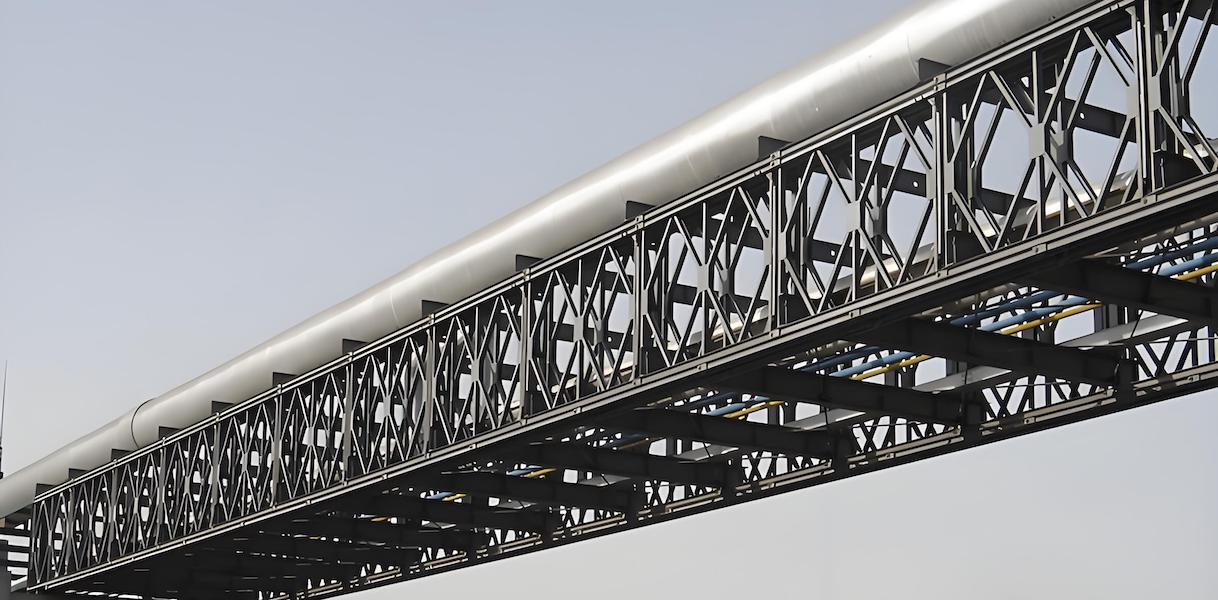
Steel Bridges: Maintenance strategies for steel bridges often include applying anti-corrosion treatments, inspecting welds and joints, and ensuring that drainage systems are functioning properly to prevent water accumulation. Regularly scheduled maintenance can help extend the lifespan of steel bridges, allowing them to remain safe and functional for longer periods.
Aluminum Bridges: Aluminum bridges require less maintenance due to their corrosion resistance. However, regular inspections are still necessary to check for structural integrity and any signs of wear. Maintenance practices may include checking for loose connections and ensuring that the bridge remains free of debris that could impede its function.
Composite Bridges: Composite materials typically require minimal maintenance. Inspections should focus on ensuring that connections and joints remain secure, as well as checking for any surface degradation. The inherent properties of composites often lead to lower maintenance costs, making them an attractive option for temporary modular bridge applications.
The lifespan of temporary modular bridges is significantly influenced by the materials used in their construction. Steel, aluminum, and composite materials each offer unique advantages and challenges that affect their durability and performance. Understanding these factors is crucial for selecting the appropriate material for specific applications, ensuring that the bridge meets safety standards and operational requirements.
As technology continues to evolve, the development of new materials and construction techniques will likely enhance the performance and lifespan of temporary modular bridges. By prioritizing material selection and maintenance practices, engineers and project managers can ensure that these vital structures serve their intended purpose effectively and safely for years to come. The ongoing research and innovation in bridge materials will undoubtedly lead to even more efficient and durable solutions, further solidifying the role of temporary modular bridges in modern infrastructure development.
The primary advantages of temporary modular bridges include rapid installation and disassembly, flexibility in design, cost-effectiveness, and the ability to provide immediate access in emergency situations. Their modular nature allows for easy transportation and customization to meet specific site requirements.
Environmental exposure, such as moisture, salt, and extreme temperatures, can significantly impact the lifespan of temporary modular bridges. For instance, steel bridges are prone to corrosion in humid or coastal environments, while aluminum bridges may suffer from surface degradation if not properly maintained. Choosing the right materials and protective coatings can mitigate these effects.
Essential maintenance practices include regular inspections to identify structural issues, cleaning to remove debris and contaminants, and applying protective coatings to prevent corrosion. Additionally, ensuring that drainage systems are functioning properly can help prevent water accumulation, which can lead to deterioration.
Composite materials are gaining popularity due to their lightweight nature, high strength, resistance to corrosion, and reduced maintenance requirements. These properties make composites ideal for applications where durability and longevity are critical, especially in challenging environmental conditions.
Load requirements are a crucial factor in material selection for temporary modular bridges. Steel is often chosen for heavy-duty applications due to its high load-bearing capacity, while aluminum may be used for lighter loads. Understanding the expected traffic patterns and vehicle types helps engineers select the most appropriate material to ensure safety and structural integrity.


