

Views: 221 Author: Site Editor Publish Time: 2025-01-20 Origin: Site


Content Menu
● Introduction to Bailey Bridges
● The Structure of a Bailey Bridge
>>> Truss Panels
>>> Transoms
>>> Decking
>>> End Panels
● Advantages of Bailey Bridges
>> Versatility
● Applications of Bailey Bridges
>> Military Use
● Frequently Asked Questions regarding Bailey Bridge
>> 1. What are the primary uses of Bailey bridges?
>> 2. How long does it take to assemble a Bailey bridge?
>> 3. What materials are used in the construction of Bailey bridges?
>> 4. Can Bailey bridges be used for permanent installations?
>> 5. What are the advantages of using Bailey bridges over traditional bridges?
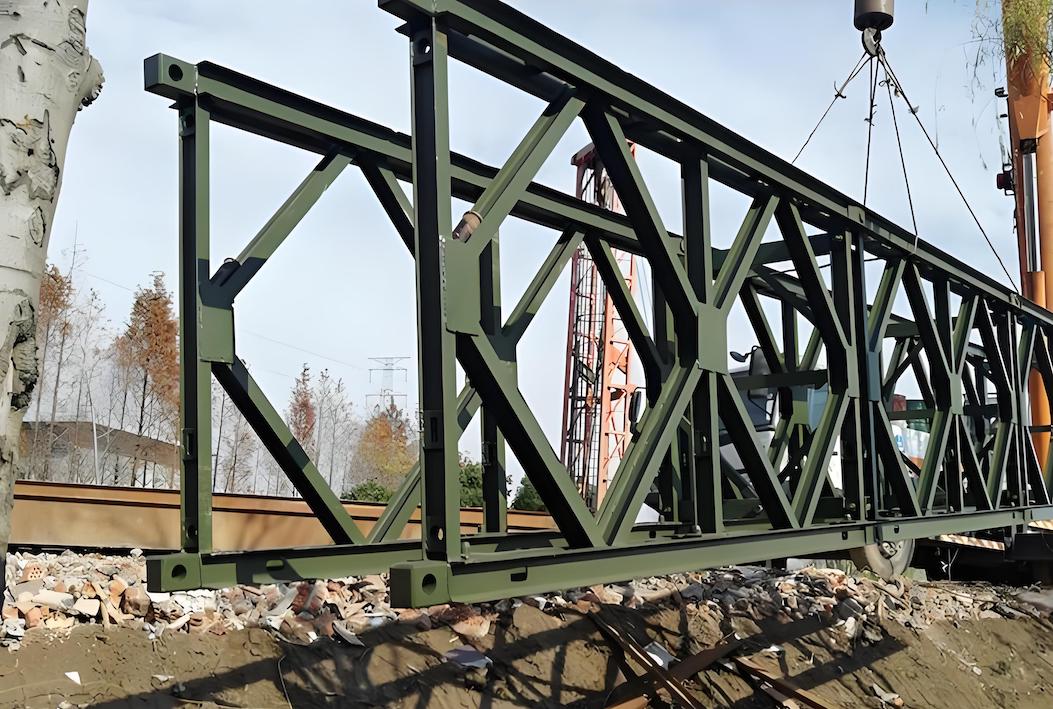
Bailey bridges are a remarkable engineering solution that has been widely used since their inception during World War II. Their design allows for quick assembly and disassembly, making them ideal for military and emergency applications. This article will explore the workings of Bailey bridges, their components, advantages, and applications, providing a comprehensive understanding of this innovative structure.
Bailey bridges are portable, prefabricated truss bridges that can be assembled without the need for heavy machinery. Developed by the British in the early 1940s, these bridges were designed to meet the demands of military operations, allowing for rapid deployment in various terrains. Their modular design enables them to be constructed quickly and efficiently, making them a preferred choice in situations where time and resources are limited. The versatility of Bailey bridges has led to their use in both temporary and permanent applications, showcasing their adaptability to different environments and needs. As we delve deeper into the mechanics and benefits of Bailey bridges, it becomes clear why they have remained a staple in engineering for decades.
A Bailey bridge consists of several key components that work together to create a stable and functional structure. Understanding these components is essential to grasp how the bridge operates. Each part plays a critical role in ensuring the bridge can support the loads it encounters while maintaining safety and durability.
The primary load-bearing elements of a Bailey bridge are the truss panels. These panels are made from steel and are designed to distribute weight evenly across the bridge. Each panel consists of a series of interconnected beams that form a triangular shape, providing strength and stability. The triangular configuration is particularly effective in distributing forces, allowing the bridge to handle heavy loads without significant deformation. The use of steel not only enhances the strength of the panels but also contributes to their lightweight nature, making transportation and assembly more manageable.
Transoms are horizontal beams that run perpendicular to the length of the bridge. They connect the truss panels and support the decking. The transoms play a crucial role in maintaining the structural integrity of the bridge, as they help to distribute loads and prevent deformation. By providing additional support, transoms ensure that the bridge can accommodate various types of traffic, from light vehicles to heavy military equipment. Their strategic placement enhances the overall stability of the bridge, allowing it to withstand dynamic forces such as wind and vibrations from passing vehicles.
The decking is the surface of the bridge where vehicles and pedestrians travel. It is typically made from wooden planks or steel plates, providing a solid and stable surface. The decking is supported by the transoms and is designed to withstand the weight of traffic. The choice of materials for the decking can vary based on the intended use of the bridge. For instance, steel plates may be preferred for military applications due to their durability, while wooden planks might be used in recreational settings for aesthetic reasons. The decking's design also considers factors such as slip resistance and drainage to ensure safety for all users.
End panels are located at each end of the bridge and serve as the connection points for additional truss panels. They are designed to provide stability and support, ensuring that the bridge can handle the forces exerted on it. The end panels are crucial for maintaining the overall alignment of the bridge, preventing any lateral movement that could compromise its integrity. Additionally, they often feature attachment points for anchoring the bridge to the ground, further enhancing stability, especially in areas prone to high winds or seismic activity.
The assembly of a Bailey bridge is a straightforward process that can be completed with minimal tools and equipment. The following steps outline the typical assembly procedure, highlighting the efficiency and practicality of this engineering marvel.
Preparation of the Site: Before assembly begins, the site must be prepared. This includes clearing debris and ensuring a stable foundation for the bridge. Proper site preparation is essential to prevent future structural issues and to ensure that the bridge can be safely used once completed. Engineers often conduct soil tests to assess the ground's load-bearing capacity, ensuring that the bridge will remain stable under various conditions.
Installation of the Nose: The nose is the leading edge of the bridge and is typically the first component to be installed. It is positioned at one end of the gap to be crossed. The nose serves as a guide for the subsequent assembly of truss panels, ensuring that the bridge is aligned correctly from the outset. Its design often includes features that facilitate the connection of additional panels, streamlining the assembly process.
Connecting Truss Panels: Once the nose is in place, the truss panels are connected to form the main structure of the bridge. This is done by aligning the male and female ends of the panels and securing them with pins. The connection method is designed for ease of assembly, allowing personnel to quickly and efficiently join the panels without specialized tools. This modular approach not only speeds up the construction process but also allows for easy disassembly and relocation if necessary.
Adding Transoms and Decking: After the truss panels are assembled, transoms are added to provide support for the decking. The decking is then installed on top of the transoms, completing the bridge structure. This step is crucial, as the decking must be securely fastened to ensure it can support the intended loads. The installation of the decking also involves careful consideration of spacing and alignment to prevent any weak points in the structure.
Final Adjustments: Once the bridge is assembled, final adjustments are made to ensure stability and safety. This may include tightening connections and checking for any structural issues. Engineers often conduct load tests to verify that the bridge can safely support the expected traffic. These tests are essential for ensuring the long-term safety and reliability of the bridge, providing peace of mind to users and operators alike.
Bailey bridges offer several advantages that make them a popular choice for various applications. Their unique design and construction methods provide benefits that are particularly valuable in emergency and military contexts.
One of the most significant benefits of Bailey bridges is their ability to be deployed quickly. The modular design allows for rapid assembly, often within a matter of hours or days, depending on the size of the bridge. This is particularly advantageous in emergency situations where time is of the essence. The speed of deployment can be critical in disaster relief scenarios, where access to affected areas is necessary for delivering aid and resources. The ability to quickly establish a crossing can significantly impact the effectiveness of rescue and recovery efforts.
Bailey bridges are designed to be lightweight, making them easy to transport to remote locations. The individual components can be carried by personnel or transported using standard vehicles, eliminating the need for specialized equipment. This portability is a key factor in their use by military forces, who often operate in challenging environments where heavy machinery may not be available. The lightweight nature of the components also means that they can be assembled by a small team, further enhancing their practicality in the field.
Bailey bridges can be used in a wide range of applications, from military operations to civilian infrastructure projects. They can span various distances and can be adapted to different terrains, making them a versatile solution for bridging gaps. This adaptability allows for their use in diverse environments, including urban areas, rural settings, and even in challenging landscapes such as mountainous regions. The ability to customize the design and configuration of Bailey bridges ensures that they can meet the specific needs of each project.
The simplicity of the design and the ease of assembly contribute to the cost-effectiveness of Bailey bridges. They require fewer resources and less labor compared to traditional bridge construction methods, making them an economical choice for temporary or emergency use. The reduced need for heavy machinery and specialized labor not only lowers costs but also minimizes the environmental impact associated with construction. This cost-effectiveness makes Bailey bridges an attractive option for governments and organizations looking to address infrastructure needs without incurring significant expenses.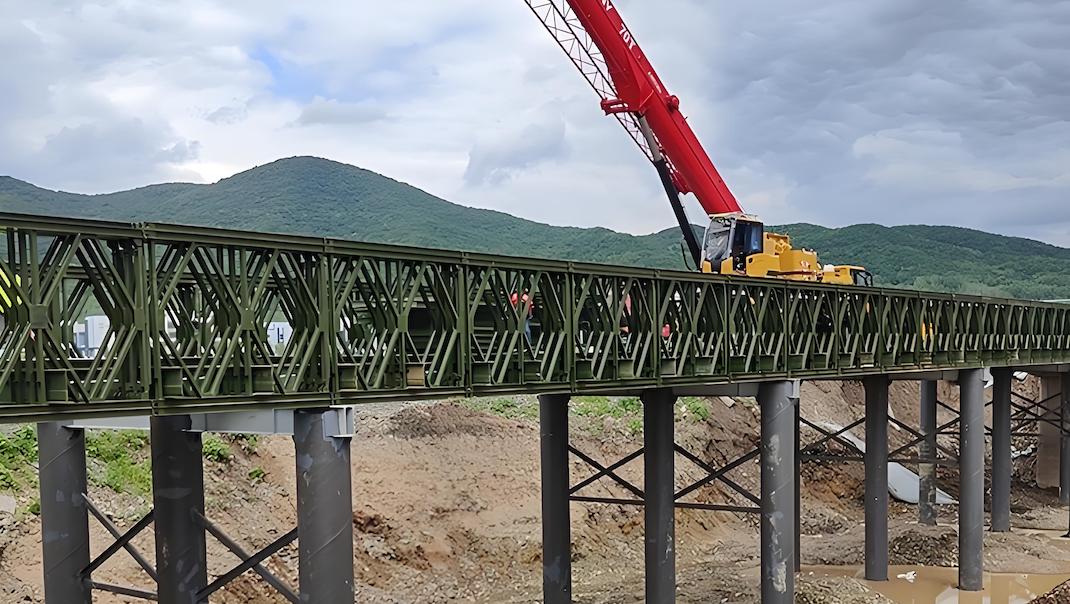
Bailey bridges have been utilized in various scenarios, showcasing their adaptability and effectiveness. Their unique characteristics make them suitable for a wide range of applications, from military to civilian use.
Originally designed for military applications, Bailey bridges have been extensively used by armed forces around the world. They provide a reliable means of crossing obstacles such as rivers and ravines, allowing for the rapid movement of troops and equipment. The ability to quickly establish a crossing can be a decisive factor in military operations, enabling forces to maintain momentum and respond effectively to changing conditions on the battlefield. Their modular design allows for easy transport and assembly in remote locations, making them an invaluable asset for military engineers.
In disaster-stricken areas, Bailey bridges can be deployed quickly to restore access to essential services. Their ability to span damaged infrastructure makes them invaluable in humanitarian efforts, providing a temporary solution until permanent repairs can be made. The rapid deployment of Bailey bridges can facilitate the delivery of aid, medical supplies, and other critical resources to affected populations. By restoring transportation routes, these bridges play a crucial role in the recovery process, helping communities regain access to vital services and support.
Bailey bridges are also used in civil engineering projects, particularly in remote or challenging locations. They can serve as temporary crossings during construction or as permanent solutions in areas where traditional bridge construction is not feasible. Their adaptability allows engineers to address specific site conditions, such as unstable soil or limited access, without compromising safety or functionality. In some cases, Bailey bridges have been used as part of larger infrastructure projects, providing essential connections while permanent structures are being developed.
In some cases, Bailey bridges are used in recreational settings, such as parks and hiking trails. Their lightweight design allows for easy installation in natural environments, providing safe crossings over streams and other obstacles. These bridges enhance the accessibility of outdoor spaces, allowing hikers and nature enthusiasts to explore areas that may have previously been difficult to navigate. The aesthetic appeal of Bailey bridges, combined with their functionality, makes them a popular choice for enhancing recreational infrastructure.
Bailey bridges represent a significant advancement in bridge engineering, combining portability, ease of assembly, and versatility. Their design allows for rapid deployment in various situations, making them an essential tool for military, disaster relief, and civil engineering applications. As we continue to face challenges in infrastructure development and emergency response, the importance of Bailey bridges remains evident, showcasing the ingenuity of engineering solutions in meeting the needs of society. The ongoing evolution of materials and design techniques may further enhance the capabilities of Bailey bridges, ensuring their relevance in future engineering projects.
In summary, the Bailey bridge is not just a temporary solution; it is a testament to the power of innovative engineering, providing safe and reliable crossings in a variety of contexts. The continued use and adaptation of Bailey bridges highlight their enduring significance in both military and civilian applications, proving that effective engineering can make a substantial difference in addressing the challenges of transportation and infrastructure.
Bailey bridges are primarily used in military operations, disaster relief efforts, civil engineering projects, and recreational settings. Their quick assembly and portability make them ideal for situations where rapid deployment is necessary.
The assembly time for a Bailey bridge can vary depending on its size and the number of personnel involved, but it typically takes a few hours to a couple of days. The modular design allows for efficient assembly with minimal tools.
Bailey bridges are primarily constructed from steel, which provides strength and durability while keeping the overall weight low. The decking can be made from wooden planks or steel plates, depending on the intended use and load requirements.
Yes, Bailey bridges can be used for permanent installations, especially in remote or challenging locations where traditional bridge construction may not be feasible. They can also serve as temporary solutions during the construction of more permanent structures.
Bailey bridges offer several advantages, including rapid deployment, lightweight and portable design, cost-effectiveness, and versatility in various applications. Their modular nature allows for easy assembly and disassembly, making them suitable for emergency and military use.


