

Views: 222 Author: Site Editor Publish Time: 2025-03-27 Origin: Site


Content Menu
● Understanding Modular Bridges
>> Key Components of Modular Bridges
● Load Capacity of Modular Bridges
>> Engineering for Heavy Loads
>> Examples of Load Capacities
>> Factors Influencing Load Capacity
● Advantages of Modular Bridges
>> Flexibility and Adaptability
● Applications of Modular Bridges
● Challenges and Considerations
Modular bridges have emerged as a significant innovation in civil engineering, offering flexibility, rapid deployment, and the ability to support various load capacities. This article explores the capabilities of modular bridges, particularly their ability to handle heavy loads, and discusses their design, construction, and applications in greater detail.
A modular bridge is a pre-fabricated structure made up of standardized components that can be easily assembled on-site. These bridges are designed to be versatile, allowing for quick installation and adaptability to different environments and load requirements. The modular nature of these bridges means they can be transported and assembled with relative ease, making them ideal for temporary or permanent applications. The concept of modularity not only streamlines the construction process but also allows for innovative designs that can be tailored to specific site conditions and user needs. This adaptability is particularly beneficial in regions where traditional construction methods may be hindered by logistical challenges or environmental constraints.
Modular bridges typically consist of several essential components:
Prefabricated Decks: The flat surfaces that support the load, often made from materials like concrete or steel. These decks are designed to accommodate various load specifications, ensuring safety and durability. The use of high-performance materials can enhance the lifespan of the deck, reducing the need for frequent repairs and maintenance.
Support Structures: These include beams, trusses, and girders that provide the necessary strength and stability to the bridge. The choice of materials and design can significantly influence the load-bearing capacity. Advanced engineering techniques, such as finite element analysis, are often employed to optimize these structures for maximum strength while minimizing weight.
Connection Systems: Modular bridges utilize various connection methods to join components securely. These connections must be engineered to handle the stresses and strains imposed by heavy loads. Innovations in connection technology, such as bolted or welded joints, can improve the overall integrity of the bridge and facilitate easier assembly and disassembly.
One of the most critical aspects of modular bridge design is the ability to support heavy loads. Engineers can customize the design and materials used in the prefabricated components to meet specific load requirements. This adaptability allows modular bridges to be suitable for a wide range of applications, from pedestrian walkways to heavy vehicular traffic. The engineering process often involves rigorous testing and simulations to ensure that the bridge can withstand not only static loads but also dynamic forces, such as those caused by moving vehicles or environmental factors like wind and seismic activity.
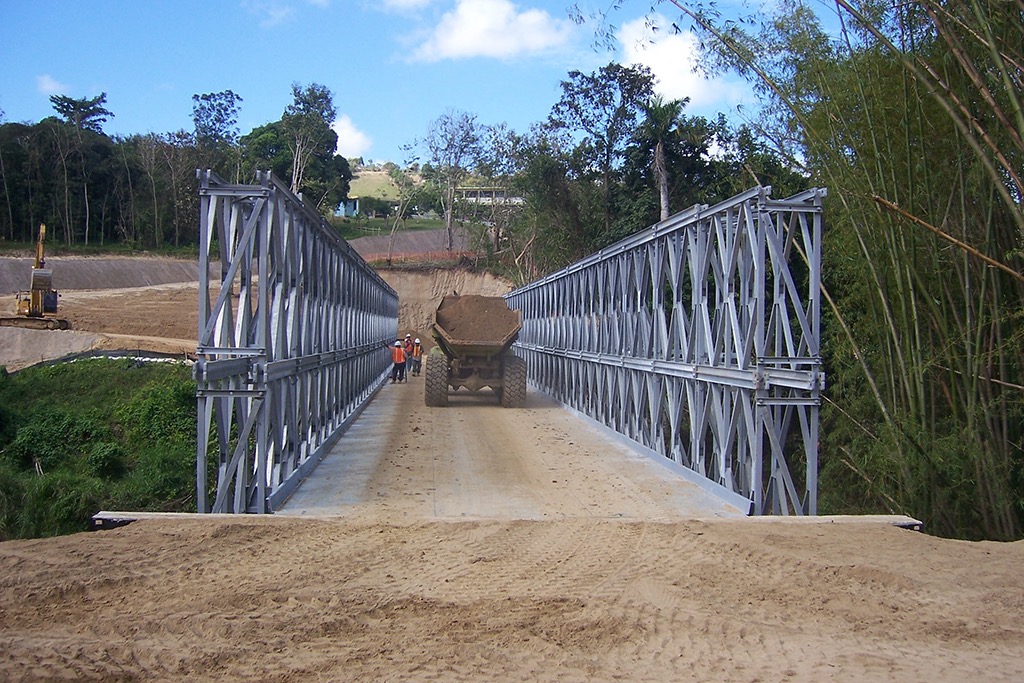
Modular bridges can be designed to handle loads exceeding 550 tons, making them suitable for heavy haul applications. For instance, some modular bridges are specifically engineered to support off-highway logging trucks and other heavy vehicles, demonstrating their capability to accommodate significant weight. This high load capacity is achieved through careful design considerations, including the use of reinforced materials and strategic placement of support elements to distribute weight evenly across the structure.
Several factors influence the load capacity of modular bridges, including:
Material Selection: The choice of materials, such as high-strength steel or reinforced concrete, plays a crucial role in determining the bridge's load-bearing capacity. Advanced materials, such as fiber-reinforced polymers, are also being explored for their lightweight and high-strength properties, which can further enhance load capacity.
Design Configuration: The structural design, including the arrangement of beams and trusses, affects how loads are distributed across the bridge. Innovative design approaches, such as arch or cable-stayed configurations, can provide additional strength and aesthetic appeal.
Environmental Conditions: Factors such as wind, seismic activity, and temperature variations must be considered during the design process to ensure the bridge can withstand various stresses. Engineers often incorporate safety factors into their designs to account for unexpected environmental conditions, ensuring the bridge remains safe and functional over its lifespan.

One of the primary benefits of modular bridges is their rapid installation. Since the components are prefabricated, they can be assembled quickly on-site, reducing construction time and minimizing disruption to traffic and the surrounding environment. This speed of installation is particularly advantageous in emergency situations where immediate access is required, such as after natural disasters or infrastructure failures. The ability to deploy a modular bridge swiftly can significantly aid in recovery efforts and restore connectivity to affected areas.
Modular bridges can be more cost-effective than traditional bridge construction methods. The reduced labor and material costs, combined with the speed of installation, often result in lower overall project expenses. Additionally, the long-term maintenance costs can be lower due to the durability of the materials used and the ease of access for inspections and repairs. This cost-effectiveness makes modular bridges an attractive option for municipalities and organizations with limited budgets.
Modular bridges are highly adaptable, allowing for easy relocation or expansion as infrastructure needs change. This flexibility is particularly beneficial in areas experiencing rapid growth or changes in traffic patterns. For instance, a modular bridge can be disassembled and relocated to accommodate new road layouts or urban development projects, minimizing the need for extensive new construction. This adaptability not only saves time and resources but also reduces the environmental impact associated with building new structures.
The construction of modular bridges can have a lower environmental impact compared to traditional methods. The reduced need for on-site construction activities minimizes disruption to the surrounding ecosystem, and the use of sustainable materials can further enhance their environmental credentials. Additionally, the ability to reuse and relocate modular components contributes to a more sustainable approach to infrastructure development, aligning with modern environmental standards and practices.
Modular bridges are often used as temporary solutions in emergency situations, such as natural disasters or infrastructure failures. Their quick deployment capabilities make them ideal for providing immediate access and connectivity in affected areas. For example, after a bridge collapse, a modular bridge can be installed within days, allowing emergency services and relief efforts to reach those in need. This rapid response capability is crucial in minimizing the impact of such events on communities.
In addition to temporary applications, modular bridges are increasingly being used for permanent installations. Their durability and ability to support heavy loads make them suitable for various infrastructure projects, including highways, railways, and pedestrian pathways. As urban areas continue to expand, the demand for efficient and reliable transportation infrastructure grows, making modular bridges a viable solution for meeting these needs.
Certain modular bridges are designed for specialized applications, such as military operations, forestry, and industrial sites. These bridges can be tailored to meet specific load requirements and environmental conditions, ensuring they perform effectively in their intended roles. For instance, military modular bridges may be designed to support heavy armored vehicles, while those used in forestry might be optimized for quick assembly in remote locations.
While modular bridges offer many advantages, there are design limitations to consider. The modular components must be engineered to meet specific load requirements, and the connection systems must be robust enough to handle the stresses imposed by heavy loads. Additionally, the modular design may limit the aesthetic options available compared to traditional bridge designs, which can be a consideration for projects in visually sensitive areas.
Modular bridges must comply with local and national regulations regarding load capacities, safety standards, and environmental impact. Ensuring compliance can add complexity to the design and installation process. Engineers must stay informed about the latest regulations and standards to ensure that their designs meet all necessary requirements, which can sometimes lead to longer project timelines.
Regular maintenance and inspection are essential to ensure the longevity and safety of modular bridges. Engineers must develop maintenance plans that address the unique characteristics of modular structures, including their connection systems and material properties. Implementing a proactive maintenance strategy can help identify potential issues before they become significant problems, ensuring the bridge remains safe and functional throughout its lifespan.
Modular bridges represent a significant advancement in bridge engineering, offering the ability to support heavy loads while providing flexibility and rapid installation. Their adaptability makes them suitable for a wide range of applications, from temporary emergency solutions to permanent infrastructure projects. As technology continues to evolve, the design and construction of modular bridges will likely become even more efficient, further enhancing their role in modern civil engineering. The ongoing development of new materials and construction techniques will undoubtedly expand the capabilities of modular bridges, making them an increasingly important component of our infrastructure landscape.


