

Views: 223 Author: Evercross Bridge Publish Time: 2026-07-08 Origin: Evercross Bridge


Content Menu
● What Is a Steel Pedestrian Footbridge?
● Key Advantages of Pedestrian Bridges (Expanded Engineer's View)
>> 1. Safer Crossings and Reduced Accidents
>> 2. Access to Previously Inaccessible Areas
>> 3. Year‑Round Connectivity in Challenging Environments
>> 4. Enhanced User Experience and Place‑Making
● Disadvantages and Design Trade‑Offs You Must Manage
>> 1. Higher Upfront Cost in Remote Areas
>> 2. Long Ramps and Accessibility Requirements
>> 3. Maintenance Access and Usage Limits
● Material Options: Steel vs FRP vs Wood
● Environmental and Site Factors That Shape Bridge Design
>> 1. Hydrological Risk and Climate Change
>> 2. Geotechnical Uncertainty
>> 3. Constructability and Logistics
● Practical Design Questions Before You Commit
● When Modular Steel and Bailey Bridges Are the Best Choice
>> 1. Disaster Response and Temporary Diversions
>> 2. Remote and Conflict‑Affected Regions
>> 3. Programmatic Government Bridge Upgrades
● Designing for People, Not Just Loads
● How to Choose the Right Steel Pedestrian Bridge
● Steel Pedestrian Bridges and Emergency Solutions from Evercross Bridge
● Plan Your Next Steel Pedestrian or Emergency Bridge
● FAQs About Steel Pedestrian and Emergency Bridges
Steel pedestrian bridges and Bailey-type emergency bridges are one of the most efficient ways to improve safe connectivity, unlock difficult terrain, and deliver long‑lasting infrastructure when projects demand speed and reliability. As a bridge engineer working with Evercross Bridge for more than a decade, I have seen how well‑planned steel pedestrian bridges outperform alternative materials in real‑world government and private projects across Asia, Africa, and Latin America.
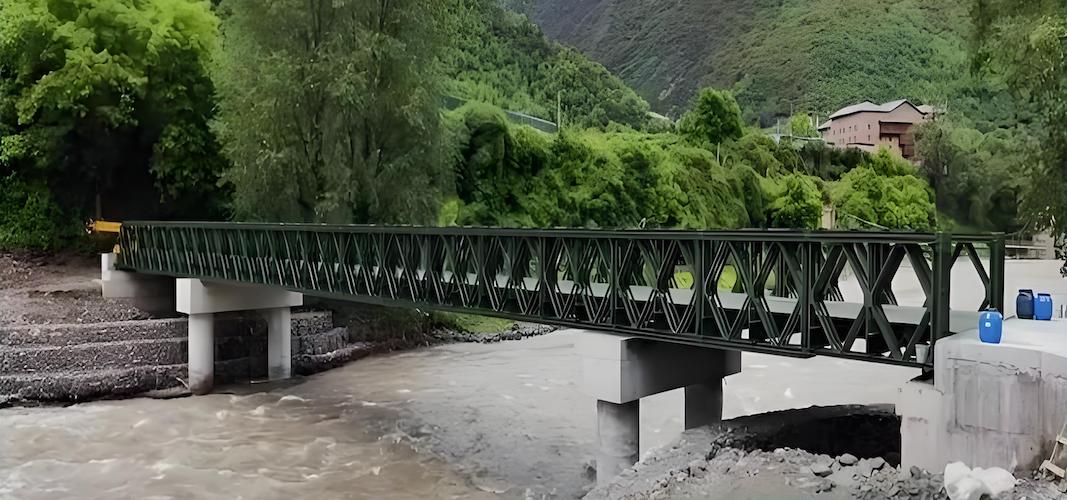
A steel pedestrian footbridge is a dedicated crossing structure for people and light non‑motorized traffic, typically spanning over roads, railways, rivers, or ravines. Unlike mixed‑use road bridges, pedestrian bridges focus on safety, accessibility, and experience for walkers, cyclists, and sometimes micro‑mobility vehicles.
From an engineering and owner's perspective, a modern steel footbridge is a system rather than a single structure. It includes:
- Superstructure (main girders, deck system, cross‑bracing).
- Substructure (abutments, piers, foundations).
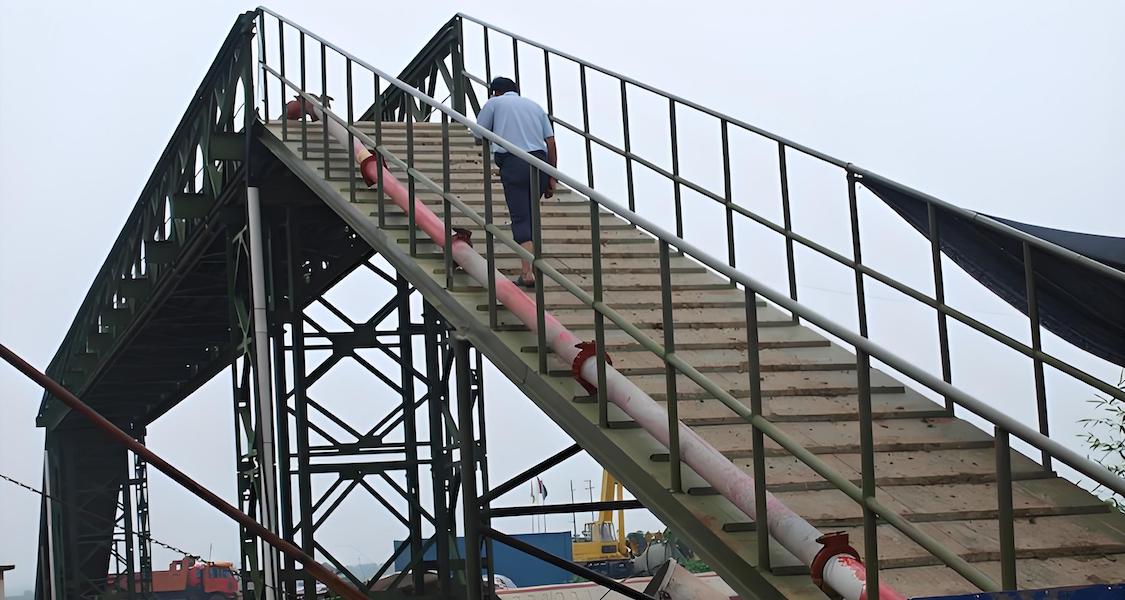
- Access elements (stairs, ramps, elevators for accessibility).
- Protective systems (handrails, anti‑slip surfaces, corrosion protection, lighting).
For emergency and rapid‑deployment scenarios, modular steel bridge systems such as Bailey bridges and modern panel bridges allow agencies to restore connectivity within days instead of months, especially after floods or seismic events.
In practice, these advantages are even more pronounced for steel structures deployed at scale.
The most critical advantage is removal of conflict points between pedestrians and vehicles. When you elevate pedestrians over multi‑lane highways, rail corridors, or industrial yards, you:
- Reduce collision risk caused by speeding, poor visibility, or driver error.
- Improve safety for vulnerable users such as children, elderly people, and persons with disabilities.
- Support lower insurance and liability exposure for project owners.
From years of observing post‑project data in busy urban corridors, installing a grade‑separated pedestrian bridge often correlates with a significant reduction in pedestrian injury incidents compared to at‑grade crossings with only signals or zebra lines.
Pedestrian bridges unlock steep terrain, flood‑prone rivers, and fragmented urban spaces that would otherwise remain unreachable or underused. In national parks and eco‑tourism destinations, steel footbridges open up new hiking, cycling, and horseback‑riding routes without heavy earthworks that damage the landscape.
For governments, this translates into:
- New recreational corridors at lower cost than full vehicular bridges.
- Better access for maintenance teams, emergency responders, and local communities.
Where seasonal flooding or washouts previously cut communities off for weeks, properly designed pedestrian bridges provide all‑season access. When we design steel bridges for remote African or Southeast Asian regions, we consider:
- Flood frequency and peak water levels.
- Scour and bank erosion risks.
- Debris impact on piers and superstructure.
With correct freeboard and foundation design, a steel pedestrian bridge can remain operational through extreme events, preserving access to schools, clinics, and markets.
Pedestrian bridges can be landmarks, not just functional objects. By integrating aesthetic trusses, lighting, and viewing platforms, cities use footbridges to:
- Frame scenic views and create photo spots.
- Connect greenways and riverfront promenades.
- Signal regeneration in industrial or port districts.
As a practitioner, I often advise clients to treat a major pedestrian bridge as both a transportation asset and a public‑space investment, aligning architecture with the city's visual identity.
Even the most successful steel pedestrian bridge involves trade‑offs in cost, access, and maintenance.
Transporting heavy steel or FRP components into mountainous, forested, or landlocked sites can be logistically demanding and expensive. As an engineer, I consider:
- Road access for trucks and cranes.
- Temporary works such as launching platforms.
- Weather constraints that shorten installation windows.
Modular panel systems like Bailey‑type bridges partially solve this challenge: they break the superstructure into lighter panels that can be hand‑carried or moved with small equipment, then rapidly assembled in situ.
Integrating universal accessibility is non‑negotiable for public infrastructure in most jurisdictions, which may require long ramps, elevators, or both. This increases:
- Structural length and footprint.
- Land acquisition or easement needs.
- Construction and life‑cycle costs.
From a UX standpoint, however, these investments pay off because the bridge truly serves everyone, including wheelchair users, parents with strollers, and people with limited mobility.
Pedestrian bridges are not designed for heavy vehicles unless specified otherwise. This can limit:
- Access for heavy maintenance trucks or emergency vehicles.
- Occasional demands to use the bridge for construction machinery.
To mitigate this, we often define clear loading classes and design separate emergency or service routes for heavier traffic, so the pedestrian bridge can be optimized for its intended users without over‑engineering.
Material type |
Typical lifespan & maintenance |
Key advantages |
Key limitations |
Steel pedestrian bridge |
50–100 years with proper corrosion protection and periodic repainting. |
High structural capacity, long spans, modularization potential, excellent for standardized government programs. |
Heavy; requires cranes or launching equipment unless modular panels are used. |
FRP bridge |
80–100+ years, minimal maintenance; highly corrosion‑resistant. |
Lightweight for remote access; excellent in aggressive environments (marine, chemical). |
Higher material cost; limited local familiarity in some markets. |
Wood bridge |
~30 years with frequent maintenance, depending on climate and treatment. |
Low upfront cost; warm aesthetic for parks and trails. |
High maintenance, vulnerability to rot, insects, and fire; limited long spans. |
In high‑volume national programs or emergency‑response schemes, steel is usually the most scalable option because it marries high strength, standardization, and global supply chains.
Based on field work, I would highlight three environmental dimensions project owners often underestimate:
Design flood levels today must consider climate‑induced variability, not only historical records. That means:
- Higher design water levels and freeboard.
- Robust scour protection at abutments and piers.
- Allowance for larger drift and debris loads.
In emergency bridge projects, underestimating these factors is one of the fastest ways to shorten life expectancy and increase unplanned maintenance.
For pedestrian bridges in remote or low‑data regions, soil conditions and bearing capacity can be highly variable across short distances. I recommend:
- At least basic borehole or test‑pit investigations near each abutment.
- Conservative design for foundations where data is limited.
This reduces the risk of settlement, tilt, or bearing failures that are expensive to correct later.
A design that looks elegant on paper may be impractical to install if it requires massive equipment that cannot reach the site. For example, in mountain regions, modular steel panel bridges assembled from smaller components are often preferable to single‑piece girders.
When I review projects, constructability is evaluated alongside structural performance, because poor logistics planning can add months and significant cost to otherwise straightforward bridges.
Key questions include:
1. Primary user types – Foot traffic only, or mixed with bicycles, e‑scooters, golf carts, or light maintenance vehicles.
2. Design load standards – Which national codes and pedestrian loading assumptions will govern the design.
3. Span configuration – Single span or multi‑span, considering available pier locations and foundation conditions.
4. Deck width and segregation – Need for separate lanes for cyclists vs pedestrians, and minimum clear width for evacuation.
5. Safety and comfort – Rail height, fall protection, anti‑slip surfaces, lighting, CCTV, and wayfinding signage.
6. Aesthetic expectations – Whether the bridge is a landmark requiring architectural input or a standardized functional structure.
From an owner's perspective, documenting these points early provides a more accurate budget and avoids prolonged redesigns later in the tender process.
Beyond conventional pedestrian bridges, Bailey bridges and modern modular panel systems are the backbone of many emergency and rapid‑deployment programs worldwide. Drawing on experience with over 200 international infrastructure projects, these systems shine in three scenarios:
After floods, earthquakes, or landslides, agencies must restore access quickly. Modular steel bridges:
- Use standardized panels, transoms, and decks that can be rapidly assembled.
- Offer multiple span lengths and load classes with minimal redesign.
- Can remain as permanent solutions or serve as temporary detours during reconstruction.
Where heavy equipment and long planning cycles are unrealistic, panel bridges support incremental deployment:
- Components can be transported via smaller trucks or even manual labor.
- Local crews can be trained to assemble and maintain the structures.
This approach has proven effective in several African and Latin American projects where budget, terrain, and security constraints make conventional bridge programs difficult.
Some governments run multi‑year programs replacing unsafe low‑capacity bridges with standardized modular steel solutions. Benefits include:
- Repeatable designs and procurement efficiencies.
- Clear capacity and design standards across regions.
- Easier stock management of spare parts and panels.
For these programs, steel panel bridges balance speed, safety, and cost more effectively than custom one‑off desig3ns.
A pedestrian bridge is successful when users feel safe, comfortable, and oriented, not just structurally secure.
Key UX elements I always recommend:
- Clear sightlines to entrances and exits, avoiding hidden corners and blind spots.
- Consistent lighting levels along the deck and approaches for nighttime use.
- Wayfinding signage indicating destinations, distances, and emergency contacts.
- Non‑slip deck surfaces and adequate drainage to prevent pooling water.
When these human‑centric details are neglected, user complaints and under‑utilization follow, even if the structure itself is sound.
To move from concept to successful implementation, decision‑makers can follow a structured process:
1. Clarify objectives
- Define whether the bridge's primary purpose is safety, connectivity, tourism, or emergency access.
2. Assess site and demand
- Analyze terrain, hydrology, traffic volumes, and expected pedestrian/cyclist flows.
3. Select material and system
- Choose between conventional steel footbridges, modular panel systems, FRP, or wood, based on lifespan, logistics, and budget.
4. Set performance and UX standards
- Specify design load, accessibility requirements, lighting, safety, and aesthetic expectations.
5. Plan delivery and maintenance
- Define construction sequence, local capabilities, and inspection and repainting cycles for steel structures.
As a manager overseeing cross-border bridge projects, I can confidently state that projects employing this systematic approach tend to be delivered on schedule, enjoy a longer service life, and generate fewer complaints from the community.
With more than 30 years of specialized experience and an annual production capacity of around 100,000 tons, Evercross Bridge supports governments, contractors, and NGOs with end‑to‑end steel bridge solutions. This typically includes:
- Engineering and detailed design according to international and local standards.
- Fabrication of pedestrian bridges, Bailey‑type panel bridges, and customized emergency structures.
- Global logistics and on‑site technical assistance for installation.
Our teams have contributed to more than 200 large government infrastructure projects across Southeast Asia, Africa, and Latin America, focusing on high‑performance prefabricated steel bridges that can be deployed rapidly and maintained efficiently.
For owners, the practical benefit is having a single partner responsible for design, production, transport, and on‑site support, which significantly reduces coordination risk and accelerates delivery in time‑critical programs.
If you are evaluating projects for new pedestrian walkways or emergency bridges, or the upgrading of existing facilities, now is the ideal time to define performance and user experience requirements and compare steel structure solutions with those using other materials.
Reach out to Evercross Bridge to discuss your site conditions, project objectives, and timeline, and receive a tailored steel bridge concept that balances safety, durability, logistics, and cost.
1. What is the typical lifespan of a steel pedestrian bridge?
With appropriate corrosion protection and maintenance, steel pedestrian bridges often achieve 50–100 years of service life, depending on environment and usage.
2. Are Bailey‑type modular bridges suitable as permanent structures?
Yes, many modular panel bridges are designed to meet permanent load and durability standards when foundations, corrosion protection, and deck systems are specified correctly.
3. How long does it take to install a modular steel emergency bridge?
Small to medium spans can often be assembled and launched within days to a few weeks, assuming site access and foundations are ready.
4. Do pedestrian bridges always need ramps for accessibility?
Most public projects now require step‑free access via ramps or elevators to comply with accessibility regulations and provide equitable user experience.
5. What is the main advantage of steel over wood for pedestrian bridges?
Steel offers far higher structural capacity, longer spans, and longer lifespan with predictable maintenance, making it more suitable for high‑traffic or critical connectivity projects.
1. Areté Structures – *6 Advantages & 3 Disadvantages of Pedestrian Bridges* (accessed 2026). [quickcreator]
2. Google Search Central – *Creating Helpful, Reliable, People‑First Content*. [developers.google]
3. EOXS – *SEO Tips for Boosting Online Visibility of Steel Products*. [eoxs]
4. Lovell Media Group – *SEO for Structural Steel Fabrication*. [lovellmediagroup]
5. IO Digital – *Google E‑E‑A‑T: Creating Content That Puts People First*. [iodigital]


