

Views: 221 Author: Site Editor Publish Time: 2025-04-25 Origin: Site


Content Menu
● Understanding Bailey Bridges
● Load-Bearing Capacity of Bailey Bridges
>> Factors Influencing Load Capacity
● Applications of Bailey Bridges
>> Military Use
● Advantages of Bailey Bridges
>> Quick Assembly and Disassembly
>> Versatility
● Limitations of Bailey Bridges
● Frequently Asked Questions regarding Bailey Bridge
>> 1. What are the typical span lengths achievable with Bailey bridges?
>> 2. How often should Bailey bridges be inspected for structural integrity?
>> 3. What are the primary causes of Bailey bridge failures and how can they be prevented?
>> 4. Can Bailey bridges be used for permanent installations?
>> 5. What types of vehicles can safely cross a Bailey bridge?
Bailey bridges are a type of portable, pre-fabricated truss bridge that can be assembled quickly and easily. Originally designed during World War II for military use, these bridges have since found applications in various civil engineering projects. One of the most pressing questions regarding Bailey bridges is their ability to support heavy vehicles. This article explores the design, construction, and load-bearing capabilities of Bailey bridges, as well as their advantages and limitations in supporting heavy traffic.
Bailey bridges were developed by the British during World War II to provide quick and efficient means of crossing obstacles such as rivers and ravines. Named after Sir Donald Bailey, the engineer who designed them, these bridges were intended for military use but have since been adapted for civilian applications. Their modular design allows for rapid deployment and assembly, making them ideal for emergency situations and temporary crossings. The historical significance of Bailey bridges cannot be overstated; they played a crucial role in military logistics, enabling troops and supplies to move swiftly across challenging terrains. This innovation not only saved time but also lives, as it facilitated faster responses to battlefield needs.
Bailey bridges consist of prefabricated steel components that can be assembled on-site. The primary elements include panels, which are the main structural components, and trusses, which provide stability and support. The modular nature of these bridges means that they can be configured in various lengths and widths to accommodate different site conditions and load requirements. Each panel is designed to interlock with others, creating a robust structure capable of withstanding significant forces. The design also incorporates features that allow for easy transportation, as the components can be loaded onto standard trucks or trailers. This ease of transport is particularly beneficial in remote areas where access to heavy machinery may be limited.
The load-bearing capacity of a Bailey bridge depends on several factors, including the materials used, the design configuration, and the specific site conditions. The standard Bailey bridge is designed to support military vehicles, which can weigh up to 40 tons. However, the actual load capacity can vary based on the specific design and the materials used in construction. Engineers must consider the type of traffic expected on the bridge, including the weight and frequency of vehicles, to ensure safety and functionality. Additionally, environmental factors such as wind, snow, and seismic activity can influence the load capacity, necessitating thorough analysis during the design phase.
Bailey bridges are subject to various engineering standards and regulations that dictate their design and construction. These standards ensure that the bridges can safely support the intended loads while maintaining structural integrity. Engineers must consider factors such as dynamic loads, environmental conditions, and potential wear and tear over time. In many cases, Bailey bridges are designed to meet or exceed the standards set by organizations such as the American Association of State Highway and Transportation Officials (AASHTO) or similar bodies in other countries. These standards provide guidelines for load ratings, material specifications, and safety factors, ensuring that the bridges are not only functional but also safe for public use.
The original purpose of Bailey bridges was to facilitate military operations. Their ability to be quickly assembled and disassembled made them invaluable for crossing rivers and other obstacles during combat. Military engineers often deploy Bailey bridges in conflict zones or disaster relief efforts, where traditional bridge construction may not be feasible. The flexibility of these bridges allows for rapid response to changing battlefield conditions, enabling forces to adapt to new challenges. Furthermore, their lightweight design means that they can be transported by air, making them accessible even in the most remote locations.
In addition to military applications, Bailey bridges are widely used in civil engineering projects. They are often employed as temporary solutions for road closures, bridge repairs, or in areas where permanent structures are not yet feasible. Their modular design allows for easy transport and installation, making them a popular choice for construction companies and municipalities. In urban settings, Bailey bridges can serve as critical links in transportation networks, providing essential access while permanent solutions are developed. Their adaptability also means they can be used in various environments, from rural roads to urban thoroughfares, demonstrating their versatility in meeting diverse engineering needs.
Bailey bridges are frequently used in emergency response situations, such as after natural disasters. When traditional infrastructure is damaged, these bridges can provide immediate access for rescue and recovery operations. Their quick deployment capabilities allow first responders to reach affected areas and deliver essential supplies. In instances of flooding, earthquakes, or other disasters, the ability to establish a temporary crossing can be a lifeline for communities in distress. Moreover, the use of Bailey bridges in these scenarios highlights the importance of preparedness and resilience in infrastructure planning, ensuring that communities can recover swiftly from unforeseen events.
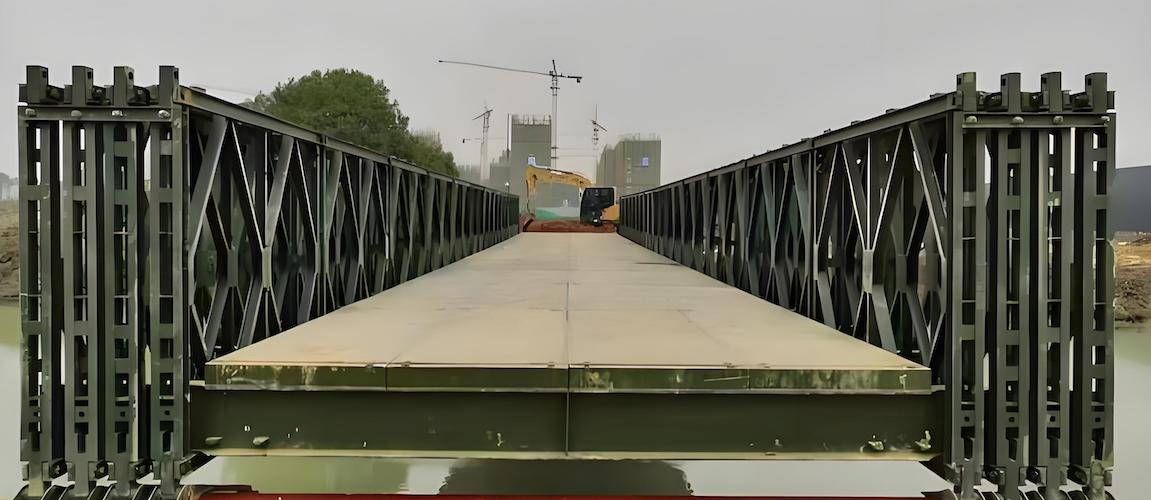
One of the most significant advantages of Bailey bridges is their rapid assembly and disassembly. The prefabricated components can be transported to the site and assembled in a matter of hours, making them ideal for emergency situations. This speed is crucial when time is of the essence, such as during disaster recovery efforts. The ability to quickly establish a crossing can significantly reduce the impact of infrastructure damage on local communities, allowing for the restoration of normalcy. Additionally, the ease of disassembly means that these bridges can be relocated as needed, providing ongoing flexibility in infrastructure management.
Bailey bridges are often more cost-effective than traditional bridge construction methods. The materials used are relatively inexpensive, and the ability to assemble the bridge without heavy machinery reduces labor costs. Additionally, their modular nature allows for reuse in different locations, further enhancing their cost-effectiveness. This economic advantage is particularly beneficial for municipalities with limited budgets, as it enables them to address infrastructure needs without incurring excessive expenses. Furthermore, the long-term savings associated with reduced maintenance and the potential for reusability make Bailey bridges an attractive option for various projects.
Bailey bridges can be adapted to various site conditions and load requirements. They can be configured in different lengths and widths, making them suitable for a wide range of applications. This versatility allows engineers to design solutions tailored to specific needs, whether for military, civil, or emergency use. The ability to customize the bridge design based on the specific context ensures that it can effectively meet the demands of the environment and the expected traffic. This adaptability is a key factor in the continued relevance of Bailey bridges in modern engineering practices.
While Bailey bridges can support significant loads, they do have limitations. The maximum load capacity is determined by the design and materials used, and exceeding this capacity can lead to structural failure. Engineers must carefully assess the expected traffic and ensure that the bridge is rated for the intended use. This necessitates ongoing monitoring and evaluation, particularly in high-traffic areas where wear and tear may occur more rapidly. Additionally, the need for load restrictions can limit the types of vehicles that can safely use the bridge, potentially impacting logistics and transportation planning.
Although Bailey bridges are designed to be robust, they may not have the same longevity as traditional bridges. The materials used, primarily steel, can be susceptible to corrosion and wear over time. Regular maintenance and inspections are essential to ensure the bridge remains safe and functional. This maintenance includes checking for signs of rust, structural integrity, and overall condition. The need for ongoing upkeep can be a consideration for municipalities and organizations that rely on these structures, as it may require additional resources and planning to ensure their continued safety and effectiveness.
Bailey bridges are primarily functional structures, and their appearance may not be as visually appealing as traditional bridges. In urban or scenic areas, the utilitarian design of a Bailey bridge may not blend well with the surrounding environment. This aesthetic limitation can be a consideration for municipalities when selecting bridge solutions. While functionality is paramount, the visual impact of infrastructure on community landscapes is increasingly recognized as important. As such, there may be a growing demand for designs that not only serve practical purposes but also enhance the aesthetic quality of the environment.
Bailey bridges are a remarkable engineering solution that provides quick, cost-effective, and versatile options for crossing obstacles. Their ability to support heavy vehicles makes them invaluable in military, civil, and emergency applications. However, engineers must carefully consider their load-bearing capacity, durability, and aesthetic implications when selecting Bailey bridges for specific projects. As infrastructure needs continue to evolve, Bailey bridges will likely remain a vital tool in the engineer's arsenal, offering practical solutions for a variety of challenges. Their historical significance and ongoing relevance underscore the importance of innovative engineering in addressing the demands of modern society. The continued development and adaptation of Bailey bridges will ensure they remain a key component of infrastructure solutions for years to come.
Bailey bridges can typically span lengths ranging from 10 to 60 feet (3 to 18 meters) depending on the specific design and configuration. Longer spans may require additional support or reinforcement.
Bailey bridges should be inspected regularly, ideally at least once a year, and more frequently if they are subjected to heavy traffic or adverse weather conditions. Inspections should focus on checking for signs of wear, corrosion, and structural damage.
Common causes of Bailey bridge failures include exceeding load limits, inadequate maintenance, and environmental factors such as corrosion. Preventative measures include adhering to load capacity guidelines, conducting regular inspections, and applying protective coatings to prevent rust.
While Bailey bridges are primarily designed for temporary use, they can be adapted for permanent installations with proper reinforcement and maintenance. However, they may not be the best choice for long-term infrastructure due to aesthetic and durability concerns.
Bailey bridges are designed to support military vehicles and can typically accommodate loads up to 40 tons. However, the specific load capacity can vary based on the bridge's design and configuration, so it is essential to consult the load rating before allowing heavy vehicles to cross.


