

Views: 211 Author: Site Editor Publish Time: 2025-08-06 Origin: Site


Content Menu
● Understanding Modular Steel Bridges
>> Definition and Characteristics
>> Types of Modular Steel Bridges
● Factors Influencing Lifespan
>> Traffic Load
● Advantages of Modular Steel Bridges
>> Flexibility and Adaptability
● Future Trends in Modular Steel Bridges
>> Sustainability Considerations
● Frequently Asked and Questions regarding Modular Steel Bridge
>> 1. What are the typical costs associated with maintaining a modular steel bridge over its lifespan?
>> 2. How do different types of foundations affect the longevity of modular steel bridges?
>> 3. What are some case studies of modular steel bridges that have exceeded their expected lifespan?
>> 4. What role does corrosion protection play in the lifespan of modular steel bridges?
>> 5. How can technology improve the maintenance of modular steel bridges?
Modular steel bridges have gained popularity in recent years due to their versatility, cost-effectiveness, and rapid installation capabilities. As infrastructure needs grow and evolve, understanding the lifespan of these structures becomes crucial for engineers, planners, and stakeholders. This article delves into the various factors influencing the lifespan of modular steel bridges, their advantages, maintenance requirements, and future trends.
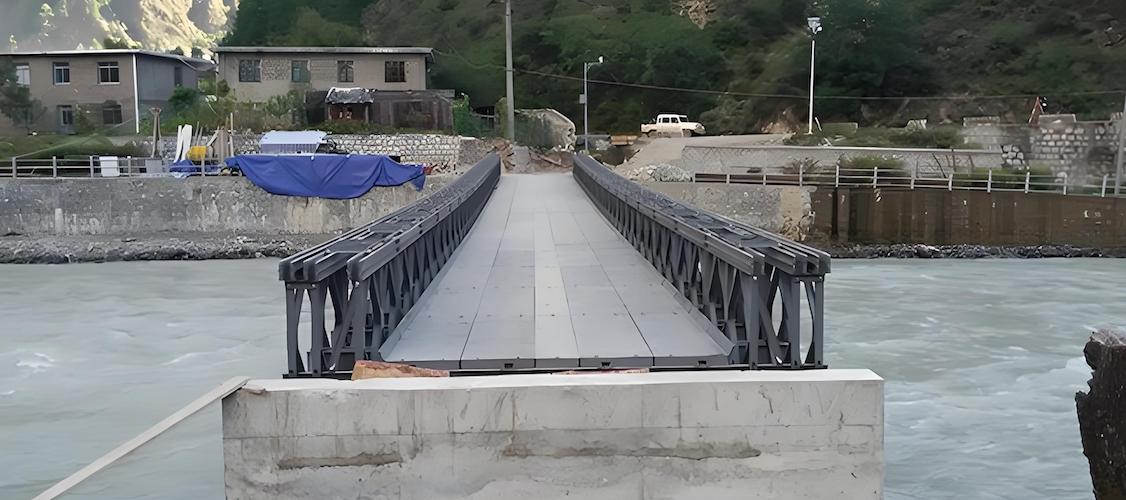
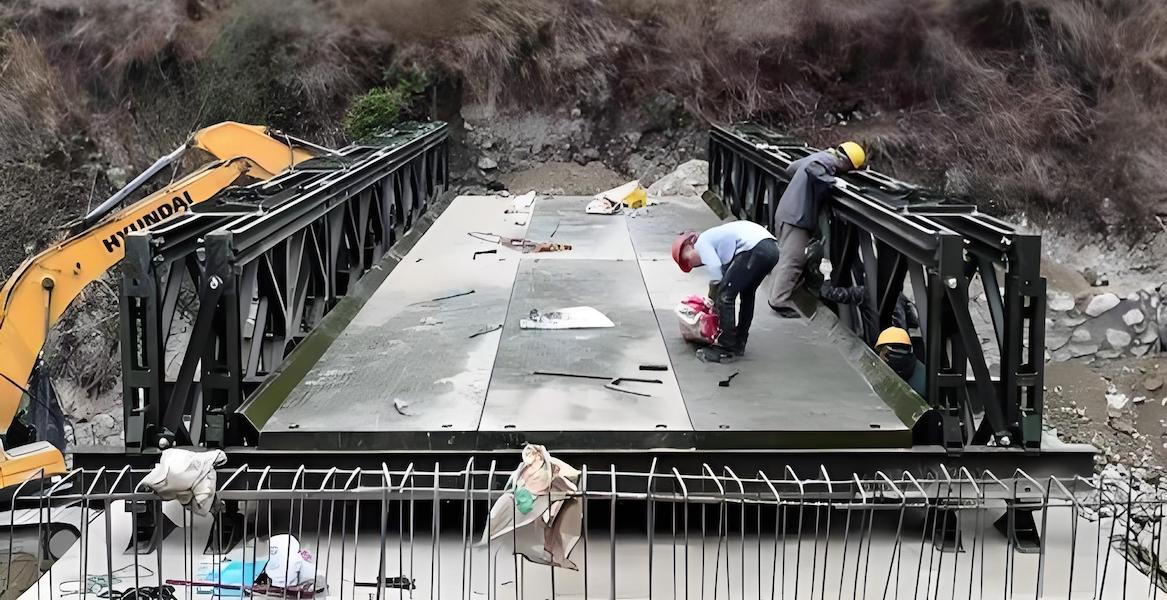
Modular steel bridges are prefabricated structures made from steel components that are manufactured off-site and assembled on-site. These bridges are designed to be lightweight yet strong, allowing for easy transportation and installation. The modular design enables quick assembly, reducing construction time and minimizing disruption to traffic and the surrounding environment. This approach not only enhances efficiency but also allows for the integration of advanced engineering techniques, ensuring that each bridge meets specific load and safety requirements. The ability to customize these structures for various applications makes them an attractive option for both urban and rural settings.
There are several types of modular steel bridges, each designed for specific applications. Common types include:
Beam Bridges: These are the simplest form of modular bridges, consisting of horizontal beams supported by vertical posts. They are ideal for short spans and low traffic volumes. Their straightforward design allows for quick construction and is often used in pedestrian walkways and small road crossings.
Truss Bridges: Truss bridges use a framework of triangular units to distribute loads efficiently. They are suitable for longer spans and can support heavier traffic. The truss design not only provides strength but also allows for a lighter structure, which can be beneficial in areas with weight restrictions.
Arch Bridges: These bridges utilize an arch structure to support loads, providing aesthetic appeal and structural integrity. They are often used in scenic areas or for pedestrian crossings. The arch design can also help in distributing weight more evenly, reducing stress on the supporting structures and extending the lifespan of the bridge.
The quality of materials used in the construction of modular steel bridges significantly impacts their lifespan. High-grade steel with appropriate corrosion resistance is essential for ensuring durability. The use of galvanized or weathering steel can enhance resistance to environmental factors, extending the bridge's life. Additionally, advancements in material science have led to the development of high-performance steel alloys that offer improved strength and durability, further enhancing the longevity of these structures. Regular testing and quality assurance during the manufacturing process are crucial to ensure that the materials meet the required standards.
The design and engineering of a modular steel bridge play a crucial role in its longevity. Proper load calculations, structural analysis, and adherence to engineering standards ensure that the bridge can withstand various stresses over time. Innovative design techniques, such as using advanced software for simulations, can help identify potential weaknesses before construction. Furthermore, incorporating redundancy in the design can provide additional safety margins, allowing the bridge to perform reliably under unexpected loads or conditions. Collaboration between architects and engineers during the design phase can also lead to more aesthetically pleasing and functional structures.
Environmental factors, including climate, temperature fluctuations, and exposure to moisture, can affect the lifespan of modular steel bridges. Bridges located in coastal areas may be more susceptible to corrosion due to saltwater exposure, while those in regions with extreme temperature variations may experience thermal expansion and contraction, leading to structural stress. Understanding the local environment is essential for selecting appropriate materials and protective coatings. Additionally, implementing drainage systems and protective barriers can help mitigate the effects of environmental exposure, further enhancing the bridge's durability.
The volume and type of traffic a bridge supports directly influence its lifespan. Bridges designed for heavy traffic loads require more robust construction and regular maintenance to prevent wear and tear. Understanding the expected traffic patterns and loads is essential for designing a bridge that can endure its intended use. Engineers often conduct traffic studies to assess current and future usage, allowing for better planning and design. Moreover, incorporating features such as load monitoring systems can provide real-time data on traffic conditions, enabling proactive maintenance and management.
Routine inspections are vital for identifying potential issues before they escalate into significant problems. Engineers recommend conducting visual inspections at least once a year, with more thorough assessments every few years. Inspections should focus on critical components, including joints, connections, and the overall structural integrity of the bridge. Utilizing advanced inspection technologies, such as drones and ultrasonic testing, can enhance the accuracy and efficiency of these assessments. Regular documentation of inspection findings is essential for tracking the bridge's condition over time and planning necessary maintenance activities.
Preventive maintenance involves proactive measures to address wear and tear before it leads to structural failure. This may include cleaning, painting, and applying protective coatings to prevent corrosion. Regular maintenance schedules should be established based on the bridge's design, materials, and environmental conditions. Additionally, training maintenance personnel in the latest techniques and technologies can improve the effectiveness of maintenance efforts. Implementing a comprehensive maintenance management system can help prioritize tasks and allocate resources efficiently.
Over time, even well-maintained modular steel bridges may require repairs or rehabilitation. This could involve replacing worn components, reinforcing structural elements, or upgrading the bridge to meet current safety standards. Timely repairs can significantly extend the lifespan of the bridge and ensure its continued safety for users. Engineers should assess the cost-effectiveness of repairs versus replacement, considering factors such as the bridge's age, condition, and historical significance. Innovative repair techniques, such as the use of composite materials, can enhance the strength and durability of existing structures.
One of the primary advantages of modular steel bridges is their cost-effectiveness. The prefabrication process reduces labor costs and construction time, leading to lower overall project expenses. Additionally, the durability of steel means that these bridges often require less frequent repairs compared to other materials, further enhancing their cost efficiency. The ability to standardize components can also lead to economies of scale, reducing costs for large-scale projects. Furthermore, the quick installation process minimizes disruption to local communities, which can result in additional savings.
Modular steel bridges can be installed quickly, minimizing disruption to traffic and the surrounding area. The off-site fabrication allows for simultaneous site preparation, leading to faster project completion. This rapid installation is particularly beneficial in emergency situations where quick access is essential. The modular approach also allows for easy relocation or expansion of the bridge if future needs change. This flexibility can be a significant advantage in urban planning, where space and resources are often limited.
Modular steel bridges offer flexibility in design and application. They can be customized to meet specific project requirements, including span length, load capacity, and aesthetic preferences. This adaptability makes them suitable for various applications, from rural crossings to urban infrastructure. The ability to integrate modern design elements and technologies can enhance the functionality and appearance of these bridges, making them more appealing to communities. Additionally, modular bridges can be designed to accommodate future upgrades, ensuring they remain relevant as infrastructure needs evolve.
As technology continues to evolve, so do the methods used in the design and construction of modular steel bridges. Innovations such as 3D printing, advanced materials, and smart sensors are being integrated into bridge design. These technologies can enhance structural performance, improve safety, and streamline maintenance processes. For instance, the use of 3D printing can allow for the rapid prototyping of bridge components, enabling more efficient design iterations. Smart sensors can provide real-time data on structural health, allowing for proactive maintenance and reducing the risk of unexpected failures.
Sustainability is becoming increasingly important in infrastructure development. Modular steel bridges can be designed with eco-friendly materials and practices, such as using recycled steel and minimizing waste during construction. Additionally, the longevity of these bridges contributes to sustainable infrastructure by reducing the need for frequent replacements. Implementing green design principles, such as incorporating renewable energy sources or enhancing biodiversity around the bridge site, can further improve the environmental impact of these structures. As public awareness of sustainability grows, the demand for eco-friendly infrastructure solutions will likely increase.
The future of modular steel bridges will likely see the incorporation of advanced safety features. This may include real-time monitoring systems that track structural health, load conditions, and environmental factors. Such systems can provide valuable data for maintenance planning and ensure the safety of users. Additionally, integrating smart technology can enhance user experience, such as providing real-time traffic updates or alerts for maintenance activities. As safety regulations evolve, modular steel bridges will need to adapt to meet new standards, ensuring they remain safe and reliable for all users.
The lifespan of a modular steel bridge is influenced by various factors, including material quality, design, environmental conditions, and maintenance practices. By understanding these elements, stakeholders can make informed decisions regarding the construction, maintenance, and rehabilitation of these structures. As technology advances and sustainability becomes a priority, modular steel bridges will continue to play a vital role in modern infrastructure development, offering a durable and cost-effective solution for transportation needs. The ongoing evolution of design, materials, and technology will ensure that these bridges not only meet current demands but also adapt to future challenges, contributing to safer and more efficient transportation networks.
The maintenance costs for a modular steel bridge can vary widely based on factors such as location, traffic load, and environmental conditions. On average, annual maintenance costs can range from 1% to 3% of the initial construction cost. Regular inspections, preventive maintenance, and occasional repairs contribute to these expenses.
The type of foundation used for a modular steel bridge significantly impacts its longevity. Deep foundations, such as piles, are often more stable and can better withstand soil movement and erosion, leading to a longer lifespan. Shallow foundations may be more cost-effective but can be susceptible to settling and shifting, potentially compromising the bridge's structural integrity.
Several modular steel bridges have exceeded their expected lifespans, demonstrating their durability. For example, the I-35W Saint Anthony Falls Bridge in Minnesota was designed for a lifespan of 75 years but has shown signs of lasting well beyond that with proper maintenance. Another example is the modular bridge in the UK, which was initially expected to last 50 years but has been in service for over 60 years with minimal repairs.
Corrosion protection is crucial for extending the lifespan of modular steel bridges. Techniques such as galvanization, the application of protective coatings, and the use of weathering steel can significantly reduce the risk of corrosion. Regular maintenance and inspections help identify and address corrosion issues before they lead to structural damage.
Technology can enhance the maintenance of modular steel bridges through the use of smart sensors and monitoring systems. These technologies can provide real-time data on structural health, load conditions, and environmental factors, allowing for proactive maintenance. Drones and advanced imaging techniques can also facilitate inspections, making them more efficient and thorough.


