

Views: 221 Author: Evercross Bridge Publish Time: 2026-01-29 Origin: Evercross Bridge


Content Menu
● Understanding Multi-Span Prefabricated Steel Bridges
>> Key Features
● Advantages of Multi-Span Prefabricated Steel Bridges
● Applications of Multi-Span Prefabricated Steel Bridges
>> 1. Transportation Infrastructure
● Case Studies and Industry Insights
● Frequently Asked and Questions regarding Multi-Span Prefabricated Steel Bridge
>> FAQ 1: What are the typical design considerations for multi-span prefabricated steel bridges?
>> FAQ 2: How do multi-span prefabricated steel bridges perform in seismic zones?
>> FAQ 3: What are the latest innovations in materials used for multi-span prefabricated steel bridges?
>> FAQ 4: What are the environmental benefits of using multi-span prefabricated steel bridges?
A multi-span prefabricated steel bridge is a modern engineering solution designed to provide efficient and durable transportation links across various terrains. With an annual production capacity exceeding 10,000 tons, companies like EVERCROSS BRIDGE are at the forefront of this industry, collaborating with major enterprises such as China Communications Construction Company and China Railway Group. This article delves into the characteristics, advantages, and applications of multi-span prefabricated steel bridges, highlighting their significance in contemporary infrastructure projects. As urbanization accelerates and infrastructure demands increase, understanding the role of these bridges becomes essential for engineers, planners, and policymakers.
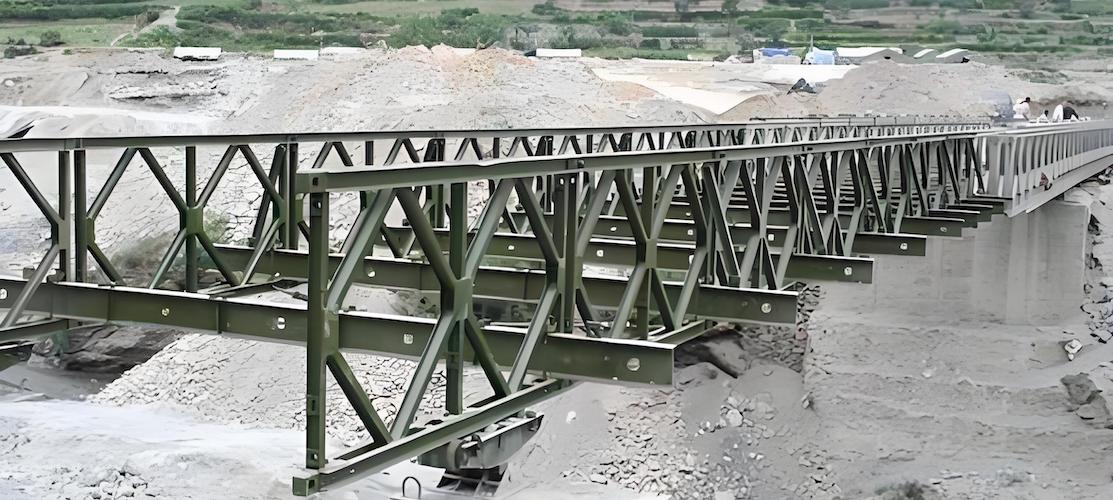
A multi-span prefabricated steel bridge consists of multiple spans supported by piers or abutments. The primary structural components include:
● Main Beams: These are the principal load-bearing elements, typically made of high-strength steel. Their design is crucial for ensuring the bridge can withstand various loads, including vehicular traffic and environmental forces.
● Trusses: Arranged in a triangular configuration, trusses provide stability and distribute loads effectively. The geometry of trusses allows for efficient material use, making them both lightweight and strong.
● Decking: The surface on which vehicles travel, often made from steel plates or composite materials. The choice of decking material can influence the bridge's overall weight, durability, and maintenance requirements.
● Modular Design: The prefabricated nature allows for quick assembly and disassembly, making these bridges ideal for temporary or emergency applications. This modularity also facilitates easy transportation to remote locations, where traditional construction methods may be impractical.
● Lightweight Construction: The use of advanced materials reduces the overall weight, facilitating easier transportation and installation. Lightweight bridges can often be installed with less heavy machinery, reducing the environmental impact of construction.
● Versatility: Suitable for various load capacities, these bridges can accommodate different vehicle types, from light cars to heavy trucks. This versatility makes them applicable in diverse settings, from urban environments to rural areas.
One of the most significant benefits of prefabricated steel bridges is their quick installation time. Components are manufactured off-site and assembled on location, significantly reducing construction time compared to traditional methods. This rapid deployment is particularly advantageous in emergency situations, where restoring access is critical for disaster response and recovery efforts.
Due to their modular design and efficient manufacturing processes, these bridges often result in lower overall project costs. The reduced labor and material waste contribute to their economic viability. Additionally, the long-term maintenance costs are typically lower than those of traditional bridges, as the materials used are designed to withstand harsh environmental conditions.
Constructed from high-quality steel, multi-span bridges are resistant to environmental factors such as corrosion and extreme weather conditions. This durability ensures a longer lifespan and lower maintenance costs. Many manufacturers also offer coatings and treatments that further enhance the steel's resistance to rust and wear, extending the bridge's operational life.
Prefabricated bridges can be designed to minimize environmental disruption during construction. Their lightweight nature reduces the need for extensive foundations, preserving the surrounding ecosystem. Furthermore, the use of sustainable materials and practices in their production can contribute to lower carbon footprints compared to traditional construction methods.
These bridges are widely used in highway and railway projects, providing essential links in transportation networks. Their ability to span large distances makes them ideal for crossing rivers, valleys, and other obstacles. In urban areas, they can alleviate traffic congestion by providing additional routes, while in rural settings, they can connect remote communities to main roads.
In disaster scenarios, multi-span prefabricated steel bridges can be rapidly deployed to restore access and facilitate relief efforts. Their quick assembly is crucial in times of crisis, allowing for the swift movement of emergency services and supplies. Case studies from recent natural disasters have shown that these bridges can significantly reduce recovery times and improve the effectiveness of humanitarian aid.
Often utilized in construction sites, these bridges serve as temporary access routes, allowing for the efficient movement of equipment and personnel. Their modular design means they can be easily relocated or reconfigured as project needs change, making them a flexible solution for construction management.
Recent advancements in bridge technology have led to the integration of smart sensors in prefabricated steel bridges. These sensors monitor structural health, providing real-time data to ensure safety and longevity. This technology allows for predictive maintenance, where potential issues can be identified and addressed before they lead to significant problems, enhancing the overall safety of the infrastructure.
Industry experts emphasize the importance of adopting prefabricated solutions in modern infrastructure projects. According to a report by the International Bridge Conference, prefabricated bridges can reduce construction time by up to 50%, making them a preferred choice for many civil engineering projects. Experts also highlight the growing trend of using digital modeling and simulation in the design phase, which can optimize bridge performance and reduce costs.
Multi-span prefabricated steel bridges represent a significant advancement in bridge engineering, offering numerous benefits such as rapid installation, cost-effectiveness, and enhanced durability. As infrastructure demands grow, the adoption of these innovative solutions will play a crucial role in shaping the future of transportation networks. Their ability to adapt to various environments and requirements makes them a vital component of modern civil engineering.
For more information on multi-span prefabricated steel bridges and how they can benefit your next project, contact EVERCROSS BRIDGE today. Our team of experts is ready to assist you in finding the perfect solution for your infrastructure needs. Whether you are planning a new construction project or need a temporary bridge solution, we have the expertise and resources to help you succeed.
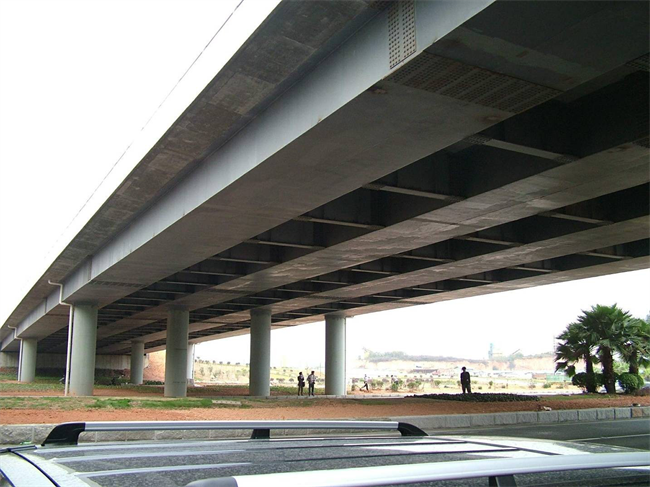
When designing multi-span prefabricated steel bridges, several key considerations must be taken into account, including:
● Load Capacity: The bridge must be designed to support the expected traffic loads, including vehicles, pedestrians, and environmental factors such as wind and snow.
● Span Length: The distance between supports affects the structural design and material selection. Longer spans may require more robust materials and innovative engineering solutions.
● Foundation Requirements: The type of soil and environmental conditions will influence the foundation design, ensuring stability and safety.
● Material Selection: High-strength steel is commonly used for its durability and weight-to-strength ratio, but considerations for corrosion resistance and maintenance are also important.
● Seismic Performance: In areas prone to earthquakes, the design must incorporate features that enhance the bridge's ability to withstand seismic forces.
Multi-span prefabricated steel bridges can be designed to perform well in seismic zones by incorporating specific engineering techniques. These may include:
● Flexible Design: Using materials and structural designs that allow for flexibility can help absorb and dissipate seismic energy.
● Base Isolation Systems: These systems can decouple the bridge from ground motion, reducing the forces transmitted to the structure during an earthquake.
● Reinforced Connections: Strengthening the connections between bridge components can enhance overall stability and reduce the risk of failure during seismic events.
● Regular Maintenance and Inspections: Ongoing assessments ensure that any potential vulnerabilities are addressed promptly, maintaining the bridge's integrity in seismic-prone areas.
Recent innovations in materials for multi-span prefabricated steel bridges include:
● High-Performance Steel: This type of steel offers improved strength and durability, allowing for lighter structures without compromising safety.
● Corrosion-Resistant Coatings: Advanced coatings can significantly extend the lifespan of steel components by protecting them from environmental factors.
● Composite Materials: The use of fiber-reinforced polymers (FRP) in conjunction with steel can enhance the overall performance and reduce weight.
● Smart Materials: Incorporating sensors and monitoring systems into the materials allows for real-time data collection on structural health, enabling proactive maintenance.
Multi-span prefabricated steel bridges offer several environmental benefits, including:
● Reduced Construction Waste: The prefabrication process minimizes material waste compared to traditional construction methods.
● Lower Carbon Footprint: The efficient manufacturing and installation processes contribute to a reduced carbon footprint, especially when using sustainable materials.
● Minimal Site Disruption: Their quick assembly reduces the time construction crews spend on-site, minimizing disruption to local ecosystems and communities.
● Recyclability: Steel is highly recyclable, allowing for the reuse of materials at the end of the bridge's life cycle, further reducing environmental impact.
Multi-span prefabricated steel bridges differ from traditional construction methods in several ways:
● Speed of Construction: Prefabricated bridges can be assembled much faster than traditional bridges, which often require extensive on-site work.
● Cost Efficiency: The reduced labor and material waste associated with prefabrication can lead to lower overall project costs.
● Quality Control: Prefabrication allows for better quality control in a factory setting, resulting in more consistent and reliable structures.
● Flexibility: Prefabricated designs can be easily modified or expanded, accommodating changing needs or conditions more readily than traditional methods.


