

Views: 221 Author: Site Editor Publish Time: 2026-01-29 Origin: Site


Content Menu
>> Key Features of the 321 Beile Plate
● Structural Components of the 321 Beile Plate
>> 2. Vertical and Diagonal Rods
● Advantages of Using 321 Beile Plates
● Recent Innovations in 321 Beile Plate Design
>>> Example 1: Emergency Bridge in Sichuan, China
>>> Example 2: Permanent Bridge in Rural India
>>> Example 3: Military Application in Afghanistan
>>> Example 4: Urban Infrastructure Project in New York City
● Practical Applications of 321 Beile Plates
● Frequently Asked and Questions regarding 321 Beile Plate bridges
>> 1. What are the standard load capacities for 321 Beile Plate bridges?
>> 2. How does the cost of 321 Beile Plate bridges compare to traditional bridge construction?
>> 3. What are the maintenance requirements for 321 Beile Plate bridges to ensure longevity?
>> 4. Can 321 Beile Plates be used in extreme weather conditions?
>> 5. What are the advantages of using 321 Beile Plates over traditional bridge materials?
The 321 Beile Plate is a pivotal component in the realm of modular steel bridge construction, celebrated for its lightweight design and exceptional load-bearing capabilities. This article aims to explore the intricate structure, unique features, and practical applications of the 321 Beile Plate, offering valuable insights for engineers, contractors, and industry professionals. By understanding its characteristics, stakeholders can make informed decisions regarding its use in various construction projects.
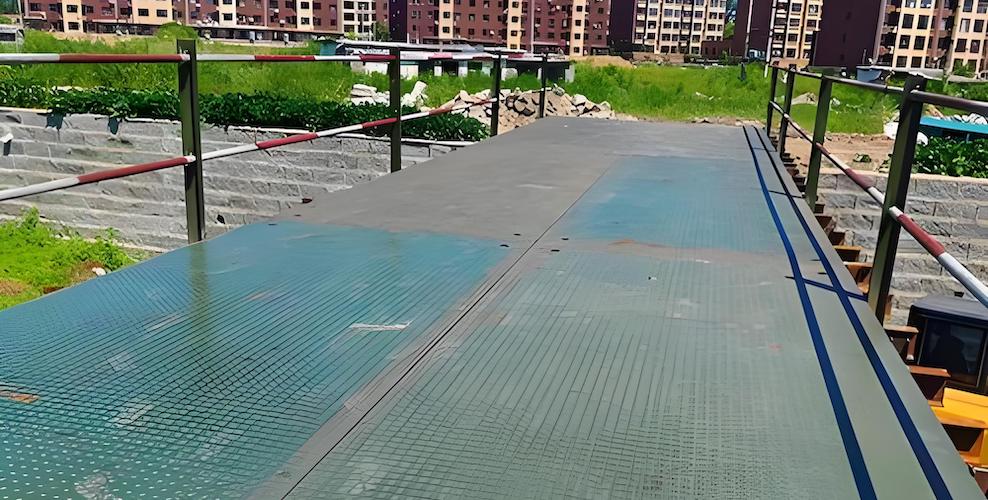
The 321 Beile Plate, often referred to as a truss plate, is a prefabricated steel component extensively utilized in the construction of Beile steel bridges. Its design allows for rapid assembly and disassembly, making it an ideal choice for both temporary and permanent structures. The versatility of the 321 Beile Plate enables it to adapt to various engineering requirements, ensuring that it meets the demands of modern infrastructure projects.
● Material Composition: Constructed from Q345 standard steel, the 321 Beile Plate is designed to withstand significant stress and environmental factors, ensuring longevity and reliability in various applications.
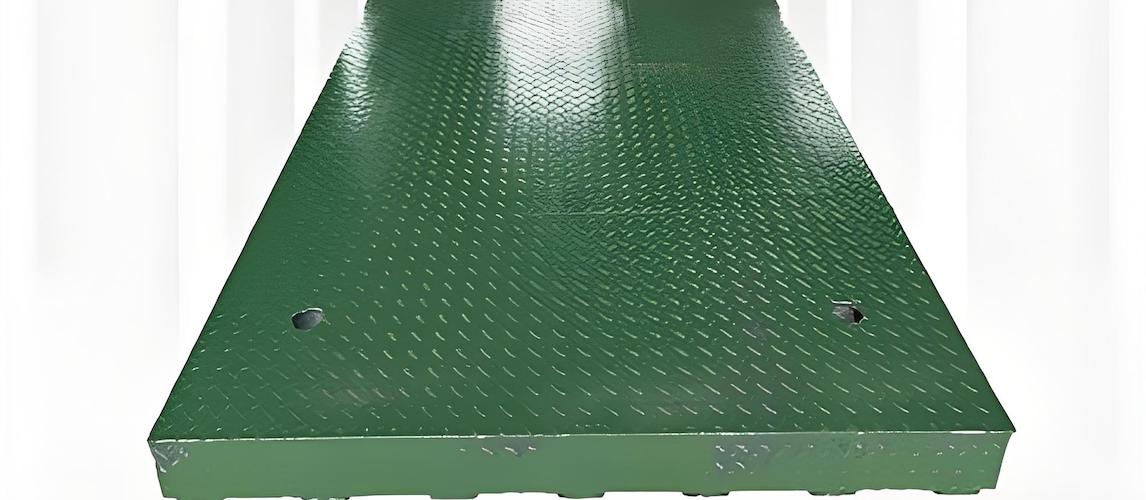
● Dimensions: Each plate measures 3 meters in length and 1.5 meters in width, with a weight of approximately 270 kg (±5%). This size allows for easy handling and transportation, making it suitable for diverse construction scenarios.
● Structural Design: The plate comprises upper and lower chords, vertical rods, and diagonal rods, all welded together to enhance stability. This robust design ensures that the plate can support substantial loads while maintaining structural integrity.
The upper and lower chords are formed by two back-to-back 10# channel steels, featuring male and female joints for secure connections. These joints are equipped with pin holes that facilitate easy assembly and disassembly, allowing for quick adjustments during construction. The design of the chords ensures that they can effectively distribute loads across the structure, enhancing overall stability.
Vertical rods are made from 8# I-beams, providing essential vertical support and stability to the structure. The diagonal rods play a crucial role in enhancing the overall rigidity of the plate, preventing deformation under load. This combination of vertical and diagonal elements creates a truss-like structure that efficiently transfers loads, making the 321 Beile Plate a reliable choice for bridge construction.
● Bolt Holes: The upper chord contains strategically placed bolt holes for connecting support frames and reinforcing trusses. These features allow for flexible configurations, enabling engineers to customize the bridge design according to specific project requirements.
● Wind Bracing: Oval holes on the lower chord allow for the attachment of wind bracing rods, ensuring stability against lateral forces. This feature is particularly important in areas prone to high winds or seismic activity, where additional support is necessary to maintain structural integrity.
● Ease of Transport: The lightweight design of the 321 Beile Plate facilitates easy transportation to construction sites, reducing logistical challenges and costs associated with heavy equipment.
● Rapid Assembly: The plates can be assembled quickly using basic tools and manpower, significantly reducing construction time. This efficiency is particularly beneficial in emergency situations where rapid deployment is essential.
● Versatile Applications: The 321 Beile Plate is suitable for various load classes, including automotive and tracked vehicles, making it adaptable for different project requirements. Its versatility allows it to be used in a wide range of applications, from temporary bridges to permanent structures.
In 2020, following a devastating earthquake in Sichuan Province, a temporary bridge was urgently needed to restore access to remote communities. The local government opted for the 321 Beile Plate due to its lightweight design and rapid assembly capabilities. Engineers were able to construct a 30-meter-long temporary bridge within just a few days, allowing emergency services and supplies to reach affected areas quickly. The modular nature of the 321 Beile Plate enabled the team to adjust the bridge design to accommodate varying load conditions, including heavy rescue vehicles and construction equipment.
In a rural area of India, a permanent bridge was constructed over a river to improve connectivity for local farmers and residents. Traditional materials would have been difficult to transport to the remote site, but the 321 Beile Plate provided a practical solution. The project involved assembling a 50-meter-long bridge using multiple 321 Beile Plates, which were transported in sections. The lightweight design allowed for easy handling, and the bridge was completed in record time, significantly enhancing local infrastructure and facilitating trade.
The 321 Beile Plate has also been utilized in military applications, particularly in Afghanistan, where rapid deployment of infrastructure is critical. In one instance, the U.S. Army used 321 Beile Plates to construct a temporary bridge to support troop movements and supply lines in a remote area. The ability to quickly assemble and disassemble the bridge allowed for flexibility in operations, ensuring that military logistics could adapt to changing conditions on the ground.
In an urban infrastructure project in New York City, the 321 Beile Plate was used to create a pedestrian bridge connecting two parks across a busy roadway. The project required a design that could support foot traffic while minimizing disruption to the surrounding area. The modular design of the 321 Beile Plate allowed for a streamlined construction process, and the bridge was completed ahead of schedule. This project not only improved pedestrian access but also enhanced the aesthetic appeal of the urban landscape.
These real-world examples highlight the versatility and effectiveness of the 321 Beile Plate in various applications, from emergency response to permanent infrastructure solutions. By selecting the right materials and designs, engineers can meet specific project needs while ensuring safety and efficiency.
Industry experts emphasize the importance of using high-quality materials and adhering to design specifications to maximize the performance of the 321 Beile Plate. Continuous advancements in steel manufacturing techniques are expected to enhance its properties further. Experts also recommend regular training for construction teams to ensure that they are familiar with the latest installation techniques and safety protocols.
The 321 Beile Plate is ideal for emergency response scenarios, as it can be quickly deployed to create temporary bridges in disaster-stricken areas. Its rapid assembly capabilities make it a preferred choice for humanitarian efforts, allowing for swift restoration of transportation routes.
In addition to temporary applications, the 321 Beile Plate is also used in the construction of permanent bridges. Its robust design and adaptability allow it to provide a reliable solution for spanning distances from 9 to 63 meters, accommodating various traffic loads and environmental conditions.
Beyond bridges, 321 Beile Plates can be utilized in constructing support structures, scaffolding, and other load-bearing frameworks. Their versatility makes them suitable for a wide range of construction projects, from commercial buildings to industrial facilities.
The 321 Beile Plate stands out as a vital component in modern bridge construction, offering a blend of strength, versatility, and ease of use. As the industry evolves, continued innovation in design and materials will further enhance its applications. By understanding the unique characteristics and advantages of the 321 Beile Plate, stakeholders can make informed decisions that contribute to the success of their projects.
For more information on how the 321 Beile Plate can benefit your next project, or to discuss custom solutions tailored to your specific needs, please contact us.Our team of experts is ready to assist you in achieving your construction goals.
The 321 Beile Plate bridges are designed to accommodate various load classes, including automotive loads of up to 20 tons and tracked vehicle loads of up to 50 tons. The specific load capacity can vary based on the configuration and number of plates used, as well as the overall design of the bridge. It is essential to consult engineering specifications to determine the exact load capacity for a particular application.
The cost of constructing bridges using 321 Beile Plates is generally lower than traditional bridge construction methods. This is primarily due to the reduced labor costs associated with the rapid assembly and disassembly of the plates, as well as the lower transportation costs due to their lightweight design. However, the overall cost can vary based on project specifications, location, and material prices, so it is advisable to conduct a detailed cost analysis for each project.
To ensure the longevity of 321 Beile Plate bridges, regular maintenance is essential. This includes periodic inspections to check for signs of wear, corrosion, or structural damage. Key maintenance tasks involve:
● Inspecting connections and joints for tightness and integrity.
● Cleaning the plates to remove debris and prevent corrosion.
● Applying protective coatings as needed to enhance durability.
● Monitoring load conditions and making adjustments if necessary.
Yes, 321 Beile Plates are designed to withstand various environmental conditions, including extreme weather. The use of Q345 standard steel provides excellent resistance to corrosion and structural integrity under different temperatures. However, it is crucial to consider local environmental factors and ensure that the design incorporates appropriate protective measures, such as coatings or treatments, to enhance performance in harsh conditions.
The advantages of using 321 Beile Plates over traditional bridge materials include:
● Lightweight Design: Facilitates easier transportation and handling.
● Rapid Assembly: Reduces construction time significantly, making it ideal for emergency situations.
● Cost-Effectiveness: Lower labor and material costs compared to traditional methods.
● Versatility: Can be adapted for various applications, including temporary and permanent structures.
● Durability: Made from high-quality steel, ensuring long-lasting performance with proper maintenance.


