

Views: 223 Author: Site Editor Publish Time: 2024-11-20 Origin: Site


Content Menu
● Understanding Continuous Span Bridges
>> Definition of Continuous Span Bridges
● Design Principles of Continuous Span Bridges
● Construction Methods for Continuous Span Bridges
>> Steel Construction Techniques
● Advantages of Continuous Span Bridges
>> Enhanced Structural Performance
>> Reduced Environmental Impact
● Applications of Continuous Span Bridges
>> Transportation Infrastructure
● Challenges in Continuous Span Bridge Design
● Future Trends in Continuous Span Bridge Design
● Frequently Asked Questions with Continuous Span Bridges
>> 1. What are the main advantages of continuous span bridges compared to traditional bridges?
>> 2. What materials are commonly used in the construction of continuous span bridges?
>> 3. How do engineers ensure the safety of continuous span bridges?
>> 4. In what types of projects are continuous span bridges typically used?
>> 5. What challenges do engineers face when designing continuous span bridges?
Continuous span bridges are a significant type of bridge design that offers numerous advantages in terms of structural integrity, aesthetic appeal, and economic efficiency. This article delves into the various aspects of continuous span bridges, including their definition, design principles, construction methods, advantages, and applications. By understanding these elements, one can appreciate the importance of continuous span bridges in modern engineering and infrastructure.
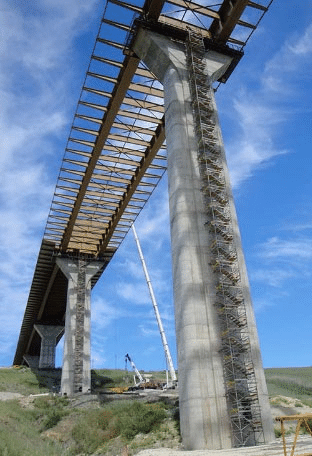
A continuous span bridge is a bridge that consists of multiple spans that are connected without any intermediate supports. This design allows the bridge to distribute loads more evenly across its structure, resulting in enhanced stability and reduced deflection. Continuous span bridges can be constructed using various materials, including steel, concrete, and composite materials, making them versatile for different applications.
The concept of continuous span bridges dates back to ancient civilizations, where early engineers experimented with arch designs to create longer spans. Over the centuries, advancements in materials and engineering techniques have led to the development of modern continuous span bridges. The introduction of reinforced concrete and steel has revolutionized bridge construction, allowing for longer spans and more complex designs.
The design of a continuous span bridge involves complex structural analysis to ensure that it can withstand various loads, including dead loads, live loads, and environmental factors such as wind and seismic activity. Engineers use advanced modeling techniques to simulate the behavior of the bridge under different conditions, allowing them to optimize the design for safety and performance.
One of the key advantages of continuous span bridges is their ability to distribute loads more effectively than simply supported bridges. In a continuous span bridge, the loads are shared among multiple spans, reducing the stress on individual components. This load distribution minimizes the risk of failure and enhances the overall durability of the bridge.
In addition to structural integrity, the aesthetic appeal of a continuous span bridge is an important consideration in its design. Engineers and architects work together to create visually striking bridges that complement their surroundings. The use of elegant curves and innovative materials can transform a functional structure into a landmark that enhances the landscape.
One common method for constructing continuous span bridges is the use of precast concrete elements. These components are manufactured off-site and then transported to the construction site for assembly. This method allows for greater precision in the fabrication process and can significantly reduce construction time.
Another approach is cast-in-place construction, where concrete is poured directly on-site to form the bridge structure. This method is often used for larger spans and allows for greater flexibility in design. Engineers can adjust the dimensions and shape of the bridge during construction, accommodating any unforeseen challenges.
Steel continuous span bridges are often constructed using advanced welding and bolting techniques. The use of steel allows for longer spans and lighter structures, making it an ideal choice for many applications. The construction process involves assembling steel girders and trusses, which are then connected to form the continuous spans.
Continuous span bridges offer superior structural performance compared to traditional bridge designs. The continuous nature of the spans allows for better load distribution, reducing the risk of structural failure. This enhanced performance is particularly important in areas prone to heavy traffic or extreme weather conditions.
The design and construction of continuous span bridges can be more cost-effective than other bridge types. The ability to span longer distances without the need for intermediate supports reduces the amount of material required and minimizes construction costs. Additionally, the durability of continuous span bridges often leads to lower maintenance costs over their lifespan.
Continuous span bridges can have a lower environmental impact compared to other bridge designs. By minimizing the number of supports needed, these bridges can reduce the disruption to the surrounding ecosystem. This is particularly important in sensitive areas, such as wetlands or riverbanks, where construction activities can have significant ecological consequences.
Continuous span bridges are widely used in transportation infrastructure, including highways, railways, and pedestrian walkways. Their ability to span long distances without supports makes them ideal for crossing rivers, valleys, and other obstacles. These bridges facilitate the efficient movement of people and goods, contributing to economic development.
In urban areas, continuous span bridges can serve as vital connections between neighborhoods and commercial districts. Their aesthetic appeal can enhance the urban landscape, making them popular choices for city planners and architects. These bridges often become iconic landmarks that symbolize the city’s commitment to modern infrastructure.
Continuous span bridges are also used in recreational settings, such as parks and nature trails. Their design allows for scenic views and safe passage over natural features, enhancing the outdoor experience for visitors. These bridges can be designed to blend seamlessly with their surroundings, promoting environmental stewardship.
The design of continuous span bridges involves complex engineering challenges. Engineers must consider various factors, including load distribution, material properties, and environmental conditions. The need for precise calculations and modeling can make the design process time-consuming and costly.
While continuous span bridges are generally durable, they still require regular maintenance to ensure their longevity. Engineers must monitor the condition of the bridge and address any issues that arise, such as corrosion or structural fatigue. Developing effective maintenance strategies is essential to prolonging the lifespan of these structures.
Constructing continuous span bridges often involves navigating complex environmental regulations. Engineers must ensure that their designs comply with local, state, and federal guidelines to minimize the impact on the surrounding ecosystem. This can add additional layers of complexity to the design and construction process.
The future of continuous span bridge design is likely to be influenced by advancements in materials science. The development of new, lightweight materials with enhanced strength properties could lead to even longer spans and more efficient designs. Engineers are exploring the use of materials such as carbon fiber and high-performance concrete to push the boundaries of bridge construction.
The integration of smart technology into continuous span bridges is another emerging trend. Engineers are increasingly incorporating sensors and monitoring systems into bridge designs to collect data on structural performance and environmental conditions. This information can be used to optimize maintenance schedules and improve safety.
As environmental concerns continue to grow, the focus on sustainable bridge design is becoming more prominent. Continuous span bridges can be designed with sustainability in mind, using recycled materials and energy-efficient construction methods. This approach not only reduces the environmental impact but also aligns with global efforts to promote sustainable infrastructure.
Continuous span bridges represent a remarkable achievement in engineering and design. Their ability to span long distances without intermediate supports offers numerous advantages, including enhanced structural performance, cost-effectiveness, and reduced environmental impact. As technology continues to advance, the future of continuous span bridges looks promising, with innovations in materials and smart technology paving the way for even more efficient and sustainable designs. Understanding the principles and applications of continuous span bridges is essential for appreciating their role in modern infrastructure and their potential to shape the future of transportation and urban development.

Continuous span bridges offer several advantages, including better load distribution, reduced deflection, and enhanced structural integrity. They also require fewer supports, which can lower construction costs and minimize environmental impact.
Common materials for continuous span bridges include reinforced concrete, steel, and composite materials. Each material has its own benefits, such as steel's strength and flexibility or concrete's durability and cost-effectiveness.
Engineers use advanced modeling and structural analysis techniques to simulate the behavior of continuous span bridges under various loads and conditions. Regular inspections and maintenance are also crucial to identify and address any potential issues.
Continuous span bridges are commonly used in transportation infrastructure, such as highways and railways, as well as in urban development projects and recreational areas, where they can enhance connectivity and aesthetic appeal.
Engineers face several challenges, including complex structural calculations, compliance with environmental regulations, and the need for effective maintenance strategies. These factors can complicate the design and construction process, requiring careful planning and execution.


