

Views: 221 Author: Site Editor Publish Time: 2025-03-31 Origin: Site


Content Menu
● Understanding Emergency Bridges
>> Span Length
>> Future Use
● Frequently Asked Questions regarding Emergency Bridge
>> 1. What is the primary purpose of an emergency bridge?
>> 2. How quickly can emergency bridges be deployed?
>> 3. What factors influence the load capacity of an emergency bridge?
>> 4. Why is site assessment important before deploying an emergency bridge?
>> 5. What are the environmental considerations when deploying an emergency bridge?
Emergency bridges play a crucial role in disaster response and recovery, providing vital access for emergency services, humanitarian aid, and the general public. The selection of the appropriate type of emergency bridge is influenced by various factors, each of which must be carefully considered to ensure the bridge meets the specific needs of the situation. This article explores the key factors that determine the type of emergency bridge to be deployed, organized under relevant subheadings for clarity.
Emergency bridges are temporary structures designed to provide immediate access across obstacles such as rivers, ravines, or damaged infrastructure. They are typically used in situations where traditional bridges are unavailable due to natural disasters, accidents, or military operations. The design and deployment of these bridges must be efficient, safe, and adaptable to various conditions. Emergency bridges not only facilitate the movement of emergency personnel and equipment but also restore connectivity for affected communities, allowing for the delivery of essential services and supplies. Their rapid deployment can significantly impact the effectiveness of disaster response efforts, making them a critical component of emergency management strategies.
There are several types of emergency bridges, each suited for different scenarios. Common types include:
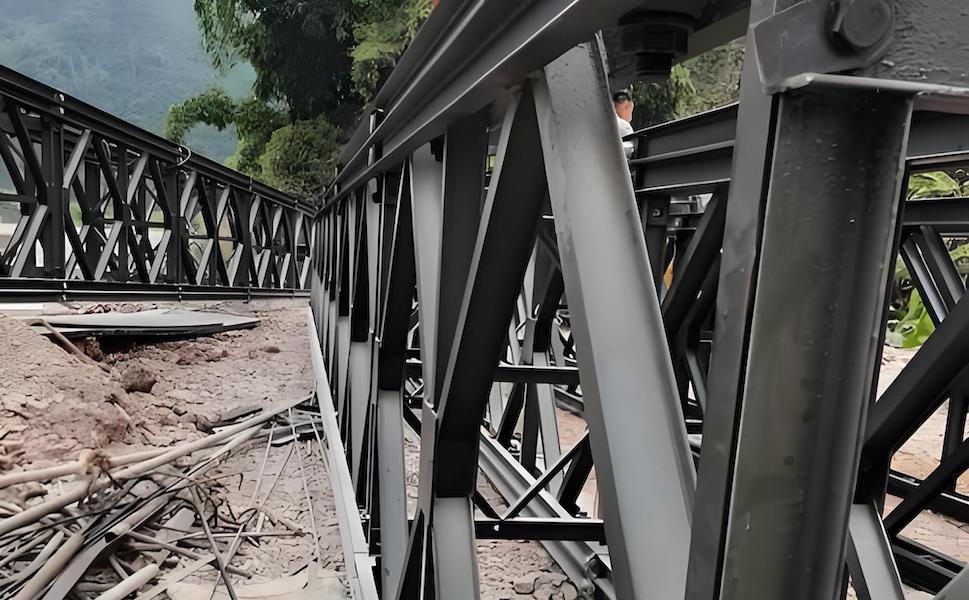
Bailey Bridges: These are prefabricated, modular bridges that can be quickly assembled and are known for their strength and versatility. Originally developed during World War II, Bailey bridges have been widely used in military and civilian applications due to their ability to support heavy loads and span considerable distances.
Panel Bridges: Made from lightweight materials, these bridges are easy to transport and set up, making them ideal for rapid deployment. Their modular design allows for customization based on the specific requirements of the site, ensuring that they can be adapted to various conditions.
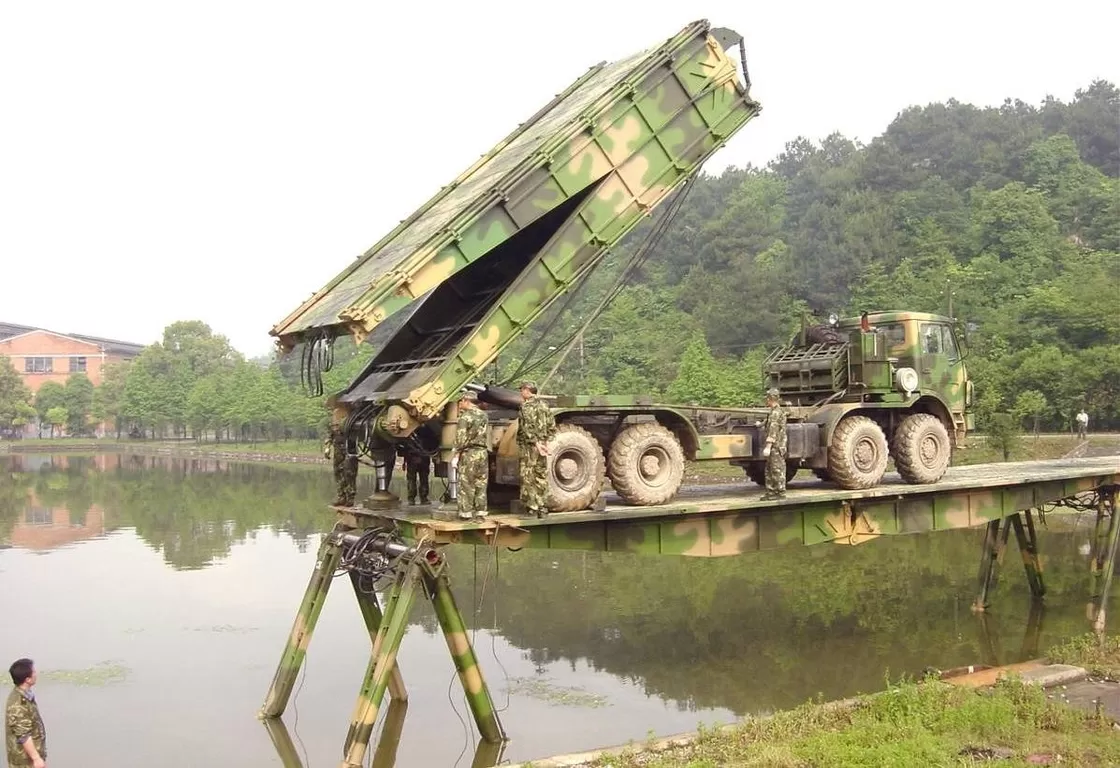
Foldable Bridges: These bridges can be compacted for easy transport and expanded on-site, suitable for temporary crossings. Their design allows for quick setup and dismantling, making them particularly useful in emergency situations where time is of the essence.
Modular Bridges: These consist of pre-manufactured sections that can be assembled in various configurations to meet specific site requirements. Modular bridges offer flexibility in design and can be tailored to accommodate different spans and load capacities, making them a popular choice for emergency deployments.
When selecting an emergency bridge, several critical factors must be evaluated to ensure the structure is appropriate for the intended use.
The load capacity of an emergency bridge is one of the most important considerations. It must be able to support the expected traffic, including emergency vehicles, heavy trucks, and pedestrian loads. The materials used in construction, the design of the bridge, and the anticipated weight of the loads all influence this capacity. Ensuring that the bridge can safely accommodate the necessary weight is essential for preventing structural failure. Additionally, load capacity must account for dynamic forces, such as those created by moving vehicles, which can significantly impact the bridge's stability and safety.
The span length required for the bridge is another significant factor. This depends on the distance that needs to be crossed, which can vary based on the geographical features of the site. For instance, a bridge spanning a wide river will require a longer span than one crossing a narrow stream. The design must also consider the terrain and any obstacles that may affect the bridge's placement. In some cases, innovative engineering solutions may be necessary to achieve the required span while maintaining structural integrity and safety.
The specific conditions of the deployment site can greatly influence the choice of bridge. Factors such as soil type, weather conditions, and existing infrastructure must be assessed. For example, a site with unstable soil may require a different type of bridge than one situated on solid ground. Additionally, adverse weather conditions can affect the speed of deployment and the materials used. Understanding the local environment, including potential flooding, seismic activity, or extreme temperatures, is crucial for selecting a bridge that will perform reliably under the given conditions.
In emergency situations, the speed of deployment is critical. The selected bridge type must be capable of being assembled and made operational quickly to restore access. Some bridge designs allow for rapid assembly, while others may require more time and resources. The urgency of the situation will dictate the acceptable deployment time. In many cases, the ability to deploy a bridge within hours can mean the difference between life and death, making it essential to prioritize quick and efficient solutions.
The durability of the emergency bridge is vital, especially if it is intended for use over an extended period. The materials and design should be able to withstand environmental factors such as weather, corrosion, and wear from traffic. Additionally, considerations for maintenance during the bridge's use should be factored into the selection process to ensure safety and functionality. Regular inspections and maintenance protocols can help identify potential issues before they become critical, ensuring that the bridge remains safe for all users.
Budget constraints often play a significant role in the selection of an emergency bridge. The cost of materials, transportation, and assembly must be weighed against the urgency and scale of the emergency. While some bridge types may be more expensive, their benefits in terms of durability and load capacity may justify the investment. It is essential to conduct a cost-benefit analysis to determine the most effective solution that meets both financial and operational needs.
Emergency bridges must comply with local, state, and federal regulations. This includes safety standards, environmental regulations, and any specific requirements related to the type of bridge being deployed. Ensuring compliance is essential to avoid legal issues and to guarantee the safety of users. Engaging with regulatory bodies early in the planning process can help streamline approvals and ensure that all necessary permits are obtained in a timely manner.
The environmental impact of deploying an emergency bridge should also be considered. The construction and presence of the bridge can affect local ecosystems, waterways, and wildlife. Minimizing this impact is crucial, especially in sensitive areas. Selecting materials and designs that are environmentally friendly can help mitigate potential harm. Additionally, planning for the eventual removal of the bridge and restoration of the site can further reduce long-term environmental consequences.
While functionality is the primary concern, aesthetic considerations may also play a role, particularly in urban areas or locations with significant visual impact. The design of the bridge should blend with the surrounding environment and not detract from the area's natural beauty or historical significance. Engaging with local communities and stakeholders during the design process can help ensure that the bridge is not only functional but also visually appealing and culturally sensitive.
Finally, the potential for future use of the emergency bridge should be considered. If the bridge is likely to be needed beyond the immediate emergency, it may be worth investing in a more permanent solution. This foresight can save time and resources in the long run, as the bridge can continue to serve its purpose after the initial crisis has passed. Planning for future use may also involve considering how the bridge can be integrated into existing infrastructure or adapted for different types of traffic.
The deployment of emergency bridges is a complex process that requires careful consideration of various factors. Load capacity, span length, site conditions, deployment time, durability, cost, regulatory compliance, environmental impact, aesthetic considerations, and future use all play critical roles in determining the appropriate type of bridge. By thoroughly evaluating these factors, emergency responders can ensure that they choose a bridge that meets the needs of the situation while providing safety and accessibility for all users.
In summary, the selection of an emergency bridge is not merely a logistical decision; it is a multifaceted process that requires a deep understanding of the specific circumstances surrounding the emergency. By prioritizing these factors, communities can enhance their resilience and response capabilities in the face of disasters. The ability to deploy effective emergency bridges can significantly improve recovery efforts, restore normalcy, and ultimately save lives in times of crisis.
The primary purpose of an emergency bridge is to provide immediate access across obstacles such as rivers, ravines, or damaged infrastructure during emergencies. This allows for the rapid movement of emergency services, humanitarian aid, and the general public, facilitating disaster response and recovery efforts.
The deployment speed of emergency bridges varies depending on the type of bridge and the specific circumstances. Some bridges, like panel or foldable bridges, can be assembled and made operational within hours, while others may take longer. The urgency of the situation often dictates the acceptable deployment time.
The load capacity of an emergency bridge is influenced by several factors, including the materials used in construction, the design of the bridge, and the anticipated weight of the loads it will support. It is crucial to ensure that the bridge can safely accommodate emergency vehicles, heavy trucks, and pedestrian traffic.
Site assessment is vital because it helps identify specific conditions such as soil type, weather patterns, and existing infrastructure that can affect the bridge's performance and safety. Understanding these factors ensures that the selected bridge type is suitable for the environment and can withstand potential challenges.
Environmental considerations include assessing the potential impact of the bridge on local ecosystems, waterways, and wildlife. It is important to choose materials and designs that minimize harm to the environment and to plan for the eventual removal of the bridge to restore the site after its use.


