

Views: 221 Author: Site Editor Publish Time: 2025-03-27 Origin: Site


Content Menu
● Understanding Temporary Emergency Bridges
>> Types of Temporary Emergency Bridges
>> Design Flaws
>>> Inadequate Load Calculations
>>> Insufficient Quality Control
>>> Soil Conditions
>>> Lack of Regular Inspections
>>> Failure to Address Wear and Tear
>>> Comprehensive Load Analysis
>>> Incorporating Safety Margins
>> Enhanced Construction Protocols
>>> Training and Certification
>> Regular Maintenance and Inspections
>>> Prompt Repairs
>> Community and Stakeholder Engagement
>>> Involving Local Authorities
>>> Public Awareness Campaigns
● Frequently Asked Questions regarding Temporary Emergency Bridges
>> 1. What materials are commonly used in the construction of temporary emergency bridges?
>> 2. How long can temporary emergency bridges typically remain in place?
>> 3. What are the key factors to consider when selecting a site for a temporary emergency bridge?
>> 4. How can communities prepare for the deployment of temporary emergency bridges?
>> 5. What role do inspections play in the safety of temporary emergency bridges?
Temporary emergency bridges play a crucial role in providing immediate access and connectivity in disaster-stricken areas or during infrastructure repairs. These structures are often the lifeline for communities affected by natural disasters, accidents, or infrastructure failures. However, despite their importance, these bridges are not immune to failures. Understanding the common causes of failure in temporary emergency bridges is essential for improving their design, construction, and maintenance. This article explores the various factors contributing to the failure of these vital structures, providing a comprehensive overview of the challenges faced in their deployment and operation.
Temporary emergency bridges are designed to be quickly deployed in response to emergencies such as natural disasters, accidents, or infrastructure failures. Their primary purpose is to restore transportation routes and facilitate the movement of people and goods when permanent structures are compromised. These bridges are typically constructed from lightweight materials that allow for rapid assembly and disassembly, making them ideal for situations where time is of the essence. The ability to quickly establish a reliable transportation route can significantly impact emergency response efforts, enabling the delivery of aid and resources to affected areas.
There are several types of temporary emergency bridges, each with unique characteristics and applications.
Modular Bridges: These are pre-fabricated sections that can be assembled on-site, allowing for flexibility in design and configuration. Modular bridges can be adapted to various spans and load requirements, making them suitable for different emergency scenarios.
Bailey Bridges: A type of portable, pre-fabricated truss bridge, Bailey bridges are known for their strength and ease of assembly. They have been used extensively in military applications and are now common in civilian emergency situations due to their robustness and reliability.
Folding Bridges: These compact structures can be unfolded and set up quickly, making them ideal for rapid deployment in emergencies. Their design allows for easy transport and setup, which is crucial in time-sensitive situations.
Each type has its advantages and limitations, which can influence their performance and susceptibility to failure. Understanding these differences is vital for selecting the appropriate bridge type for specific emergency conditions.
One of the primary causes of failure in temporary emergency bridges is inadequate load calculations during the design phase. Engineers must consider not only the expected loads but also potential overloads from emergency vehicles or unexpected traffic. Failure to accurately assess these loads can lead to structural failure. For instance, if a bridge is designed to support a certain weight but is subjected to heavier vehicles, the risk of collapse increases significantly. This highlights the importance of thorough engineering analysis and the need for conservative estimates in load-bearing calculations.
Design choices that do not account for environmental factors, such as wind, water flow, and seismic activity, can compromise the integrity of a bridge. For example, a bridge designed without considering potential flooding may be washed away during a storm. Additionally, the choice of materials and structural configurations must be appropriate for the specific conditions in which the bridge will be used. Engineers must also consider the long-term effects of environmental exposure, such as corrosion or material fatigue, which can weaken the structure over time.
The construction of temporary emergency bridges often involves rapid deployment, which can lead to the hiring of inexperienced labor. Lack of skilled workers can result in improper assembly, inadequate connections, and overall poor workmanship, increasing the risk of failure. Training programs and certifications for construction personnel can help mitigate this issue, ensuring that workers are equipped with the necessary skills and knowledge to construct safe and reliable bridges.
Quality control measures are crucial in ensuring that materials and construction practices meet safety standards. In the rush to deploy temporary bridges, quality control may be overlooked, leading to the use of substandard materials or construction techniques. Implementing strict quality assurance protocols can help ensure that every component of the bridge meets the required specifications, reducing the likelihood of failure due to construction defects.
Extreme weather conditions, such as heavy rain, snow, or high winds, can significantly impact the stability of temporary emergency bridges. For example, heavy rainfall can lead to flooding, which may undermine the bridge's foundation or wash away supporting structures. Additionally, high winds can exert lateral forces on the bridge, potentially leading to structural failure if the design does not account for these forces. Engineers must consider local weather patterns and historical data when designing temporary bridges to ensure they can withstand adverse conditions.
The condition of the soil on which a bridge is built is critical. Poor soil conditions, such as loose or unstable soil, can lead to settlement or shifting, causing the bridge to become misaligned or collapse. Conducting thorough geotechnical investigations before construction can help identify potential soil issues and inform the design process. Engineers may need to implement additional support measures, such as deep foundations or soil stabilization techniques, to ensure the bridge's stability.
Temporary emergency bridges are often intended for short-term use, which can lead to neglect in regular inspections and maintenance. Without routine checks, small issues can escalate into significant problems, resulting in structural failure. Establishing a clear maintenance schedule and assigning responsibility for inspections can help ensure that bridges remain safe and functional throughout their intended lifespan.
Even temporary structures experience wear and tear. If these issues are not addressed promptly, they can compromise the bridge's integrity. For instance, rust on metal components or deterioration of wooden elements can weaken the structure over time. Regular maintenance and timely repairs are essential to prolonging the life of temporary bridges and ensuring their continued safety.
Temporary emergency bridges are often used by heavy vehicles, including emergency response teams. Accidental impacts from vehicles can cause significant damage, especially if the bridge is not designed to withstand such forces. Implementing weight limits and traffic control measures can help mitigate the risk of accidental impacts, ensuring that the bridge remains safe for use.
Natural disasters, such as earthquakes or floods, can exceed the design limits of temporary emergency bridges. These events can lead to sudden and catastrophic failures, highlighting the importance of designing for extreme conditions. Engineers must consider the potential for seismic activity and other natural hazards when designing temporary bridges, incorporating features that enhance their resilience to such events.
To mitigate the risk of failure, engineers should conduct comprehensive load analyses that consider all potential loads, including dynamic loads from moving vehicles and static loads from the bridge structure itself. This analysis should also account for the potential for unexpected traffic patterns during emergencies, ensuring that the bridge can accommodate varying load conditions.
Designers should incorporate safety margins into their calculations to account for unexpected conditions. This practice can help ensure that the bridge can withstand unforeseen stresses. By designing with a margin of safety, engineers can provide an additional buffer against potential overloads or environmental impacts, enhancing the overall reliability of the structure.
Investing in training and certification for construction personnel can improve the quality of work and reduce the likelihood of errors during assembly. Providing ongoing education and resources for workers can help ensure that they are familiar with best practices and the latest advancements in bridge construction techniques.
Implementing rigorous quality control measures throughout the construction process can help ensure that materials and workmanship meet safety standards. Regular inspections during construction can identify potential issues early, allowing for timely corrections and reducing the risk of failure.
Establishing a schedule for regular inspections can help identify potential issues before they lead to failure. Inspections should focus on critical components, such as joints, supports, and connections. By conducting thorough assessments at regular intervals, maintenance teams can proactively address any concerns and ensure the bridge remains safe for use.
Addressing wear and tear promptly can prevent small issues from escalating into significant problems. Maintenance teams should be prepared to make repairs quickly, especially in emergency situations. Having a dedicated maintenance plan in place can facilitate rapid response to any identified issues, ensuring the bridge remains operational.
Engaging local authorities and stakeholders in the planning and deployment of temporary emergency bridges can help ensure that the structures meet community needs and safety standards. Collaboration with local governments and emergency services can provide valuable insights into the specific requirements and challenges faced in different regions.
Raising public awareness about the importance of respecting weight limits and traffic regulations on temporary bridges can help reduce the risk of accidental impacts and overloads. Educational campaigns can inform the public about the proper use of these structures, promoting safety and compliance with established guidelines.
Temporary emergency bridges are essential for maintaining connectivity during crises, but they are vulnerable to various failure risks. By understanding the common causes of failure, stakeholders can implement strategies to enhance the design, construction, and maintenance of these critical structures. Through improved practices and community engagement, the safety and reliability of temporary emergency bridges can be significantly enhanced, ensuring they serve their purpose effectively in times of need. As communities continue to face challenges from natural disasters and infrastructure failures, the importance of resilient and reliable temporary bridges cannot be overstated.
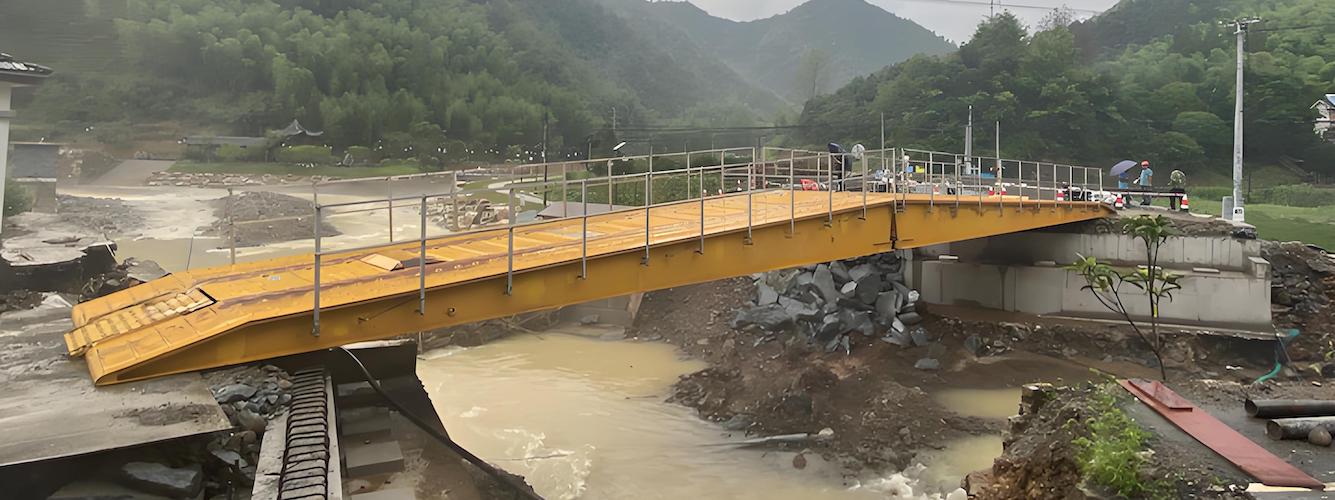
Temporary emergency bridges are often constructed using lightweight materials such as aluminum, steel, and composite materials. These materials are chosen for their strength-to-weight ratio, allowing for quick assembly and disassembly while ensuring structural integrity.
The duration that temporary emergency bridges can remain in place varies based on their design and the conditions they face. Generally, they are intended for short-term use, ranging from a few weeks to several months, but with proper maintenance, some can last longer if necessary.
Key factors include soil stability, environmental conditions (such as flood risk), accessibility for construction equipment, and proximity to the affected area. Engineers must also assess the expected traffic loads and any potential hazards that could impact the bridge's performance.
Communities can prepare by developing emergency response plans that include the identification of potential bridge sites, training personnel in rapid assembly techniques, and establishing partnerships with engineering firms that specialize in temporary structures.
Inspections are critical for ensuring the safety and functionality of temporary emergency bridges. Regular inspections help identify wear and tear, structural issues, and compliance with safety standards, allowing for timely repairs and maintenance to prevent failures.


