

Views: 221 Author: Site Editor Publish Time: 2025-05-14 Origin: Site


Content Menu
● Understanding Pontoon Bridges
>> Advantages of Pontoon Bridges
● Leading Pontoon Bridge Manufacturers in China
>> 1. Great Wall Heavy Industry Technology Co., Ltd.
>> 2. Guangzhou Hengqiao Offshore Engineering Co., Ltd.
>> 4. Zhuhai NO.1 Marine Pontoon Engineering Company Limited
>> 5. Guangzhou Deli Yacht Marina Engineering Co., Ltd.
● Factors to Consider When Choosing a Pontoon Bridge Manufacturer
● Frequently Asked Questions regarding Pontoon Bridge Manufacturers in China
>> 1. What are the typical costs associated with different types of pontoon bridges?
>> 3. What innovations are Chinese manufacturers bringing to pontoon bridge technology?
>> 4. What are the environmental considerations when constructing pontoon bridges?
>> 5. How long do pontoon bridges typically last?
Pontoon bridges are essential structures that provide temporary or permanent crossings over water bodies. They are particularly useful in areas where traditional bridges are impractical or too expensive to construct. In recent years, China has emerged as a significant player in the pontoon bridge manufacturing industry, offering a variety of designs and materials to meet diverse needs. This article explores some of the best pontoon bridge manufacturers in China, highlighting their unique offerings and contributions to the industry.
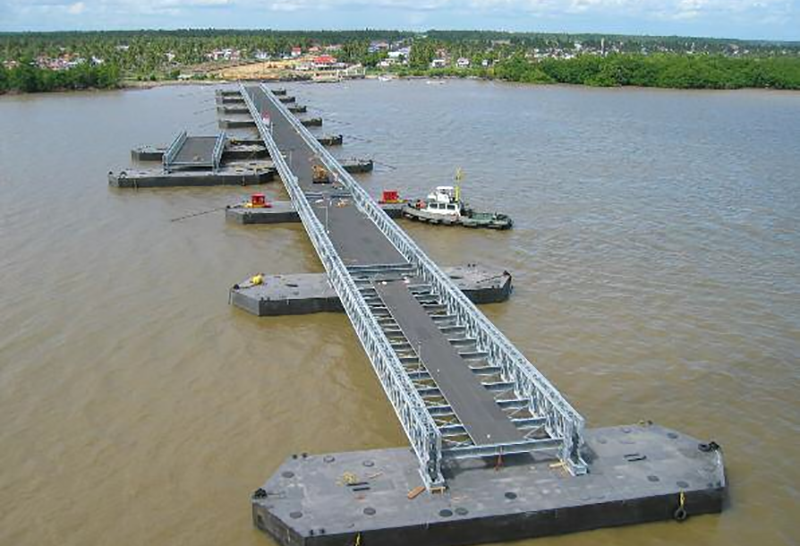
A pontoon bridge is a floating bridge that uses pontoons or barges to support the bridge deck. These structures can be used for vehicles, pedestrians, or both, depending on their design. They are often deployed in military operations, disaster relief efforts, and recreational areas. The versatility of pontoon bridges makes them suitable for various applications, from temporary crossings during emergencies to permanent installations in urban settings. Their ability to adapt to different water conditions and environments further enhances their utility.
Pontoon bridges offer several advantages, including:
Cost-Effectiveness: They are generally less expensive to construct than traditional bridges. The materials used in pontoon bridges, such as high-density polyethylene and aluminum, are often more affordable and easier to source, reducing overall project costs.
Flexibility: They can be easily assembled and disassembled, making them ideal for temporary applications. This flexibility allows for quick deployment in emergency situations, such as natural disasters, where immediate access is crucial.
Accessibility: They can be built in locations where traditional bridges would be impractical due to environmental constraints. For instance, in areas with unstable soil or significant water flow, pontoon bridges can provide a reliable crossing without the need for extensive groundwork.
Great Wall Heavy Industry is one of the most recognized manufacturers of pontoon bridges in China. They specialize in producing high-quality steel pontoon bridges that meet international standards. Their products are known for their durability and ability to withstand harsh environmental conditions, such as extreme temperatures and heavy loads. The company has a strong reputation for delivering projects on time and providing excellent customer service, which has helped them build long-term relationships with clients across various sectors, including government and private enterprises.
Guangzhou Hengqiao is a professional manufacturer of floating bridges and various types of floating structures. They focus on innovative designs and use advanced materials to ensure the longevity and safety of their products. Their pontoon bridges are widely used in both commercial and recreational applications, making them a versatile choice for clients. The company invests heavily in research and development, allowing them to stay ahead of industry trends and continuously improve their offerings. This commitment to innovation has positioned them as a leader in the market.
Hisea Dock is another prominent player in the pontoon bridge manufacturing sector. They offer a range of floating bridge solutions, including modular designs that can be customized to meet specific project requirements. Hisea Dock is known for its commitment to quality and has received numerous certifications for its manufacturing processes. Their modular systems allow for easy expansion and modification, making them ideal for projects that may require future adjustments. Additionally, Hisea Dock emphasizes sustainability in its manufacturing practices, using eco-friendly materials whenever possible.
Zhuhai NO.1 Marine specializes in marine engineering and pontoon bridge construction. They provide a variety of pontoon bridge solutions, including military-grade options. Their products are designed to be robust and reliable, making them suitable for various applications, including emergency response and military operations. The company has a strong focus on safety and compliance, ensuring that all their bridges meet stringent international standards. Their experience in military projects has equipped them with the expertise to handle complex engineering challenges.
Guangzhou Deli focuses on the design and manufacture of pontoon bridges for recreational use, particularly in yacht marinas and waterfront developments. Their bridges are designed with aesthetics in mind, ensuring they complement the surrounding environment while providing functionality. Deli's commitment to quality craftsmanship and innovative design has made them a preferred choice for luxury marina projects. They also offer a range of customization options, allowing clients to tailor the design to fit specific aesthetic and functional requirements.
The quality of materials used in the construction of pontoon bridges is crucial for their durability and safety. Manufacturers that use high-grade materials, such as marine-grade aluminum and corrosion-resistant steel, are preferable. The choice of materials not only affects the lifespan of the bridge but also its maintenance requirements. High-quality materials can withstand harsh weather conditions and reduce the frequency of repairs, ultimately saving costs in the long run.
Different projects may require different designs. A good manufacturer should offer customizable options to meet specific needs, whether for pedestrian use, vehicle access, or unique environmental conditions. The ability to adapt designs to fit specific site conditions, such as varying water levels or environmental regulations, is essential for ensuring the bridge's effectiveness and longevity. Manufacturers that provide a range of design options can better serve diverse client needs.
Choosing a manufacturer with a proven track record and positive customer feedback can significantly impact the success of a project. Experienced manufacturers are more likely to understand the complexities involved in pontoon bridge construction. They can provide valuable insights and recommendations based on past projects, helping clients avoid common pitfalls. A strong reputation in the industry often correlates with reliability and quality, making it a critical factor in the selection process.
After-sales support is essential for maintenance and any potential issues that may arise after installation. Manufacturers that provide comprehensive support and warranty options are often more reliable. This support can include regular maintenance checks, troubleshooting assistance, and replacement parts. A strong after-sales service can enhance the overall customer experience and ensure the long-term success of the bridge.
China is home to several leading pontoon bridge manufacturers that offer a wide range of products suitable for various applications. Companies like Great Wall Heavy Industry, Guangzhou Hengqiao, Hisea Dock, Zhuhai NO.1 Marine, and Guangzhou Deli are at the forefront of this industry, providing innovative solutions that meet the needs of their clients. When selecting a manufacturer, it is essential to consider factors such as material quality, design flexibility, experience, and after-sales support to ensure the best outcome for your project. As the demand for efficient and cost-effective bridge solutions continues to grow, these manufacturers are well-positioned to meet the challenges of the future. Their commitment to quality, innovation, and customer satisfaction will play a crucial role in shaping the future of pontoon bridge construction in China and beyond.
The costs of pontoon bridges can vary significantly based on several factors, including materials, design complexity, and size. Generally, simple modular pontoon bridges can range from $20 to $50 per square meter, while more complex designs, such as those made from high-grade steel or aluminum, can cost upwards of $100 per square meter. Additional costs may include installation, maintenance, and any necessary permits.
Chinese manufacturers often adhere to international safety standards by obtaining certifications from recognized organizations such as ISO, CE, and ASTM. They implement rigorous quality control processes during production, conduct regular safety audits, and engage in continuous training for their staff. Many manufacturers also collaborate with international engineering firms to ensure their designs meet global safety requirements.
Chinese manufacturers are introducing several innovations in pontoon bridge technology, including the use of advanced materials like high-density polyethylene (HDPE) and lightweight aluminum alloys. They are also developing modular designs that allow for quick assembly and disassembly, enhancing flexibility for temporary installations. Additionally, some companies are incorporating smart technology, such as sensors for monitoring structural integrity and environmental conditions.
When constructing pontoon bridges, environmental considerations include minimizing disruption to local ecosystems, ensuring that materials used are environmentally friendly, and implementing measures to prevent pollution during construction. Manufacturers are increasingly using recyclable materials and designing bridges that can adapt to changing water levels and weather conditions to reduce their ecological footprint.
The lifespan of a pontoon bridge depends on various factors, including the materials used, environmental conditions, and maintenance practices. Generally, well-constructed pontoon bridges made from high-quality materials can last anywhere from 10 to 50 years. Regular maintenance, such as inspections and repairs, can significantly extend their operational life and ensure safety.


