

Views: 222 Author: Astin Publish Time: 2025-05-25 Origin: Site


Content Menu
● The Vision: A Safer, More Connected Benning Road
● The Benning Road Foot Bridge: Scope of Improvements
>> Current State and Limitations
>> Planned Upgrades and Features
>> Additional Corridor-Wide Improvements
>> Economic and Environmental Impact
● Challenges and Considerations
>> Equity and Community Cohesion
● Environmental and Regulatory Compliance
● Stakeholder Engagement and Public Involvement
● Looking Ahead: The Future of the Benning Road Foot Bridge
● FAQ
>> 1. What is the current status of the Benning Road Foot Bridge project?
>> 2. How will pedestrian and cyclist safety be improved by the new foot bridge?
>> 3. Will the new bridge accommodate public transit, such as the DC Streetcar?
>> 4. How is the project being funded, and will there be any impact on local taxes?
>> 5. How can community members stay informed or get involved in the project?
The Benning Road corridor in Washington, D.C., is entering a new era of transformation, with the Benning Road Foot Bridge at the center of a sweeping redevelopment that promises to reshape the landscape for pedestrians, cyclists, transit users, and motorists alike. As a crucial east-west artery, Benning Road connects diverse neighborhoods, commercial zones, and major transit hubs. However, for decades, its aging infrastructure, high crash rates, and limited non-motorized access have posed challenges for residents and commuters. Now, through the Benning Road Bridges and Transportation Improvements Project, the District Department of Transportation (DDOT), in collaboration with federal and local partners, is launching a comprehensive overhaul that will redefine mobility, safety, and connectivity for generations to come.
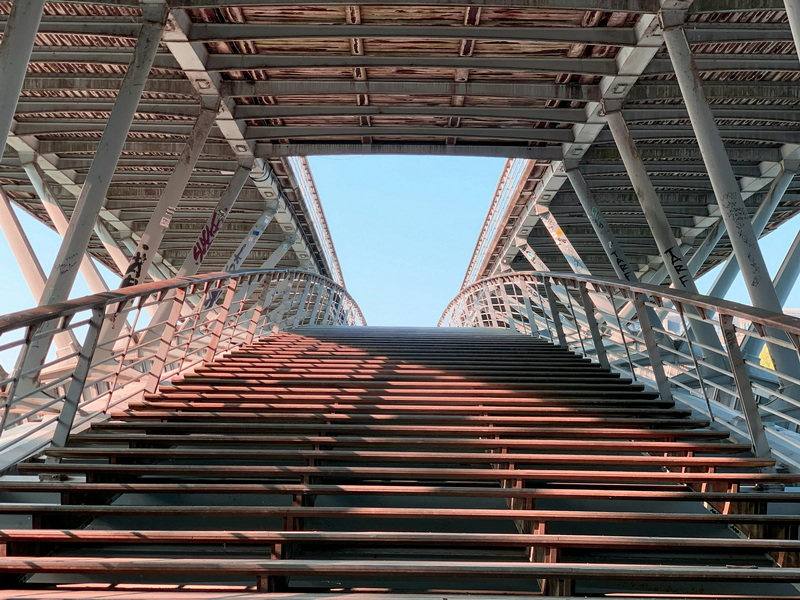
The vision for Benning Road is rooted in the principles of safety, accessibility, and multimodal connectivity. The project's primary objectives are to:
- Enhance safety and operational efficiency along Benning Road and at critical intersections.
- Modernize and rehabilitate aging bridges, ensuring structural integrity and resilience.
- Expand and improve pedestrian and bicycle facilities, making the corridor accessible to all.
- Extend the DC Streetcar to the Benning Road Metrorail Station, integrating transit options.
- Strengthen connections between neighborhoods, employment centers, and the wider regional transit network.
Community engagement has been a cornerstone of planning, with public meetings, surveys, and environmental assessments shaping the project's direction. The focus is on addressing long-standing concerns around safety, mobility, and equitable access, especially for residents of Ward 7 and Ward 5.
The Benning Road Foot Bridge, which spans vital transportation corridors including DC-295 and CSX freight rail tracks, has historically served as a lifeline for pedestrians and cyclists. However, the current structures are outdated, structurally deficient, and lack the features necessary to support modern standards of safety and accessibility. Narrow sidewalks, insufficient lighting, and the absence of dedicated cycling infrastructure have made crossing challenging and, at times, hazardous.
The future plans for the Benning Road Foot Bridge are ambitious and multifaceted:
- Complete Replacement of the Lorraine H. Whitlock Bridge: Both eastbound and westbound bridge structures will be demolished and rebuilt to meet contemporary engineering and safety standards. The new bridges will feature wide, ADA-compliant sidewalks on both sides, ensuring accessibility for people of all ages and abilities.
- Shared-Use Paths and Cycle Tracks: The project will introduce shared-use paths and a dedicated cycle track between Kingman Island and 34th Street NE, providing a safe, continuous route for cyclists and pedestrians.
- Enhanced Safety Measures: Protective barriers, improved lighting, and high-visibility crosswalks will be installed to maximize safety for all users. The addition of traffic signals and pedestrian-activated crossings at key intersections will further reduce conflicts between vehicles and non-motorized users.
- Streetcar Integration: The new bridge designs will accommodate embedded streetcar tracks, supporting the extension of the DC Streetcar to the Benning Road Metrorail Station. This integration will streamline multimodal transfers and expand transit options for the corridor.
- Improved Interchange Access: Modifications at the Benning Road and DC-295 interchange will enhance pedestrian safety and accessibility, making it easier to navigate on- and off-ramps and connect to local streets.
Beyond the foot bridge itself, the project encompasses a network of upgrades designed to create a holistic, multimodal corridor:
- ADA Upgrades: Sidewalks between 42nd Street NE and the Benning Road Metro Station will be reconstructed to meet ADA standards, ensuring barrier-free access.
- New Pedestrian Crossings: High-visibility crossings with advanced warning systems will be installed at key intersections and future streetcar stops.
- Landscaping and Urban Design: The corridor will feature landscaping, lighting, and public art, creating a more inviting and vibrant streetscape.

The Benning Road Bridges and Transportation Improvements Project is being delivered in several phases:
- Preliminary Design and Environmental Assessment: Completed between 2016 and 2020, this phase included extensive public engagement, technical studies, and the development of alternatives.
- Final Design Phase: Launched in 2021, this phase advanced engineering plans to completion, coordinated with utility providers, and prepared construction documents.
- Construction Phase: Utility relocation and initial construction began in 2022. The project is targeting substantial completion by 2026, though the timeline may be influenced by funding, utility coordination, and unforeseen site conditions.
The project is funded through a blend of local and federal resources, including a $15 million grant from the U.S. Department of Transportation's Rebuilding American Infrastructure with Sustainability and Equity (RAISE) program. This infusion of federal support is critical to delivering the pedestrian, bicycle, and transit enhancements envisioned for the corridor.
The new Benning Road Foot Bridge and associated corridor improvements are designed to dramatically enhance safety for all users. With ADA-compliant sidewalks, protected cycle tracks, better lighting, and advanced crossing features, the project will reduce the risk of accidents and make the corridor accessible to people with disabilities, seniors, and families with children.
The integration of pedestrian, bicycle, and transit facilities will transform Benning Road into a seamless, multimodal corridor. Residents and commuters will enjoy easier access to the Benning Road Metrorail Station, DC Streetcar, Metrobus routes, and regional employment centers. The project will also reconnect neighborhoods that have long been divided by highways and rail lines, fostering greater social and economic cohesion.
Modernized infrastructure is expected to spur economic growth, increase property values, and attract new investment to the corridor. Enhanced transit and non-motorized options will reduce car dependency, contributing to improved air quality and a healthier urban environment. The project's emphasis on green infrastructure and sustainable design will further support the District's climate goals.
Large-scale infrastructure projects inevitably bring temporary disruptions, including lane closures, detours, and noise. The project team is committed to minimizing impacts through phased construction, clear signage, and ongoing communication with residents and businesses. Maintaining access to homes, schools, and businesses throughout construction is a top priority.
Designing a corridor that safely accommodates vehicles, buses, streetcars, pedestrians, and cyclists within a limited right-of-way presents significant challenges. The project's "Complete Streets" approach aims to balance the needs of all users, prioritizing safety and accessibility without sacrificing mobility.
As the corridor improves and property values rise, there is a risk of displacement and reduced community cohesion. The District is working to mitigate these risks through affordable housing programs, community benefits agreements, and design strategies that preserve neighborhood character and ensure that long-time residents share in the project's benefits.
The Benning Road Bridges and Transportation Improvements Project has undergone rigorous environmental review under the National Environmental Policy Act (NEPA). The Final Environmental Assessment (EA) and Finding of No Significant Impact (FONSI) confirmed that the preferred alternative—a median-running streetcar with comprehensive pedestrian and bicycle improvements—best meets the project's goals while minimizing adverse effects on the environment and surrounding communities.
Continuous public involvement is a defining feature of the Benning Road project. DDOT has hosted numerous public meetings, virtual updates, and interagency coordination sessions to gather input and keep stakeholders informed. Feedback from residents, businesses, advocacy groups, and elected officials has directly influenced the project's design, priorities, and implementation strategies. As construction progresses, ongoing engagement will ensure that the community's voice remains central to the project's success.
As construction advances toward completion in 2026, the Benning Road Foot Bridge will stand as a testament to Washington, D.C.'s commitment to safe, sustainable, and inclusive transportation. The bridge and its associated improvements will serve as a model for urban infrastructure projects nationwide, demonstrating how thoughtful planning, robust community engagement, and strategic investment can deliver lasting benefits. The new foot bridge will not only bridge physical gaps but also foster greater opportunity, equity, and quality of life for all who live, work, and travel along the Benning Road corridor.
The future plans for the Benning Road Foot Bridge represent a bold step forward for Washington, D.C.'s transportation network. By replacing outdated infrastructure with state-of-the-art bridges, ADA-compliant sidewalks, protected cycle tracks, and integrated transit facilities, the project addresses critical safety, accessibility, and mobility needs. The inclusion of the DC Streetcar extension, enhanced pedestrian crossings, and green infrastructure elements ensures that the corridor will serve as a vibrant, multimodal gateway for decades to come.
Through sustained community engagement, robust funding, and a clear vision, the Benning Road Foot Bridge project is poised to deliver transformative benefits—reducing crashes, improving access to jobs and services, and supporting sustainable urban growth. As the project moves toward completion, it will stand as a symbol of what is possible when cities invest in people, places, and the future.

The Benning Road Foot Bridge is currently in the construction phase, as part of the broader Benning Road Bridges and Transportation Improvements Project. Utility relocation and construction began in 2022, and the project is expected to reach substantial completion by 2026. The final design phase has concluded, and work is progressing according to schedule, although certain factors such as utility coordination and site conditions could influence the timeline.
The new foot bridge will feature wide, ADA-compliant sidewalks on both sides, protective barriers, enhanced lighting, and high-visibility crosswalks. Dedicated cycle tracks and shared-use paths will provide safe, separated space for cyclists and pedestrians, reducing conflicts with vehicles and significantly improving safety throughout the corridor. Additional safety measures, such as pedestrian-activated signals and advanced warning systems, will further protect non-motorized users.
Yes, the replacement bridge structures are being specifically designed to accommodate embedded streetcar tracks, supporting the extension of the DC Streetcar from Oklahoma Avenue NE to the Benning Road Metrorail Station. This integration will streamline multimodal transfers, making it easier for residents and commuters to connect between streetcar, Metro, and bus services.
The project is funded through a combination of local and federal sources, including a $15 million grant from the U.S. Department of Transportation's RAISE program. There are no indications that the project will directly result in increased local taxes. Instead, the improvements are expected to stimulate economic activity, increase property values, and generate indirect fiscal benefits for the city through enhanced connectivity and development.
Community engagement is ongoing and encouraged. Residents can participate in public meetings, provide feedback through the project's website, and stay updated via social media and official communications from DDOT. The project team welcomes community input and continues to adjust plans and strategies based on stakeholder feedback as construction progresses.


