

Views: 166 Author: Site Editor Publish Time: 2025-02-11 Origin: Site


Content Menu
● Understanding Emergency Bridges
>>> Bailey Bridges
>>> Mobile Bridges
>>> Modular Bridges
>> Transportation and Assembly
● Challenges in Emergency Bridge Deployment
>> Logistics and Supply Chain Issues
>> Coordination Among Agencies
● Case Studies of Emergency Bridge Deployment
>> The 2011 Japan Earthquake and Tsunami
● The Future of Emergency Bridge Solutions
● Frequently Asked Questions regarding Emergency Bridge
>> 1. What are the primary functions of emergency bridges in disaster response?
>> 2. How long does it typically take to deploy an emergency bridge?
>> 3. What types of materials are commonly used in emergency bridge construction?
>> 4. What challenges do emergency responders face when deploying bridges in disaster zones?
>> 5. How can technology improve the deployment of emergency bridges?
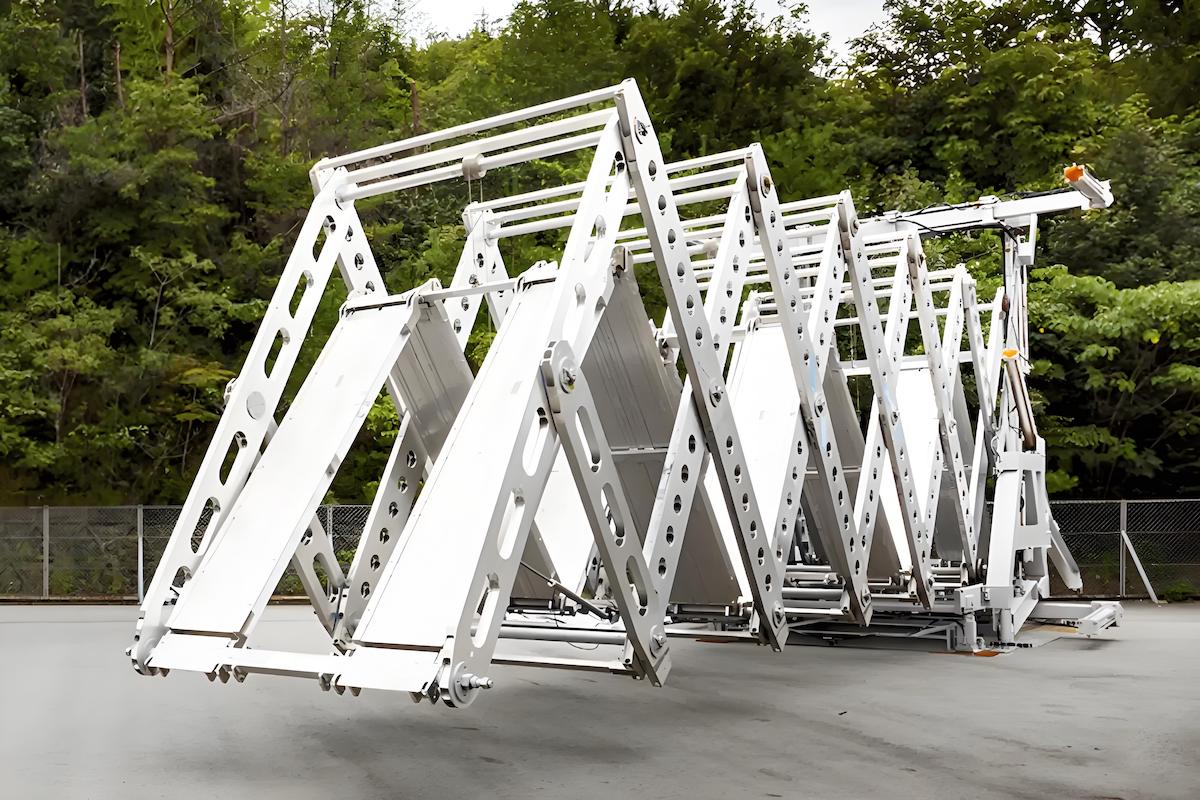
In the aftermath of a disaster, the rapid restoration of infrastructure is crucial for effective relief efforts. Emergency bridges play a vital role in this process, providing immediate access to affected areas and facilitating the movement of rescue teams, supplies, and displaced individuals. This article explores the various aspects of emergency bridge deployment, including types of emergency bridges, deployment processes, challenges faced, and the future of emergency bridging solutions.
Emergency bridges are temporary structures designed to provide immediate access across gaps created by damaged or destroyed permanent bridges. Their primary purpose is to restore transportation routes quickly, enabling emergency services to reach affected areas and deliver essential aid. These bridges are not only crucial for immediate response but also serve as a temporary solution until permanent infrastructure can be rebuilt. The ability to deploy these structures rapidly can significantly impact the overall effectiveness of disaster response efforts, ensuring that communities can begin the recovery process as soon as possible.
There are several types of emergency bridges, each with unique features and deployment methods. Some of the most common types include:
Bailey bridges are modular, prefabricated structures that can be assembled quickly. They are made of steel and can support heavy loads, making them suitable for military and civilian applications. Their design allows for easy transport and rapid deployment in various environments. The versatility of Bailey bridges means they can be used in a wide range of scenarios, from urban settings to remote locations, providing a reliable solution for restoring connectivity.
Mobile bridges utilize advanced engineering techniques, such as scissor mechanisms, to facilitate quick deployment. These bridges can be folded and unfolded rapidly, making them ideal for situations where time is of the essence. Their compact design allows for easy transportation, and they can be set up in a matter of hours, significantly reducing downtime for critical transportation routes. Mobile bridges are particularly useful in emergency situations where traditional construction methods would be too slow.
Modular bridges consist of pre-manufactured sections that can be assembled on-site. This type of bridge is particularly useful in remote areas where traditional construction methods may be impractical. Modular bridges can be adapted to different spans and load requirements, making them a flexible option for various disaster scenarios. The ability to customize these bridges based on specific needs allows for a more tailored approach to emergency response, ensuring that the infrastructure can meet the demands of the situation.
Effective deployment of emergency bridges begins with thorough planning. This includes assessing potential disaster scenarios, identifying critical infrastructure needs, and establishing partnerships with local authorities and emergency response teams. Pre-deployment training for personnel involved in bridge assembly is also essential to ensure a swift response. By conducting drills and simulations, teams can familiarize themselves with the equipment and processes, leading to a more efficient deployment when a disaster strikes. Additionally, having a well-defined plan in place can help streamline communication and coordination among various agencies involved in the response.
Once a disaster occurs, the first step is to conduct a rapid assessment of the damage. This assessment helps determine the extent of infrastructure loss and identifies the most critical areas requiring immediate access. Emergency response teams often use drones and other technologies to gather data quickly. The use of aerial imagery and remote sensing can provide a comprehensive overview of the affected areas, allowing teams to prioritize their efforts effectively. This rapid assessment is crucial for making informed decisions about where to deploy emergency bridges and how to allocate resources efficiently.
After identifying the need for an emergency bridge, the next step is transportation to the site. Depending on the type of bridge, this can involve trucks, helicopters, or even boats. Once on-site, trained personnel assemble the bridge using specialized tools and equipment. The assembly process can vary in duration based on the bridge type and environmental conditions. For instance, modular bridges may require more time for assembly compared to mobile bridges, which can be deployed more quickly. Ensuring that the right equipment and personnel are available on-site is essential for minimizing delays during this critical phase.
Before the bridge can be opened for use, it undergoes a series of tests to ensure its structural integrity and safety. This includes load testing and inspections to verify that the bridge meets necessary standards. Once approved, the bridge is commissioned for use, allowing emergency services to begin operations. This testing phase is vital for ensuring that the bridge can safely support the weight of vehicles and personnel, preventing potential accidents that could further complicate the disaster response efforts. The commissioning process also involves coordinating with local authorities to ensure that the bridge is integrated into the overall emergency response plan.
One of the significant challenges in deploying emergency bridges is dealing with adverse environmental conditions. Weather factors such as heavy rain, snow, or extreme temperatures can hinder transportation and assembly efforts. Additionally, unstable ground conditions may complicate the installation process. For example, flooding can make access roads impassable, delaying the arrival of bridge components. Emergency response teams must be prepared to adapt their strategies based on the prevailing conditions, which may involve using alternative transportation methods or adjusting the assembly timeline.
The logistics of transporting emergency bridges to disaster sites can be complex. Limited access to affected areas may require innovative transportation solutions, such as using helicopters for airlifting bridge components. Supply chain disruptions can also delay the availability of necessary materials and equipment. In some cases, the demand for emergency bridges may exceed supply, leading to competition among different regions for available resources. Establishing strong relationships with suppliers and having contingency plans in place can help mitigate these challenges and ensure that emergency bridges can be deployed as quickly as possible.
Effective deployment of emergency bridges requires coordination among various agencies, including local governments, military units, and non-governmental organizations. Miscommunication or lack of collaboration can lead to delays and inefficiencies in the response effort. Establishing clear lines of communication and defining roles and responsibilities ahead of time can help streamline the deployment process. Regular meetings and updates during a disaster can also facilitate better coordination, ensuring that all parties are aware of the current situation and can respond accordingly.
Following the devastating earthquake in Haiti, emergency bridges were deployed to restore access to critical areas. The rapid assessment of damage revealed that many roads and bridges were impassable, necessitating the immediate installation of temporary structures. Bailey bridges were used extensively, allowing humanitarian aid to reach isolated communities. The deployment of these bridges not only facilitated the movement of supplies but also helped reconnect families and communities that had been separated by the disaster. The experience gained from this response has informed future disaster preparedness efforts in the region.
In the aftermath of the 2011 earthquake and tsunami in Japan, modular bridges were deployed to restore transportation routes. The Japanese government and military worked together to assess damage and quickly transport bridge components to affected areas. The use of modular designs allowed for rapid assembly, significantly speeding up recovery efforts. This coordinated response highlighted the importance of having a well-prepared infrastructure and trained personnel ready to act in the face of disaster. The lessons learned from this event have led to improvements in emergency response protocols and infrastructure resilience in Japan.
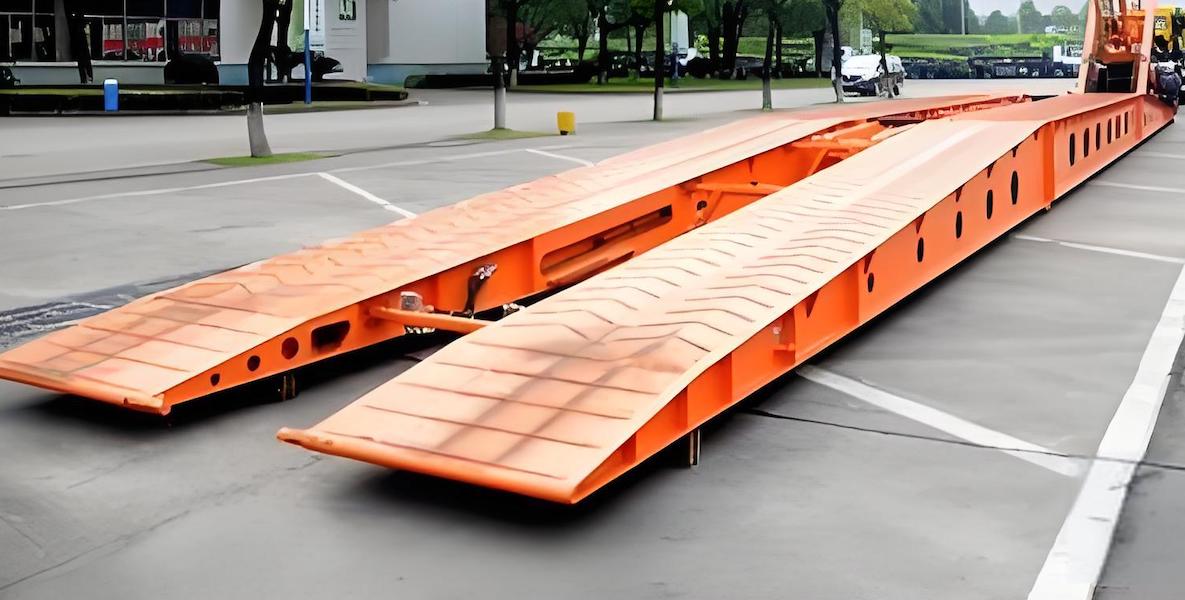
The future of emergency bridge deployment is likely to be shaped by technological advancements. Innovations in materials science, such as lightweight composites, can lead to stronger and more portable bridge designs. Additionally, the integration of smart technologies can enhance the monitoring and assessment of bridge conditions in real-time. These advancements can improve the overall safety and efficiency of emergency bridges, allowing for quicker deployment and better performance under challenging conditions. As technology continues to evolve, the potential for more sophisticated and adaptable emergency bridging solutions will increase.
As the focus on sustainability grows, the development of eco-friendly emergency bridges is becoming increasingly important. This includes using recyclable materials and designing bridges that minimize environmental impact during deployment and operation. Sustainable practices not only benefit the environment but can also reduce costs and improve community acceptance of emergency infrastructure projects. By prioritizing sustainability, emergency response teams can ensure that their efforts contribute to long-term resilience and recovery in affected areas.
Ongoing training and preparedness initiatives are essential for improving the efficiency of emergency bridge deployment. Regular drills and simulations can help ensure that personnel are well-prepared to respond quickly and effectively in the event of a disaster. These training programs can also foster collaboration among different agencies, enhancing overall coordination during actual emergencies. By investing in training and preparedness, communities can build a more resilient infrastructure capable of withstanding future disasters.
Emergency bridges are a critical component of disaster response efforts, providing essential access to affected areas and facilitating recovery operations. Understanding the types of emergency bridges, the deployment process, and the challenges involved is vital for improving response times and effectiveness. As technology continues to advance, the future of emergency bridging solutions looks promising, with the potential for faster, more efficient, and sustainable deployment methods. By investing in training, planning, and innovative designs, communities can enhance their resilience and readiness for future disasters, ultimately saving lives and accelerating recovery efforts.
Emergency bridges serve to quickly restore transportation routes that have been disrupted due to disasters. They facilitate the movement of emergency responders, supplies, and displaced individuals, ensuring that aid can reach affected areas promptly.
The deployment time for emergency bridges can vary significantly based on the type of bridge and the conditions at the site. Generally, modular bridges can be assembled within a few hours, while mobile bridges may take even less time. However, factors such as transportation logistics and environmental conditions can affect the overall timeline.
Emergency bridges are often constructed using materials such as steel, aluminum, and lightweight composites. These materials are chosen for their strength, durability, and ease of transport, allowing for quick assembly and effective load-bearing capabilities.
Emergency responders may encounter several challenges, including adverse weather conditions, damaged infrastructure that complicates access, logistical issues related to transportation, and the need for coordination among multiple agencies. These factors can delay the deployment and assembly of emergency bridges.
Technological advancements can enhance the deployment of emergency bridges through the use of lightweight materials, smart monitoring systems, and improved transportation methods. Innovations such as drones for damage assessment and real-time data collection can streamline the deployment process and ensure that bridges are safe and effective for use.


