

Views: 221 Author: Site Editor Publish Time: 2025-04-15 Origin: Site


Content Menu
● Understanding Modular Bridges
>> Importance of Material Quality
● Key Materials Used in Modular Bridges
>> Steel
>> Concrete
● Certifications and Standards
>> Importance of Certifications
● Manufacturer Reputation and Experience
>> Researching Manufacturer Background
● Best Practices for Material Quality Assessment
>> Establishing Quality Control Procedures
● Frequently Asked Questions regarding Modular Bridge
>> 1. What are the most common defects found in steel used for modular bridges?
>> 2. How can the environmental impact of materials used in modular bridges be minimized?
>> 3. What are the latest innovations in material testing for bridge construction?
>> 4. How do environmental factors influence material selection for modular bridges?
>> 5. What role do certifications play in ensuring material quality for modular bridges?
Assessing the quality of materials used by a modular bridge manufacturer is crucial for ensuring the longevity, safety, and performance of the bridge. Modular bridges, known for their ease of installation and cost-effectiveness, rely heavily on the materials used in their construction. This article will explore various aspects of material quality assessment, including types of materials, testing methods, certifications, and best practices for evaluation.
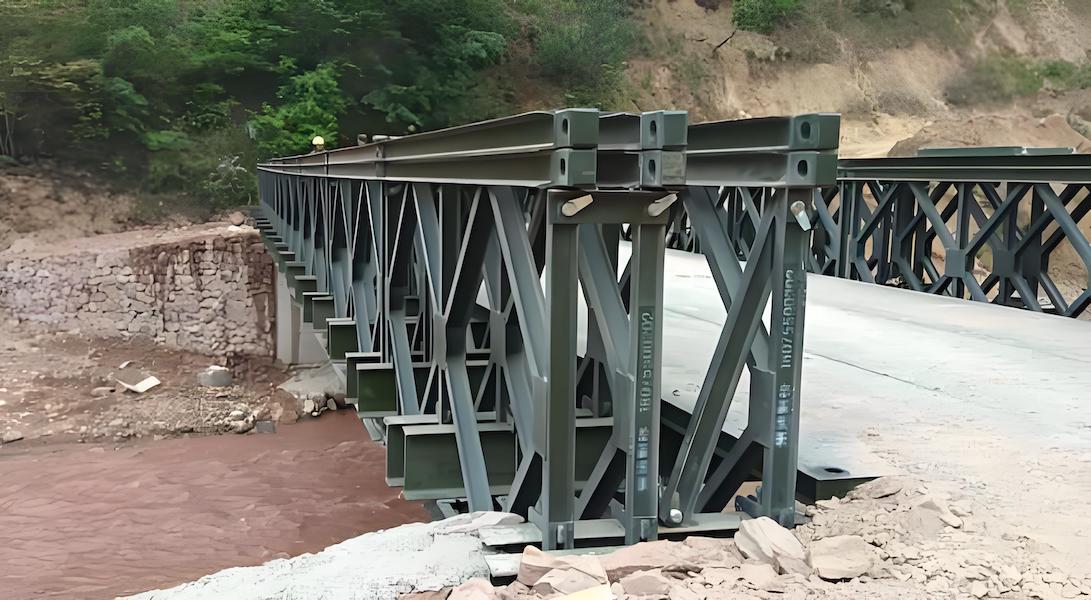
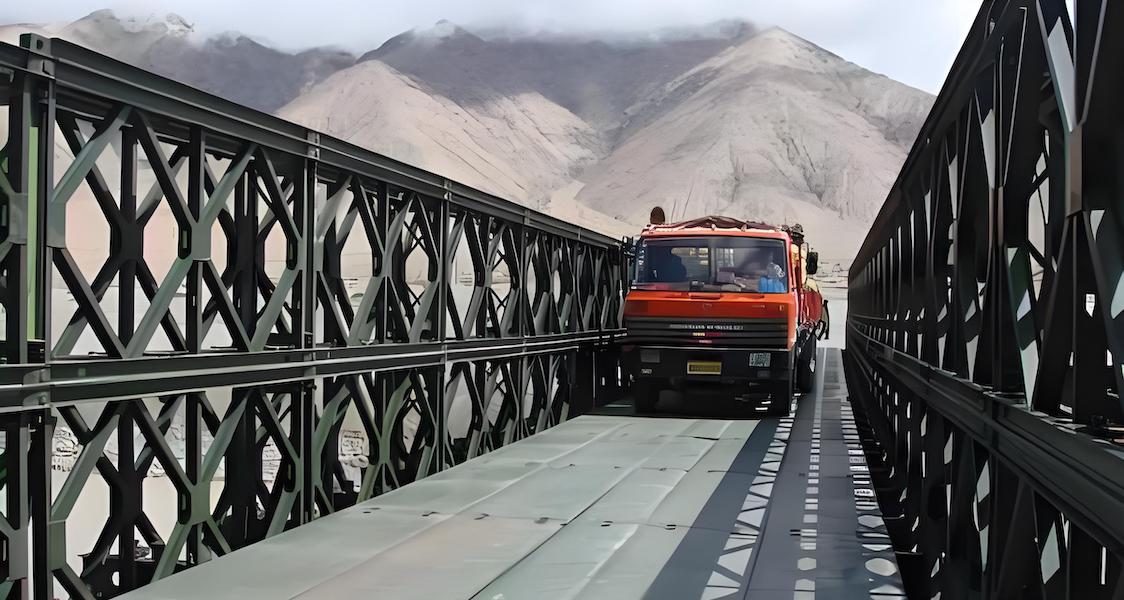
A modular bridge is a pre-fabricated structure that can be easily transported and assembled on-site. These bridges are designed to be versatile and adaptable, making them suitable for various applications, including pedestrian walkways, vehicle crossings, and temporary structures. The modular design allows for quick installation, reducing construction time and costs. Additionally, modular bridges can be customized to meet specific site requirements, such as span length and load capacity, making them an attractive option for many infrastructure projects. Their ability to be disassembled and relocated also adds to their appeal, particularly in areas where temporary solutions are needed.
The quality of materials used in modular bridges directly impacts their structural integrity, durability, and overall performance. High-quality materials can withstand environmental stresses, resist corrosion, and provide a safe passage for users. Conversely, subpar materials can lead to structural failures, increased maintenance costs, and safety hazards. For instance, the choice of materials can affect how well the bridge performs under extreme weather conditions, such as heavy rain, snow, or high winds. Furthermore, the long-term sustainability of the materials used can influence the environmental footprint of the bridge, making material quality a critical consideration for modern engineering practices.
Steel is one of the most commonly used materials in modular bridge construction. Its high strength-to-weight ratio makes it ideal for supporting heavy loads. When assessing the quality of steel, consider factors such as tensile strength, yield strength, and corrosion resistance. Different grades of steel are available, and selecting the appropriate grade for specific environmental conditions is essential. For example, weathering steel, which develops a protective rust layer, is often used in environments prone to moisture. Additionally, the fabrication process, including welding and bolting techniques, can significantly influence the overall performance of steel components in a modular bridge.
Concrete is another fundamental material used in modular bridges, particularly for foundations and deck slabs. The quality of concrete is determined by its compressive strength, workability, and durability. Factors such as the water-cement ratio, aggregate quality, and curing methods play a significant role in the overall performance of concrete in bridge applications. High-performance concrete, which incorporates additives to enhance its properties, can provide improved resistance to environmental factors such as freeze-thaw cycles and chemical exposure. Moreover, the use of precast concrete elements can streamline construction processes and ensure consistent quality across different bridge components.
Composite materials, such as fiber-reinforced polymers, are increasingly used in modular bridge construction due to their lightweight and corrosion-resistant properties. Assessing the quality of composite materials involves evaluating their tensile strength, impact resistance, and long-term durability under various environmental conditions. These materials can offer significant advantages over traditional materials, including reduced maintenance needs and extended service life. However, understanding the specific properties of different composite formulations is essential, as they can vary widely in performance based on their composition and manufacturing processes.
Before evaluating the quality of materials, it is essential to understand the specifications set by relevant standards and codes. These specifications outline the minimum requirements for materials used in bridge construction. Familiarizing yourself with these standards will provide a benchmark for assessing material quality. Additionally, manufacturers should be transparent about their compliance with these specifications, providing documentation that verifies the quality and performance of their materials. This transparency not only builds trust but also ensures that all stakeholders are aligned on the expectations for material performance.
A thorough visual inspection of materials can reveal significant information about their quality. Look for signs of defects, such as cracks, rust, or irregularities in surface finish. Visual inspections should be conducted at various stages of production, from raw material sourcing to final assembly. This proactive approach can help identify potential issues early in the process, allowing for timely interventions. Furthermore, visual inspections can be complemented by photographic documentation, which can serve as a reference for future assessments and quality control measures.
Laboratory testing is a critical component of material quality assessment. Various tests can be conducted to evaluate the mechanical and physical properties of materials. Common tests for steel include tensile tests, impact tests, and fatigue tests. For concrete, tests such as compressive strength tests and slump tests are essential. Composite materials may undergo tests for tensile strength and thermal stability. The results of these tests provide quantitative data that can be used to compare materials against industry standards and specifications. Additionally, ongoing testing throughout the manufacturing process can help ensure that materials consistently meet quality requirements.
Non-destructive testing (NDT) methods allow for the assessment of material quality without causing damage. Techniques such as ultrasonic testing, radiographic testing, and magnetic particle testing can identify internal flaws and ensure the integrity of materials. NDT is particularly valuable for detecting issues that may not be visible during visual inspections. By employing NDT techniques, manufacturers can gain confidence in the reliability of their materials, ultimately leading to safer and more durable bridge structures. Moreover, the use of advanced NDT technologies, such as digital imaging and automated analysis, can enhance the efficiency and accuracy of inspections.
Certifications from recognized organizations indicate that materials meet specific quality standards. When evaluating a modular bridge manufacturer, check for certifications related to the materials they use. These certifications can provide assurance of material quality and compliance with industry standards. Additionally, certifications often require manufacturers to undergo regular audits and inspections, ensuring that they maintain high-quality practices over time. This ongoing commitment to quality can be a significant differentiator in a competitive market.
Familiarize yourself with relevant standards that govern the materials used in modular bridge construction. Organizations such as the American Society for Testing and Materials (ASTM) and the International Organization for Standardization (ISO) provide guidelines and standards for material quality. Compliance with these standards is a strong indicator of a manufacturer’s commitment to quality. Furthermore, staying informed about updates to these standards can help stakeholders make better decisions regarding material selection and quality assessment.
The reputation and experience of a modular bridge manufacturer can significantly influence the quality of materials used. Research the manufacturer’s history, project portfolio, and client testimonials. A well-established manufacturer with a proven track record is more likely to prioritize material quality. Additionally, consider the manufacturer’s involvement in industry associations and their participation in research and development initiatives. These factors can indicate a commitment to innovation and quality improvement.
Manufacturers that collaborate with reputable suppliers and industry experts are often more committed to using high-quality materials. Investigate the manufacturer’s partnerships and supply chain to ensure they source materials from trusted providers. Strong relationships with suppliers can lead to better material quality, as manufacturers can leverage their suppliers' expertise and resources. Furthermore, manufacturers that engage in collaborative projects with research institutions or universities may have access to cutting-edge materials and technologies, enhancing their overall product offerings.
Implementing robust quality control procedures is essential for ensuring material quality throughout the manufacturing process. Manufacturers should have clear protocols for material selection, testing, and inspection. Regular audits and reviews of these procedures can help maintain high standards. Additionally, involving cross-functional teams in the quality control process can foster a culture of accountability and continuous improvement. By encouraging collaboration between engineering, production, and quality assurance teams, manufacturers can identify and address potential issues more effectively.
Encouraging a culture of continuous improvement within the manufacturing process can lead to enhanced material quality. Manufacturers should regularly assess their practices, seek feedback, and invest in research and development to stay updated on the latest materials and technologies. This proactive approach can help manufacturers adapt to changing industry demands and improve their competitive edge. Furthermore, engaging employees in continuous improvement initiatives can boost morale and foster a sense of ownership over quality outcomes.
Investing in training and education for staff involved in material selection and quality assessment is crucial. Ensuring that employees are knowledgeable about material properties, testing methods, and industry standards can lead to better decision-making and improved quality outcomes. Manufacturers should provide ongoing training opportunities, including workshops, seminars, and access to industry publications. By fostering a culture of learning, manufacturers can empower their employees to contribute to quality improvement efforts and stay informed about advancements in material science.
Assessing the quality of materials used by a modular bridge manufacturer is a multifaceted process that requires careful consideration of various factors. By understanding the key materials involved, employing effective assessment methods, and prioritizing certifications and manufacturer reputation, stakeholders can ensure the construction of safe and durable modular bridges. Ultimately, a commitment to quality materials will lead to successful bridge projects that stand the test of time. As the demand for infrastructure continues to grow, the importance of material quality in modular bridge construction will only become more pronounced, making it essential for manufacturers to prioritize excellence in every aspect of their operations.
Common defects in steel used for modular bridges include cracks, inclusions, and corrosion. Cracks can occur during the manufacturing process or due to stress during use. Inclusions are non-metallic materials trapped within the steel, which can weaken its structure. Corrosion, particularly in environments with high moisture or salt exposure, can significantly reduce the lifespan of steel components.
To minimize the environmental impact, manufacturers can use recycled materials, such as recycled steel and concrete aggregates. Additionally, selecting materials with lower carbon footprints and implementing sustainable sourcing practices can help. Using durable materials that require less maintenance and have longer lifespans also contributes to reducing environmental impact over time.
Recent innovations in material testing include the use of advanced non-destructive testing (NDT) techniques, such as digital radiography and ultrasonic testing with automated analysis. These methods provide more accurate assessments of material integrity without causing damage. Additionally, the development of smart materials that can monitor their own condition and report data in real-time is gaining traction in the industry.
Environmental factors such as temperature fluctuations, humidity, and exposure to chemicals can significantly influence material selection. For instance, in coastal areas, materials with high corrosion resistance, such as stainless steel or weathering steel, are preferred. In regions with extreme temperatures, materials that can withstand thermal expansion and contraction are essential to maintain structural integrity.
Certifications from recognized organizations, such as ASTM or ISO, ensure that materials meet specific quality and performance standards. These certifications provide assurance to stakeholders that the materials used in modular bridges have been tested and verified for their intended applications. They also indicate that the manufacturer adheres to industry best practices, enhancing trust in the quality of the final product.


