

Views: 221 Author: Evercross Bridge Publish Time: 2026-05-27 Origin: Evercross Bridge


Content Menu
● What Is a Prefabricated Steel Truss Bridge?
● Why Prefabrication Is Essential for Steel Truss Bridges
>> Key Challenges of Traditional Methods
>> How Prefabrication Solves These Problems
● Core Technical Advantages of Modular Steel Truss Bridges
>> 1. Modular Prefabrication for Efficiency and Quality
>> 2. Flexible Installation Methods for All Terrains
>> 3. High Strength and Durability in Extreme Environments
>> 4. Lifecycle Cost Optimization
>> 5. BIM and Digital Twin Integration
● Step-by-Step Project Workflow for Prefabricated Steel Truss Bridges
● Southeast Asia Market Demand and Growth Trends
>> Major Infrastructure Drivers
>> Why Prefabrication Fits This Market
● Sustainability and Carbon Reduction Benefits
● Evercross Bridge: Your EPC Partner for Steel Truss Bridge Projects
>> 1. What is the typical span range for steel truss bridges?
>> 2. How long does installation take?
>> 3. Are prefabricated bridges suitable for remote areas?
>> 4. What maintenance is required?
>> 5. Can bridges be relocated or expanded?
Prefabricated steel truss bridge technology has become a cornerstone of modern infrastructure development, especially in fast-growing regions such as Southeast Asia. By transforming traditional on-site construction into a standardized, factory-driven, and assembly-based process, this method significantly improves efficiency, quality control, and lifecycle performance.
From an industry practitioner's perspective, the shift toward modular steel truss bridges is not just a technological upgrade—it is a fundamental redefinition of how bridges are designed, manufactured, transported, and installed.
This guide combines real-world engineering practices with cutting-edge theory, aiming to assist project owners, EPC contractors, and procurement specialists in gaining a deep understanding of why prefabricated steel truss bridges are rapidly becoming the preferred solution for infrastructure projects worldwide.
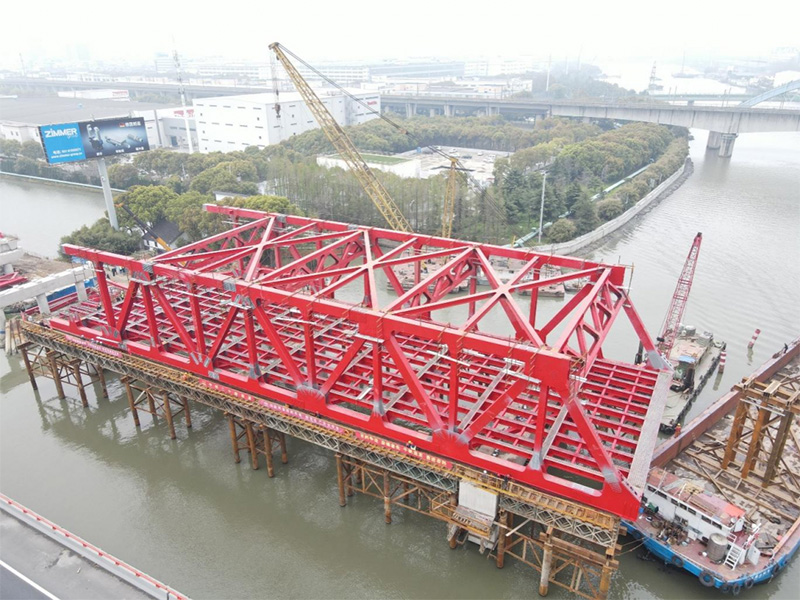
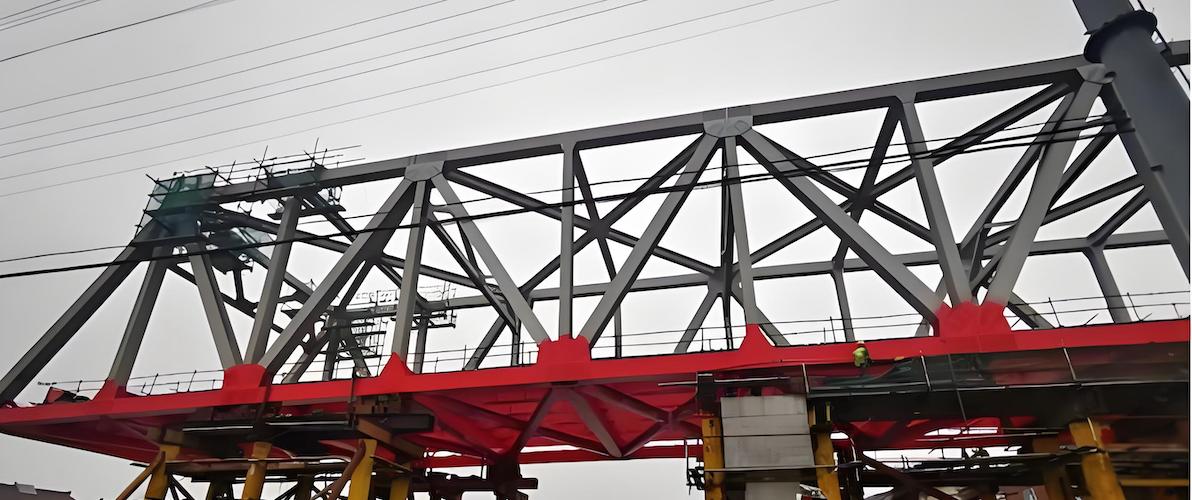
A prefabricated steel truss bridge is a bridge system in which all major structural components—such as chords, web members, and nodes—are manufactured in controlled factory environments, then transported and assembled on-site using bolted or hybrid connections.
- Design Standardization: Modular segmentation (typically 12–24 meters per section)
- Factory Prefabrication: CNC cutting, robotic welding, anti-corrosion coating
- Dry / Semi-Dry Assembly: High-strength bolted connections, minimal on-site welding
- Digital Integration: BIM modeling and lifecycle traceability via QR coding
This industrialized approach ensures higher precision, faster construction, and lower environmental impact compared to conventional cast-in-place or on-site welded bridges.
Steel truss bridges are inherently complex, consisting of numerous discrete members and dense connection nodes. Traditional construction methods struggle to meet modern demands.
- Inconsistent weld quality due to weather conditions
- Long construction timelines
- High labor and safety risks
- Significant environmental disruption
- Precision Engineering: Factory-controlled fabrication achieves tolerances of up to ±1.5 mm, ensuring perfect alignment
- Quality Assurance: 100% weld inspection eliminates structural defects
- Weather Independence: Eliminates on-site welding affected by rain, humidity, or heat
- Faster Delivery: Parallel workflows (substructure + superstructure) reduce total project duration
Example: A 120-meter steel truss bridge project in Indonesia reduced on-site construction time from 8 months to 3.5 months using prefabrication.
Each truss is divided into transportable modules and fully assembled in the factory before delivery.
- Pre-assembly ensures fit-up accuracy
- QR-based tracking enables full lifecycle traceability
- On-site assembly can achieve same-day segment erection
Prefabricated steel truss bridges support multiple erection techniques:
- Crane lifting (truck or crawler cranes) for small to medium spans
- Cantilever launching for mountainous or river crossings
- Incremental launching using bridge erection machines
- SPMT + floating cranes for large-scale segments
This flexibility makes them ideal for:
- Mountain regions
- Coastal and island environments
- Soft soil foundations
Using advanced materials such as:
- Q355, Q460, Q500qE high-strength steel
- Weathering steel for corrosion resistance
Combined with:
- Fully bolted friction connections
- Sealed anti-corrosion nodes
These bridges achieve:
- 80–100 years design life
- Superior resistance to:
- Seismic activity
- Typhoons
- High humidity and salt spray
Prefabricated systems significantly reduce total cost of ownership:
- Labor cost reduced by up to 50%
- Lower equipment rental and traffic control expenses
- Simplified maintenance and future expansion
Overall lifecycle cost savings: 25%–35%
Modern projects integrate Building Information Modeling (BIM) and digital twin systems to enable:
- Clash detection before fabrication
- Construction simulation and optimization
- Real-time geometry monitoring during installation
- Cross-border standard coordination (AASHTO, BS, EN)
Understanding the full delivery process helps stakeholders reduce risks and improve coordination.
1. Conceptual & Detailed Design
- Load analysis, structural modeling, compliance with international standards
2. Factory Fabrication
- CNC cutting, welding, coating, trial assembly
3. Logistics Planning
- Transport route optimization, customs clearance (for export projects)
4. On-Site Assembly
- Segment lifting, bolting, alignment adjustment
5. Inspection & Commissioning
- Load testing, geometry verification, final approvals
Expert Insight: Early-stage logistics planning is critical for Southeast Asia projects due to port limitations and inland transport constraints.
Southeast Asia is one of the fastest-growing markets for steel truss bridge construction.
- Over 1,200 bridges built or upgraded annually
- Steel truss bridges account for 40%+ of new bridge structures
- Annual market growth exceeds 18%
- China-Laos Railway extensions
- Jakarta–Bandung High-Speed Rail
- Manila–Clark Railway Project
- Accelerated infrastructure timelines
- Challenging terrains (mountains, rivers, islands)
- High humidity and corrosion risks
- Demand for cost-effective, durable solutions
Prefabricated steel truss bridges align with global ESG and carbon reduction goals.
- 80% reduction in construction waste
- 100% recyclable steel materials
- Reduced on-site emissions and disturbances
- Steel–UHPC composite structures reduce weight by 50%
- Weathering steel eliminates need for repainting
- Smart monitoring systems extend service life
Estimated carbon emission reduction: 30% compared to traditional methods
As a specialized steel truss bridge manufacturer in China, Evercross Bridge delivers end-to-end EPC solutions tailored for international markets.
- Design compliant with AASHTO, BS, EN standards
- Advanced prefabrication facilities with robotic welding
- Global logistics and export expertise
- On-site installation support and technical guidance
- Proven experience in Southeast Asia projects
- Strong adaptation to local regulations and environments
- Integrated digital engineering workflows
If you are planning a steel truss bridge project in Southeast Asia or globally, choosing the right prefabrication partner is critical.
Contact Evercross Bridge today to receive:
- A customized bridge design proposal
- Budget estimation and project timeline
- Technical consultation from experienced engineers
Steel truss bridges can cover spans from 30 meters to over 300 meters, depending on design and materials.
Most prefabricated steel truss bridges can be installed within weeks instead of months, depending on project scale.
Yes. Their modular design and lighter weight make them ideal for mountainous and island regions.
Routine inspections and minor corrosion protection are required, but overall maintenance is lower than concrete bridges.
Yes. Modular steel truss bridges can be disassembled, relocated, or extended, offering long-term flexibility.
- American Association of State Highway and Transportation Officials (AASHTO)
- European Committee for Standardization (EN Standards)
- British Standards Institution (BS EN Codes)
- World Steel Association – Steel in Infrastructure
- McKinsey & Company – Infrastructure Productivity Report
- Asian Development Bank – Southeast Asia Infrastructure Outlook


