

Views: 233 Author: Site Editor Publish Time: 2025-01-16 Origin: Site


Content Menu
● Introduction to Bailey Bridges
>> Modular Design Enhancements
>> Advanced Load Distribution Systems
>> Building Information Modeling (BIM)
>> Increased Use in Disaster Relief
>> Integration with Smart City Initiatives
● Frequently Asked Questions regarding Bailey Bridge
>> 1. What are the primary advantages of using Bailey bridges in emergency situations?
>> 2. How do high-strength steel and composite materials improve Bailey bridges?
>> 3. What role does smart technology play in modern Bailey bridges?
>> 4. How has prefabrication changed the construction process of Bailey bridges?
>> 5. What future trends are expected in Bailey bridge technology?
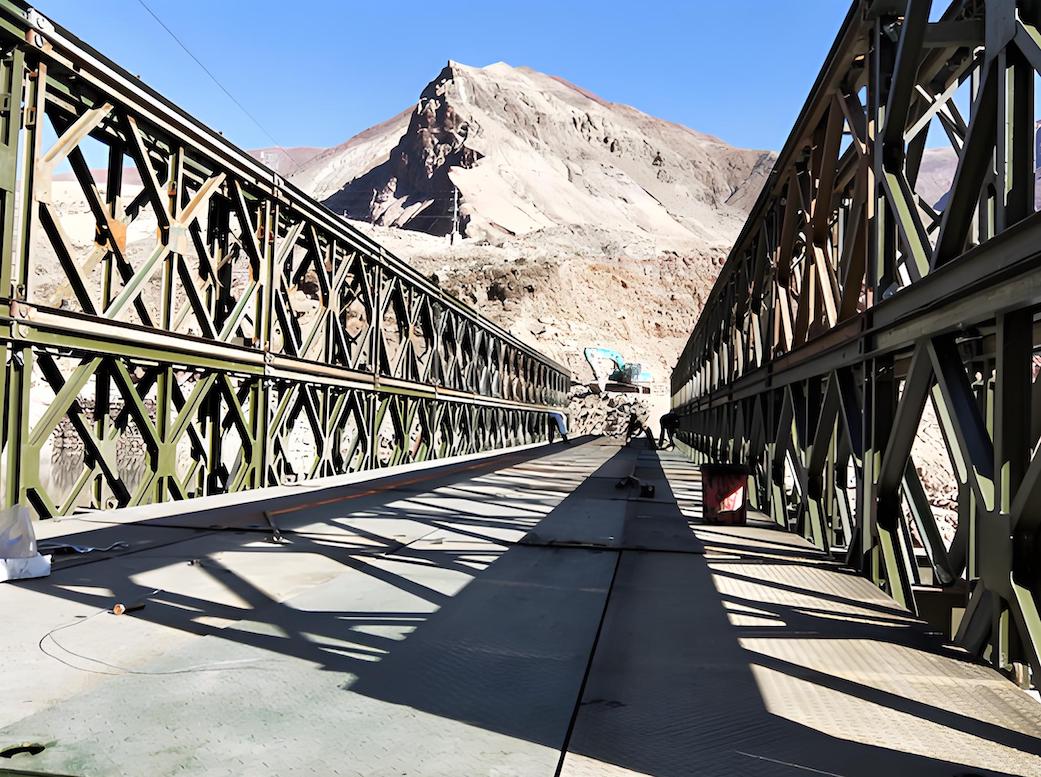
Bailey bridges have long been recognized for their versatility and rapid deployment capabilities, particularly in emergency situations and temporary applications. As technology evolves, so too does the design and functionality of these essential structures. This article explores the latest advancements in Bailey bridge technology, focusing on materials, design innovations, construction methods, and future trends.
Bailey bridges are modular, prefabricated steel bridges that can be assembled quickly and efficiently. Originally developed during World War II, these bridges have been used extensively in military and civilian applications due to their ease of transport and rapid installation. The fundamental design consists of panels that can be connected to form a bridge of varying lengths and load capacities. Their adaptability makes them suitable for a wide range of environments, from rural areas with limited access to urban settings where quick solutions are necessary. The ability to deploy these bridges in challenging terrains, such as disaster-stricken regions or remote locations, underscores their importance in modern infrastructure.
One of the most significant advancements in Bailey bridge technology is the use of high-strength steel. This material offers improved load-bearing capabilities while reducing the overall weight of the bridge. The incorporation of high-strength steel allows for longer spans and greater durability, making Bailey bridges suitable for more demanding applications. This advancement not only enhances the structural integrity of the bridges but also contributes to cost savings in transportation and installation. As a result, engineers can design bridges that meet higher safety standards while minimizing the amount of material required, leading to more sustainable construction practices.
In addition to high-strength steel, the use of composite materials is gaining traction in Bailey bridge construction. Composites, which combine materials like fiberglass and resin, provide excellent strength-to-weight ratios and corrosion resistance. These materials can enhance the longevity of bridges, particularly in harsh environmental conditions. The lightweight nature of composites allows for easier handling and installation, reducing labor costs and time on site. Furthermore, the resistance to corrosion means that maintenance requirements are significantly lowered, which is particularly beneficial in coastal or industrial areas where exposure to salt and pollutants can accelerate deterioration.
Sustainability is becoming increasingly important in construction. New eco-friendly materials are being explored for use in Bailey bridges, including recycled steel and bio-based composites. These materials not only reduce the environmental impact of bridge construction but also align with global sustainability goals. The use of recycled materials helps to minimize waste and lower the carbon footprint associated with new steel production. Additionally, bio-based composites, derived from renewable resources, offer a sustainable alternative that can be both strong and lightweight. As the construction industry moves towards greener practices, the adoption of these materials in Bailey bridge technology represents a significant step forward.
The modular design of Bailey bridges has been further refined to improve assembly efficiency. New connection systems and pre-fabricated components allow for quicker assembly on-site, reducing labor costs and construction time. Innovations in design also enable the creation of customized bridge solutions tailored to specific site conditions and load requirements. This flexibility is crucial in emergency situations where time is of the essence. The ability to adapt the design to meet unique challenges, such as varying terrain or specific load capacities, ensures that Bailey bridges can be deployed effectively in a wide range of scenarios.
Recent advancements in load distribution systems have improved the performance of Bailey bridges under various load conditions. Engineers are now utilizing computer simulations and modeling to optimize the design of load-bearing components, ensuring that stress is evenly distributed across the bridge structure. This results in enhanced stability and safety. By employing advanced analytical techniques, designers can predict how the bridge will behave under different loads and environmental conditions, allowing for more informed decision-making during the design phase. This proactive approach to engineering not only improves safety but also extends the lifespan of the bridge.
The integration of smart technology into Bailey bridges is a groundbreaking development. Sensors and monitoring systems can be embedded within the bridge structure to provide real-time data on load conditions, structural integrity, and environmental factors. This information can be used for predictive maintenance, ensuring the longevity and safety of the bridge. Smart bridges can communicate with central monitoring systems, alerting engineers to potential issues before they become critical. This capability not only enhances safety but also reduces maintenance costs by allowing for targeted interventions rather than routine inspections.
The prefabrication of bridge components has become more sophisticated, allowing for higher precision and quality control. Off-site manufacturing of bridge panels and components reduces on-site construction time and minimizes disruptions. This method also enhances safety by limiting the amount of work performed in potentially hazardous environments. Prefabrication allows for rigorous quality checks in a controlled environment, ensuring that each component meets stringent standards before being transported to the site. This approach not only speeds up the construction process but also improves the overall quality of the finished bridge.
Drones and robotics are increasingly being utilized in the construction and inspection of Bailey bridges. Drones can conduct aerial surveys to assess site conditions and monitor construction progress, while robotic systems can assist in the assembly of bridge components. These technologies improve efficiency and accuracy, reducing the risk of human error. Drones equipped with high-resolution cameras can provide detailed imagery of the construction site, allowing project managers to make informed decisions based on real-time data. Robotics can automate repetitive tasks, freeing up skilled labor for more complex activities and enhancing overall productivity.
BIM technology is revolutionizing the planning and execution of Bailey bridge projects. By creating detailed digital models of the bridge and its components, engineers can visualize the entire construction process, identify potential issues, and optimize resource allocation. This leads to more efficient project management and reduced costs. BIM allows for collaborative planning among various stakeholders, including architects, engineers, and contractors, ensuring that everyone is aligned on the project goals. The ability to simulate different scenarios and outcomes before construction begins minimizes risks and enhances the likelihood of project success.
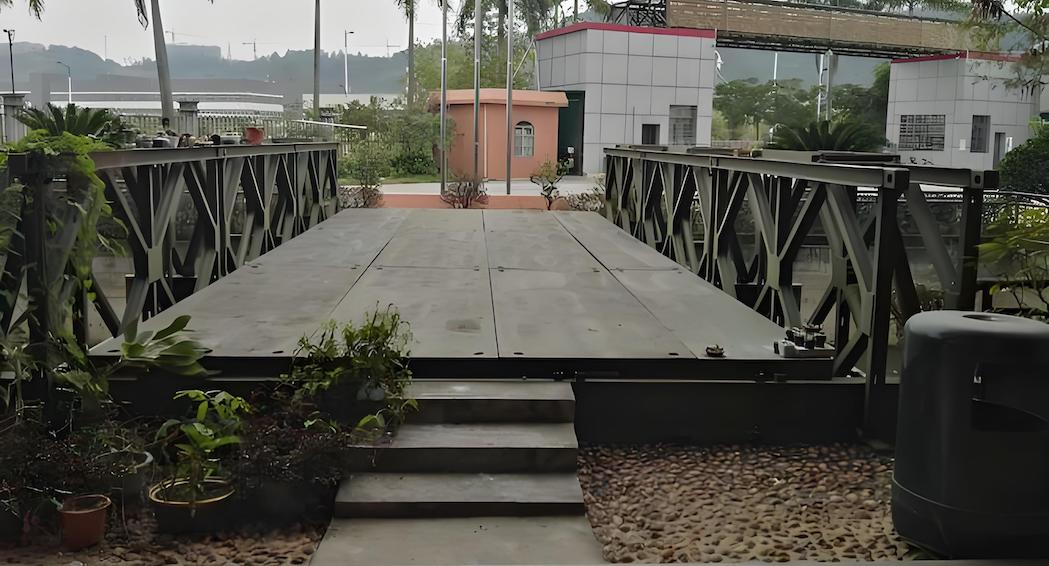
As natural disasters become more frequent, the demand for rapid-response infrastructure solutions like Bailey bridges is expected to grow. Their ability to be deployed quickly in emergency situations makes them invaluable for disaster relief efforts. Future advancements may focus on enhancing their portability and ease of installation in challenging environments. The development of lightweight, compact designs that can be easily transported by air or land will further improve their effectiveness in crisis situations. As communities face the increasing threat of climate change, the role of Bailey bridges in disaster preparedness and recovery will become even more critical.
The future of Bailey bridges may also involve their integration into smart city initiatives. As urban areas become more connected, bridges equipped with smart technology can contribute to the overall infrastructure management of cities. This includes monitoring traffic patterns, environmental conditions, and structural health, providing valuable data for urban planners. The ability to integrate with other smart infrastructure elements, such as traffic lights and public transportation systems, will enhance the functionality of Bailey bridges and improve overall urban mobility. This interconnected approach will lead to more efficient use of resources and better service delivery to citizens.
Ongoing research in the field of bridge engineering is likely to yield further advancements in Bailey bridge technology. Areas of focus may include the development of new materials, improved design methodologies, and enhanced construction techniques. Collaboration between academia, industry, and government agencies will be crucial in driving innovation in this field. As researchers explore new possibilities, the potential for breakthroughs in bridge technology will continue to expand. This collaborative effort will ensure that Bailey bridges remain at the forefront of infrastructure solutions, adapting to the evolving needs of society.
Bailey bridges continue to evolve, driven by advancements in materials, design, and construction methods. As the demand for rapid and efficient infrastructure solutions grows, these bridges will play an increasingly important role in both emergency and long-term applications. The integration of smart technology and sustainable practices will further enhance their functionality and relevance in the modern world. With ongoing research and development, the future of Bailey bridges looks promising, ensuring they remain a vital component of our infrastructure for years to come. The adaptability and resilience of Bailey bridges will be essential as we face the challenges of an ever-changing environment and the need for sustainable development.
Bailey bridges are highly advantageous in emergency situations due to their rapid deployment capabilities, modular design, and ease of transport. They can be assembled quickly on-site, making them ideal for disaster relief efforts where immediate access is required. Their lightweight structure allows for easy handling, and they can be installed in various terrains, including remote and challenging environments.
High-strength steel enhances Bailey bridges by increasing their load-bearing capacity while reducing overall weight, allowing for longer spans and greater durability. Composite materials, on the other hand, provide excellent strength-to-weight ratios and corrosion resistance, which extends the lifespan of the bridges and reduces maintenance needs, especially in harsh environmental conditions.
Smart technology plays a crucial role in modern Bailey bridges by integrating sensors and monitoring systems that provide real-time data on structural integrity, load conditions, and environmental factors. This information enables predictive maintenance, enhances safety, and allows for timely interventions, ultimately extending the lifespan of the bridge and improving overall performance.
Prefabrication has significantly changed the construction process of Bailey bridges by allowing components to be manufactured off-site with higher precision and quality control. This reduces on-site construction time, minimizes disruptions, and enhances safety by limiting the amount of work performed in potentially hazardous environments. Prefabrication also leads to better quality assurance, as components can be thoroughly inspected before installation.
Future trends in Bailey bridge technology include increased use in disaster relief efforts, integration with smart city initiatives, and ongoing research and development focused on new materials and construction techniques. Innovations may also focus on enhancing portability and ease of installation, as well as improving the sustainability of materials used in bridge construction, aligning with global environmental goals.


