

Views: 211 Author: Site Editor Publish Time: 2025-06-25 Origin: Site


Content Menu
● Understanding Temporary Construction Platforms
>> Types of Temporary Construction Platforms
● The Importance of Temporary Construction Platforms in Emergencies
● Design Considerations for Temporary Construction Platforms
● Applications of Temporary Construction Platforms in Emergency Situations
● Benefits of Using Temporary Construction Platforms
>> Flexibility and Adaptability
>> Environmental Considerations
● Future Trends in Temporary Construction Platforms
>> Integration with Emergency Response Systems
● Frequently Asked and Questions regarding Temporary Construction Platforms
>> 1. What are the primary materials used in temporary construction platforms?
>> 2. How do temporary construction platforms enhance safety during emergencies?
>> 3. In what types of emergencies are temporary construction platforms most commonly used?
>> 4. What are the key design considerations for temporary construction platforms?
>> 5. What challenges do emergency responders face when using temporary construction platforms?
Temporary construction platforms are essential structures that provide support and access during various construction and emergency scenarios. These platforms are designed to be versatile, adaptable, and safe, making them invaluable in situations where rapid response and flexibility are required. This article explores the various roles that temporary construction platforms play in emergency situations, including their design, applications, benefits, and challenges.
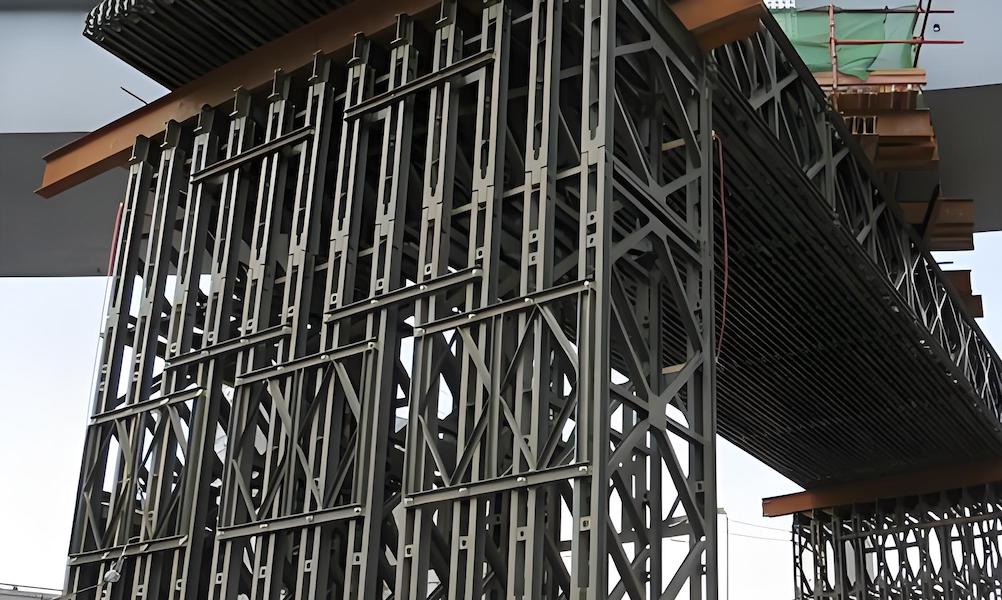
Temporary construction platforms are engineered structures that provide a stable surface for workers, equipment, and materials during construction or emergency operations. They are typically made from materials such as steel, aluminum, or composite materials, allowing for strength and durability while remaining lightweight and easy to transport. The primary purpose of these platforms is to facilitate safe access to elevated areas, support heavy loads, and create a secure working environment. In emergency situations, where conditions can be unpredictable, these platforms serve as a critical lifeline, enabling responders to perform their duties effectively and safely.
There are several types of temporary construction platforms, each designed for specific applications. Common types include:
Scaffolding: Used to support workers and materials during the construction or repair of buildings. Scaffolding systems can be customized to fit various building shapes and heights, providing flexibility in urban environments where space is limited.
Access Platforms: Designed for safe access to hard-to-reach areas, often used in maintenance and inspection tasks. These platforms can be mobile or fixed, allowing for quick repositioning as needed during emergency operations.
Work Platforms: Provide a stable surface for workers to perform tasks at height, often used in industrial settings. These platforms are engineered to handle specific loads and can be equipped with safety features such as guardrails and non-slip surfaces.
Bridge Platforms: Temporary structures that span gaps, allowing for safe passage over obstacles. These platforms are particularly useful in disaster recovery scenarios where traditional access routes may be compromised.
In emergency situations, time is of the essence. Temporary construction platforms can be quickly deployed to provide immediate access to affected areas. Whether in the aftermath of a natural disaster, such as an earthquake or flood, or during a critical infrastructure repair, these platforms enable emergency responders to reach victims, assess damage, and begin recovery efforts without delay. The ability to set up these platforms rapidly can mean the difference between life and death, as responders can establish safe zones and triage areas for medical assistance almost immediately.
Safety is a paramount concern in emergency situations. Temporary construction platforms are designed with safety features that protect workers and responders. These features may include guardrails, non-slip surfaces, and load-bearing capabilities that ensure stability. By providing a secure working environment, these platforms reduce the risk of accidents and injuries during high-pressure situations. Furthermore, the platforms can be equipped with safety signage and lighting to enhance visibility and awareness, especially in low-light conditions or hazardous environments.
Temporary construction platforms are highly versatile and can be adapted to various emergency scenarios. They can be used for:
Rescue Operations: Providing access to stranded individuals in high or difficult-to-reach locations. In urban settings, these platforms can be crucial for reaching people trapped in high-rise buildings or collapsed structures.
Medical Assistance: Allowing medical teams to set up triage areas or provide care in challenging environments. The platforms can be configured to create makeshift clinics or shelters, ensuring that medical personnel have the necessary space and equipment to operate effectively.
Infrastructure Repair: Supporting repair crews working on damaged structures, such as bridges or buildings. The platforms can be designed to accommodate heavy machinery and tools, facilitating efficient repair work and minimizing downtime.
One of the critical design considerations for temporary construction platforms is their load-bearing capacity. These platforms must be engineered to support the weight of workers, equipment, and materials without compromising safety. Engineers must calculate the expected loads and factor in dynamic forces, such as wind or vibrations, to ensure stability. This careful consideration of load-bearing capacity is essential, especially in emergency situations where the platforms may be subjected to unexpected stresses.
The choice of materials is crucial in the design of temporary construction platforms. Materials must be lightweight for easy transport yet strong enough to withstand the demands of emergency situations. Common materials include steel for its strength and durability, aluminum for its lightweight properties, and composite materials for their resistance to environmental factors. The selection of materials also impacts the platform's longevity and maintenance requirements, which are critical in prolonged emergency scenarios.
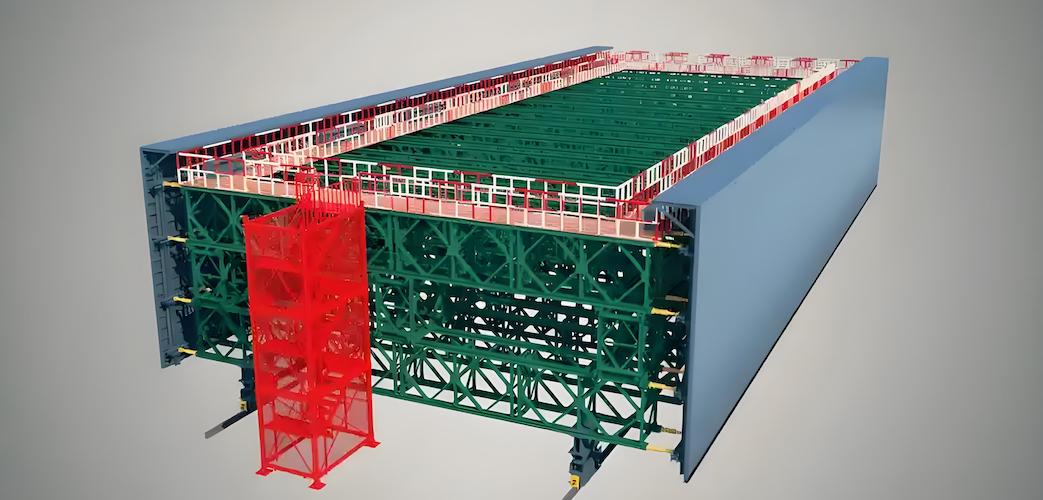
Modular design is a significant advantage of temporary construction platforms. These platforms can be assembled and disassembled quickly, allowing for easy transport and reconfiguration. Modular systems enable responders to adapt the platform to different environments and requirements, enhancing their effectiveness in various emergency scenarios. This flexibility is particularly beneficial in rapidly changing situations, where the needs of responders may evolve as the situation develops.
Temporary construction platforms play a vital role in responding to natural disasters. After events such as hurricanes, earthquakes, or floods, these platforms provide access to damaged areas, allowing rescue teams to reach victims and assess structural integrity. They can also be used to create temporary shelters for displaced individuals, offering a safe space during recovery efforts. The ability to quickly establish these platforms can significantly enhance the speed and effectiveness of disaster response, ensuring that aid reaches those in need as swiftly as possible.
In the event of industrial accidents, such as chemical spills or equipment failures, temporary construction platforms facilitate rapid response. They allow emergency personnel to access hazardous areas safely, conduct assessments, and implement containment measures. The platforms can also support decontamination efforts by providing a stable surface for equipment and personnel. In such high-stakes situations, the reliability and safety of these platforms are paramount, as they enable responders to work effectively while minimizing exposure to risks.
Urban environments present unique challenges during emergencies. Temporary construction platforms can be deployed to support rescue operations in high-rise buildings or congested areas. They provide access to rooftops or upper floors, enabling responders to reach individuals trapped in inaccessible locations. Additionally, these platforms can be used to create staging areas for emergency supplies and personnel. The adaptability of these platforms allows for a coordinated response, ensuring that resources are effectively utilized in densely populated areas.
Temporary construction platforms offer a cost-effective solution for emergency response. Their modular design allows for reuse in multiple scenarios, reducing the need for permanent structures. Additionally, the quick deployment of these platforms minimizes downtime and accelerates recovery efforts, ultimately saving costs associated with prolonged emergencies. By investing in temporary platforms, organizations can enhance their preparedness for future emergencies without incurring significant expenses.
The use of temporary construction platforms enhances the efficiency of emergency operations. By providing immediate access to affected areas, these platforms enable responders to work more effectively. The ability to set up staging areas and support equipment also streamlines operations, allowing for a coordinated response to emergencies. This improved efficiency can lead to faster recovery times and better outcomes for those affected by disasters.
Temporary construction platforms are inherently flexible and adaptable. They can be customized to meet the specific needs of different emergency situations, whether it involves adjusting the height, size, or configuration of the platform. This adaptability ensures that responders have the necessary tools to address a wide range of challenges during emergencies. The ability to modify platforms on the fly can significantly enhance the effectiveness of emergency response efforts.
One of the challenges associated with temporary construction platforms is ensuring compliance with local regulations and safety standards. Emergency responders must be aware of the legal requirements governing the use of these platforms, including load limits, safety features, and installation procedures. Failure to comply can result in legal liabilities and jeopardize the safety of personnel. It is essential for organizations to stay informed about regulations and ensure that all personnel are trained in compliance measures.
Temporary construction platforms must be designed with environmental considerations in mind. In sensitive areas, such as wetlands or protected habitats, the use of these platforms may be restricted. Responders must assess the potential impact of deploying platforms in such locations and take measures to minimize environmental disruption. This consideration is crucial in maintaining ecological balance while providing necessary emergency services.
The effective use of temporary construction platforms requires trained personnel who understand their design, assembly, and safety features. Emergency responders must receive adequate training to ensure they can deploy and utilize these platforms safely and effectively. Lack of training can lead to accidents and undermine the benefits of using temporary construction platforms. Continuous training and drills can help maintain a high level of preparedness among responders.
As technology continues to evolve, so too will the design and functionality of temporary construction platforms. Innovations such as lightweight materials, advanced engineering techniques, and smart technologies will enhance the performance and safety of these platforms. Future designs may incorporate sensors to monitor structural integrity and environmental conditions, providing real-time data to responders. These advancements will enable more informed decision-making during emergencies, ultimately improving response outcomes.
Sustainability is becoming increasingly important in construction and emergency response. Future temporary construction platforms may focus on eco-friendly materials and designs that minimize environmental impact. The use of recyclable materials and energy-efficient manufacturing processes will contribute to more sustainable practices in the industry. By prioritizing sustainability, organizations can enhance their reputation and contribute to broader environmental goals.
The integration of temporary construction platforms with broader emergency response systems will enhance their effectiveness. By incorporating these platforms into emergency planning and response strategies, organizations can ensure that they are prepared to deploy them quickly and efficiently during crises. This integration will facilitate better coordination among responders and improve overall emergency management. As emergency response systems evolve, the role of temporary construction platforms will become increasingly central to effective disaster management.
Temporary construction platforms play a crucial role in emergency situations, providing essential support and access during critical operations. Their rapid deployment, enhanced safety features, and versatility make them invaluable tools for emergency responders. As technology advances and the need for efficient emergency response continues to grow, the importance of temporary construction platforms will only increase. By understanding their design, applications, benefits, and challenges, we can better appreciate the vital role these structures play in safeguarding lives and facilitating recovery during emergencies. The ongoing development and refinement of these platforms will ensure that they remain a key component of effective emergency response strategies in the future.
The primary materials used in temporary construction platforms include steel for its strength and durability, aluminum for its lightweight properties, and composite materials for their resistance to environmental factors. These materials are chosen based on the specific requirements of the emergency situation, such as load capacity and environmental conditions.
Temporary construction platforms enhance safety by providing stable surfaces with features such as guardrails, non-slip surfaces, and load-bearing capabilities. These safety features help prevent accidents and injuries, allowing emergency responders to work in high-pressure situations with reduced risk.
Temporary construction platforms are commonly used in various emergencies, including natural disasters (like earthquakes and floods), industrial accidents (such as chemical spills), and urban emergencies (like building collapses). Their versatility allows them to be adapted for different scenarios.
Key design considerations for temporary construction platforms include load-bearing capacity, material selection, and modular design. Engineers must ensure that the platforms can support the expected loads while being lightweight and easy to transport, and modular designs allow for quick assembly and reconfiguration.
Emergency responders face several challenges when using temporary construction platforms, including ensuring regulatory compliance with safety standards, addressing environmental considerations in sensitive areas, and the need for trained personnel to effectively deploy and utilize the platforms. These challenges can impact the efficiency and safety of emergency operations.


