

Views: 221 Author: Site Editor Publish Time: 2025-12-18 Origin: Site


Content Menu
● EVERCROSS BRIDGE: A Leader in Modular Bridge Manufacturing
● The Importance of Modular Bridges in Indonesia
>> Benefits of Modular Bridges
● Other Notable Modular Bridge Manufacturers in Indonesia
>> PT. Wijaya Karya (Persero) Tbk
>> PT. Adhi Karya (Persero) Tbk
>> PT. Pembangunan Perumahan (Persero) Tbk
● The Future of Modular Bridge Manufacturing in Indonesia
● Frequently Asked and Questions regarding Modular Bridge Manufacturers
>> 1. What are the typical materials used in modular bridge construction in Indonesia?
>> 2. How do Indonesian modular bridge manufacturers ensure bridges withstand seismic activity?
>> 3. What are the common challenges faced during modular bridge installation in Indonesia?
>> 4. How do modular bridges contribute to sustainable infrastructure development?
>> 5. What role does government policy play in the growth of modular bridge manufacturing in Indonesia?
In recent years, the demand for modular bridges has surged in Indonesia due to the country's rapid infrastructure development. Modular bridges offer a flexible and efficient solution for various transportation needs, including road and rail networks. This article explores the top modular bridge manufacturers in Indonesia, highlighting their contributions to the industry and their partnerships with significant enterprises. Among these manufacturers, EVERCROSS BRIDGE stands out as a leading player in the market.
EVERCROSS BRIDGE is recognized as one of the top three manufacturers of steel bridges in China, with an impressive annual production capacity exceeding 10,000 tons. The company has established itself as a reliable partner for major state-owned enterprises in China, including China Communications Construction Company, China Railway Group, China Electric Power Construction Group, Gezhouba Group, and China National Offshore Oil Corporation. These collaborations span various projects, including railways, highways, and international government procurement.
The company's commitment to quality and innovation has enabled it to expand its reach beyond China, making significant inroads into the Indonesian market. EVERCROSS BRIDGE specializes in the design and production of modular bridges that are not only durable but also cost-effective. Their modular solutions are particularly advantageous for remote areas where traditional construction methods may be impractical. By utilizing advanced engineering techniques and high-quality materials, EVERCROSS BRIDGE ensures that its products meet international standards, providing clients with reliable infrastructure solutions that enhance connectivity and support economic growth.
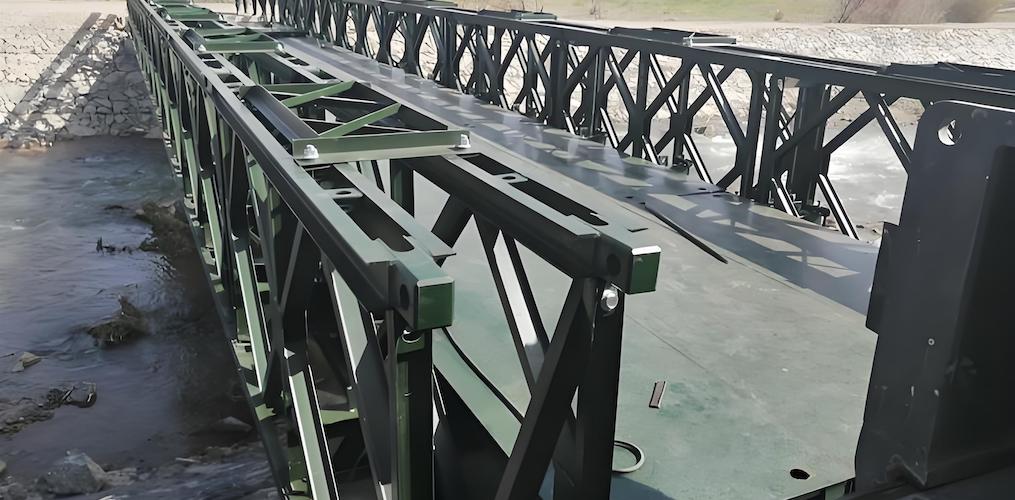
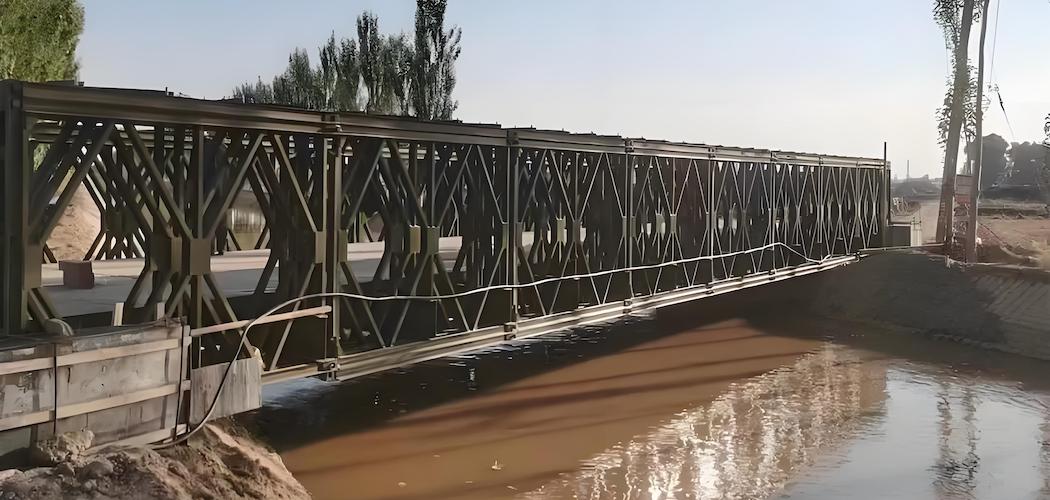
Modular bridges play a crucial role in Indonesia's infrastructure development. They are designed to be easily transported and assembled, making them ideal for projects in challenging terrains. The flexibility of modular bridges allows for quick installation, reducing construction time and costs. This is particularly important in Indonesia, where the need for efficient transportation networks is paramount to support economic growth.
The geographical diversity of Indonesia, which includes thousands of islands and varying topographies, presents unique challenges for infrastructure development. Modular bridges can be deployed in remote locations where conventional construction methods may be hindered by logistical issues. Their ability to be prefabricated off-site and assembled on-site minimizes disruption to local communities and environments. Furthermore, modular bridges can be designed to accommodate different load capacities and span lengths, making them suitable for a wide range of applications, from rural access roads to major highways.
Modular bridges offer several advantages over traditional bridge construction methods. They are lightweight, which simplifies transportation and installation. Additionally, modular designs can be customized to meet specific project requirements, ensuring that they fit seamlessly into the surrounding environment. The use of high-quality materials also enhances the longevity and durability of these structures, making them a sustainable choice for infrastructure development.
The modular construction approach not only accelerates project timelines but also reduces labor costs, as fewer workers are needed on-site for assembly. This efficiency is particularly beneficial in Indonesia, where labor shortages can delay construction projects. Moreover, the modular nature of these bridges allows for easy maintenance and upgrades, ensuring that they can adapt to changing transportation needs over time. As a result, modular bridges represent a forward-thinking solution that aligns with Indonesia's goals for sustainable and resilient infrastructure.
While EVERCROSS BRIDGE leads the market, several other manufacturers are making significant contributions to the modular bridge sector in Indonesia. These companies are known for their innovative designs and commitment to quality.
PT. Wijaya Karya, commonly known as WIKA, is a state-owned enterprise that has been a key player in Indonesia's construction industry for decades. The company has diversified its operations to include modular bridge manufacturing, leveraging its extensive experience in large-scale infrastructure projects. WIKA's modular bridges are designed to meet the specific needs of various transportation projects, ensuring safety and efficiency.
WIKA has a strong track record of successfully completing major infrastructure projects across Indonesia, including toll roads, airports, and public transportation systems. Their expertise in project management and engineering allows them to deliver high-quality modular bridges that meet stringent safety standards. Additionally, WIKA is committed to sustainability, incorporating eco-friendly practices in their manufacturing processes and project execution. This dedication to environmental responsibility positions WIKA as a leader in the modular bridge market, contributing to Indonesia's sustainable development goals.
Another prominent name in the Indonesian construction sector is PT. Adhi Karya. This state-owned company has a strong reputation for delivering high-quality infrastructure projects, including modular bridges. Adhi Karya focuses on innovation and sustainability, utilizing advanced technology in the design and production of its modular bridge solutions. Their commitment to excellence has earned them numerous awards and recognition in the industry.
Adhi Karya's modular bridges are engineered to withstand Indonesia's diverse climatic conditions, including heavy rainfall and seismic activity. The company employs rigorous testing and quality control measures to ensure that their bridges are not only functional but also resilient. By investing in research and development, Adhi Karya continuously improves its modular bridge designs, incorporating the latest advancements in materials and construction techniques. This proactive approach enables them to meet the evolving needs of Indonesia's infrastructure landscape.
PT. Pembangunan Perumahan, or PP, is a leading construction company in Indonesia that has expanded its portfolio to include modular bridge manufacturing. The company is known for its ability to handle complex projects and deliver them on time. PP's modular bridges are designed to withstand Indonesia's diverse climatic conditions, ensuring durability and safety for users.
PP has successfully completed numerous high-profile projects, including urban development and transportation infrastructure. Their experience in large-scale construction allows them to effectively manage the logistics and challenges associated with modular bridge installation. By collaborating with local governments and communities, PP ensures that their projects align with regional development plans and contribute to local economic growth. Their focus on stakeholder engagement and community involvement enhances the social impact of their modular bridge projects.
PT. Hutama Karya is another state-owned enterprise that has made significant strides in the modular bridge market. The company specializes in infrastructure development and has a strong focus on innovation. Hutama Karya's modular bridges are designed for various applications, including highways and railways, and are known for their robust construction and aesthetic appeal.
Hutama Karya's commitment to quality is reflected in their adherence to international standards and best practices in construction. The company invests in training and development for its workforce, ensuring that employees are equipped with the skills needed to implement advanced construction techniques. This emphasis on human capital development not only enhances the quality of their modular bridges but also contributes to the overall growth of Indonesia's construction industry. By fostering a culture of innovation and excellence, Hutama Karya positions itself as a key player in the future of modular bridge manufacturing.
The future of modular bridge manufacturing in Indonesia looks promising, with increasing investments in infrastructure development. The government's commitment to improving transportation networks is driving demand for efficient and cost-effective solutions. As more companies recognize the benefits of modular bridges, competition in the market is expected to intensify.
Technological advancements are playing a crucial role in the evolution of modular bridge manufacturing. Companies are increasingly adopting digital tools and software to enhance the design and production processes. This not only improves efficiency but also allows for greater customization of modular bridges to meet specific project requirements.
The integration of Building Information Modeling (BIM) technology is revolutionizing the way modular bridges are designed and constructed. BIM enables manufacturers to create detailed 3D models that facilitate better planning and coordination among stakeholders. This technology also allows for real-time monitoring of construction progress, ensuring that projects stay on schedule and within budget. As the industry embraces these technological innovations, the quality and performance of modular bridges are expected to improve significantly.
Sustainability is becoming a key focus in the construction industry, and modular bridge manufacturers are no exception. Many companies are exploring eco-friendly materials and construction methods to reduce their environmental impact. This shift towards sustainability is likely to influence the design and production of modular bridges in the coming years.
Manufacturers are increasingly using recycled materials and sustainable practices in their operations. For instance, the use of steel sourced from recycled sources not only reduces waste but also lowers the carbon footprint of bridge construction. Additionally, companies are implementing energy-efficient manufacturing processes that minimize resource consumption. As environmental regulations become more stringent, the emphasis on sustainability will drive innovation in modular bridge design, leading to more environmentally friendly solutions that align with global sustainability goals.
The modular bridge manufacturing sector in Indonesia is witnessing significant growth, driven by the need for efficient infrastructure solutions. EVERCROSS BRIDGE stands out as a leader in this field, with a strong commitment to quality and innovation. Other notable manufacturers, such as PT. Wijaya Karya, PT. Adhi Karya, PT. Pembangunan Perumahan, and PT. Hutama Karya, are also making valuable contributions to the industry. As the demand for modular bridges continues to rise, these companies are well-positioned to play a vital role in shaping the future of Indonesia's infrastructure landscape. The combination of advanced technology, sustainable practices, and a focus on community engagement will ensure that modular bridges remain a key component of Indonesia's ongoing development efforts.
Modular bridges in Indonesia are typically constructed using high-strength steel, reinforced concrete, and composite materials. Steel is favored for its durability and strength, while reinforced concrete provides stability and resistance to environmental factors. Composite materials are increasingly used for their lightweight properties and corrosion resistance.
Indonesian modular bridge manufacturers incorporate seismic design principles into their construction processes. This includes using flexible materials, designing for lateral forces, and conducting thorough structural analyses. Additionally, many manufacturers collaborate with engineering experts to ensure compliance with local seismic codes and standards.
Common challenges during modular bridge installation in Indonesia include logistical issues related to transporting large components to remote locations, adverse weather conditions, and the need for skilled labor. Additionally, ensuring that the installation process minimizes disruption to local communities and traffic can be a significant challenge.
Modular bridges contribute to sustainable infrastructure development by reducing construction waste, minimizing environmental impact, and allowing for quicker installation. Their prefabricated nature means less on-site construction time, which reduces energy consumption and disturbance to the surrounding ecosystem.
Government policy plays a crucial role in the growth of modular bridge manufacturing in Indonesia by providing funding for infrastructure projects, establishing regulations that promote the use of innovative construction methods, and encouraging public-private partnerships. These policies help create a favorable environment for manufacturers to invest in and develop modular bridge solutions.


