

Views: 226 Author: Site Editor Publish Time: 2025-04-16 Origin: Site


Content Menu
● Understanding Modular Bailey Bridges
>> Applications
>> Compliance with Regulations
>>> What to Inspect
>> Cleaning
>> Repairs
>>> Types of Repairs
>>> Assessing Needs
● Environmental Considerations
● Documentation and Record Keeping
>> Importance of Documentation
>> Importance of Trained Personnel
● Frequently Asked Questions regarding Modular Bailey Bridges
>> 1. What are the most common causes of damage to Modular Bailey Bridges?
>> 2. How can technology be used to improve the maintenance of Modular Bailey Bridges?
>> 3. What are the cost implications of different maintenance strategies for Modular Bailey Bridges?
>> 4. How do environmental factors affect the maintenance schedule of Modular Bailey Bridges?
>> 5. What role do local regulations play in the maintenance of Modular Bailey Bridges?
Modular Bailey bridges are a type of portable, pre-fabricated bridge that can be assembled quickly and efficiently. Originally designed for military use during World War II, these bridges have become popular for civilian applications due to their versatility, ease of transport, and rapid deployment capabilities. However, like any infrastructure, Modular Bailey bridges require regular maintenance to ensure their longevity and safety. This article will explore the various aspects of maintenance required for Modular Bailey bridges, including inspection, cleaning, repair, and overall management.
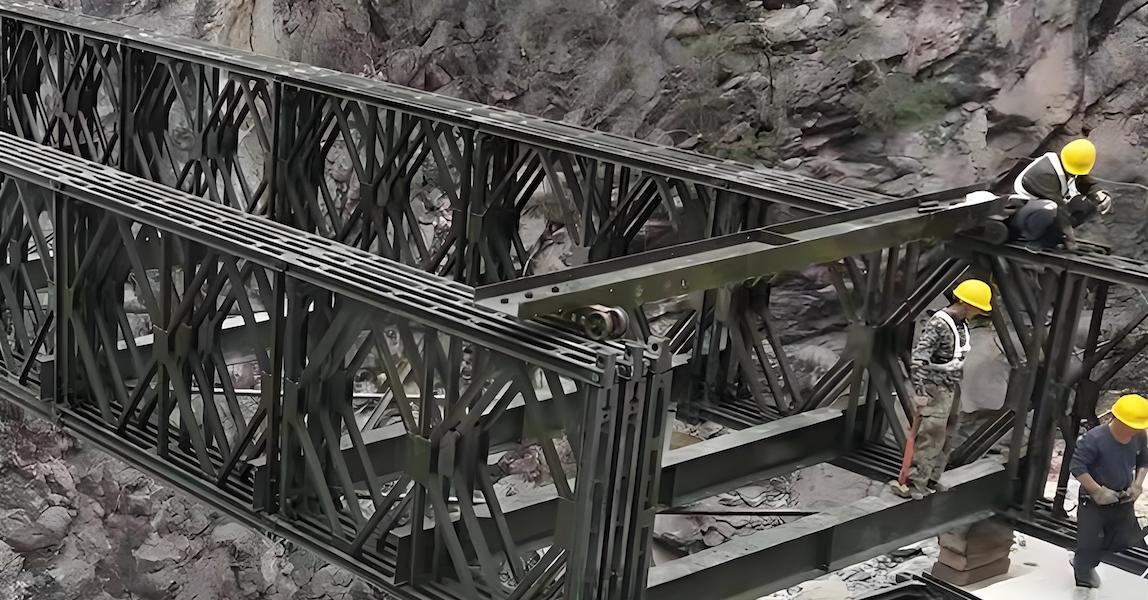
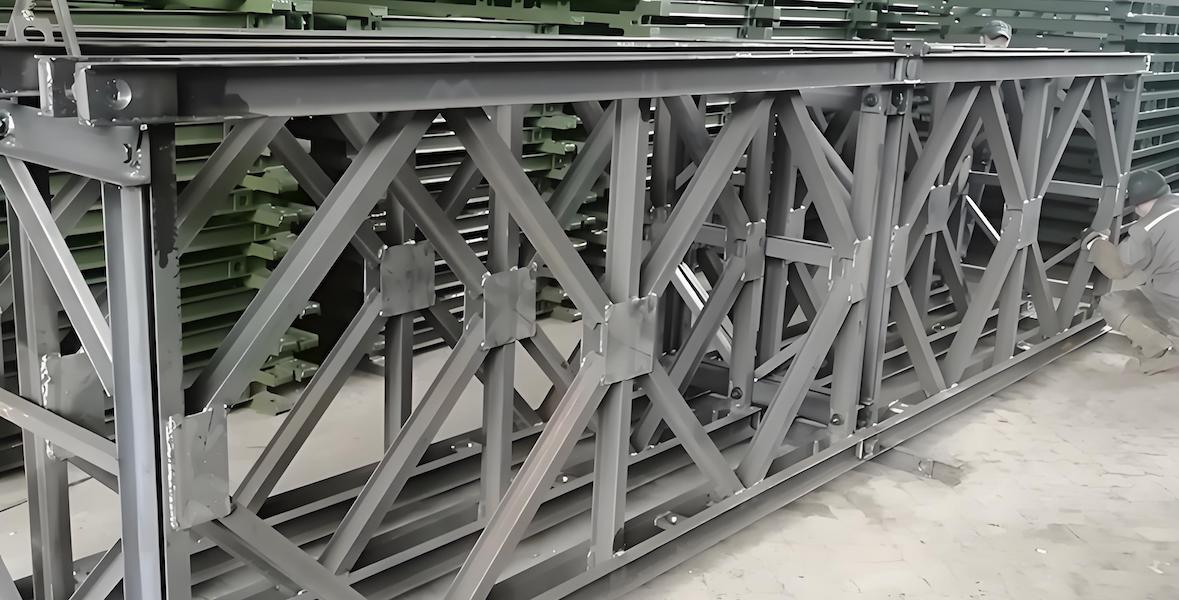
Modular Bailey bridges consist of prefabricated steel components that can be assembled in various configurations. The design allows for flexibility in length and load capacity, making them suitable for a wide range of applications, from temporary crossings to permanent installations. The primary components include panels, trusses, and support beams, all of which are designed to bear significant loads while remaining lightweight and easy to transport. The modular nature of these bridges means that they can be easily adapted to different site conditions and requirements, allowing for quick modifications as needed. This adaptability is particularly beneficial in emergency situations where time is of the essence.
These bridges are commonly used in military operations, emergency response situations, and civil engineering projects. Their ability to be deployed quickly makes them ideal for disaster relief efforts, where traditional bridge construction may not be feasible. Additionally, they are often used in remote areas where access to heavy machinery is limited. In civilian contexts, Modular Bailey bridges can serve as temporary solutions for road closures due to construction or natural disasters, providing essential connectivity until permanent structures can be built. Their versatility also extends to recreational uses, such as pedestrian crossings in parks and nature reserves, where they can enhance accessibility without disrupting the natural landscape.
Regular maintenance is crucial for ensuring the safety of Modular Bailey bridges. Over time, wear and tear can lead to structural weaknesses that may compromise the integrity of the bridge. Routine inspections help identify potential issues before they become serious problems, thereby preventing accidents and ensuring the safety of users. The consequences of neglecting maintenance can be severe, including structural failures that pose risks to both vehicles and pedestrians. By prioritizing safety through diligent maintenance practices, bridge operators can foster public trust and confidence in the infrastructure.
Proper maintenance can significantly extend the lifespan of Modular Bailey bridges. By addressing minor issues promptly, bridge operators can avoid costly repairs and replacements in the future. This proactive approach not only saves money but also ensures that the bridge remains functional for its intended purpose. Regular maintenance activities, such as inspections and cleaning, can prevent the accumulation of damage that leads to more extensive repairs. Furthermore, a well-maintained bridge can provide reliable service for many years, reducing the need for frequent replacements and minimizing disruptions to traffic and transportation networks.
Many regions have specific regulations governing the maintenance of bridges, including Modular Bailey bridges. Regular inspections and maintenance help ensure compliance with these regulations, which can vary by location. Failure to adhere to maintenance standards can result in legal repercussions and increased liability for bridge operators. Compliance not only protects the operators from potential fines but also ensures that the bridges meet safety standards set by governing bodies. This adherence to regulations is essential for maintaining public safety and ensuring that the infrastructure remains in good standing with local and national authorities.
Regular inspections are the cornerstone of bridge maintenance. The frequency of these inspections can vary based on factors such as the bridge's location, usage, and environmental conditions. Generally, it is recommended that Modular Bailey bridges be inspected at least once a year, with more frequent inspections for bridges subjected to heavy traffic or harsh weather conditions. In addition to scheduled inspections, operators should conduct visual checks after significant weather events or heavy usage periods to identify any immediate concerns that may arise.
During inspections, several key areas should be evaluated. Inspectors should examine the structural components for signs of corrosion, cracks, or deformation. The connections between panels and trusses should also be checked for tightness and integrity. Additionally, the condition of the deck surface should be assessed to ensure it remains safe for vehicular and pedestrian traffic. Inspectors should also look for signs of wear on expansion joints and bearings, as these components are critical for accommodating movement and preventing stress concentrations that could lead to failure.
Cleaning is an essential aspect of bridge maintenance that is often overlooked. Dirt, debris, and environmental contaminants can accumulate on the bridge's surface, leading to corrosion and other forms of deterioration. Regular cleaning helps maintain the bridge's appearance and structural integrity. Moreover, removing debris can prevent water pooling, which can exacerbate corrosion and lead to structural issues over time. A clean bridge not only looks better but also reflects a commitment to maintenance and safety.
The cleaning process may involve pressure washing, scrubbing, or using chemical cleaners to remove stubborn stains and contaminants. Care should be taken to avoid damaging the bridge's surface during cleaning. It is also important to ensure that any cleaning agents used are environmentally friendly and do not harm surrounding ecosystems. Operators should develop a cleaning schedule that aligns with inspection intervals, ensuring that the bridge remains in optimal condition throughout its lifespan.
Repairs are an inevitable part of bridge maintenance. Damage can occur due to various factors, including weather conditions, heavy traffic, and natural wear and tear. Identifying damage early is crucial for preventing further deterioration. Regular inspections play a vital role in this process, as they allow for the timely detection of issues that may require repair. Operators should also encourage users to report any visible damage or concerns, creating a collaborative approach to maintenance.
Common repairs for Modular Bailey bridges may include replacing corroded components, reinforcing connections, and repairing the deck surface. In some cases, it may be necessary to replace entire panels or trusses if they are beyond repair. The specific repair methods will depend on the extent of the damage and the bridge's design. Additionally, operators should consider implementing preventive measures during repairs, such as applying protective coatings to newly installed components to enhance their resistance to corrosion and wear.
As technology advances and traffic patterns change, it may be necessary to upgrade or modify Modular Bailey bridges. This could involve increasing load capacity, adding safety features, or improving accessibility for pedestrians and cyclists. Assessing the need for upgrades should be a regular part of the maintenance process, with input from engineers and users to identify areas for improvement.
Upgrades should be carefully planned and executed to ensure they do not compromise the bridge's structural integrity. Consulting with engineers and bridge maintenance experts is essential to determine the best approach for implementing upgrades. Additionally, operators should communicate with stakeholders and the public about any planned modifications to ensure transparency and manage expectations regarding potential disruptions during the upgrade process.
Weather can significantly impact the maintenance needs of Modular Bailey bridges. Extreme temperatures, heavy rainfall, and snow can all contribute to wear and tear. Regular inspections should take into account the specific weather conditions the bridge is exposed to, and maintenance schedules should be adjusted accordingly. For instance, bridges in regions prone to heavy snowfall may require more frequent inspections during winter months to assess the impact of snow load and ice formation.
Corrosion is one of the most significant threats to the longevity of steel bridges. To combat this, it is essential to implement corrosion prevention measures. This may include applying protective coatings, using corrosion-resistant materials, and ensuring proper drainage to prevent water accumulation on the bridge. Additionally, operators should consider the use of cathodic protection systems, which can further enhance the bridge's resistance to corrosion by using electrical currents to counteract the electrochemical processes that lead to rust.
Keeping detailed records of inspections, maintenance activities, and repairs is vital for effective bridge management. Documentation helps track the bridge's condition over time and provides valuable information for future maintenance planning. A well-maintained record system can also serve as a reference for compliance audits and inspections by regulatory bodies, ensuring that all maintenance activities are documented and verifiable.
Records should include inspection dates, findings, maintenance activities performed, and any repairs made. Additionally, it is helpful to document any environmental conditions that may have affected the bridge during the inspection period. This information can be invaluable for assessing trends and planning future maintenance. Operators should consider using digital tools and software to streamline documentation processes, making it easier to access and analyze data related to bridge maintenance.
Proper maintenance of Modular Bailey bridges requires trained personnel with expertise in bridge inspection and repair. Investing in training for maintenance staff ensures that they are equipped with the knowledge and skills necessary to identify issues and perform repairs effectively. Training programs should cover a range of topics, including structural analysis, corrosion prevention, and safety protocols, ensuring that personnel are well-rounded in their understanding of bridge maintenance.
Ongoing education and training are essential to keep maintenance personnel updated on the latest techniques and technologies in bridge maintenance. This can include attending workshops, conferences, and certification programs focused on bridge engineering and maintenance. By fostering a culture of continuous learning, organizations can enhance the skills of their maintenance teams and improve the overall quality of bridge care.
Maintaining Modular Bailey bridges is a critical aspect of ensuring their safety, longevity, and functionality. Regular inspections, cleaning, repairs, and upgrades are essential activities that contribute to the overall health of these structures. By prioritizing maintenance and investing in trained personnel, bridge operators can ensure that Modular Bailey bridges continue to serve their intended purpose effectively. As infrastructure needs evolve, so too must the approaches to maintaining these versatile and valuable bridges. Through diligent care and proactive management, Modular Bailey bridges can remain reliable assets for communities and organizations for many years to come.
The most common causes of damage to Modular Bailey bridges include corrosion due to exposure to moisture and chemicals, heavy traffic loads exceeding design specifications, extreme weather conditions such as high winds or heavy snowfall, impact from vehicles or debris, and inadequate maintenance practices that lead to the deterioration of structural components.
Technology can enhance the maintenance of Modular Bailey bridges through the use of drones for aerial inspections, sensors for real-time monitoring of structural integrity, and data analytics software to track maintenance history and predict future needs. Additionally, 3D modeling and simulation tools can help in planning repairs and upgrades more effectively.
The cost implications of maintenance strategies can vary significantly. Proactive maintenance, which includes regular inspections and timely repairs, tends to be more cost-effective in the long run as it prevents major failures and costly repairs. In contrast, reactive maintenance, which addresses issues only after they arise, can lead to higher costs due to emergency repairs and potential downtime. Investing in preventive measures can ultimately save money and extend the lifespan of the bridge.
Environmental factors such as humidity, temperature fluctuations, and exposure to salt or chemicals can accelerate the deterioration of bridge materials. For instance, bridges in coastal areas may require more frequent inspections and maintenance due to saltwater corrosion. Similarly, regions with extreme temperature variations may see more wear on expansion joints and bearings, necessitating adjustments to the maintenance schedule to address these specific challenges.
Local regulations often dictate the standards and frequency of inspections and maintenance for bridges, including Modular Bailey bridges. Compliance with these regulations is essential to ensure safety and avoid legal liabilities. Regulations may also specify the qualifications required for personnel conducting inspections and repairs, emphasizing the importance of trained professionals in maintaining bridge integrity and safety.


