

Views: 221 Author: Site Editor Publish Time: 2026-01-28 Origin: Site


Content Menu
● Key Characteristics of Suspension Bridges
>> 2. Flexibility and Strength
● Structure of Suspension Bridges
>> 2. Hangers
>> 4. Towers
>> 5. Anchorage
● Enhancing the Value of Suspension Bridges
>> 2. Case Study: The Golden Gate Bridge
● Frequently Asked and Questions regarding Suspension Bridges
>> 1. What are the primary challenges in constructing suspension bridges?
>> 2. How do engineers monitor the structural health of suspension bridges over time?
>> 3. What are some examples of innovative design elements in modern suspension bridges?
>> 4. How do suspension bridges compare to other types of bridges in terms of cost and maintenance?
>> 5. What factors influence the design and construction of a suspension bridge?
Suspension bridges are remarkable engineering feats that have transformed the way we connect cities and regions. With their elegant design and ability to span vast distances, these bridges are not only functional but also iconic landmarks. In this article, we will explore the characteristics, structure, and operational principles of suspension bridges, providing insights into their significance in modern infrastructure.
Suspension bridges are distinguished by several unique features that set them apart from other bridge types:
Suspension bridges are known for their striking visual appeal. The main cables, which are anchored at both ends, create a graceful arc that supports the bridge deck. This design not only enhances the aesthetic value but also allows for longer spans compared to traditional bridges. The combination of engineering precision and artistic design often makes these bridges a focal point in their surroundings, attracting tourists and photographers alike. Iconic examples, such as the Golden Gate Bridge, showcase how functionality can blend seamlessly with beauty, making them symbols of innovation and progress.
One of the primary advantages of suspension bridges is their ability to flex under load. This flexibility helps absorb dynamic forces such as wind and traffic, making them resilient in various environmental conditions. The materials used, typically high-strength steel cables, contribute to their durability and load-bearing capacity. Engineers design these bridges to withstand not only the static loads of vehicles but also dynamic loads from wind gusts and seismic activity. This adaptability is crucial in regions prone to natural disasters, ensuring that the bridge remains safe and functional under extreme conditions.
Suspension bridges can span distances of over 1,000 meters, making them ideal for crossing wide bodies of water or deep valleys. The Akashi Kaikyō Bridge in Japan, for example, holds the record for the longest central span of any suspension bridge at 1,991 meters. This capability allows for fewer supports in the water, minimizing environmental disruption and enhancing navigational clearance for ships. The engineering challenges associated with such long spans have led to innovations in design and construction techniques, pushing the boundaries of what is possible in bridge engineering.
While the initial construction costs can be high, suspension bridges often prove to be cost-effective in the long run due to their longevity and lower maintenance requirements. Their design allows for fewer materials compared to other bridge types, which can reduce overall expenses. Additionally, the ability to span large distances means that fewer piers are needed, which can significantly lower construction and maintenance costs. Over time, the investment in a suspension bridge can yield substantial returns in terms of reduced traffic congestion and improved transportation efficiency.
The structure of a suspension bridge is a complex interplay of various components, each playing a crucial role in its functionality:
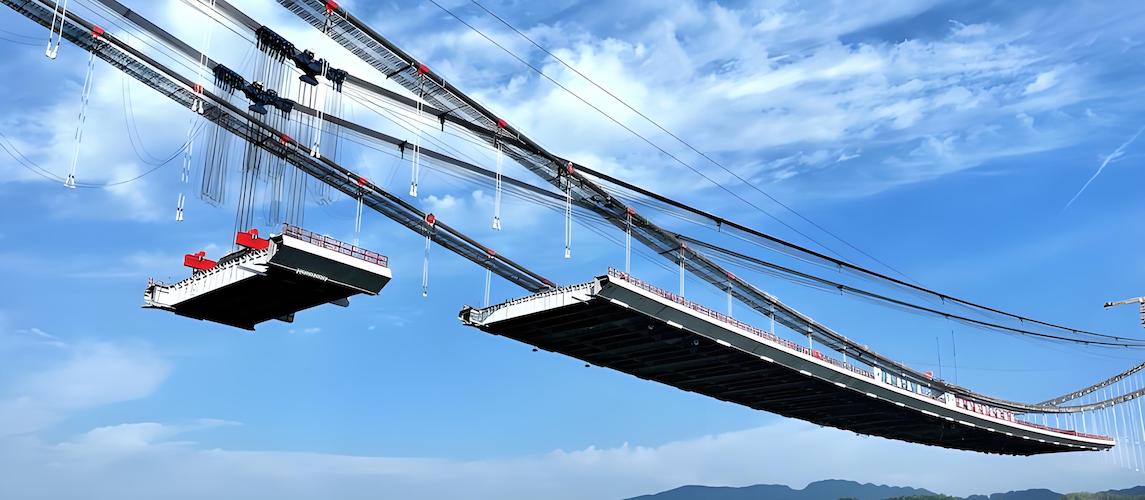
The main cables are the backbone of a suspension bridge. They are typically made of multiple strands of high-strength steel wire, which are capable of bearing significant loads. These cables are anchored securely at both ends of the bridge, ensuring that the tension is evenly distributed. The design of the cables allows them to stretch slightly under load, which helps to absorb shocks and vibrations. This feature is particularly important in areas with high traffic volumes or where the bridge is subject to strong winds.
Hangers are vertical cables that connect the main cables to the bridge deck. They transfer the load from the deck to the main cables, ensuring that the weight is evenly distributed. The design and spacing of the hangers are critical for maintaining the structural integrity of the bridge. Engineers must carefully calculate the load each hanger will bear, taking into account factors such as traffic patterns and environmental conditions. This attention to detail ensures that the bridge can safely accommodate both pedestrian and vehicular traffic.
The bridge deck is the surface on which vehicles and pedestrians travel. It is supported by the hangers and must be designed to withstand various loads, including traffic and environmental forces. The materials used for the deck can vary, with options ranging from reinforced concrete to steel grating, depending on the intended use and aesthetic considerations. Additionally, the deck must be designed with safety features such as guardrails and anti-skid surfaces to ensure the safety of all users.
The towers are vertical structures that support the main cables. They must be robust enough to handle the tension exerted by the cables and are often designed to withstand lateral forces such as wind. The height and design of the towers can vary significantly, with some bridges featuring iconic tower designs that contribute to their visual appeal. Engineers must consider factors such as soil conditions and seismic activity when designing the towers to ensure they remain stable and secure.
The anchorage systems secure the main cables at both ends of the bridge. These systems must be designed to handle the immense forces exerted by the cables and ensure the stability of the entire structure. The anchorage is often buried deep into the ground or secured to massive concrete blocks to prevent any movement. This component is critical for the overall safety of the bridge, as any failure in the anchorage could lead to catastrophic consequences.
The operational principles of suspension bridges are rooted in physics and engineering:
When a load is applied to the bridge deck, it is transferred through the hangers to the main cables. The cables then distribute this load to the towers and anchorage systems, ensuring that no single component is overwhelmed. This efficient load distribution is essential for maintaining the structural integrity of the bridge, especially during peak traffic times or adverse weather conditions. Engineers use advanced modeling techniques to simulate various load scenarios, ensuring that the bridge can safely accommodate all expected stresses.
Suspension bridges primarily operate under tension. The main cables experience tensile forces, while the towers and anchorage systems are subjected to compressive forces. This balance of forces is crucial for maintaining the structural integrity of the bridge. Engineers must carefully calculate the tension in the cables and the compression in the towers to ensure that the bridge remains stable under all conditions. This understanding of forces is fundamental to the design and construction of safe and reliable suspension bridges.
Suspension bridges are designed to respond dynamically to external forces such as wind and seismic activity. The flexibility of the cables allows the bridge to sway and absorb these forces, reducing the risk of structural failure. Engineers conduct extensive wind tunnel testing and seismic simulations to understand how the bridge will behave under various conditions. This research informs design decisions, ensuring that the bridge can withstand the forces it will encounter throughout its lifespan.
To further understand the significance of suspension bridges, it is essential to consider recent advancements and case studies:
Recent developments in materials science have led to the use of advanced composites and high-strength alloys in bridge construction. These materials enhance durability and reduce maintenance costs. For example, the use of carbon fiber-reinforced polymers can significantly increase the lifespan of bridge components while reducing weight. This innovation allows for more efficient designs and can lead to cost savings over the life of the bridge.
The Golden Gate Bridge in San Francisco is a prime example of a successful suspension bridge. Completed in 1937, it has become an iconic symbol of engineering excellence. Regular maintenance and retrofitting have ensured its longevity and safety. The bridge underwent a major seismic retrofit in the 1990s to enhance its resilience against earthquakes, demonstrating the importance of ongoing investment in infrastructure to meet modern safety standards.
Suspension bridges are not only used for vehicular traffic but also for pedestrian pathways and railways. Their versatility makes them suitable for various applications, enhancing connectivity in urban and rural areas alike. In addition to traditional uses, innovative designs are being explored for recreational purposes, such as pedestrian suspension bridges in parks and nature reserves, which provide scenic views and promote outdoor activities.
Suspension bridges represent a pinnacle of engineering achievement, combining beauty, strength, and functionality. As we continue to innovate and improve our infrastructure, understanding the characteristics, structure, and principles of these bridges will be essential.
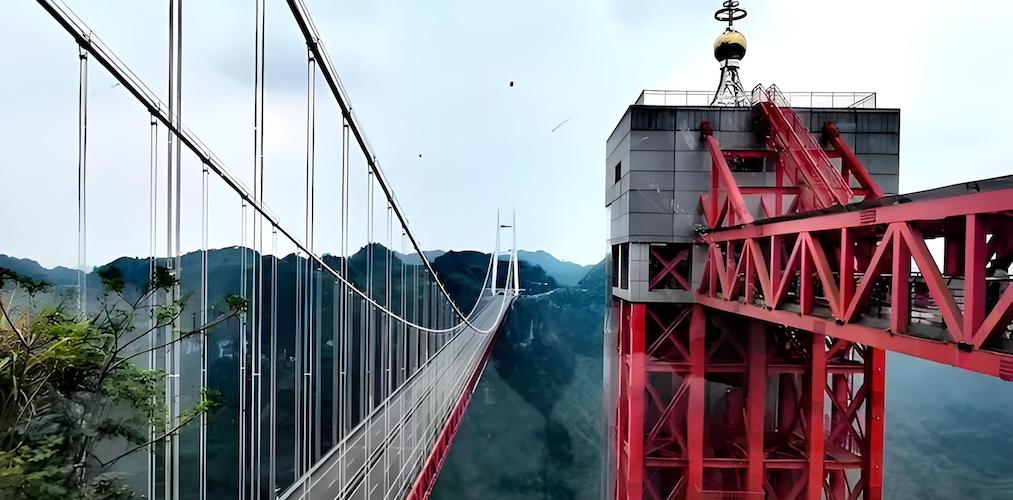
The primary challenges in constructing suspension bridges include managing the immense forces exerted on the structure, ensuring stability during construction, and dealing with environmental factors such as wind and seismic activity. Additionally, the design and construction of the anchorage systems require careful engineering to handle the tension in the main cables. Logistics and access to remote locations can also pose significant challenges, especially for large spans over water or deep valleys.
Engineers monitor the structural health of suspension bridges using a combination of visual inspections, advanced sensors, and monitoring technologies. These may include strain gauges, accelerometers, and displacement sensors that track the bridge's response to loads and environmental conditions. Regular maintenance checks and inspections are conducted to identify any signs of wear or damage, ensuring the bridge remains safe and functional throughout its lifespan.
Modern suspension bridges often incorporate innovative design elements such as aerodynamic shapes to reduce wind resistance, advanced materials like carbon fiber-reinforced polymers for enhanced strength and durability, and integrated lighting systems for aesthetic appeal and safety. Some bridges also feature unique cable arrangements or hybrid designs that combine suspension and other bridge types to optimize performance and functionality.
Suspension bridges can have higher initial construction costs compared to other bridge types, such as beam or arch bridges, due to their complex design and materials. However, they often prove to be more cost-effective in the long run due to their longevity and lower maintenance requirements. Their ability to span long distances with fewer supports can also reduce overall costs associated with construction and maintenance.
Several factors influence the design and construction of a suspension bridge, including the geographical location, environmental conditions (such as wind and seismic activity), the intended use (vehicular, pedestrian, or rail traffic), and the materials available. Engineers must also consider aesthetic aspects, local regulations, and the bridge's impact on the surrounding environment. These factors collectively guide the engineering decisions made throughout the design and construction process.


