

Views: 211 Author: Site Editor Publish Time: 2026-01-28 Origin: Site


Content Menu
● Key Features of the 321 Bailey Bridge
● Key Features of the HD200 Prefabricated Highway Steel Bridge
● Comparing the 321 Bailey Bridge and HD200
>> 3. Assembly and Maintenance
>> 1. What are the typical installation costs for a 321 Bailey Bridge versus an HD200 bridge?
>> 4. Can both bridge types be used for permanent installations?
Bailey bridges are essential in modern infrastructure, providing quick and efficient solutions for temporary and permanent crossings. Among the most notable designs are the 321 Bailey Bridge and the HD200 prefabricated highway steel bridge. This article explores their unique characteristics, applications, and the differences between them, ensuring you have a thorough understanding of these vital structures. With the increasing demand for rapid deployment in construction and emergency scenarios, understanding these bridges' specifications and advantages is crucial for engineers and project managers alike.
A Bailey bridge is a type of modular bridge that can be assembled quickly and easily. It is made of prefabricated steel components, allowing for rapid deployment in various environments, including military and civilian applications. The design is particularly useful in emergency situations where immediate access is required. Originally developed during World War II, Bailey bridges have evolved significantly, incorporating modern materials and engineering techniques to enhance their performance and longevity. Their modular nature allows for easy transport and assembly, making them a preferred choice in disaster relief and temporary infrastructure projects.
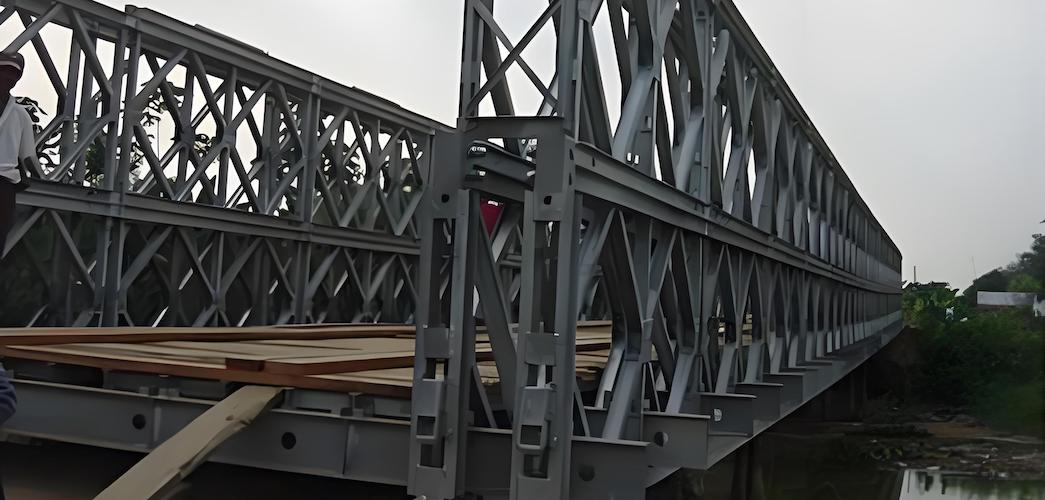
The 321 Bailey Bridge is based on the original British design, optimized for use in China. It features:
● Modular Components: The bridge consists of lightweight, high-strength steel panels that can be easily transported and assembled. This modularity not only facilitates quick assembly but also allows for easy repairs and replacements of individual components, extending the bridge's lifespan.
● Load Capacity: It is designed to support heavy loads, making it suitable for military vehicles and heavy machinery. The load-bearing capacity is a critical factor, as it ensures the bridge can accommodate various vehicles, from light trucks to armored personnel carriers.
● Versatility: The bridge can be configured for various spans and widths, accommodating different traffic needs. This adaptability makes the 321 bridge suitable for diverse applications, from temporary crossings in remote areas to more permanent installations in urban settings.
● Rapid Deployment: The 321 bridge can be assembled in a matter of hours, making it ideal for emergency situations. This speed is crucial in disaster response scenarios where time is of the essence, allowing for immediate access to affected areas.
● Cost-Effective: Its modular nature reduces construction costs and time. By minimizing labor and material costs, the 321 bridge presents a financially viable option for governments and organizations needing quick solutions.
● Durability: Made from high-quality steel, the bridge is resistant to corrosion and wear. This durability ensures that the bridge can withstand harsh environmental conditions, making it a reliable choice for long-term use.
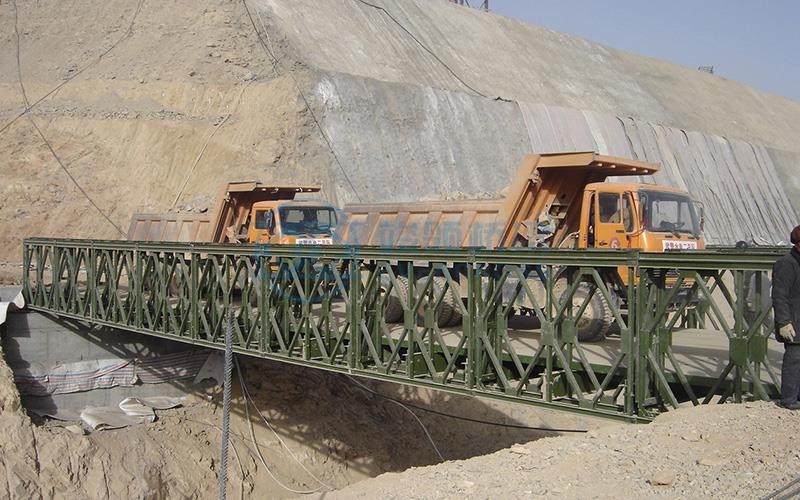
The HD200 bridge represents the latest advancements in bridge technology, designed by the China Communications Construction Company. Key features include:
● Increased Span: The HD200 can span greater distances than traditional designs, with a maximum width of 4.2 meters. This capability allows for fewer supports, reducing the overall footprint of the bridge and making it suitable for wider roadways and high-traffic areas.
● Enhanced Load Capacity: It can support heavier loads, making it suitable for high-traffic areas. The design incorporates advanced engineering principles to ensure stability and safety under varying load conditions.
● Improved Stability: The design incorporates advanced engineering techniques to enhance stability and safety. Features such as cross-bracing and reinforced joints contribute to the bridge's ability to withstand dynamic loads and environmental stresses.
● Flexibility: The HD200 can be configured for single or dual-lane traffic, making it adaptable to various road conditions. This flexibility is particularly beneficial in urban planning, where traffic patterns can change over time.
● Sustainability: The materials used are environmentally friendly, contributing to sustainable construction practices. The use of recycled steel and efficient manufacturing processes minimizes the ecological footprint of the HD200 bridge.
● Width and Load Capacity: The 321 bridge has a standard width of 3.7 meters, while the HD200 can reach up to 4.2 meters, allowing for more extensive traffic flow. This difference is significant in urban environments where traffic congestion is a concern.
● Material Strength: The HD200 utilizes advanced steel alloys, providing superior strength and durability compared to the 321 bridge. This enhanced material performance translates to longer service life and reduced maintenance needs.
● 321 Bailey Bridge: Best suited for temporary crossings in military operations or emergency relief efforts. Its quick assembly and disassembly make it ideal for situations where infrastructure needs are temporary.
● HD200 Bridge: Ideal for permanent installations in urban areas where heavy traffic is expected. Its robust design and capacity for high loads make it a preferred choice for long-term infrastructure projects.
● Ease of Assembly: Both bridges are designed for quick assembly, but the HD200's advanced design may require specialized equipment for installation. This consideration is essential for project planning, as it may affect timelines and costs.
● Maintenance Needs: The HD200's materials may offer lower maintenance costs over time due to their durability. Regular inspections and maintenance are crucial for both bridge types to ensure safety and longevity.
Recent studies indicate that the demand for modular bridges is increasing, particularly in developing regions where infrastructure is rapidly evolving. The adaptability of both the 321 and HD200 bridges positions them as leading solutions in this market. As urbanization continues to rise, the need for efficient and reliable bridge solutions will only grow.
Industry experts recommend considering the specific needs of your project when choosing between the two bridge types. Factors such as expected traffic load, environmental conditions, and budget constraints should guide your decision. Consulting with structural engineers and project managers can provide valuable insights into the best choice for your specific application.
Both the 321 Bailey Bridge and the HD200 prefabricated highway steel bridge offer unique advantages tailored to different applications. Understanding their features, benefits, and differences is crucial for making informed decisions in infrastructure development. As infrastructure needs continue to evolve, these bridges represent innovative solutions that can meet the demands of modern transportation.
The installation costs can vary significantly based on location, labor rates, and specific project requirements. Generally, the 321 Bailey Bridge is more cost-effective due to its simpler design and quicker assembly time, often resulting in lower labor costs. In contrast, the HD200 bridge, while potentially more expensive due to its advanced materials and engineering, offers greater durability and load capacity, which can justify the higher initial investment in the long run.
Both the 321 Bailey Bridge and the HD200 bridge are designed to withstand various environmental conditions. However, the HD200's advanced materials provide better resistance to corrosion and wear, making it more suitable for harsh climates. Extreme weather, such as heavy rainfall or snow, can impact maintenance schedules; regular inspections are essential for both types to ensure structural integrity and safety. The HD200 may require less frequent maintenance due to its robust design.
The 321 Bailey Bridge has been widely used in military operations and disaster relief efforts, such as in the aftermath of natural disasters where rapid deployment is crucial. For example, it was effectively utilized during the 2010 Haiti earthquake to provide immediate access to affected areas. The HD200 bridge has been implemented in urban infrastructure projects, such as in major city road expansions, where its ability to support heavy traffic loads and longer spans is beneficial. Specific case studies can be found in civil engineering journals and infrastructure reports.
Yes, both the 321 Bailey Bridge and the HD200 can be used for permanent installations, although they are typically designed for different applications. The 321 bridge is often used as a temporary solution due to its quick assembly and disassembly features, while the HD200 is engineered for long-term use in high-traffic areas, making it more suitable for permanent installations in urban settings.
The load capacity of the 321 Bailey Bridge typically supports lighter vehicles and is designed for military and emergency use, while the HD200 bridge is engineered to handle significantly heavier loads, making it suitable for commercial and high-traffic applications. The HD200 can accommodate larger vehicles, including heavy trucks and construction equipment, due to its enhanced structural design and material strength.


