

Views: 221 Author: Site Editor Publish Time: 2025-05-30 Origin: Site


Content Menu
● Understanding Prefabricated Modular Bridges
>> What Are Prefabricated Modular Bridges?
>> Key Features of Modular Bridges
● Advantages of Private Label Prefabricated Modular Bridges
● Applications of Prefabricated Modular Bridges
>> Transportation Infrastructure
>> Military and Emergency Applications
● Leading Companies in the Prefabricated Modular Bridge Market
>> ESC Steel
● Frequently Asked Questions Private Label Prefabricated Modular Bridge
>> 1. What are the typical lifespan and maintenance requirements for prefabricated modular bridges?
>> 4. Can prefabricated modular bridges be customized for specific projects?
>> 5. What are the cost factors associated with prefabricated modular bridges?
Prefabricated modular bridges have emerged as a revolutionary solution in the field of civil engineering and construction. These structures are designed to be manufactured off-site and then transported to their final location for quick assembly. This article explores the various aspects of private label prefabricated modular bridges, including their benefits, applications, and the companies leading the way in this innovative field.
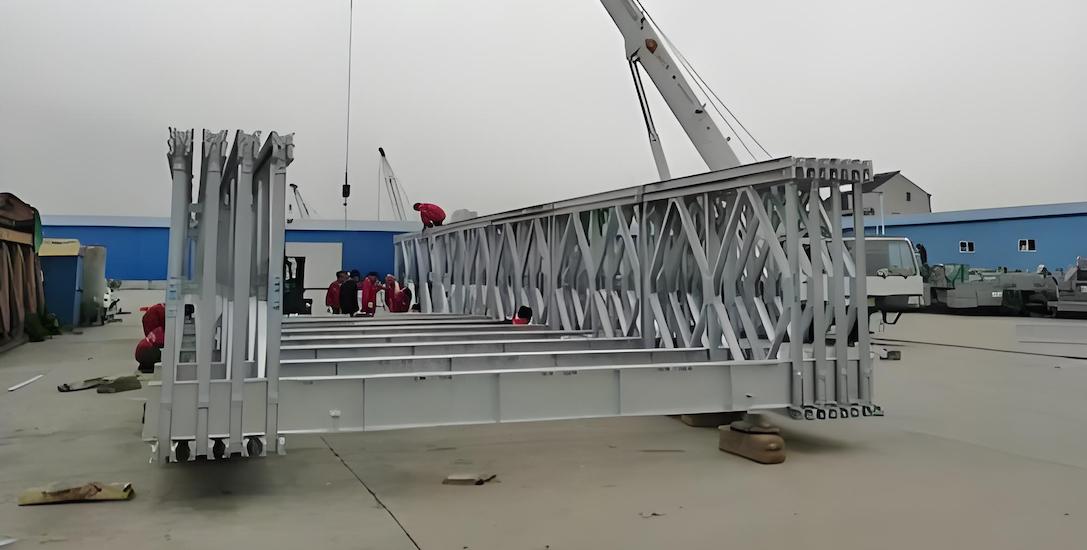
Prefabricated modular bridges are structures that are built in sections or modules in a factory setting. These modules are then transported to the construction site, where they are assembled into a complete bridge. This method contrasts with traditional bridge construction, which typically involves building the entire structure on-site. The modular approach allows for a high degree of customization, enabling engineers to design bridges that meet specific requirements for load capacity, span length, and aesthetic appeal. This flexibility is particularly beneficial in urban environments where space and design constraints are prevalent.
Modular bridges are characterized by their lightweight design, ease of transport, and rapid assembly. They can be made from various materials, including steel and concrete, and are often designed to meet specific load requirements. The modular nature of these bridges allows for flexibility in design and application, making them suitable for a wide range of projects. Additionally, the use of advanced engineering techniques ensures that these bridges can withstand environmental stresses such as wind, seismic activity, and heavy traffic loads. This adaptability makes modular bridges a preferred choice for both temporary and permanent installations.
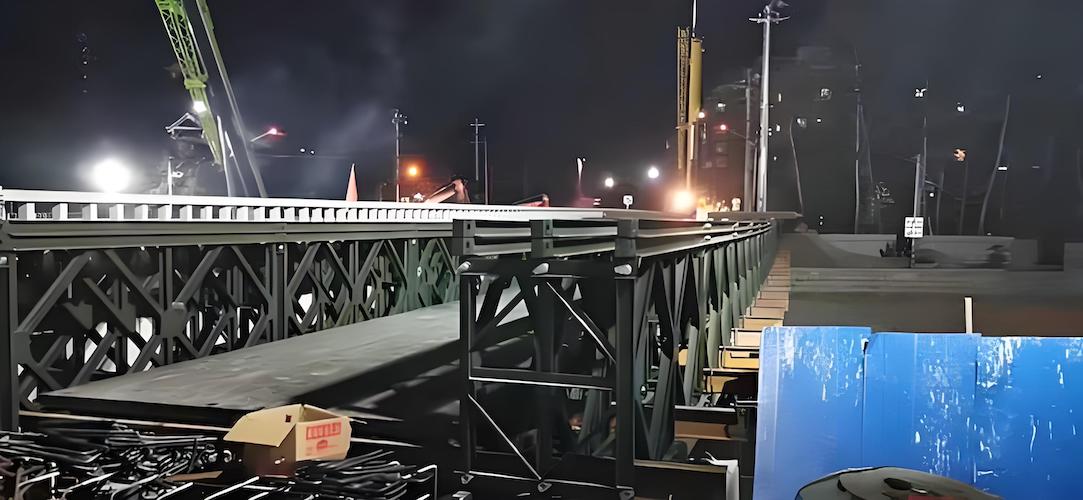
One of the most significant advantages of prefabricated modular bridges is the speed at which they can be constructed. Since the modules are built in a controlled environment, the construction process is not subject to the same weather delays that can affect traditional building methods. Once the modules arrive at the site, they can be assembled quickly, often in a matter of days. This rapid construction timeline is particularly advantageous for projects that require urgent completion, such as those in disaster recovery scenarios or where existing infrastructure is failing. The ability to minimize downtime can significantly reduce the economic impact on communities relying on these critical connections.
Private label prefabricated modular bridges can be more cost-effective than traditional bridges. The reduced construction time leads to lower labor costs, and the efficiency of factory production can result in savings on materials. Additionally, the ability to standardize components can further reduce costs. By streamlining the manufacturing process, companies can achieve economies of scale, which translates to lower prices for consumers. Furthermore, the long-term maintenance costs of modular bridges are often lower due to their durable construction and the use of high-quality materials, making them a wise investment for municipalities and private developers alike.
Manufacturing bridge components in a factory allows for better quality control compared to on-site construction. Each module can be inspected and tested before it leaves the factory, ensuring that it meets all necessary safety and quality standards. This level of control can lead to longer-lasting and more reliable structures. Additionally, the use of advanced technology in the manufacturing process, such as computer-aided design (CAD) and automated welding techniques, enhances the precision of each component. This meticulous attention to detail not only improves the structural integrity of the bridges but also contributes to their overall aesthetic appeal.
Prefabricated modular bridges can also be more environmentally friendly. The controlled manufacturing process typically generates less waste than traditional construction methods. Furthermore, the quick installation reduces the time that construction crews spend on-site, minimizing disruption to the surrounding environment. The use of sustainable materials and practices in the production of these bridges can further enhance their eco-friendliness. For instance, many manufacturers are now incorporating recycled materials into their designs, and the modular nature of these bridges allows for easy disassembly and reuse, reducing the overall carbon footprint associated with bridge construction.
One of the primary applications of prefabricated modular bridges is in transportation infrastructure. These bridges can be used to span roads, railways, and waterways, providing essential connections for vehicles and pedestrians. Their quick installation makes them ideal for emergency repairs or temporary solutions in disaster-stricken areas. Moreover, as urban populations continue to grow, the demand for efficient transportation solutions increases. Modular bridges can be strategically placed to alleviate traffic congestion and improve access to critical services, thereby enhancing the overall quality of life in urban settings.
Modular bridges are also popular in recreational settings, such as parks and nature trails. They can be designed to blend seamlessly with the natural environment, providing safe crossings over streams and wetlands. Companies like TrueNorth Steel specialize in creating aesthetically pleasing modular bridges that enhance the beauty of outdoor spaces. These bridges not only serve a functional purpose but also contribute to the recreational experience by allowing people to enjoy nature without disturbing the ecosystem. The design flexibility of modular bridges means they can be tailored to fit the specific landscape, ensuring that they complement the surrounding environment.
The military often utilizes prefabricated modular bridges for their rapid deployment capabilities. These bridges can be quickly assembled in remote locations, providing essential infrastructure for troops and equipment. Their portability makes them ideal for temporary installations in conflict zones or disaster relief efforts. In addition to military applications, these bridges are also valuable in humanitarian missions, where quick access to affected areas is crucial. The ability to deploy modular bridges in challenging terrains, such as mountainous regions or flood-prone areas, underscores their versatility and importance in emergency response scenarios.
TrueNorth Steel is a prominent player in the prefabricated modular bridge market. The company offers a range of modular bridge solutions, including vehicular and pedestrian bridges. Their products are known for their quality and durability, and they provide comprehensive support throughout the design and installation process. TrueNorth Steel's commitment to innovation is evident in their use of advanced materials and construction techniques, which enhance the performance and longevity of their bridges. Their extensive experience in the industry allows them to collaborate effectively with engineers and contractors, ensuring that each project meets the specific needs of the client.
Roadrunner Bridge specializes in prefabricated steel bridge kits that are designed for easy assembly. Their products are particularly popular for utility and pedestrian applications. The company emphasizes cost-effectiveness and user-friendly designs, making their bridges accessible for various projects. Roadrunner Bridge's focus on customer satisfaction is reflected in their tailored solutions, which cater to the unique requirements of each client. By offering a range of customizable options, they empower clients to select the features that best suit their needs, whether for aesthetic purposes or functional requirements.
ESC Steel is known for its innovative modular steel bridges, which are designed for both temporary and permanent applications. Their bridges are built to be portable and reusable, making them a versatile choice for a wide range of projects. ESC Steel focuses on high-quality materials and precision engineering to ensure the longevity of their structures. Their commitment to sustainability is evident in their manufacturing processes, which prioritize eco-friendly practices. By continuously exploring new technologies and materials, ESC Steel remains at the forefront of the modular bridge industry, providing clients with cutting-edge solutions that meet modern demands.
Private label prefabricated modular bridges represent a significant advancement in bridge construction technology. Their speed, cost-effectiveness, and quality control make them an attractive option for a variety of applications, from transportation infrastructure to recreational use. As companies like TrueNorth Steel, Roadrunner Bridge, and ESC Steel continue to innovate in this field, the future of bridge construction looks promising. The benefits of these structures not only enhance the efficiency of construction projects but also contribute to sustainable practices in the industry. As the demand for reliable and efficient infrastructure grows, prefabricated modular bridges will play an increasingly vital role in shaping the future of transportation and connectivity.
Prefabricated modular bridges typically have a lifespan of 50 to 100 years, depending on the materials used and environmental conditions. Maintenance requirements are generally lower than traditional bridges due to their durable construction. Regular inspections and minor repairs, such as repainting or replacing worn components, are recommended to ensure longevity.
Prefabricated modular bridges generally have a lower environmental impact compared to traditional bridges. The controlled manufacturing process reduces waste, and the quick installation minimizes disruption to the surrounding ecosystem. Additionally, many modular bridges are designed using sustainable materials, further enhancing their eco-friendliness.
Key design considerations include load capacity, span length, site conditions, and environmental factors. Engineers must also consider the intended use of the bridge (vehicular, pedestrian, etc.), aesthetic requirements, and compliance with local regulations. Collaboration with stakeholders is essential to ensure that the design meets all functional and safety standards.
Yes, prefabricated modular bridges can be highly customized to meet the specific needs of a project. This includes variations in size, materials, and design features. Manufacturers often work closely with clients to develop tailored solutions that fit the unique requirements of each installation.
The cost factors for prefabricated modular bridges include materials, manufacturing, transportation, and installation. While the initial investment may be higher than traditional methods, the overall cost can be lower due to reduced labor and construction time. Long-term savings from lower maintenance and operational costs also contribute to the overall value of these structures.


