

Views: 211 Author: Site Editor Publish Time: 2025-05-23 Origin: Site


Content Menu
● Understanding ODM Temporary Movable Bridges
>> What is an ODM Temporary Movable Bridge?
>> Key Features of ODM Temporary Movable Bridges
>>> Portability
>>> Quick Assembly and Disassembly
● Applications of ODM Temporary Movable Bridges
● Companies Specializing in ODM Temporary Movable Bridges
>> Acrow Bridge
>> Mabey Bridge
● The Future of ODM Temporary Movable Bridges
>> Innovations in Design and Materials
>> Sustainability Considerations
● Frequently Asked Questions regarding ODM Temporary Movable Bridge
>> 1. What are the typical load capacities for ODM temporary movable bridges?
>> 2. How do environmental factors affect the design of temporary bridges?
>> 3. What are the regulatory standards for temporary bridge construction?
>> 4. How long can ODM temporary movable bridges be used?
>> 5. What maintenance is required for temporary movable bridges?
Temporary movable bridges, particularly those designed by Original Design Manufacturers (ODM), play a crucial role in modern infrastructure. These structures are not only essential for emergency situations but also serve various applications in construction, military, and transportation sectors. This article explores the advantages of ODM temporary movable bridges, their design features, applications, and the companies that specialize in their production.
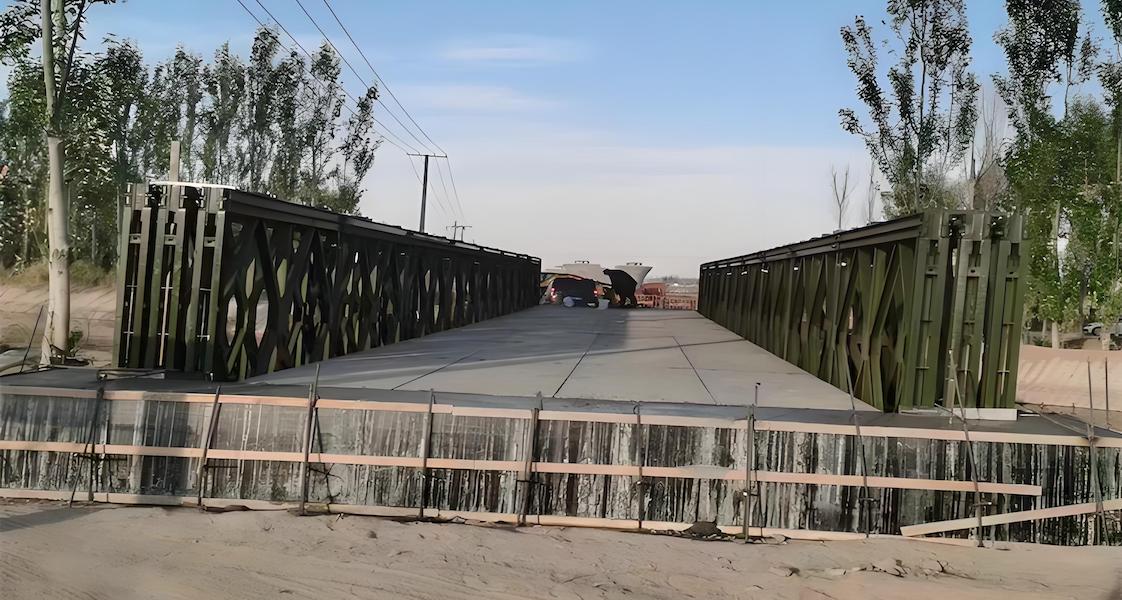
An ODM temporary movable bridge is a prefabricated structure designed for temporary use, allowing for the quick and efficient movement of people and vehicles across obstacles. These bridges are manufactured by companies that specialize in creating modular bridge systems, ensuring high quality and adaptability to various environments. The design typically includes features that allow for easy assembly and disassembly, making them ideal for situations where permanent structures are not feasible. The versatility of these bridges means they can be tailored to meet specific project requirements, whether for a temporary construction site or a disaster relief operation.
ODM temporary movable bridges are characterized by several key features:
One of the most significant advantages of these bridges is their portability. They can be easily transported and installed in various locations, making them suitable for temporary applications. Their lightweight design allows for quick relocation, which is particularly beneficial in emergency situations where time is of the essence. This portability is achieved through the use of advanced materials and engineering techniques that ensure the bridges can be moved without compromising structural integrity. For instance, many ODM bridges utilize aluminum or high-strength steel, which provides the necessary strength while keeping the overall weight low.
The design of ODM temporary movable bridges allows for rapid assembly and disassembly. This feature is crucial in scenarios where a bridge is needed for a short duration, such as during construction projects or disaster relief efforts. The ability to set up and take down these structures quickly minimizes disruption and enhances operational efficiency. Many manufacturers provide detailed assembly instructions and training for personnel, ensuring that even those with limited experience can erect the bridge safely and effectively. This ease of use is a significant factor in the decision-making process for organizations that require temporary solutions.
Compared to constructing permanent bridges, which can be expensive and time-consuming, temporary bridges offer a more affordable solution for short-term needs. Their modular design also means that they can be reused in different locations, further reducing costs. This financial efficiency is particularly appealing to organizations with limited budgets or those operating in economically challenging environments. Additionally, the reduced labor costs associated with the quick assembly and disassembly of these bridges contribute to overall savings. Organizations can allocate their resources more effectively, focusing on other critical areas of their operations.
In disaster-stricken areas, ODM temporary movable bridges provide immediate access to critical locations. They can be deployed quickly to restore connectivity, allowing emergency services to reach affected populations and deliver aid. For instance, after natural disasters like floods or earthquakes, these bridges can be essential in facilitating rescue operations and transporting supplies. Their ability to span gaps created by damaged infrastructure means that they can be a lifeline for communities in crisis. Furthermore, the rapid deployment of these bridges can significantly reduce the time it takes for recovery efforts to begin, ultimately saving lives and resources.
During construction projects, especially those involving road or rail upgrades, temporary movable bridges can be used to maintain traffic flow. They allow vehicles and pedestrians to cross construction sites safely, minimizing delays and ensuring that work can proceed without significant interruptions. Companies like Acrow Bridge, known for their modular bridge solutions, often provide such structures for large-scale construction projects. The use of temporary bridges in construction not only enhances safety but also helps to keep projects on schedule, which is critical in meeting deadlines and budget constraints. Additionally, these bridges can be designed to accommodate various types of traffic, including heavy machinery, which is often necessary in construction environments.
The military frequently utilizes temporary movable bridges for tactical operations. These structures can be deployed in various terrains, providing essential support for troop movements and logistics. Their ability to be set up quickly makes them invaluable in combat situations where time and mobility are critical. Military applications often require bridges that can support heavy loads and withstand harsh conditions, and ODM temporary movable bridges are designed with these factors in mind. The flexibility of these bridges allows military units to adapt to changing operational needs, ensuring that they can maintain their strategic advantage in the field.
For large events such as festivals, concerts, or sporting events, ODM temporary movable bridges can facilitate crowd movement and enhance safety. They can be used to create pedestrian pathways over obstacles, ensuring that attendees can navigate the venue without hindrance. The aesthetic design of these bridges can also contribute to the overall atmosphere of an event, making them not just functional but visually appealing. Event organizers often choose temporary bridges to manage large crowds effectively, ensuring that safety protocols are met while providing a seamless experience for attendees. The ability to customize these bridges for specific events further enhances their appeal.
Several companies are recognized for their expertise in manufacturing ODM temporary movable bridges. These companies focus on innovation, quality, and customer service to meet the diverse needs of their clients.
Acrow Bridge is a leading manufacturer of modular bridge solutions, including temporary movable bridges. Their products are designed for rapid deployment and can be customized to meet specific project requirements. Acrow's bridges are used in various applications, from emergency response to construction projects, showcasing their versatility and reliability. The company prides itself on its commitment to quality and safety, ensuring that all products meet stringent industry standards. Acrow also offers comprehensive support services, including engineering assistance and on-site training, to help clients maximize the effectiveness of their bridge solutions.
Bailey Bridge Solutions specializes in providing temporary bridge solutions that are easy to assemble and disassemble. Their bridges are often used in construction and military applications, emphasizing durability and efficiency. The company’s commitment to quality ensures that their bridges can withstand challenging conditions while providing safe passage. Bailey Bridge Solutions also focuses on innovation, continually improving their designs to meet the evolving needs of their customers. Their extensive experience in the field allows them to offer tailored solutions that address specific challenges faced by clients in various industries.
Mabey Bridge is another prominent player in the temporary bridge market. They offer a range of modular bridge systems that can be adapted for various uses, including emergency response and infrastructure projects. Mabey's focus on innovation and sustainability sets them apart in the industry, making them a preferred choice for many organizations. The company invests in research and development to create bridges that not only meet current demands but also anticipate future needs. Their commitment to sustainability is reflected in their use of eco-friendly materials and practices, aligning with global efforts to reduce environmental impact.
As technology advances, the design and materials used in ODM temporary movable bridges are evolving. Innovations such as lightweight composite materials and advanced engineering techniques are enhancing the performance and durability of these structures. Future designs may incorporate smart technology, allowing for real-time monitoring of structural integrity and usage patterns. This integration of technology can lead to improved safety and efficiency, as operators can receive immediate feedback on the condition of the bridge. Additionally, the use of sustainable materials in bridge construction is likely to increase, reflecting a growing emphasis on environmental responsibility in the industry.
With increasing awareness of environmental issues, the demand for sustainable construction practices is growing. ODM temporary movable bridges can be designed with sustainability in mind, using eco-friendly materials and minimizing waste during production. Companies are exploring ways to make these bridges more energy-efficient and recyclable, aligning with global sustainability goals. The focus on sustainability not only benefits the environment but can also enhance the reputation of companies that prioritize eco-friendly practices. As regulations around environmental impact become stricter, companies that adopt sustainable practices will likely have a competitive advantage in the market.
The applications of ODM temporary movable bridges are likely to expand as industries recognize their benefits. Beyond traditional uses, these bridges may find roles in urban planning, disaster preparedness, and even recreational areas. As cities grow and infrastructure needs change, the flexibility of temporary movable bridges will become increasingly valuable. Urban planners may incorporate these structures into their designs to enhance connectivity and accessibility, particularly in areas where permanent solutions are not feasible. The adaptability of ODM bridges makes them an attractive option for addressing the diverse challenges faced by modern infrastructure projects.
ODM temporary movable bridges offer numerous advantages, including portability, quick assembly, and cost-effectiveness. Their applications span emergency response, construction, military operations, and special events, making them essential in various sectors. Companies like Acrow Bridge, Bailey Bridge Solutions, and Mabey Bridge are at the forefront of this industry, providing innovative solutions to meet the evolving needs of their clients. As technology advances and sustainability becomes a priority, the future of ODM temporary movable bridges looks promising, with potential for expanded applications and enhanced designs. The ongoing development in this field will continue to play a vital role in shaping the infrastructure landscape, ensuring that communities can respond effectively to challenges and opportunities alike.
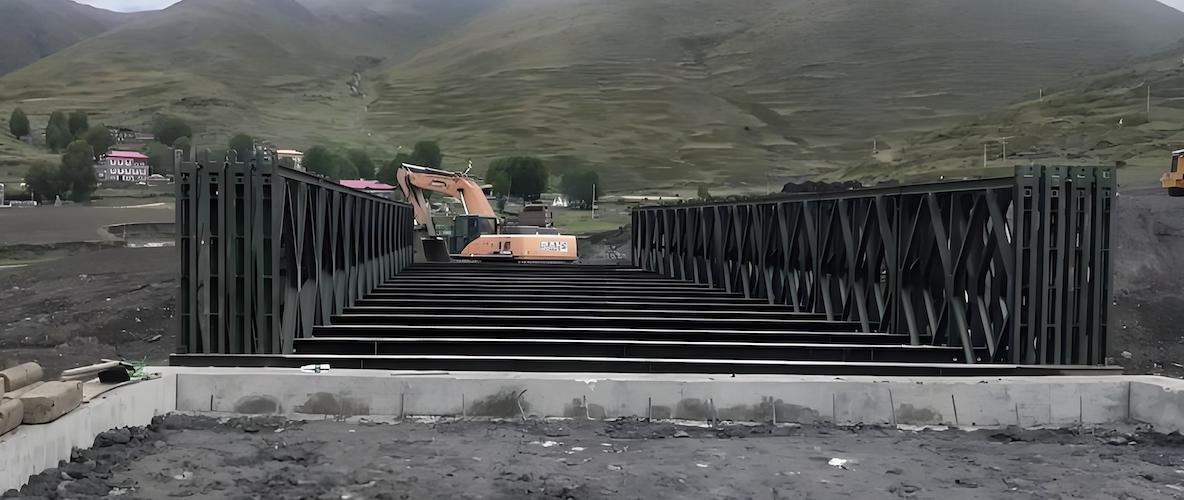
ODM temporary movable bridges typically have load capacities ranging from 10 to 100 tons, depending on the design and materials used. Some specialized models can support even heavier loads, making them suitable for various applications, including military and construction uses.
Environmental factors such as wind, temperature, and precipitation can significantly influence the design of temporary bridges. Engineers must consider these factors to ensure the bridge can withstand local weather conditions, including potential flooding or snow loads, and to select materials that will perform well in specific climates.
Regulatory standards for temporary bridge construction vary by country and region but generally include guidelines for structural integrity, safety, and environmental impact. These standards ensure that temporary bridges can safely support intended loads and withstand environmental conditions while minimizing risks to users.
ODM temporary movable bridges are designed for short to medium-term use, typically ranging from a few weeks to several years, depending on the specific project requirements and conditions. Their modular nature allows for easy relocation and reuse, extending their lifespan across multiple projects.
Maintenance for temporary movable bridges includes regular inspections to check for structural integrity, wear and tear, and any damage caused by environmental factors. Routine cleaning and minor repairs may also be necessary to ensure safety and functionality, especially if the bridge is used frequently or in harsh conditions.


