

Views: 211 Author: Site Editor Publish Time: 2025-06-24 Origin: Site


Content Menu
● Understanding Modular Bridges
>> Definition of Modular Bridges
>> Key Features of Modular Bridges
● The Design Process of Modular Bridges
>> Standardization of Components
● The Construction Process of Modular Bridges
>> Prefabrication of Components
● Advantages of Modular Bridges
>> Flexibility and Adaptability
● Applications of Modular Bridges
>> Transportation Infrastructure
● Challenges and Considerations
● Future Trends in Modular Bridge Construction
● Frequently Asked and Questions regarding Modular Bridges
>> 2. How do modular bridges perform in seismic zones or areas prone to extreme weather conditions?
>> 3. What are the long-term maintenance requirements and costs associated with modular bridge systems?
>> 4. Can modular bridges be customized for specific aesthetic or functional requirements?
Modular bridges have emerged as a revolutionary solution in the field of civil engineering, offering a range of benefits that traditional bridge construction methods cannot match. These structures are designed to be prefabricated in sections, allowing for rapid assembly and installation. This article explores the various aspects of modular bridges, including their design, construction process, advantages, and applications.
Modular bridges are pre-engineered structures that consist of standardized components manufactured off-site. These components are transported to the construction site, where they are assembled into a complete bridge. This method contrasts sharply with traditional bridge construction, which often requires extensive on-site work and longer timelines. The modular approach not only enhances efficiency but also allows for greater precision in manufacturing, as components can be produced in a controlled environment. This results in higher quality and consistency, which are critical for ensuring the safety and longevity of the bridge.
Modular bridges are characterized by their flexibility, efficiency, and adaptability. They can be designed to accommodate various spans, loads, and environmental conditions. The modular approach allows for the use of different materials, including steel, concrete, and composite materials, enhancing their durability and performance. Additionally, the modular design facilitates easy transportation and installation, making these bridges suitable for a wide range of locations, from urban settings to remote areas. The ability to customize the design according to specific site requirements further adds to their appeal, allowing engineers to create solutions that meet local needs while adhering to safety standards.
The design of modular bridges involves careful engineering to ensure safety, stability, and functionality. Engineers must consider factors such as load-bearing capacity, environmental impact, and aesthetic appeal. Advanced software tools are often used to simulate the performance of the bridge under various conditions, allowing for optimization before construction begins. This simulation process helps identify potential issues early in the design phase, reducing the likelihood of costly modifications during construction. Furthermore, engineers must also account for future maintenance needs and the potential for upgrades, ensuring that the bridge remains functional and safe throughout its lifespan.
One of the key aspects of modular bridge design is the standardization of components. By creating uniform parts, manufacturers can streamline production and reduce costs. Standardization also simplifies the assembly process, as workers can easily fit together pre-manufactured sections without the need for extensive modifications. This approach not only speeds up construction but also minimizes the risk of errors during assembly. Moreover, the use of standardized components allows for easier replacement and repair, as parts can be readily sourced and installed without the need for custom fabrication.
The construction of modular bridges begins with the prefabrication of components in a controlled factory environment. This process allows for high-quality production, as manufacturers can closely monitor the conditions under which the components are made. Prefabrication also minimizes the impact of weather and other external factors that can delay construction on-site. Additionally, the factory setting enables the use of advanced manufacturing techniques, such as automated welding and precision cutting, which further enhance the quality and consistency of the components. This controlled environment also allows for thorough inspections and quality assurance checks before the components are shipped to the construction site.
Once the components are manufactured, they are transported to the construction site. This transportation process is carefully planned to ensure that the components arrive safely and on schedule. Modular components are designed to be lightweight and easy to handle, facilitating efficient transportation. However, logistical challenges can arise, particularly when navigating urban areas or remote locations. To address these challenges, transportation routes are often pre-assessed to identify potential obstacles, and specialized vehicles may be employed to ensure safe delivery. The careful planning of transportation logistics is crucial to maintaining the project timeline and minimizing delays.
The assembly of modular bridges is one of their most significant advantages. Because the components are pre-engineered and standardized, they can be quickly assembled on-site. This rapid assembly reduces the overall construction time, allowing for faster project completion. Workers can often complete the installation of a modular bridge in a matter of days, compared to the weeks or months required for traditional bridges. This speed is particularly beneficial in urban areas where minimizing disruption to traffic is essential. Additionally, the quick assembly process allows for the immediate use of the bridge, providing timely access for vehicles and pedestrians alike.
One of the primary benefits of modular bridges is their time efficiency. The combination of prefabrication and rapid assembly significantly reduces the time required for construction. This efficiency is particularly valuable in emergency situations, where quick access is essential. For instance, after a natural disaster, modular bridges can be deployed to restore connectivity in affected areas, allowing for the swift delivery of aid and resources. The ability to rapidly construct bridges also enables infrastructure projects to meet tight deadlines, which is increasingly important in today’s fast-paced development environment.
Modular bridges can also be more cost-effective than traditional construction methods. The reduced construction time leads to lower labor costs, and the standardized components can be produced at a lower cost due to economies of scale. Additionally, the minimized disruption to traffic and surrounding areas can result in further savings. The overall lifecycle cost of modular bridges is often lower, as they require less maintenance and can be designed for longevity. This cost-effectiveness makes modular bridges an attractive option for both public and private sector projects, allowing for better allocation of resources.
The environmental impact of modular bridges is generally lower than that of traditional bridges. The prefabrication process generates less waste, and the reduced construction time minimizes disruption to local ecosystems. Furthermore, modular bridges can be designed to incorporate sustainable materials and practices, enhancing their overall environmental performance. For example, the use of recycled materials in the construction of modular components can significantly reduce the carbon footprint of the project. Additionally, the ability to quickly assemble and disassemble modular bridges means that they can be relocated or repurposed, further contributing to sustainable development practices.
Modular bridges offer a high degree of flexibility and adaptability. They can be designed to meet specific site conditions and can be easily modified or expanded in the future. This adaptability makes them suitable for a wide range of applications, from pedestrian walkways to heavy-duty vehicle crossings. The modular design allows for easy integration with existing infrastructure, enabling seamless transitions between different types of transportation systems. As community needs evolve, modular bridges can be reconfigured or expanded to accommodate increased traffic or changing usage patterns, ensuring their continued relevance and utility.
Modular bridges are increasingly being used in transportation infrastructure projects. They can serve as temporary or permanent solutions for roadways, railways, and pedestrian paths. Their rapid installation capabilities make them ideal for projects that require quick turnaround times, such as during natural disasters or infrastructure upgrades. Additionally, modular bridges can be designed to accommodate various traffic loads, making them suitable for both light and heavy vehicles. Their versatility allows for innovative solutions in urban planning, where space and time constraints often pose significant challenges.
In emergency situations, modular bridges can provide immediate access to affected areas. Their quick assembly allows for the rapid deployment of temporary bridges to restore connectivity after disasters such as floods, earthquakes, or landslides. This capability is crucial for emergency responders and aid organizations, as it enables them to reach isolated communities and deliver essential services. The ability to quickly establish safe passage can significantly impact recovery efforts, facilitating the movement of personnel, equipment, and supplies to areas in need.
The military has recognized the advantages of modular bridges for various applications. These structures can be quickly deployed in combat zones or disaster relief efforts, providing essential infrastructure where it is needed most. Their portability and ease of assembly make them valuable assets for military operations, allowing for the rapid establishment of supply routes and access points. Furthermore, modular bridges can be designed to withstand harsh conditions and heavy loads, ensuring their reliability in challenging environments.
Modular bridges are also finding applications in recreational areas, such as parks and nature reserves. They can be used to create pedestrian walkways, bike paths, and viewing platforms, enhancing accessibility and enjoyment of natural spaces. Their aesthetic design can complement the surrounding environment, making them an attractive addition to recreational areas. By providing safe and convenient access to scenic locations, modular bridges can encourage outdoor activities and promote community engagement with nature.
While modular bridges offer many advantages, there are also design limitations to consider. The standardization of components may restrict certain design elements, making it challenging to create unique or highly customized structures. Engineers must balance the need for standardization with the desire for innovative design. This challenge can be addressed through creative engineering solutions that allow for variations in design while maintaining the benefits of modular construction. Collaboration between architects and engineers is essential to ensure that aesthetic and functional requirements are met.
The transportation of modular components can present logistical challenges. Depending on the size and weight of the components, specialized vehicles may be required for transport. Additionally, navigating through urban areas or remote locations can complicate the delivery process. To mitigate these challenges, careful planning and coordination with local authorities are necessary. This may involve obtaining permits for oversized loads, scheduling deliveries during off-peak hours, and ensuring that transportation routes are clear of obstacles. Effective logistics management is crucial to maintaining project timelines and minimizing disruptions.
Although modular bridges can be assembled quickly, proper site preparation is essential for successful installation. The foundation must be adequately prepared to support the weight of the bridge, and any necessary permits and inspections must be completed before construction begins. This preparation can add time to the overall project timeline. Additionally, site conditions such as soil stability, drainage, and environmental considerations must be thoroughly assessed to ensure the long-term performance of the bridge. Engaging with geotechnical engineers and environmental specialists during the planning phase can help identify potential issues and streamline the preparation process.
The future of modular bridge construction is likely to be shaped by advancements in technology. Innovations in materials, manufacturing processes, and design software will continue to enhance the efficiency and performance of modular bridges. For example, the use of 3D printing technology may allow for even more complex and customized designs. Additionally, the integration of smart technologies, such as sensors and monitoring systems, can provide real-time data on the bridge's performance, enabling proactive maintenance and ensuring safety.
As awareness of the benefits of modular bridges grows, their adoption is expected to increase across various sectors. Governments and private organizations are recognizing the value of rapid assembly and cost-effectiveness, leading to more projects utilizing modular solutions. This trend is likely to be supported by policy initiatives that promote sustainable infrastructure development and investment in innovative construction methods. As more successful case studies emerge, the confidence in modular bridges will continue to build, encouraging broader implementation.
Sustainability will play a significant role in the future of modular bridge construction. As environmental concerns become more pressing, the demand for eco-friendly materials and practices will rise. Modular bridges can be designed to incorporate renewable materials and energy-efficient technologies, aligning with global sustainability goals. Furthermore, the ability to disassemble and relocate modular bridges means that they can be reused in different contexts, reducing waste and promoting a circular economy in construction.
Modular bridges represent a significant advancement in civil engineering, offering rapid assembly and installation capabilities that traditional methods cannot match. Their design, construction process, and numerous advantages make them an attractive option for a wide range of applications. As technology continues to evolve and the demand for efficient infrastructure solutions grows, modular bridges are poised to play an increasingly important role in the future of transportation and emergency response. The flexibility, cost-effectiveness, and environmental benefits of modular bridges ensure that they will remain a vital component of modern infrastructure development. By embracing innovative practices and technologies, the construction industry can continue to enhance the performance and sustainability of modular bridges, paving the way for a more resilient and efficient future.
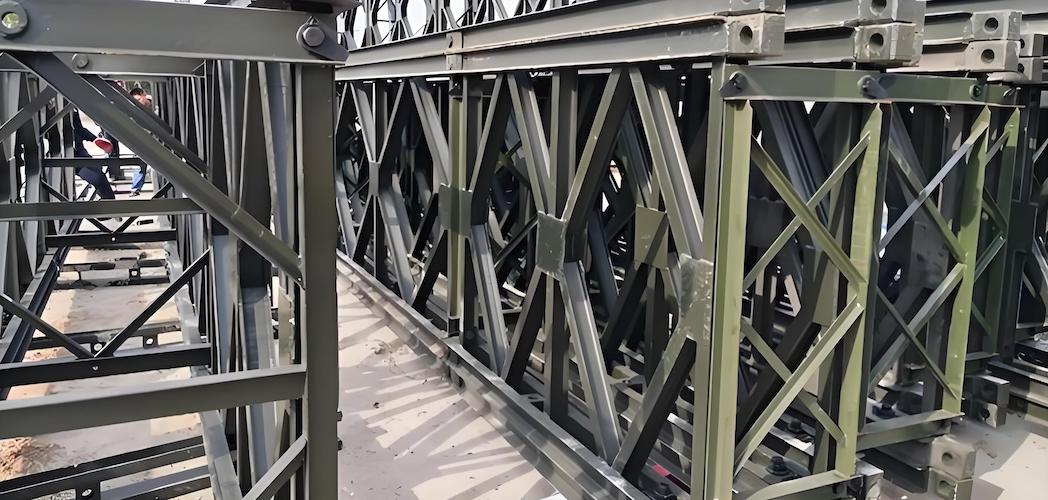
Modular bridge components are typically designed to fit within standard transportation regulations. The dimensions can vary, but common widths range from 8 to 12 feet, and lengths can be up to 40 feet or more, depending on the design. Weight limitations are usually around 80,000 pounds for the entire assembly, but individual components may weigh significantly less to facilitate easier handling and transport.
Modular bridges can be designed to meet specific seismic and weather-related requirements. Engineers incorporate features such as flexible joints and reinforced materials to enhance resilience against earthquakes. Additionally, modular bridges can be constructed with weather-resistant materials and drainage systems to withstand heavy rain, snow, and wind, ensuring their durability in extreme conditions.
The long-term maintenance of modular bridges is generally lower than that of traditional bridges due to their durable materials and design. Regular inspections are recommended to check for wear and tear, particularly at joints and connections. Maintenance costs can vary based on environmental conditions and usage, but modular bridges often require less frequent repairs, leading to overall cost savings over their lifespan.
Yes, modular bridges can be customized to meet specific aesthetic and functional requirements. While the components are standardized for efficiency, designers can modify elements such as color, surface finishes, and architectural features to blend with the surrounding environment or meet community preferences. This flexibility allows for both practical and visually appealing designs.
Modular bridges offer several environmental benefits, including reduced waste generation during construction, as components are prefabricated in a controlled environment. The shorter construction time minimizes disruption to local ecosystems and wildlife. Additionally, modular bridges can be designed using sustainable materials and can be relocated or repurposed, further contributing to environmental conservation efforts.


