

Views: 221 Author: Site Editor Publish Time: 2025-03-27 Origin: Site


Content Menu
● Understanding Emergency Bridges
● Design Considerations for Long-Term Use
>> Case Studies of Long-Term Use
● Economic Impact of Emergency Bridges
● Challenges and Considerations
>> Regulatory and Compliance Issues
● Frequently Asked Questions regarding Emergency Bridge
>> 1. What are the primary materials used in the construction of emergency bridges?
>> 2. How quickly can an emergency bridge be deployed after a disaster?
>> 3. What factors determine whether an emergency bridge can be used long-term?
>> 4. Are there any examples of emergency bridges being used successfully for long-term applications?
>> 5. What role do community stakeholders play in the long-term use of emergency bridges?
Emergency bridges are critical infrastructure solutions designed to provide immediate access and connectivity in times of crisis. While they are primarily intended for short-term use, many emergency bridges can be adapted for longer-term applications under certain conditions. This article explores the various aspects of emergency bridges, including their design, materials, maintenance, and potential for long-term use.
Emergency bridges are temporary structures that are deployed in response to disasters, such as floods, earthquakes, or infrastructure failures. Their primary purpose is to restore transportation routes quickly, ensuring that emergency services can reach affected areas and that communities can maintain access to essential goods and services. These bridges are often critical in disaster response scenarios, where time is of the essence. They facilitate the movement of rescue teams, medical supplies, and food, playing a vital role in saving lives and stabilizing communities during emergencies.
There are several types of emergency bridges, each designed for specific situations:
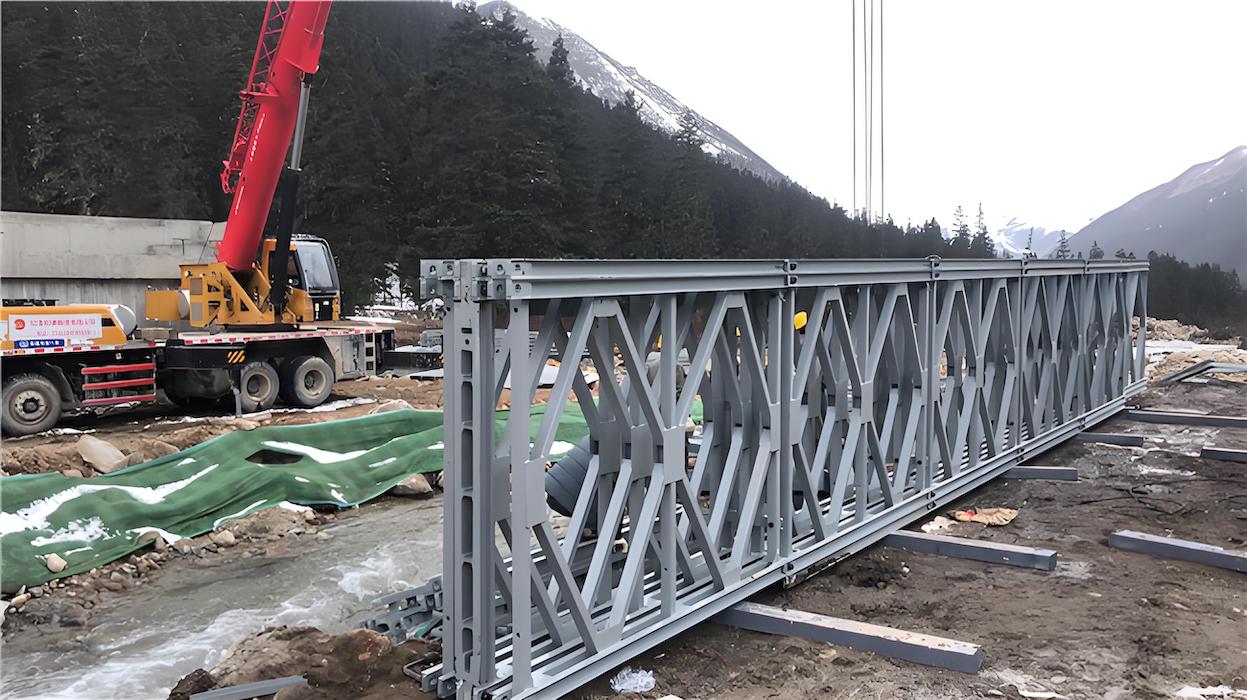
Modular Panel Bridges: These are prefabricated structures that can be assembled quickly on-site. They are versatile and can be used for both temporary and permanent applications. Their modular nature allows for easy transportation and installation, making them ideal for rapid deployment in disaster-stricken areas.
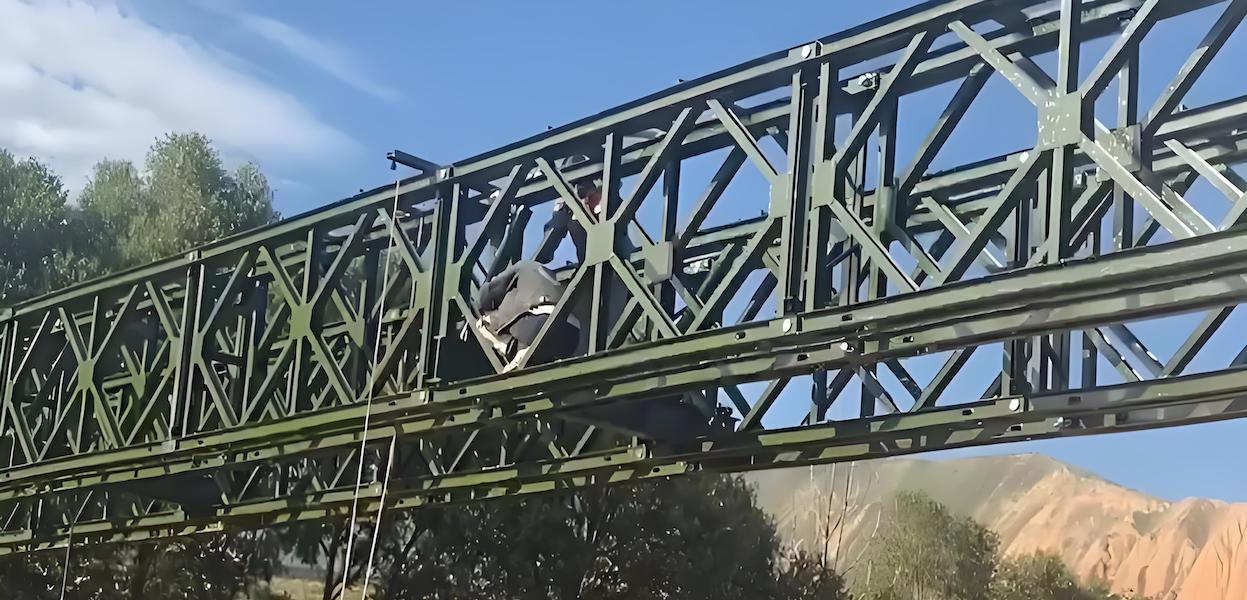
Bailey Bridges: A type of portable, pre-fabricated truss bridge that is easy to transport and assemble. Bailey bridges are often used in military and disaster relief operations. Their design allows for quick assembly without the need for heavy machinery, making them suitable for remote locations where access is limited.
Temporary Steel Bridges: These bridges are made from steel and are designed for rapid deployment. They can support heavy loads and are often used in urban settings. Their durability and strength make them a reliable choice for areas that experience high traffic volumes, ensuring that they can withstand the demands of everyday use.
For an emergency bridge to be considered for long-term use, it must be designed with structural integrity in mind. This includes using high-quality materials that can withstand environmental stresses, such as heavy traffic, weather conditions, and potential seismic activity. Engineers must consider factors such as load distribution, material fatigue, and environmental impacts when designing these structures. A well-designed emergency bridge can provide a safe and reliable solution for years, even beyond its initial intended lifespan.
Emergency bridges must be capable of supporting the expected load. Many are designed to handle both light and heavy traffic, which is crucial for maintaining economic activity in affected areas. The load-bearing capacity is a key factor in determining whether an emergency bridge can transition to a long-term solution. Engineers often conduct thorough assessments to ensure that the bridge can accommodate future traffic increases, which may arise as communities rebuild and grow after a disaster.
The location of the bridge plays a significant role in its longevity. Bridges in areas prone to extreme weather conditions, such as heavy rainfall or snow, may require more robust designs and materials to ensure they remain safe and functional over time. Additionally, environmental assessments can help identify potential risks, such as flooding or erosion, that could impact the bridge's stability. By addressing these factors during the design phase, engineers can enhance the bridge's resilience and extend its operational life.
Like any infrastructure, emergency bridges require regular maintenance to ensure their safety and functionality. This includes inspections for structural integrity, corrosion checks, and repairs as needed. Establishing a routine maintenance schedule can significantly extend the lifespan of an emergency bridge. Regular maintenance not only helps identify potential issues before they become critical but also reinforces the bridge's structural integrity, ensuring it remains safe for public use.
In some cases, emergency bridges can be upgraded or modified to enhance their durability and functionality. This may involve reinforcing the structure, adding protective coatings to prevent corrosion, or improving the load-bearing capacity. Upgrades can also include the installation of modern technology, such as sensors that monitor the bridge's condition in real-time, allowing for proactive maintenance and timely interventions.
There are several instances where emergency bridges have been successfully used for extended periods. For example, some modular panel bridges have been in place for over a decade, providing reliable service while permanent solutions are developed. These case studies highlight the potential for emergency bridges to serve as long-term infrastructure when properly maintained and upgraded. They also demonstrate the adaptability of these structures, showcasing how they can evolve to meet changing community needs over time.
Emergency bridges play a vital role in maintaining economic activity during crises. By ensuring that transportation routes remain open, these structures allow for the continued flow of goods and services, which is essential for local businesses. The economic impact of a closed road can be significant, leading to losses in revenue and disruptions in supply chains. Furthermore, the presence of an emergency bridge can facilitate the movement of workers and resources, helping communities recover more quickly and effectively from disasters.
Using emergency bridges as long-term solutions can be more cost-effective than constructing new permanent bridges from scratch. The initial investment in an emergency bridge can be lower, and with proper maintenance, these structures can serve communities for many years. Additionally, the rapid deployment of emergency bridges can minimize the economic disruption caused by infrastructure failures, allowing communities to maintain their economic activities while permanent solutions are developed.
Transitioning an emergency bridge to a long-term application may involve navigating regulatory and compliance issues. Local governments may have specific requirements for permanent structures, and emergency bridges must meet these standards to remain in use. This process can be complex and time-consuming, requiring collaboration between engineers, local authorities, and community stakeholders to ensure that all regulations are met.
The acceptance of emergency bridges as long-term solutions can vary among communities. Some residents may prefer the construction of permanent bridges, while others may appreciate the quick response provided by emergency structures. Engaging with the community and addressing their concerns is essential for the successful integration of emergency bridges into long-term infrastructure plans. Public outreach and education can help build support for the continued use of emergency bridges, highlighting their benefits and the role they play in community resilience.
Emergency bridges are invaluable assets in times of crisis, providing immediate solutions to restore connectivity and access. While they are primarily designed for short-term use, many can be adapted for long-term applications with proper maintenance, upgrades, and community support. As infrastructure needs continue to evolve, emergency bridges will play a crucial role in ensuring that communities remain resilient in the face of challenges. By understanding their potential and limitations, stakeholders can make informed decisions about the future of emergency bridges in their regions. The ongoing development and adaptation of these structures will be essential in building a more resilient infrastructure system that can withstand the test of time and adversity.
Emergency bridges are typically constructed using materials such as steel, aluminum, and reinforced concrete. Steel is favored for its strength and durability, while aluminum is lightweight and resistant to corrosion. Reinforced concrete is often used for its structural integrity and ability to withstand heavy loads.
The deployment time for an emergency bridge can vary depending on the type of bridge and the specific circumstances of the disaster. Generally, modular panel bridges and Bailey bridges can be assembled and installed within a few hours to a few days, allowing for rapid restoration of access to affected areas.
Several factors influence the long-term usability of an emergency bridge, including its structural integrity, load-bearing capacity, environmental conditions, and the quality of maintenance it receives. If the bridge is designed to withstand heavy traffic and is regularly maintained, it may be suitable for long-term use.
Yes, there are numerous examples where emergency bridges have been used successfully for extended periods. For instance, some modular panel bridges have remained in place for over a decade, providing reliable service while permanent solutions are developed. These instances demonstrate the adaptability and effectiveness of emergency bridges in various contexts.
Community stakeholders play a crucial role in the long-term use of emergency bridges by providing input on their needs and preferences. Engaging with the community helps address concerns, build support for the continued use of emergency bridges, and ensure that the infrastructure meets the evolving needs of the population. Public outreach and education are essential for fostering acceptance and understanding of these structures.


