

Views: 222 Author: Astin Publish Time: 2025-04-28 Origin: Site


Content Menu
● The Historical Significance of Bukit Timah Truss Bridge
>> A Bridge Born from Progress
>> Conservation and Restoration
● Architectural Marvel: The Truss Design
● The Rail Corridor: From Railway to Green Oasis
>> Transformation into a Community Asset
>> Accessibility and Connectivity
>> Ecological and Social Impact
>> Integration with Heritage Sites
>> Educational and Inspirational Role
● Recreational and Tourism Appeal
● Engineering Heritage and Innovation
>> A Testament to Singaporean Ingenuity
>> Restoration as a Model for Conservation
>> Inspiring Future Generations
● The Bukit Timah Truss Bridge in Popular Culture
● Frequently Asked Questions (FAQ)
>> 1. What type of bridge is the Bukit Timah Truss Bridge?
>> 2. Can you walk across the Bukit Timah Truss Bridge today?
>> 3. What is the historical significance of the Bukit Timah Truss Bridge?
>> 4. How was the Bukit Timah Truss Bridge restored?
>> 5. What activities can visitors enjoy around the Bukit Timah Truss Bridge?
Nestled in the heart of Singapore's lush Rail Corridor, the Bukit Timah Truss Bridge stands as a remarkable testament to the island's engineering heritage and historical evolution. For nearly a century, this iconic steel structure has not only witnessed the transformation of Singapore's landscape but has also played a pivotal role in connecting communities, fostering biodiversity, and preserving the nation's collective memory. But what makes the Bukit Timah Truss Bridge truly famous? Is it its unique architectural design, its storied past as a railway artery to Malaysia, or its modern reincarnation as a beloved pedestrian and cycling link? This comprehensive exploration delves into the multifaceted legacy of the Bukit Timah Truss Bridge, charting its journey from a utilitarian railway bridge to a cherished cultural landmark.
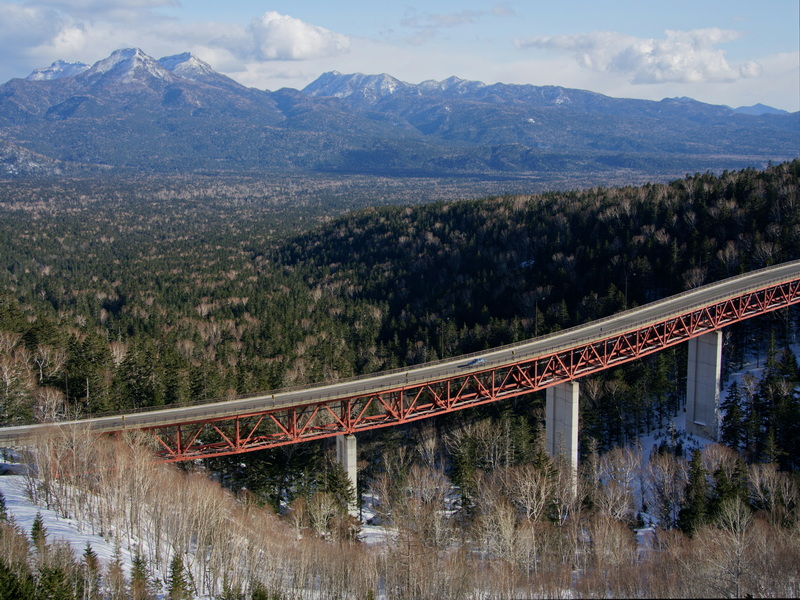
The Bukit Timah Truss Bridge was constructed in 1932 as part of a major realignment of the Keretapi Tanah Melayu (KTM) railway line, which connected Singapore to Malaysia[1][2][4]. This realignment was crucial for streamlining train travel between Tanjong Pagar in the south and the Causeway at Woodlands in the north, minimizing road-level crossings and enhancing safety for both vehicles and pedestrians[1][2]. The bridge's strategic placement at the seventh mile of Bukit Timah Road, just before the Bukit Timah Railway Station, made it a vital artery for the movement of goods and people across the island[7].
For decades, trains rumbled across the bridge, carrying passengers and freight between Singapore and the Malay Peninsula. The bridge's robust steel truss design, crafted by United Engineers, withstood the test of time and heavy use, even as Singapore underwent rapid urbanization[1][4][8]. However, by the late 20th century, the bridge had fallen into disrepair, suffering from rust and neglect as railway operations dwindled[7]. The closure of the KTM railway in 2011 marked the end of an era, but also set the stage for the bridge's remarkable revival.
Recognizing its historical and architectural value, authorities gazetted the Bukit Timah Truss Bridge as a conserved structure in 2015, alongside its counterpart at Upper Bukit Timah Road[4][5][8]. The restoration process, guided by the principles of maximum retention, sensitive restoration, and careful repair, involved meticulous documentation and conservation of original components, including the 172 sleepers that once supported the railway tracks[1][2][8]. Today, the bridge stands not only as a relic of Singapore's railway past but also as a symbol of the nation's commitment to preserving its built heritage for future generations.
A truss bridge is a structure composed of interconnected elements that form triangular units, distributing loads efficiently and providing remarkable strength and stability. The Bukit Timah Truss Bridge is unique in that it is the only Baltimore truss bridge in Singapore, while its nearby sibling at Upper Bukit Timah Road is the only Pratt truss bridge in the country[1][9]. Both bridges were designed by United Engineers, a pioneering local engineering firm, and feature granite stone piers that blend functionality with aesthetic elegance[1][2][4].
- Baltimore Truss (Bukit Timah Truss Bridge): Characterized by additional bracing in the lower section, enhancing its ability to span longer distances and carry heavier loads[9].
- Pratt Truss (Upper Bukit Timah Truss Bridge): Features vertical supports and diagonals sloping towards the center, optimizing the distribution of compressive and tensile forces[1][2].
The choice of these truss designs reflects the engineering ingenuity of the era, allowing the bridges to accommodate the demands of heavy railway traffic while maintaining visual appeal.
The restoration of the bridges was a feat of precision engineering and conservation. Laser scanning and 3D modeling were employed to assess structural integrity, while original track elements were carefully tagged and reinstated after repairs[8]. New railings and accessible floor finishes were added to enhance safety without compromising the bridges' historic character. This blend of tradition and innovation has ensured the bridges' continued serviceability and relevance in a modern context.

The decommissioning of the KTM railway line in 2011 paved the way for one of Singapore's most ambitious urban renewal projects: the Rail Corridor. Spanning 24 kilometers from Tanjong Pagar to Woodlands, the Rail Corridor has been revitalized as a continuous green passage, promoting biodiversity, recreation, and heritage appreciation[2][3][4]. The Bukit Timah Truss Bridge is a central feature of this corridor, connecting the North and Central stretches and serving as a gateway to the Bukit Timah Nature Reserve and Dairy Farm[3][6].
The bridge is easily accessible from the Rail Mall, with nearby MRT and bus services providing convenient entry points for visitors[3][6]. Its integration into the Rail Corridor has transformed it into a vibrant pathway for walkers, cyclists, and nature enthusiasts, offering scenic views and a tranquil escape from the urban hustle. The surrounding area boasts cafes, shops, and rest stops, making it a popular destination for families, tourists, and locals alike[2][3][6].
The Rail Corridor is not just a recreational trail; it is a vital ecological corridor supporting a rich diversity of flora and fauna. The preservation of the Bukit Timah Truss Bridge and its surroundings has enhanced local biodiversity, providing habitats for wildlife and promoting environmental stewardship[3][8]. Community engagement has been central to the corridor's development, with feedback from residents and stakeholders shaping its design and amenities[2][8]. The bridge now serves as a hub for community events, educational programs, and cultural activities, fostering a sense of shared heritage and belonging.
The Bukit Timah Truss Bridge is more than just a functional structure; it is an enduring symbol of Singapore's railway history and a marker of local identity[4][8]. Its distinctive silhouette, often captured in photographs and artworks, evokes nostalgia and pride among Singaporeans who remember the days of steam and diesel locomotives traversing the island[2][4]. The bridge's preservation and adaptive reuse reflect Singapore's broader commitment to honoring its past while embracing progress.
The bridge's proximity to the Bukit Timah Railway Station, itself a conserved building, creates a cohesive heritage landscape that celebrates the nation's transport legacy[5][9]. The station has been transformed into a community node, featuring a heritage gallery, cafes, gardens, and event spaces, further enriching the visitor experience[9]. Together, these sites form a living museum, inviting new generations to explore and appreciate Singapore's journey from a colonial outpost to a modern metropolis.
The Bukit Timah Truss Bridge serves as a powerful educational tool, illustrating the principles of engineering, conservation, and sustainable urban development. School groups, architecture students, and history buffs frequent the site to learn about truss design, heritage management, and the importance of adaptive reuse. The bridge's story inspires innovation and resilience, demonstrating how historical structures can be thoughtfully integrated into contemporary life.
The bridge and its environs have become a magnet for outdoor enthusiasts, photographers, and tourists seeking a unique blend of nature, history, and recreation. Activities around the bridge include:
- Walking and cycling along the Rail Corridor
- Birdwatching and wildlife spotting in nearby nature reserves
- Photography sessions capturing the bridge's striking architecture
- Picnics and gatherings at adjacent parks and rest stops
- Exploring heritage trails and interpretive displays[2][3][6]
The Bukit Timah Truss Bridge's industrial charm, set against a backdrop of verdant greenery, has made it a favorite spot for Instagrammers and content creators. Its restored steelwork, original sleepers, and panoramic views offer endless opportunities for creative expression and storytelling[5][6].
The bridge regularly hosts community events, heritage walks, and educational tours, drawing diverse crowds and fostering social cohesion. Its role as a gathering place underscores the importance of public spaces in urban life, where history and modernity intersect to create vibrant, inclusive environments[2][8].
The Bukit Timah Truss Bridge exemplifies the engineering prowess of early 20th-century Singapore. Its design and construction required advanced technical knowledge, resourcefulness, and collaboration between local and international experts[1][4][8]. The bridge's survival and continued relevance attest to the durability of well-crafted infrastructure and the value of investing in quality materials and workmanship.
The bridge's restoration has set a benchmark for heritage conservation in Singapore and beyond. By prioritizing minimal intervention, maximum retention of original elements, and sensitive addition of new features, the project has demonstrated how historical integrity can be maintained while adapting to contemporary needs[8]. The use of modern technologies such as laser scanning and 3D modeling has enhanced precision and safety, ensuring the bridge's longevity and resilience.
As a living example of adaptive reuse, the Bukit Timah Truss Bridge inspires architects, engineers, and urban planners to reimagine the potential of historical structures. Its successful integration into the Rail Corridor illustrates the benefits of holistic planning, community engagement, and sustainable development.
The bridge's striking appearance has made it a subject of countless photographs, postcards, and artworks. Its silhouette against the Singapore skyline, framed by lush vegetation, captures the imagination and evokes a sense of timelessness[4][5]. Social media platforms are replete with images of the bridge, often accompanied by stories of personal journeys and reflections on Singapore's changing landscape.
Writers, filmmakers, and artists have drawn inspiration from the bridge's history and ambiance, using it as a backdrop for narratives exploring themes of memory, transition, and identity. Its presence in literature and media reinforces its status as a cultural touchstone, bridging the past and present in creative ways.
The bridge's survival through decades of change, neglect, and renewal mirrors Singapore's own journey of transformation and adaptation. Its continued relevance and popularity attest to the enduring power of heritage to unite and inspire communities.
The Bukit Timah Truss Bridge's fame is rooted in its unique blend of historical, architectural, cultural, and ecological significance. From its origins as a vital railway link to its modern role as a cherished pedestrian and cycling bridge, it embodies the spirit of Singaporean resilience, innovation, and community. Its preservation and integration into the Rail Corridor have transformed it into a living symbol of the nation's heritage, inviting visitors to connect with the past while enjoying the beauty and vibrancy of the present. As Singapore continues to evolve, the Bukit Timah Truss Bridge stands as a powerful reminder that progress and preservation can go hand in hand, creating spaces that honor history, foster belonging, and inspire generations to come.

The Bukit Timah Truss Bridge is a Baltimore truss bridge, characterized by its distinctive steel framework with additional bracing in the lower section. This design enhances its ability to span longer distances and carry heavier loads, making it unique in Singapore[1][9].
Yes, the Bukit Timah Truss Bridge is open to pedestrians and cyclists. It serves as a key crossing along the Rail Corridor, connecting the North and Central stretches and offering scenic views of the surrounding greenery[2][3][5].
The bridge was constructed in 1932 as part of the realigned KTM railway line, facilitating efficient train travel between Singapore and Malaysia. It played a crucial role in the island's transportation network and is now preserved as a symbol of Singapore's engineering and heritage legacy[1][2][4].
The restoration process involved meticulous documentation, careful removal and reinstatement of original components, and targeted repairs to address corrosion and wear. Modern technologies such as laser scanning and 3D modeling were used to ensure precision and safety, while new railings and floor finishes were added to enhance accessibility without compromising historical integrity[8].
Visitors can engage in a variety of activities, including walking and cycling along the Rail Corridor, birdwatching, photography, picnicking, and exploring nearby heritage sites such as the Bukit Timah Railway Station. The area is also popular for community events and educational tours[2][3][6].
[1] https://www.littledayout.com/visiting-upper-bukit-timah-truss-bridge-singapore-pratt/
[2] https://www.baileybridgesolution.com/can-you-walk-across-the-upper-bukit-timah-truss-bridge-today.html
[3] https://railcorridor.nparks.gov.sg/our-rail-corridor/rc-north/
[4] https://www.todayonline.com/singapore/iconic-steel-bridges-along-rail-corridor-be-gazetted-conservation
[5] https://www.littledayout.com/visiting-bukit-timah-road-truss-bridge/
[6] https://magicaltraveljournal.wordpress.com/2021/05/05/singapore-6-questions-to-ask-before-you-head-to-rail-corridor-central-trail-at-upper-bukit-timah/
[7] https://en.wikipedia.org/wiki/Bukit_Timah_Truss_Bridge
[8] https://www.ura.gov.sg/-/media/Corporate/Get-Involved/Conserve-Built-Heritage/AHA-2024/Bridges-Panel.pdf
[9] https://www.timeout.com/singapore/things-to-do/the-ultimate-guide-to-the-rail-corridor-in-singapore
[10] https://mindtrip.ai/attraction/singapore/bukit-timah-truss-bridge/at-VNLwm9bl
[11] https://www.straitstimes.com/singapore/restoring-conserved-truss-bridges-along-singapores-rail-corridor-to-their-former-glory
[12] https://www.sassymamasg.com/the-green-corridor-top-5-things/
[13] https://travelsalad.blogspot.com/2016/11/1903-bukit-timah-truss-bridge.html
[14] https://wanderlog.com/place/details/4025039/upper-bukit-timah-bridge
[15] https://www.roots.gov.sg/places/places-landing/Places/landmarks/Bukit-Timah-Heritage-Trail-Kampong-Life-Trail/Former-Bukit-Timah-Railway-Station
[16] https://fotp.nparks.gov.sg/files/btrgc%20public%20engagement%20faqs_180521.pdf
[17] https://www.tripadvisor.com/FAQ_Answers-g294265-d7393386-t6844246-Is_Bukit_Timah_Station_and_the_truss_bridge.html
[18] https://www.ura.gov.sg/Corporate/Media-Room/Media-Releases/pr22-29
[19] https://nowboarding.changiairport.com/explore-singapore/guide-to-singapore-rail-corridor.html
[20] https://www.tripadvisor.co.nz/FAQ-g294265-d7393386-The_Green_Corridor.html
[21] https://www.timeout.com/singapore/things-to-do/the-ultimate-guide-to-the-rail-corridor-in-singapore
[22] https://thelongnwindingroad.wordpress.com/2010/09/27/journeys-through-tanjong-pagar-the-station-at-bukit-timah/
[23] https://www.trip.com/moments/poi-bukit-timah-nature-reserve-visitor-centre-77057/
[24] https://www.straitstimes.com/singapore/community/bukit-timah-truss-bridge-carries-message-of-sustainability-to-welcome-the-new
[25] http://2ndshot.blogspot.com/2011/07/two-ends-of-rail-corridor.html
[26] https://railcorridor.nparks.gov.sg/our-rail-corridor/rc-north/
[27] https://www.roowanders.com/rail-corridor-south/


